Founded in the 1320s as a sacred ritual seat of the Purépecha Empire and later reorganized in the 1530s by Bishop Vasco de Quiroga, Pátzcuaro displays a distinct urban character unlike anywhere else in Mexico. Quiroga established the town as a center for humanistic education and indigenous empowerment, setting up guild-like workshops in surrounding lake hamlets where specific trades were cultivated—copper hammering in Santa Clara, woodworking in Quiroga, and pottery in Tzintzuntzan.
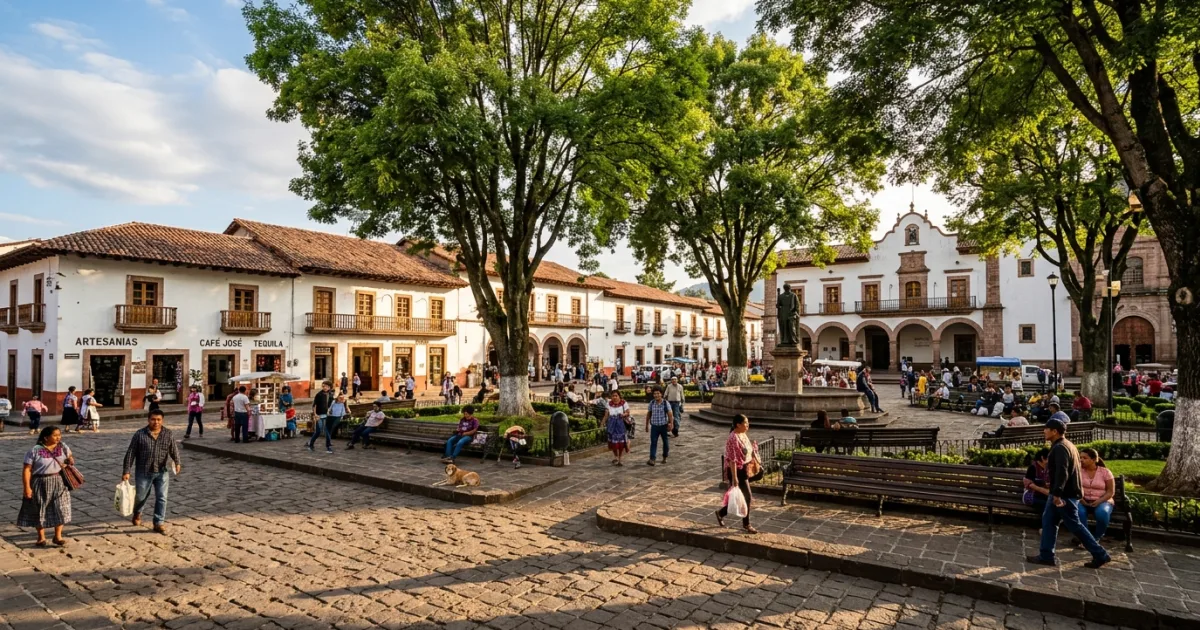
Today, this rich craft heritage remains vibrant. The center of town features the grand Plaza Vasco de Quiroga, often cited as one of Latin America's largest and most majestic squares, notably absent of a cathedral on its perimeter. Surrounding buildings feature white stucco walls trimmed in uniform oxblood red paint, terracotta roof tiles, and carved wooden porticoes that invite relaxed strolls under temperate mountain skies.
Reasons to Visit
- Explore exceptionally preserved 16th-century colonial architecture and peaceful arcaded squares.
- Immerse yourself in living Purépecha culture, textile traditions, and artisan craft workshops.
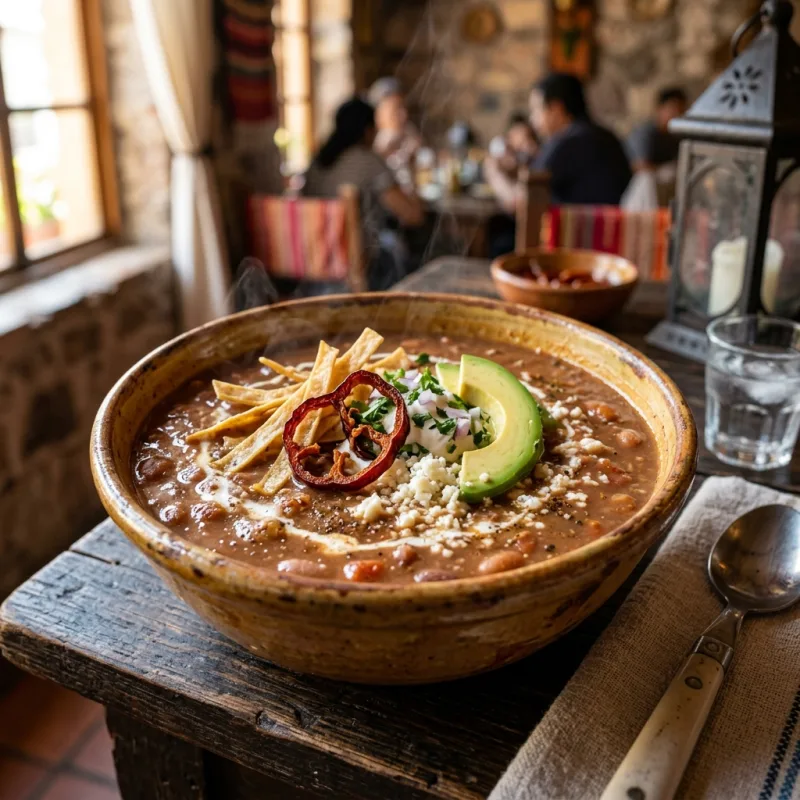
- Savor rich regional highland cuisine including Sopa Tarasca, corundas, and uchepos.
- Take boat excursions to rural lake islands like Janitzio and Pacanda.
- Experience one of the world's most authentic and revered Día de los Muertos celebrations.
Things to Avoid
- Avoid wearing smooth-soled or high-heeled shoes; the steep cobblestones are uneven and slippery when wet.
- Avoid planning travel during Day of the Dead without booking lodging many months in advance.
- Do not drive unmonitored backroads across the state at night; use main toll highways during daytime.
- Avoid relying solely on credit cards; small shops and village markets operate strictly in cash.
Local Transportation Tips
The historic center of Pátzcuaro is compact and best explored entirely on foot. For destinations beyond the core, local combis (white passenger vans) and colectivos depart regularly from the market district near Plaza Gertrudis Bocanegra to Lake Pátzcuaro docks (Embarcadero) and surrounding artisan towns for 10 to 25 MXN. Licensed green-and-white local taxis are readily available, inexpensive, and have fixed rates for short cross-town trips.
Travel Etiquette
- Always greet shopkeepers and artisans with a polite 'Buenos días' or 'Buenas tardes' before browsing goods.
- Ask for permission before photographing indigenous vendors, traditional altars, or local residents.
- Bargain gently and respectfully in artisan markets; craft making is an arduous multigenerational art form.
- Dress modestly and remove hats when entering Catholic sanctuaries such as the Basílica de Nuestra Señora de la Salud.
Recommended Age Group
Pátzcuaro appeals strongly to mature travelers, couples, and cultural explorers who appreciate history, authentic traditions, and slower travel rhythms.
- Babies (0-2 years): Not Recommended. Rugged, steep cobblestone pavements and narrow sidewalks make strollers practically impossible to use.
- Kids (3-12 years): Neutral. Children enjoy the island boat trips and colorful markets, though historical museums may hold limited interest.
- Teens (13-19 years): Neutral. Best suited for teens interested in photography, folklore, outdoor hiking, and indigenous arts.
- Adults (20-64 years): Recommended. Perfect for cultural exploration, culinary discoveries, boutique stays, and photography.
- Seniors (65+ years): Recommended. Well suited for slow-paced cultural touring, though travelers should possess reasonable mobility on uneven cobblestones.
Accessibility Level: Medium
- Historic streets feature rough, irregular cobblestone paving and high curbs that present significant barriers for manual and motorized wheelchairs.
- Many historic boutique hotels are preserved colonial estates with multiple step levels, narrow doorways, and no elevators.
- Plaza Vasco de Quiroga offers flat perimeter pathways, but navigating between different plazas involves moderate elevation changes.
Did You Know?
Unlike almost every other Spanish colonial town in the Americas, Pátzcuaro's primary central plaza (Plaza Vasco de Quiroga) has no church facing it; Bishop Vasco de Quiroga intentionally dedicated the massive space entirely to civil and civic community life.
Cool Statistics
- Elevation: 2,140 meters (7,020 feet) above sea level
- Plaza Vasco de Quiroga dimensions: Approximately 15,000 square meters, making it one of the largest plazas in Mexico
- Craft villages around the lake: Over 12 distinct communities, each specializing in a specific traditional craft






Buy a compatible power adapter for your trip