Cuernavaca stands as the administrative capital of Morelos and one of the longest-standing settlement areas in central Mexico. The city was initially founded by the Tlahuica culture under the name Cuauhnáhuac, translating from Nahuatl to 'near the woods'. Following the Spanish Conquest, the name evolved into Cuernavaca. Hernán Cortés established his primary rural administrative palace here in 1526, recognizing the valley's defensive advantages and fertile agricultural climate.
Today, the city retains its colonial architectural grandeur while functioning as an international cultural and educational hub. Visitors navigate a hilly, barranca-riven terrain lined with historic stone bridges, hidden walled gardens, art museums, and historic cathedrals. Beyond its urban core, Cuernavaca serves as the springboard for exploring nearby magical towns such as Tepoztlán and the archaeological complex of Xochicalco.
Reasons to Visit
- Immaculate Subtropical Climate: Enjoy consistent, mild weather and lush flowering flora across all twelve months.
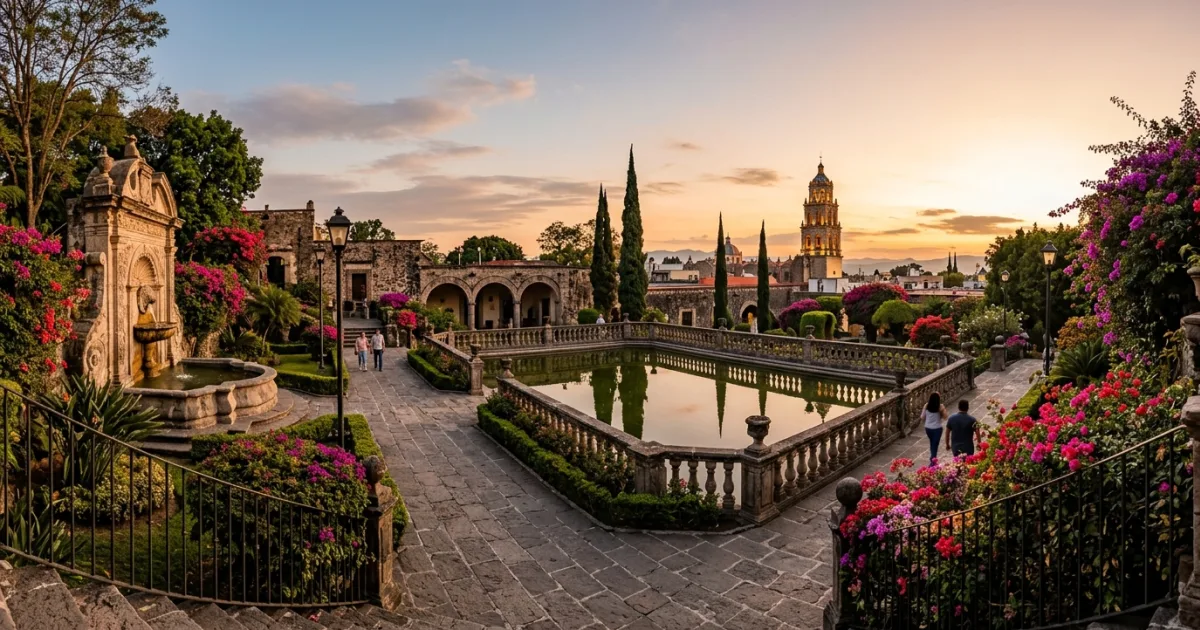
- Rich Architectural Legacy: Explore the 16th-century Palacio de Cortés and the fortified Cuernavaca Cathedral compound.
- Historic Gardens: Wander through the tranquil European-style paths and aquatic fountains of the 18th-century Jardín Borda.
- Acclaimed Language Schools: Benefit from some of the world's most renowned Spanish language immersion institutes.
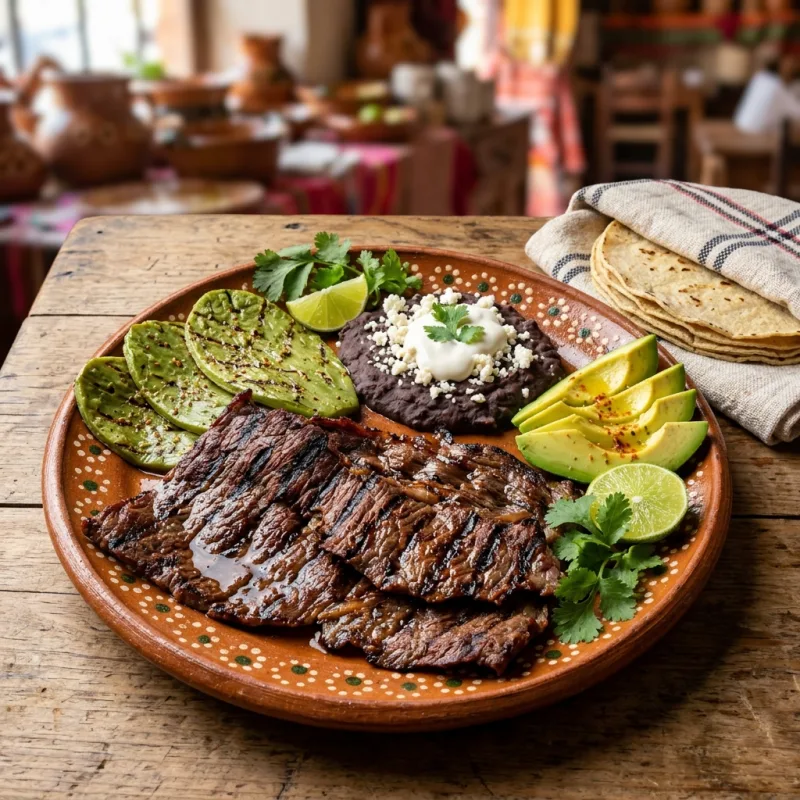
- Culinary Heritage: Feast on legendary regional dishes including Cecina de Yecapixtla and authentic Tacos Acorazados.
Things to Avoid
- Avoid driving through the narrow downtown streets on Sunday afternoons when heavy weekend traffic returns toward Mexico City.
- Do not explore deep urban ravines (barrancas) without an authorized guide or outside established park pathways.
- Avoid hailing unmetered, unmarked street cabs; use radio taxis or registered ride apps instead.
- Do not drink tap water; consistently choose bottled or purified water for drinking and brushing teeth.
Local Transportation Tips
Cuernavaca's central historic district is walkable, though travelers must navigate uneven cobblestones and steep slopes. For longer cross-town journeys, registered rideshare apps like Uber and DiDi operate reliably throughout the municipal area. Local urban buses, known locally as "rutas", connect neighborhoods for low fares (around 10 MXN), but routes can be confusing and vehicles are often crowded during peak hours. For regional day trips, executive coach lines operate from the central bus stations with regular daily departures.
Travel Etiquette
- Greet shopkeepers and restaurant staff politely with "Buenos días" or "Buenas tardes" upon entering an establishment.
- Tipping (la propina) is customary: leave 10% to 15% at sit-down dining venues and cafes.
- Dress casually yet respectfully; beachwear and swimwear are reserved exclusively for hotel pool areas, not city streets or churches.
- Always request permission before photographing indigenous market vendors or religious celebrations inside churches.
Recommended Age Group
Cuernavaca caters broadly to travelers of varying ages thanks to its pleasant climate, accessible gardens, and rich cultural landscape.
- Babies (0-2 years): Neutral. The cobblestone streets, hilly topography, and irregular sidewalks present significant challenges for standard wheeled strollers.
- Kids (3-12 years): Recommended. Children appreciate expansive outdoor gardens like Jardín Borda, hotel swimming pools, and interactive eco-parks like Parque Barranca de Chapultepec.
- Teens (13-19 years): Recommended. Teenagers find engagement in Spanish immersion classes, dynamic artisanal markets, canyon footbridges, and local culinary tours.
- Adults (20-64 years): Recommended. Exceptional for historical architecture, renowned garden restaurants, wellness spas, and vibrant cultural weekend markets.
- Seniors (65+ years): Recommended. Highly popular with retirees due to the soothing temperate climate, slow-paced lifestyle, and tranquil boutique hacienda accommodations.
Accessibility Level: Medium
- Downtown pavements often feature high curbs, missing ramps, and historic uneven cobblestones that can challenge manual wheelchair users.
- Major attractions like Jardín Borda and the Cathedral complex provide partial flat access along main courtyards, though upper balconies and towers require stairs.
- Parque Ecológico Chapultepec provides paved boardwalks along water features suitable for mobility assistance devices.
- Modern shopping malls and upscale hotels generally feature ADA-compliant ramps, wide elevators, and roll-in showers.
Did You Know?
The Palacio de Cortés in downtown Cuernavaca was built directly on top of a destroyed Tlahuica tribute collection center, using the salvaged stone blocks from the original pre-Hispanic pyramids to construct its fortified exterior walls.
Cool Statistics
- 1,510 meters (4,950 feet): The average elevation of Cuernavaca above sea level.
- 21°C (70°F): The stable average annual temperature across the valley.
- 1526: The construction year of the Palacio de Cortés, one of the earliest preserved civil structures built by Europeans in mainland America.
- 1783: The year Jardín Borda was completed by silver mining magnate José de la Borda.






Buy a compatible power adapter for your trip