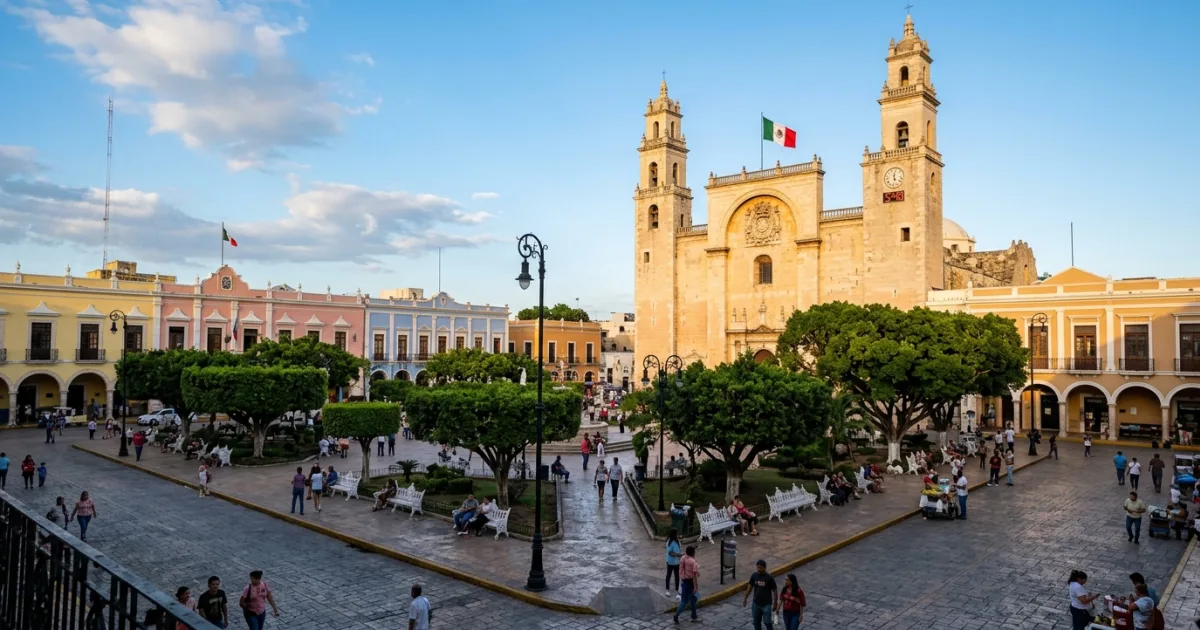
Merida, the proud capital of Yucatan, radiates historic dignity, cosmopolitan warmth, and deep cultural roots. Founded by Spanish conquistador Francisco de Montejo over the vestiges of the Maya ceremonial city of Ichkanzihó (T'hó), carved limestone from indigenous temples was repurposed into the foundation of the iconic Cathedral of San Ildefonso, the oldest cathedral on mainland the Americas. During the late 19th and early 20th centuries, the henequen ('green gold') sisal rope boom transformed Merida into the wealthiest city in the Americas per capita, endowing it with the French neoclassical palaces that flank the prestigious Paseo de Montejo boulevard today.
Contemporary Merida manages to balance its regal heritage with relaxed provincial energy. Evenings are alive with spontaneous joy as public squares—from Parque Santa Lucía to Parque de la Mejorada—fill with acoustic guitar trios playing traditional trova songs, open-air food carts dishing out marquesitas, and families conversing peacefully on white s-shaped 'tú y yo' lover's benches. Its central geographic position makes it an unrivaled jumping-off point to traverse ancient archaeological zones, coastal biosphere reserves, and thousands of sacred subterranean cenotes.
Reasons to Visit
- Unmatched Safety: Travel with complete peace of mind in Mexico's safest urban environment, featuring clean streets and family-friendly evening squares.
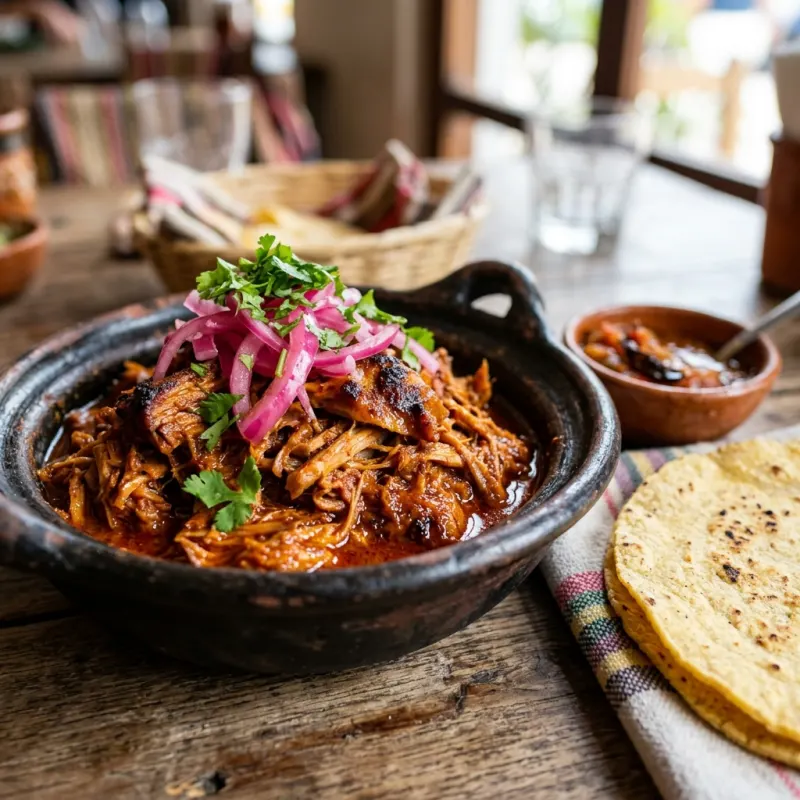
- Culinary Excellence: Savor an UNESCO-recognized regional gastronomy distinct from standard tacos, blending Maya earth ovens with Spanish and Lebanese culinary techniques.
- Proximity to Maya Wonder: Reach world-class archaeological treasures including Uxmal, Kabah, Mayapan, and Chichen Itza within easy day trips.
- Vibrant Colonial Charm: Stroll through pastel-colored streets, grand cathedrals, tranquil cloistered courtyards, and neoclassical French-inspired estates.
- Cenote Adventures: Swim in crystal-clear freshwater sinkholes hidden inside limestone caverns and jungle groves just minutes from town.
Things to Avoid
- Avoid walking long distances between 12:00 PM and 3:30 PM without sun protection and water, as midday temperatures and UV levels are intense.
- Do not apply standard chemical sunscreens or mosquito sprays right before swimming in cenotes; rinse off thoroughly to preserve the delicate aquatic ecosystems.
- Avoid hiring unvetted street touts around Plaza Grande promising unauthorized archaeological transport or timeshare presentations.
- Do not forget to keep local Mexican peso cash on hand, as many small authentic eateries, market stalls, and regional transport vans do not take credit cards.
Local Transportation Tips
Navigating central Merida is predominantly walkable, especially around the Centro Histórico and Santa Ana neighborhoods. For journeys further north along Paseo de Montejo or to modern shopping districts, the city's integrated 'Va-y-Ven' transit system provides air-conditioned, low-emission buses that require an electronic smart card purchasable at central kiosks. Ride-hailing apps such as Uber and DiDi operate extensively, reliably, and economically throughout the city. For out-of-town day trips to neighboring ruins or cenotes, shared vans known as 'colectivos' depart from terminals near Mercado San Benito, while rental cars provide maximum freedom for exploring the Puuc Route.
Travel Etiquette
- Greet shopkeepers and restaurant servers politely with 'Buenos días' (good morning) or 'Buenas tardes' (good afternoon) before initiating inquiries.
- Tip service staff between 10% to 15% in sit-down restaurants, as tipping (la propina) forms a vital portion of hospitality workers' livelihoods.
- Dress respectfully when stepping inside active places of worship such as the Cathedral of San Ildefonso by covering shoulders and removing hats.
- Always ask for permission before taking close-up portraits of indigenous Maya artisans or vendors selling their textiles in local markets.
Recommended Age Group
Merida provides enriching, secure experiences for nearly every demographic, though warm midday temperatures require thoughtful pacing for travelers with limited mobility or toddlers.
- Babies (0-2 years): Neutral. The tropical heat and high humidity can be difficult for infants during midday, and uneven cobblestone curbs hinder lightweight strollers.
- Kids (3-12 years): Recommended. Safe pedestrian plazas, fun swimming excursions in shallow cenotes, and interactive chocolate museums make it a rewarding family escape.
- Teens (13-19 years): Recommended. Climbing ancient Maya ruins, exploring underground caves, zip-lining, and sampling street-food delicacies appeal directly to energetic teenagers.
- Adults (20-64 years): Recommended. Exceptional culinary tours, craft cocktail speakeasies, historic architecture, boutique shopping, and vibrant nightlife offer an ideal adult retreat.
- Seniors (65+ years): Recommended. Highly accessible cultural events, flat walking terrain around central parks, excellent medical infrastructure, and unmatched safety make Merida a haven for mature travelers.
Accessibility Level: Medium
- Central squares like Plaza Grande and Parque Santa Lucía feature dropped curb cuts, though historic side streets often have narrow, high, and uneven sidewalks.
- Modern public buses in the 'Va-y-Ven' network are fully equipped with wheelchair access ramps and priority seating areas.
- Major cultural institutions like the Gran Museo del Mundo Maya provide full elevator access, wide ramps, and tactile braille exhibits.
- Historic boutique hotels housed in centuries-old colonial mansions may feature steps and lacking elevators; travelers requiring step-free access should verify ground-floor courtyard rooms beforehand.
Did You Know?
Merida's Cathedral of San Ildefonso, completed in 1598, was constructed using the very carved stones salvaged from the dismantled Maya pyramid-temples of T'hó that previously occupied the main square.
Cool Statistics
- 1542: The year Merida was founded atop the ancient Maya city of T'hó by Francisco de Montejo.
- 6,000+: Estimated number of freshwater cenotes scattered throughout the surrounding Yucatan karst plain.
- 1st: Consistently rated the safest city in Mexico and one of the safest in the Americas by international safety indices.
- 1890s: The era when the sisal henequen fiber boom made Merida home to more millionaires per capita than any other city on earth.






Buy a compatible power adapter for your trip