Low – budget‑friendly basics
Medium – moderate mid‑range costs
High – pricey lodging, dining & transport
Disclosure: This site contains affiliate links. We may earn a commission if you make a purchase, at no extra cost to you.
Low – budget‑friendly basics
Medium – moderate mid‑range costs
High – pricey lodging, dining & transport
5 shields = Excellent – very low crime or conflict.
4 shields = Safe – low risk, routine care.
3 shields = Relatively safe – use normal street smarts.
2 shields = Use caution – higher crime or periodic unrest.
1 shields = Avoid – active conflict or extreme danger.
Scores are derived from multi-year peace, homicide and security indices blended into a single 1-to-5 scale.
Greater Buenos Aires encompasses the Autonomous City of Buenos Aires and its surrounding 24 districts, forming one of the largest and most dynamic urban agglomerations in Latin America. This sprawling metropolis offers a stark contrast between the European-style architecture of the central neighborhoods and the authentic, bustling daily life found in the outer suburban rings. Visitors can explore a vast array of cultural institutions, historic tango halls, and vibrant street markets that define the region's unique identity. Beyond the well-trodden tourist paths of the city center, the Greater Buenos Aires region provides deep insights into Argentine culture, from passionate local football matches in Avellaneda to traditional estancias just outside the urban sprawl. The area is connected by an extensive network of commuter trains and buses, making it possible to venture into emerging neighborhoods filled with alternative art scenes and authentic parrillas. Navigating this massive urban landscape rewards travelers with a profound understanding of Argentina's complex history, resilient people, and unparalleled culinary heritage.
Greater Buenos Aires (Gran Buenos Aires) is the economic and cultural engine of Argentina, home to over 15 million people. It radiates outward from the Rio de la Plata, encompassing the sophisticated capital and a vast ring of diverse municipalities. The region is a fascinating study in contrasts, where opulent Belle Époque palaces sit just a train ride away from gritty, working-class neighborhoods that birthed tango and legendary football icons like Diego Maradona. Exploring the GBA requires a sense of adventure and a willingness to step outside the polished tourist bubbles of Recoleta and Palermo.
The SUBE (Sistema Único de Boleto Electrónico) card is absolutely essential for navigating Greater Buenos Aires. It grants access to the Subte (subway), the extensive Colectivo (bus) network, and the commuter trains (Línea Mitre, Roca, Sarmiento, etc.) that connect the city center to the outer suburbs. While public transport is incredibly cheap and comprehensive, it can be extremely crowded during rush hours. For point-to-point travel, ride-hailing apps like Cabify and Uber are widely used, safe, and affordable.
Greater Buenos Aires offers diverse experiences that cater to a wide range of ages, though its massive scale requires some planning.
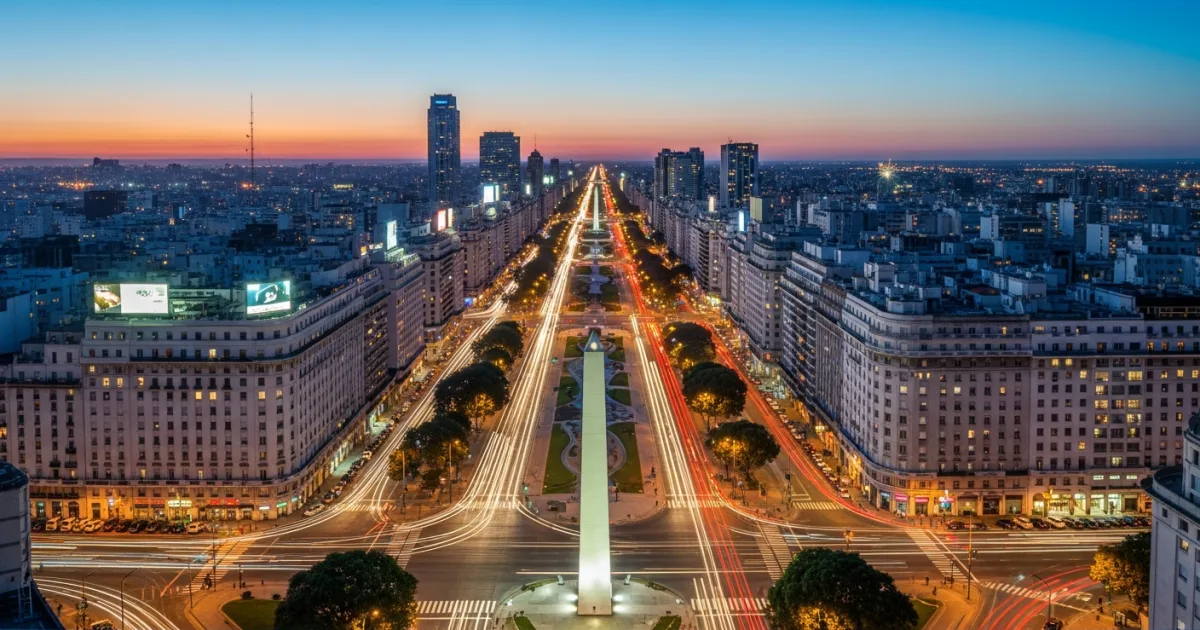
Greater Buenos Aires is home to the widest avenue in the world, Avenida 9 de Julio, which spans up to 140 meters across and features the iconic Obelisco at its center.

The best times to visit Greater Buenos Aires are during the spring (September to November) and autumn (March to May) when the weather is mild and pleasant.
| Month | °C | °F |
|---|---|---|
| Jan | 24 | 75 |
| Feb | 23 | 73 |
| Mar | 22 | 72 |
| Apr | 18 | 64 |
| May | 14 | 57 |
| Jun | 12 | 54 |
| Jul | 11 | 52 |
| Aug | 12 | 54 |
| Sep | 14 | 57 |
| Oct | 17 | 63 |
| Nov | 21 | 70 |
| Dec | 23 | 73 |
Remember to check the weather forecast a few days before the trip and before heading to the airport.
5 shields = Excellent – very low crime or conflict.
4 shields = Safe – low risk, routine care.
3 shields = Relatively safe – use normal street smarts.
2 shields = Use caution – higher crime or periodic unrest.
1 shields = Avoid – active conflict or extreme danger.
Scores are derived from multi-year peace, homicide and security indices blended into a single 1-to-5 scale.
The rating is based on multi-year peace, crime, and security indices. Before you go, always verify current conditions through official government travel advisories.
No internet needed • Includes local translations • Free for TravelingWiz readers

Is Greater Buenos Aires expensive for tourists in 2026? While costs have risen from previous years, Argentina's capital remains a moderately priced destination for international travelers. You can expect to pay around 4,500 ARS for a cappuccino, 5,000 ARS for a pint of domestic beer, and 22,000 ARS for a mid-range meal. Featuring Human Verified prices, local dining and culture still offer great value. Use the data table below to calculate your specific daily budget based on your travel style.
Low – budget‑friendly basics
Medium – moderate mid‑range costs
High – pricey lodging, dining & transport
Per person, per day – pocket cash for small purchases.
Full daily spend estimation (accommodation, food, transportation, attractions).
Travel Style | Argentine Peso (ARS) | ≈ USD ($) |
|---|---|---|
Budget | 96250 | 65 |
Mid-range | 175000 | 118 |
Comfort | 385000 | 259 |
The Prices, Daily costs, and calculator results are estimates for planning purposes only. Actual costs may vary based on season, booking timing, personal spending habits, and currency fluctuations. TravelingWiz cannot be held responsible for discrepancies between these estimates and your final trip expenses.
Choose a ready-made itinerary, plan your own trip, and keep TravelingWiz by your side while you travel.
Get the TravelingWiz app →
Discover cooking classes, tastings and local food tours
Logistics shouldn’t be the focus of your trip—the experience should. I’ve hand-vetted these essential partners to ensure your arrival, stay, and exploration are as smooth as an Athenian breeze.

Compare accommodation options and choose a stay that suits your plans and budget.
Connect with local guides for personalized help planning and exploring.
The “Engineer’s” rule: always have a backup. Secure your trip with a plan that covers every “what if” and unexpected change.
Don’t let paperwork slow you down. Get expert assistance with your application to ensure all your entry documents are in order.
Check out our related articles and blog posts to learn even more about the destination.
Share with your friends and family