Greater Buenos Aires (Gran Buenos Aires) is the economic and cultural engine of Argentina, home to over 15 million people. It radiates outward from the Rio de la Plata, encompassing the sophisticated capital and a vast ring of diverse municipalities. The region is a fascinating study in contrasts, where opulent Belle Époque palaces sit just a train ride away from gritty, working-class neighborhoods that birthed tango and legendary football icons like Diego Maradona. Exploring the GBA requires a sense of adventure and a willingness to step outside the polished tourist bubbles of Recoleta and Palermo.
Reasons to Visit
- Experience the unmatched passion of Argentine football at legendary stadiums in Avellaneda and La Boca.
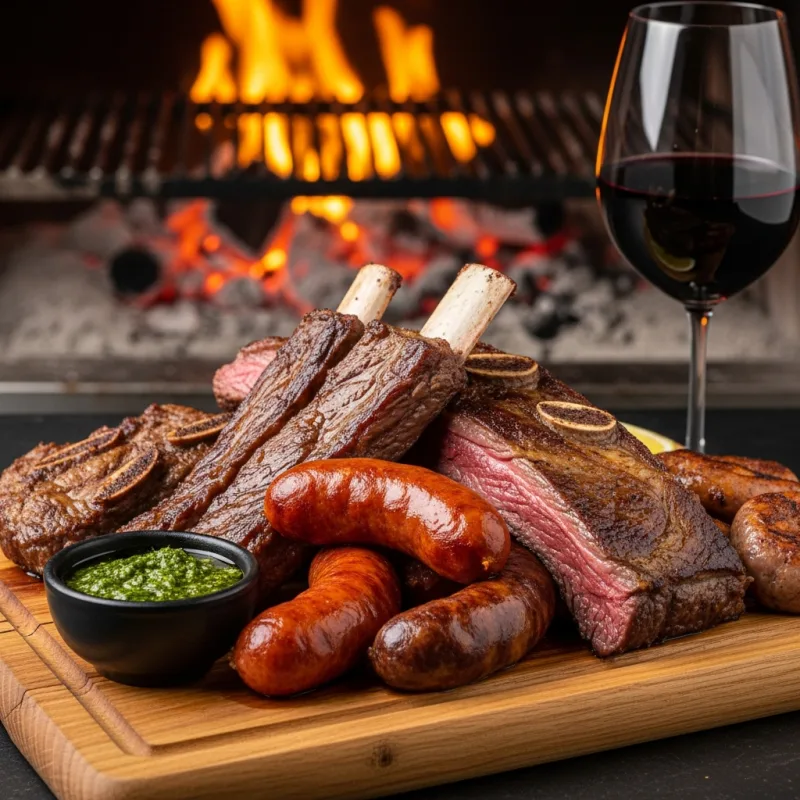
- Indulge in world-class beef and Malbec wine at authentic, off-the-beaten-path neighborhood parrillas.
- Discover the birthplace of tango and witness spontaneous milongas in historic plazas.
- Explore the massive San Telmo Sunday market and the antique shops that line its cobblestone streets.
- Venture to the Tigre Delta in the northern part of the GBA for a serene boat ride through lush waterways.
Things to Avoid
- Avoid walking alone at night in unfamiliar outer districts or poorly lit areas.
- Do not flash expensive smartphones or jewelry near open bus or train windows.
- Avoid exchanging money with unauthorized street touts (arbolitos) to prevent receiving counterfeit bills.
- Do not rely solely on credit cards; always carry some Argentine pesos for small purchases and tips.
Local Transportation Tips
The SUBE (Sistema Único de Boleto Electrónico) card is absolutely essential for navigating Greater Buenos Aires. It grants access to the Subte (subway), the extensive Colectivo (bus) network, and the commuter trains (Línea Mitre, Roca, Sarmiento, etc.) that connect the city center to the outer suburbs. While public transport is incredibly cheap and comprehensive, it can be extremely crowded during rush hours. For point-to-point travel, ride-hailing apps like Cabify and Uber are widely used, safe, and affordable.
Travel Etiquette
- Greet locals with a single kiss on the right cheek, even among new acquaintances.
- Do not rush meals; dining is a social event in Argentina, and dinner often starts after 9:00 PM.
- Avoid discussing sensitive political topics or the Falkland Islands (Islas Malvinas) conflict.
- Always say 'gracias' to the bus driver when purchasing your ticket with the SUBE card.
Recommended Age Group
Greater Buenos Aires offers diverse experiences that cater to a wide range of ages, though its massive scale requires some planning.
- Babies (0-2 years): Neutral. Navigating crowded public transport and uneven sidewalks can be challenging with strollers.
- Kids (3-12 years): Recommended. Numerous parks, interactive museums like the Museo de los Niños, and family-friendly estancias offer great entertainment.
- Teens (13-19 years): Recommended. The vibrant street art, football culture, and bustling markets provide highly engaging experiences for older children.
- Adults (20-64 years): Recommended. The rich nightlife, complex history, diverse culinary scene, and cultural depth are perfectly suited for adult travelers.
- Seniors (65+ years): Recommended. While the city is large, taxis and ride-sharing apps make it accessible, and the focus on cafes, tango, and museums is ideal for slower-paced exploration.
Accessibility Level: Medium
- The central areas of Buenos Aires have improved wheelchair accessibility with ramped curbs, but outer districts often have uneven or broken sidewalks.
- Many newer Subte (subway) stations have elevators, but older stations may only offer stairs.
- Modern shopping malls and major museums are fully accessible and equipped with adapted restrooms.
- Low-floor buses (colectivos) are common, but deploying the ramp often requires asking the driver for assistance.
Did You Know?
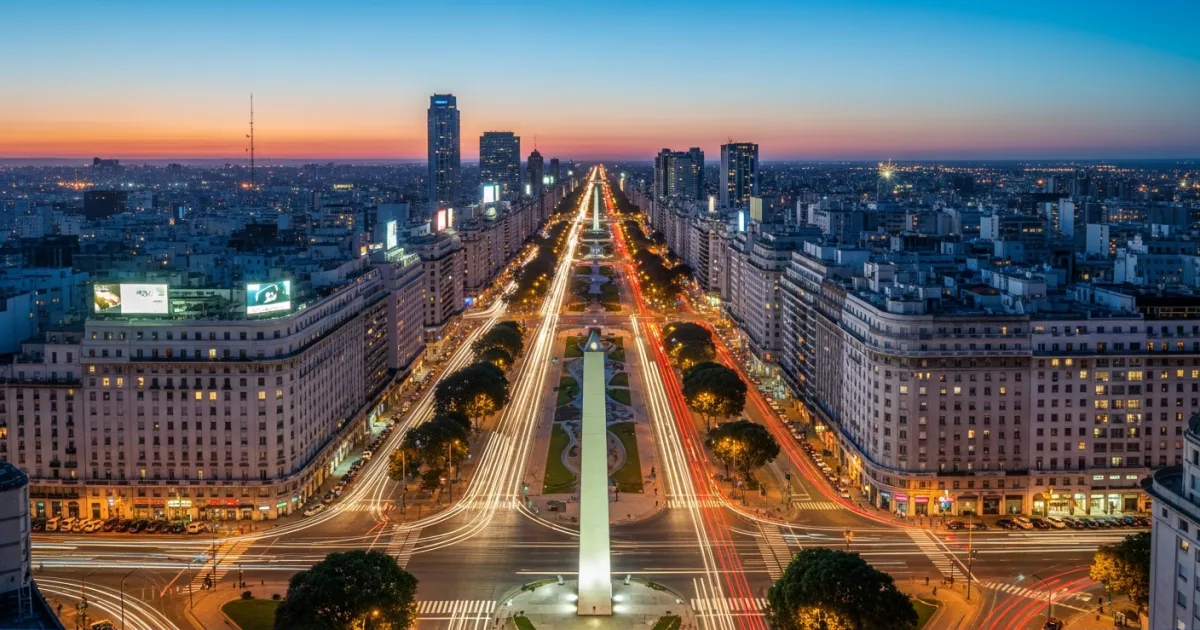
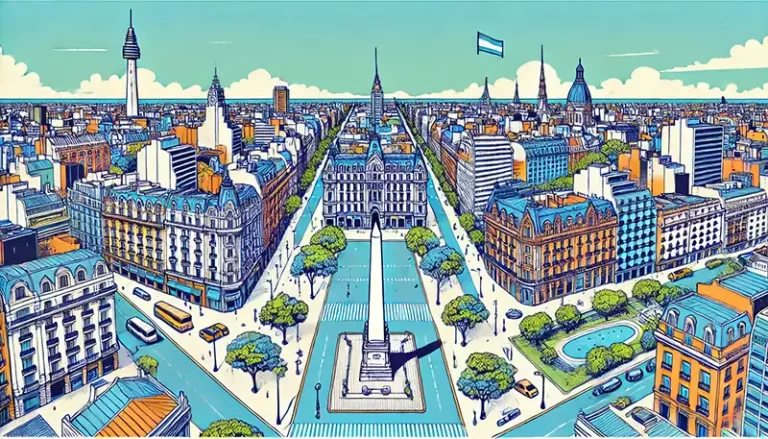
Greater Buenos Aires is home to the widest avenue in the world, Avenida 9 de Julio, which spans up to 140 meters across and features the iconic Obelisco at its center.
Cool Statistics
- Population: Approximately 15.3 million people in the metropolitan area.
- Football Clubs: The region hosts over 60 professional football teams.
- Theaters: Buenos Aires has more active theaters than any other city in the world.
- Bookstores: It boasts the highest number of bookshops per capita globally.







Buy a compatible power adapter for your trip