Tierra del Fuego Province is a land of extremes, where the Andes mountain range meets the sea. The province is divided into three main areas: Ushuaia in the south, known for its dramatic alpine scenery and maritime history; Tolhuin in the center, characterized by the vast Fagnano Lake and transitional forests; and Rio Grande in the north, a windswept steppe famous for world-class fly fishing and sheep farming.
Historically inhabited by the Selk'nam, Yaghan, and Haush indigenous peoples, the region later became a base for explorers, missionaries, and a notorious penal colony. Today, it stands as a beacon for eco-tourism, offering unparalleled access to pristine environments. Whether you are navigating the icy waters of the Beagle Channel, hiking to the stunning Laguna Esmeralda, or simply enjoying a cup of hot chocolate while watching the snow fall, Tierra del Fuego provides a profound sense of isolation and natural wonder.
Reasons to Visit
- Stand at the 'End of the World' in Ushuaia, the southernmost city on the globe.
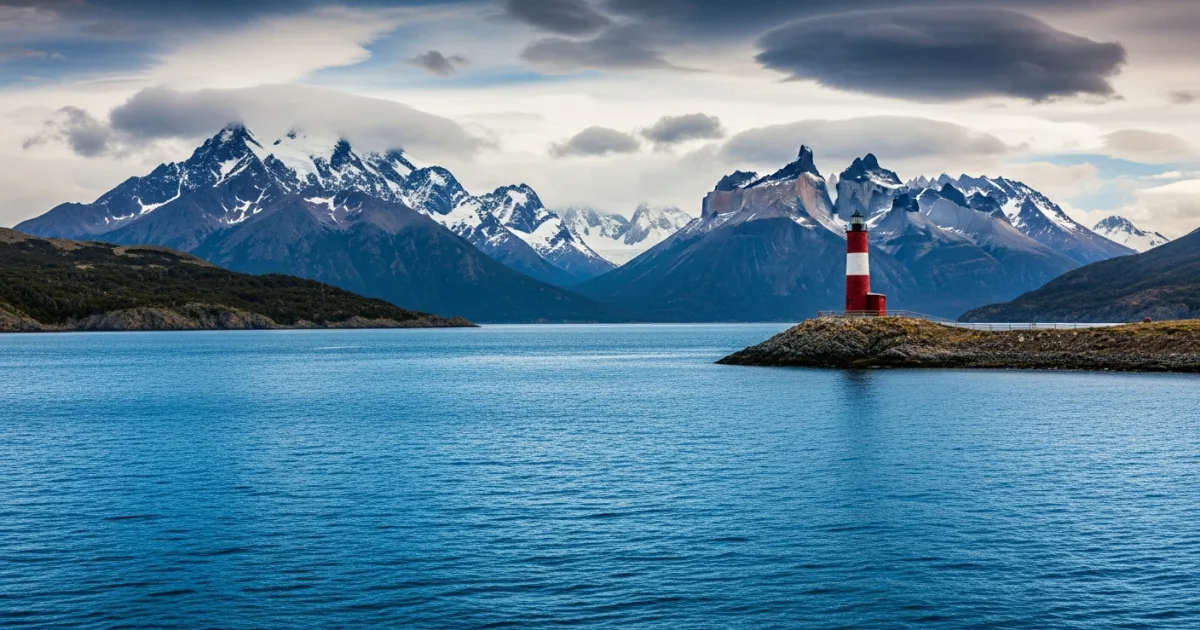
- Cruise the historic Beagle Channel to see the Les Eclaireurs Lighthouse, sea lions, and cormorants.
- Walk among Magellanic and Gentoo penguins on Isla Martillo.
- Hike the pristine trails of Tierra del Fuego National Park, where the Pan-American Highway ends.
- Experience world-class trout fishing in the rivers near Rio Grande.
- Enjoy exceptional regional gastronomy, including fresh King Crab and Patagonian lamb.
Things to Avoid
- Avoid underestimating the weather; it can snow, rain, and be sunny all in one day, even in summer.
- Do not rely solely on the official exchange rate; research the 'Blue Dollar' or MEP rate to avoid overpaying.
- Avoid booking Antarctica cruises at the last minute unless you have highly flexible travel dates and a large budget.
- Do not hike unmarked trails; the peat bogs (turbales) can be deep and dangerous.
- Avoid touching or feeding any wildlife, especially penguins and foxes.
Local Transportation Tips
In Ushuaia, the city center is highly walkable, though steep. Taxis and remises (private hire cars) are readily available and relatively inexpensive for short trips. To reach trailheads like Tierra del Fuego National Park or Laguna Esmeralda, regular shuttle minibuses (colectivos) depart from the main bus terminal near the port. Renting a car is an excellent option for exploring the province at your own pace, especially for driving Route 3 to Tolhuin and Rio Grande, but ensure you are comfortable driving on gravel roads and in potentially icy conditions.
Travel Etiquette
- Greet locals with a friendly 'Hola' or 'Buen día'. A single kiss on the right cheek is the standard greeting among Argentines, even upon first meeting.
- Respect the fragile ecosystem; always pack out your trash and stay on marked trails.
- Tipping around 10% in restaurants is customary and appreciated, usually left in cash.
- When drinking mate (a traditional herbal infusion) with locals, do not stir the metal straw (bombilla) and say 'gracias' only when you do not want any more.
Recommended Age Group
Tierra del Fuego offers diverse experiences, but its rugged terrain and extreme weather make it more suitable for certain age groups.
- Babies (0-2 years): Neutral. The cold, unpredictable weather and long transit times can be challenging for infants, though the main city of Ushuaia has modern amenities.
- Kids (3-12 years): Recommended. Children will be thrilled by the End of the World Train, boat tours to see sea lions, and walking with penguins on Isla Martillo.
- Teens (13-19 years): Recommended. An excellent destination for active teens, offering hiking, skiing at Cerro Castor, and kayaking in pristine lakes.
- Adults (20-64 years): Recommended. Perfect for adventure seekers, nature lovers, and foodies looking to explore rugged trails and enjoy Patagonian cuisine.
- Seniors (65+ years): Recommended. Many of the region's highlights, such as Beagle Channel cruises, scenic drives, and the National Park, are highly accessible and require minimal physical exertion.
Accessibility Level: Medium
- The main tourist areas in Ushuaia, including the port and major museums, have ramps and are generally wheelchair accessible.
- Catamarans navigating the Beagle Channel are equipped to accommodate passengers with limited mobility.
- Tierra del Fuego National Park offers several flat, well-maintained boardwalks and viewpoints that are accessible to wheelchair users.
- The End of the World Train has designated carriages with ramps for wheelchair access.
- However, many hiking trails, such as Laguna Esmeralda or Glacier Martial, are rugged, steep, and not suitable for those with mobility issues.
Did You Know?
Tierra del Fuego translates to 'Land of Fire'. The name was given by the Portuguese explorer Ferdinand Magellan in 1520. As he sailed through the strait that now bears his name, he saw hundreds of fires dotting the coastline. These fires were kept constantly burning by the native Yaghan people to stay warm in the freezing climate, as they wore very little clothing despite the harsh conditions.
Cool Statistics
- Ushuaia is located at a latitude of 54°48' S, making it the southernmost city in the world.
- Tierra del Fuego National Park covers 63,000 hectares, but only 2,000 hectares are open to the public to protect the ecosystem.
- The province is the closest landmass to the Antarctic Peninsula, located just 1,000 kilometers (620 miles) away.
- Route 3 ends in Tierra del Fuego National Park, marking the terminus of the Pan-American Highway, 17,848 kilometers from Alaska.







Buy a compatible power adapter for your trip