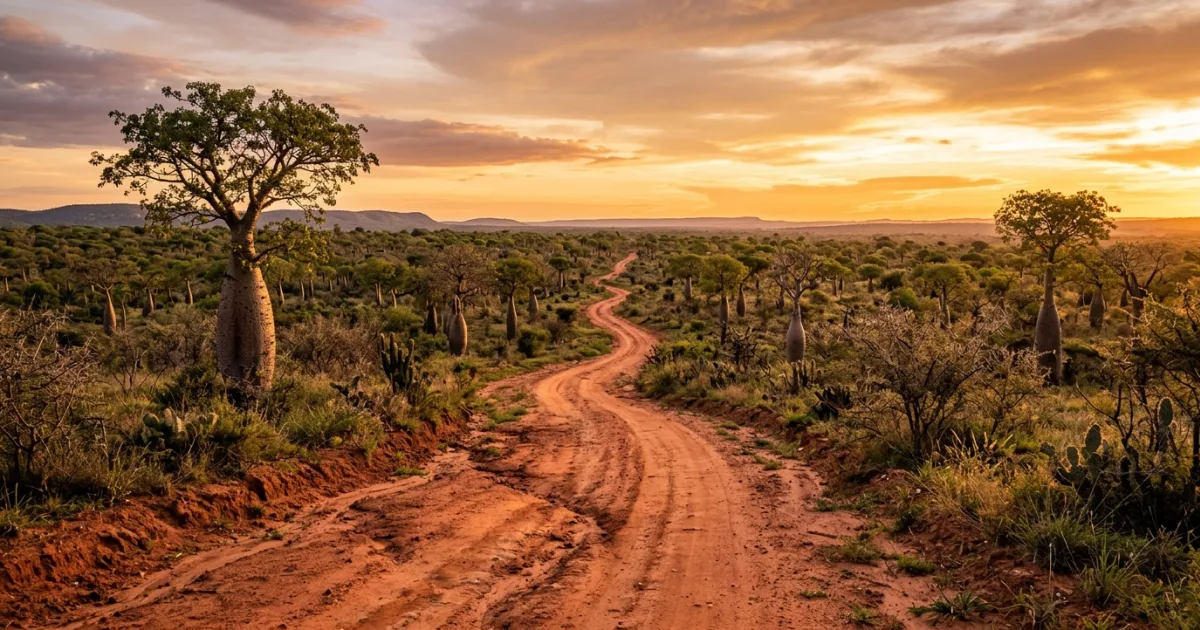
Boquerón Department forms the geographical core of the Paraguayan Gran Chaco, a territory historically characterized by untamable scrub wilderness, dramatic thorn trees, and scarce surface water. Despite these formidable conditions, the department developed into an astonishing center of cooperative agriculture after Mennonite refugees from Russia settled here starting in 1927. Today, modern industrial dairies and ranches operate alongside traditional Indigenous territories and protected national biodiversity reserves.
History enthusiasts will find Boquerón deeply evocative, as it served as the principal battle theater during the Chaco War (1932–1935) between Paraguay and Bolivia. Restored historical fortresses, trenches, and memorial graveyards punctuate the brushwood landscape. Beyond history, the department represents a world-class frontier for ecotourism, offering exceptional opportunities to view endangered mammals, such as the Chacoan peccary (taguá), giant anteater, and puma, beneath skies that rank among the darkest on Earth.
Reasons to Visit
- Immerse yourself in dark-sky astrotourism with zero artificial light pollution over the pristine Gran Chaco wilderness.
- Explore historic Chaco War sites such as Fortín Boquerón and Fortín Toledo, complete with preserved battlefield trenches and interpretive museums.
- Encounter rare South American wildlife, including the endangered Chacoan peccary, tapir, jaguar, and over 300 bird species.
- Experience the unique cultural crossroads of German-speaking Mennonite communities living alongside Nivaclé, Enlhet, and Guaraní Indigenous cultures.
- Marvel at remarkable botanical wonders, such as the swollen, water-storing Samuhú (palo borracho) bottle trees.
Things to Avoid
- Avoid driving onto unpaved dirt tracks after or during rain; Chaco soil quickly becomes impassable slick mud that can strand vehicles for days.
- Do not travel into remote wilderness zones without registering your route with local authorities or park rangers in Filadelfia.
- Avoid touching or approaching wildlife and keep your boots shaken out and inspected for scorpions and spiders in camp.
- Do not expect public transit to reach conservation areas or historical forts; organized self-drive or hired guides are mandatory.
- Avoid planning strenuous outdoor expeditions between December and March due to hazardous, dehydrating heat waves.
Local Transportation Tips
Long-distance intercity buses operate along the paved Route PY09 (Transchaco Highway), linking Asunción directly with Filadelfia, Loma Plata, and Neuland. However, public transport ceases entirely beyond the central towns. To visit nature reserves, ranches, and historical battlefields, travelers must rent a high-clearance 4WD vehicle in Asunción or hire an experienced private driver-guide locally. Always travel equipped with spare tires, an air compressor, and excess fuel cans.
Travel Etiquette
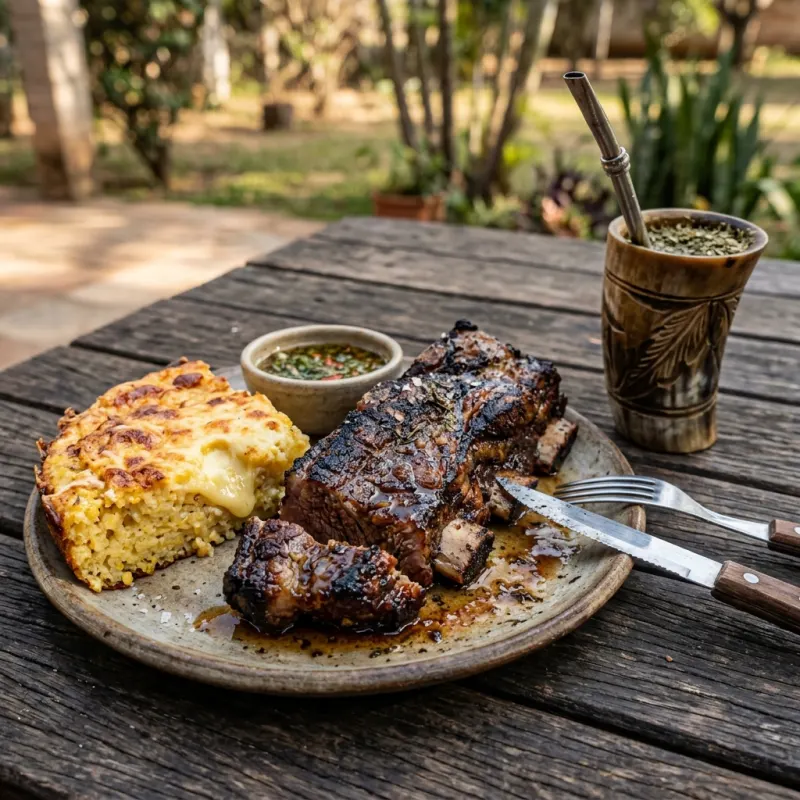
- Accepting an offer of Tereré is a sign of friendship and respect; always return the guampa to the server (cebador) without moving or touching the metal straw (bombilla).
- Dress modestly and respectfully when visiting rural Mennonite churches, schools, and civic centers.
- Always ask permission before photographing residents in Indigenous communities or traditional Mennonite villages.
- Greet people warmly with a handshake and polite Spanish or German salutation before initiating commerce or asking for directions.
Recommended Age Group
Traveling across Boquerón Department requires enduring long driving distances, extreme temperatures, and remote wilderness conditions.
- Babies (0-2 years): Not Recommended. Extreme daytime heat, high insect presence, rough dirt tracks, and considerable distances to pediatric medical facilities make travel unsuitable for infants.
- Kids (3-12 years): Neutral. While older children may enjoy seeing unusual wildlife and open ranches, the intense heat, long vehicle journeys, and lack of child-centric amenities present real challenges.
- Teens (13-19 years): Recommended. Adventurous teenagers interested in history, off-road expeditions, wildlife tracking, and stargazing will find the Chaco a thrilling adventure.
- Adults (20-64 years): Recommended. Perfect for overlanders, nature lovers, photographers, birdwatchers, and history buffs seeking raw, off-the-beaten-track travel.
- Seniors (65+ years): Neutral. Seniors in good physical health who appreciate comfort-focused historical itineraries in Filadelfia will enjoy the trip, but rough backcountry roads can be physically taxing.
Accessibility Level: Medium
- Main municipal buildings, modern supermarkets, and cooperative hotels in Filadelfia and Loma Plata feature flat, accessible single-story layouts.
- Paved pathways are limited outside the central avenues of the main colonies; natural terrain consists primarily of deep sand, dust, or rutted clay.
- National parks and historical fortines lack wheelchair ramps, paved boardwalks, and accessible restroom facilities.
- High-clearance overland vehicles required for touring are generally difficult to board for travelers with severe mobility limitations.
Did You Know?
The Chacoan peccary, locally known as the Taguá, was believed to have gone extinct during the Pleistocene era and was known only from fossil records until scientists discovered living herds roaming the dense thorn forests of Boquerón in 1971.
Cool Statistics
- Boquerón covers roughly 91,669 square kilometers, making it the largest department in Paraguay by land area.
- The department houses over 60% of Paraguay's total dairy and high-grade beef production despite having a very low human population density.
- Defensores del Chaco National Park spans 720,000 hectares, serving as one of the largest protected wilderness tracts in South America.






Buy a compatible power adapter for your trip