Disclosure: This site contains affiliate links. We may earn a commission if you make a purchase, at no extra cost to you.

>
>
>
Lima Region, Peru

Lima Region, Peru

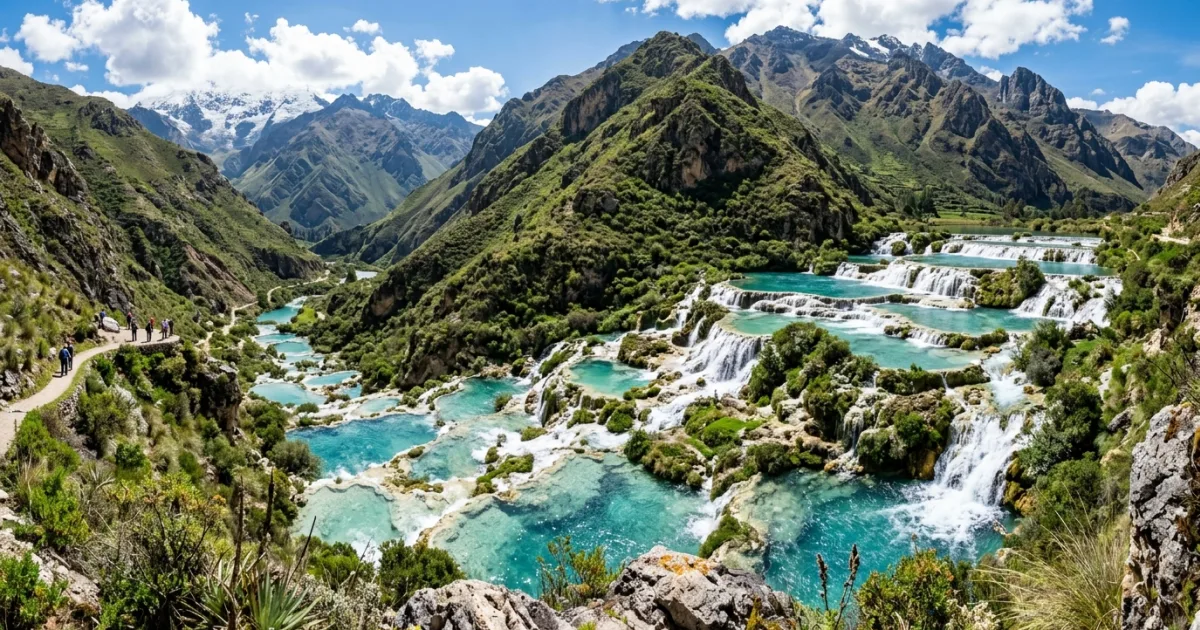
Turquoise river cascades and lush green terraces in Nor Yauyos Cochas, Lima Region, Peru

Lima Region, Peru Overview & Key Highlights

The Lima Region offers an extraordinary journey through millennia of Andean human history and sharply contrasting geographical zones. Travelers venturing outside the urban core encounter archaeological treasures such as the 5,000-year-old pyramids of Caral-Supe to the north and the expansive coastal sanctuary of Pachacamac to the south. Moving inland along deep river canyons like the Cañete and Rímac valleys leads to tranquil wine-growing towns, thermal hot springs in Churín, and the striking terraced turquoise lagoons of the Nor Yauyos Cochas Landscape Reserve. Outdoor enthusiasts gravitate toward Lunahuaná for Class III and IV whitewater rafting and canopy zip-lining, while high-altitude trekkers test their endurance on the windswept granite plateau of Marcahuasi. Along the desert coastline, coastal wetlands and seasonal mist-fed ecosystems known as lomas bloom with vibrant flora during the austral winter. Gastronomy remains an anchoring highlight across every province, characterized by coastal seafood preparations, wood-fired river trout, and traditional Afro-Peruvian clay-pot stews.

Lima Region, Peru Travel Guide: Logistics & In-Depth Tips

The Lima Region encompasses an astonishing geographical transect that starts at the Pacific Ocean and ascends through arid foothills into snow-dusted Andean passes reaching over 4,500 meters. Often bypassed by travelers who rush straight from the international airport to Cusco or Arequipa, this region safeguards some of South America's most significant cultural origins. The Sacred City of Caral, thriving circa 3000 BCE concurrently with the Egyptian pyramids, anchors the northern coastal desert with its sophisticated monumental platform mounds and sunken circular plazas.

Inland, glacial meltwaters carve deep river valleys that nourish lush orchards, artisanal vineyards, and adventure hubs. Lunahuaná, nestled along the Cañete River, has earned fame for white-water rafting, canopy ziplines, and historic Pisco bodegas. Farther up into the Andes, the Nor Yauyos Cochas Landscape Reserve reveals tiered turquoise cascades tumbling through emerald limestone canyons, providing a tranquil counterpoint to the busy coastal lowlands.

Reasons to Visit

  • Sacred City of Caral: Explore the 5,000-year-old cradle of civilization in the Americas, featuring monumental pyramids and ceremonial plazas.
  • Whitewater Adventure in Lunahuaná: Experience Class III and IV rapids along the Cañete River paired with local pisco tasting tours.
  • Nor Yauyos Cochas Cascades: Discover crystalline turquoise river waterfalls and pre-Inca terracing in an unspoiled highland reserve.
  • Marcahuasi Stone Forest: Hike to a 4,000-meter plateau renowned for colossal natural granite formations resembling human faces and animals.
  • Authentic Countryside Gastronomy: Savor traditional delicacies such as crispy chancho al palo, river shrimp chupe, and carapulcra stew.

Things to Avoid

  • Avoid venturing into remote highland passes during the peak rainy season (January to March) without verifying road stability against landslides.
  • Do not accept unofficial transport rides from unmarked sedans outside provincial bus depots; use licensed taxi stations or registered colectivos.
  • Avoid planning single-day round trips to distant sites like Caral or Nor Yauyos without accounting for heavy highway congestion returning to Lima.
  • Do not drink unboiled tap water anywhere in the regional provinces; opt exclusively for bottled or filtered water.

Local Transportation Tips

Transit throughout the Lima Region relies on a network of long-distance buses, regional combis, and shared colectivos. Major bus operators depart from central terminals such as Gran Terminal Terrestre Plaza Norte and Terminal Atocongo, linking coastal hubs like Huacho, Cañete, and Barranca. To access higher Andean villages like Huancaya or San Pedro de Casta, shared minivan services operate from regional provincial hubs. Renting a rugged high-clearance SUV provides optimal flexibility for visiting remote nature reserves, though mountain driving requires vigilance due to sharp switchbacks and narrow lanes.

Travel Etiquette

  • Always greet shopkeepers, drivers, and lodge owners with a polite 'Buenos días' or 'Buenas tardes' before requesting information.
  • Ask for permission prior to photographing local rural residents, especially indigenous elders and market vendors.
  • Dress modestly and respectfully when visiting rural village chapels and active community shrines.
  • Do not climb on fragile pre-Columbian adobe walls or stone foundations at Caral and local huacas.

Recommended Age Group

The Lima Region features diverse micro-destinations suitable for multiple traveler profiles, though remote wilderness reaches favor independent and active visitors.

  • Babies (0-2 years): Not Recommended. Rugged road journeys, variable medical infrastructure in rural sectors, and extreme altitude changes present unnecessary complications for infants.
  • Kids (3-12 years): Neutral. Valley resorts in Lunahuaná and coastal nature walks in Lachay are family-friendly, but extended bumpy transit to high mountain plateaus can prove taxing.
  • Teens (13-19 years): Recommended. Thrilling active pursuits such as river rafting, canopy ziplines, and trekking ancient ruins provide excellent engagement for teenagers.
  • Adults (20-64 years): Recommended. Perfect balance of premier archaeological expeditions, adventurous hikes, wine and pisco trails, and celebrated regional cuisine.
  • Seniors (65+ years): Neutral. Coastal archaeological visits and tranquil valley farmsteads are delightful, but high-altitude regions require medical clearance and caution regarding uneven terrain.

Accessibility Level: Medium

  • Major museum complexes like the Caral on-site interpretive center provide rudimentary ground-level pathways, though natural desert gravel makes self-propelled wheelchair transit challenging.
  • Modern interprovincial motorcoaches traveling major highways accommodate folding wheelchairs in luggage compartments, but regional colectivos lack accessibility equipment.
  • Highland adventure trails, suspension bridges, and stone stairways in Marcahuasi and Nor Yauyos Cochas have zero barrier-free infrastructure.
  • Valley retreat hotels in Lunahuaná often feature ground-floor bungalows, though advance confirmation regarding step-free access is recommended.

Did You Know?

Caral-Supe was constructed without military fortifications or weapons of war, leading archaeologists to deduce that it was a peaceful society built primarily around trade, agriculture, and music, evidenced by thirty-two flutes carved from pelican and condor bones found on site.

Cool Statistics

  • 5,000+ Years: Age of the Sacred City of Caral, making it the oldest known urban civilization in the Americas.
  • 4,000 Meters: Average elevation of the Marcahuasi plateau, renowned for its enigmatic granodiorite rock formations.
  • 221,000 Hectares: Total protected area preserved inside the Nor Yauyos Cochas Landscape Reserve.

Address:

Lima Region, Peru

Find Nearby Accommodations

Basic Info

address icon

COUNTRY & Region

Peru,
South America

ACCESSIBILITY LEVEL​

Medium
Currency icon

LOCAL CURRENCY​

Peruvian Sol (PEN)
Price level icon
Medium
Safety Level icon

SAFETY LEVEL

Duration icon

Recommended Duration

• 1-7 days
• More than a week

Electricity

electricity icon

Electricity

220-240V, 
60Hz
Plug Socket icon

Plug Type

• Type A (Flat blade)
• Type B (Flat blade with grounding pin)
• Type C (Round pin)
Plug types
Click To View Plug Types
Lima Region, Peru is part of our
Micro Adventures collection

Activities To Do In Lima Region, Peru

Best Time To Visit Lima Region, Peru

Travel timing in the Lima Region depends strongly on whether you prioritize the coastal desert or the Andean highlands:

  • May to October (Dry Andean Season & Coastal Cool): Ideal for high-altitude trekking in Marcahuasi and Nor Yauyos Cochas, offering clear blue skies in the mountains. The coast experiences cool temperatures and persistent sea fog ('garúa').
  • December to April (Highland Rains & Coastal Summer): Perfect for coastal beach escapes, river rafting in Lunahuaná due to elevated water levels, and exploring sunny valleys, though mountain roads can experience mudslides (huaycos).
  • July to September (Lomas Season): The coastal hills of Lachay bloom intensely into lush green meadows fed by dense ocean mists.

Average Temperatures Per Month

Remember to check the weather forecast a few days before the trip and before heading to the airport.

Safety Level icon

Safety Level

Exercise situational awareness in regional bus terminals and transit nodes. In mountain areas like Marcahuasi (4,000+ meters), acclimatize properly to prevent acute mountain sickness and always hire registered local community guides for high trails. Avoid driving coastal highways at night due to aggressive freight traffic and unlit rural road segments.

The rating is based on multi-year peace, crime, and security indices. Before you go, always verify current conditions through official government travel advisories.

Emergency Numbers

Police: 105
Ambulance: 116

No internet needed • Includes local translations • Free for TravelingWiz readers

Spoken Languages

Spanish (official and predominant), Quechua (in highland provinces)

Learn The Language

  • Buenos días – Good morning
  • Por favor – Please
  • Muchas gracias – Thank you very much
  • ¿Cuánto cuesta el pasaje? – How much is the fare?
  • ¿Dónde está la estación? – Where is the station?
  • La cuenta, por favor – The bill, please
  • ¿Tiene cambio? – Do you have change?
  • Ayuda, por favor – Help, please
Travel Booking Partner - TravelingWiz

Trip Cost & Budgeting for Lima Region, Peru, 2026

Everything you need to know about money while traveling
Is Lima Region, Peru expensive for tourists in 2026? Generally, Lima is considered a moderately priced destination. Expect to pay around S/.11 for a cappuccino, S/.10 for a domestic beer, and S/.50 for a mid-range restaurant meal. With our Human Verified prices, budgeting for your trip is straightforward and reliable. Use the data table below to calculate your specific daily budget based on your travel style.
Currency icon

LOCAL CURRENCY​:

Peruvian Sol (PEN)
Price level icon
Medium
Major hotels and restaurants accept cards, but cash is necessary for local taxis, markets, and street vendors.

Per person, per day – pocket cash for small purchases.

Local: 25
Peruvian Sol (PEN)
≈ 7 USD

Full daily spend estimation (accommodation, food, transportation, attractions).

Travel Style
Peruvian Sol (PEN)
≈ USD ($)
Budget
145
43
Mid-range
260
76
Comfort
570
167

The Prices, Daily costs, and calculator results are estimates for planning purposes only. Actual costs may vary based on season, booking timing, personal spending habits, and currency fluctuations. TravelingWiz cannot be held responsible for discrepancies between these estimates and your final trip expenses.

  • • Opt for lunch menú del día specials at local eateries for a full budget-friendly meal.
  • • Use ride-hailing apps like Uber or Cabify instead of unmetered street taxis for fair prices.
  • • Ride the Metropolitano bus network to navigate major districts efficiently.
  • • Buy artisan souvenirs at Mercado Indio rather than boutique shops in Miraflores.

Pre-Order Tickets

Avoid disappointment when tickets sell out — and skip the long lines by booking online in advance. You’ll often save up to 20% too.
Save up to 20%

Travel Discounts & Coupons

Save on hotels, attractions, transport, and gear — find verified discounts for smarter travel spending.
Verified Coupons

What To Pack

  • Layered breathable clothing for fluctuating coastal humidity and chilly Andean altitudes
  • Sturdy hiking boots with deep tread for rocky trails in Marcahuasi and Nor Yauyos Cochas
  • UPF 50+ sun protection, including broad-brimmed hat, polarized sunglasses, and reef-safe sunscreen
  • Windbreaker and waterproof rain shell for unpredictable mountain weather
  • Altitude sickness remedy (soroche pills, coca leaf products, or acetazolamide)
  • Universal electrical plug adapter suitable for Peru's dual Type A/C outlets
  • Dry bag and quick-drying water shoes for Lunahuaná rafting excursions
  • Compact cash wallet with small-denomination Peruvian Soles for rural markets and toll booths
We couldn't find tips for Lima Region, Peru.
If you got any, please share

Recommended Itineraries for Traveling to Lima Region, Peru

We couldn't find itineraries for Lima Region, Peru.
you can contact us for custom trip plan

Food & Drink Highlights

Local Food Overview

Gastronomy throughout the Lima Region reflects a collision of coastal maritime harvests, fertile river valley produce, and high-altitude Andean staples. The fertile valleys of Cañete and Huaral are celebrated for wood-fired suckling pig (chancho al palo) and rich Afro-Peruvian stews. Highland rivers supply pristine rainbow trout, typically fried or pan-seared with native potatoes, while coastal towns offer lime-cured ceviches accompanied by glazed sweet potato and giant Andean corn kernels (choclo). The Lunahuaná valley is equally famous for its artisanal pisco distilleries and locally made dry wines.
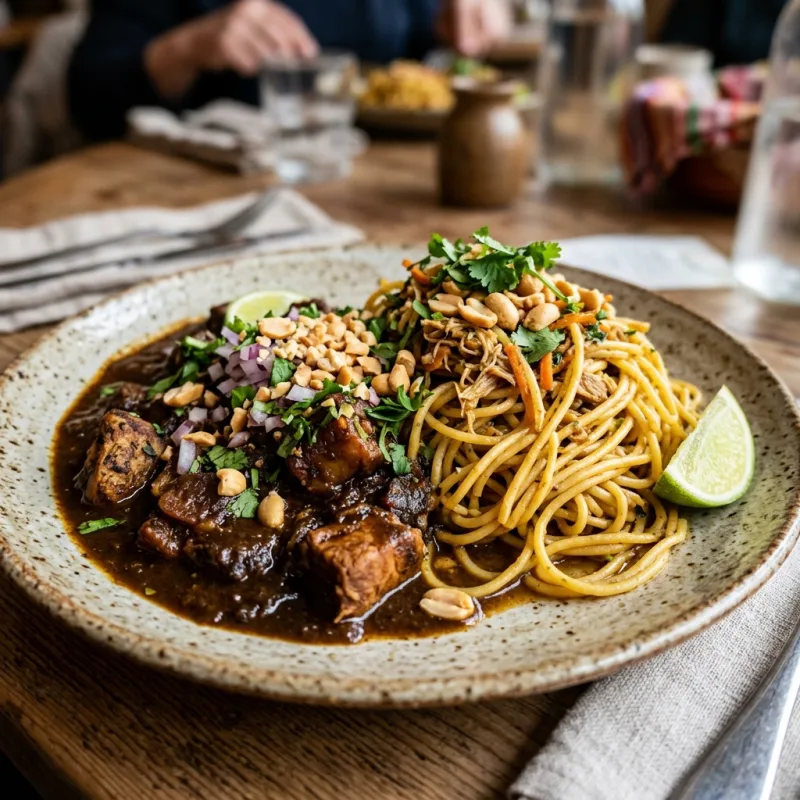
Authentic Carapulcra con Sopa Seca served in a traditional clay dish

Must Try Dish

Carapulcra con Sopa Seca - A heritage dual-dish originating in the coastal valleys of Lima, combining a slow-simmered stew of sun-dried potatoes, pork, and roasted peanuts with aromatic, spiced basil-and-achiote noodles.
Food Experiences Title Icon

Food
Experiences

Discover cooking classes, tastings and local food tours

No food experience found
Maya, the human travel expert at TravelingWiz, offering curated, non-AI expertise

Maya’s Final Checklist for Lima Region, Peru

Logistics shouldn’t be the focus of your trip—the experience should. I’ve hand-vetted these essential partners to ensure your arrival, stay, and exploration are as smooth as an Athenian breeze.

Where to Stay

From boutique hotels to local apartments—compare thousands of options and find the perfect stay in the best neighborhood.

Air Travel

Getting there should be seamless. Compare the best routes and prices across top airlines to start your journey on the right note.

Local Guides

Connect with experts who know the destination best. Get personalized advice and insider tips to help you plan your perfect trip.

Travel Protection

The “Engineer’s” rule: always have a backup. Secure your trip with a plan that covers every “what if” and unexpected change.

Car Rentals

Explore at your own pace with total freedom. Compare reliable rental options and find the right vehicle for your adventure.

Visa Services

Don’t let paperwork slow you down. Get expert assistance with your application to ensure all your entry documents are in order.

FAQs

The Lima Metropolitan Province operates independently as the nation’s capital city, while the Lima Region (Gobierno Regional de Lima) governs the surrounding nine provinces, comprising expansive valleys, mountain ranges, and coastal nature reserves.
Caral is located roughly 182 kilometers north of Lima. You can take an interprovincial bus north along the Pan-American Highway to Barranca or Supe, then hire an authorized taxi or colectivo van inland to the archaeological site.
Yes, if you travel into the Andean provinces. Destinations like Marcahuasi (4,000 meters) and Nor Yauyos Cochas (3,200 to 3,800 meters) require acclimatization, adequate hydration, and moderate initial physical activity.

Your Insights Matter

TravelingWiz grows through the stories of our community. If you’ve recently explored ,Lima Region, Peru share your tips and stories to help us perfect our guides for the next traveler.

Related Articles

Check out our related articles and blog posts to learn even more about the destination.

No related articles found

Don’t Travel Alone

Share with your friends and family

Where should we send your offline card?

We hate spam just as much as you do

newsletter_consent *