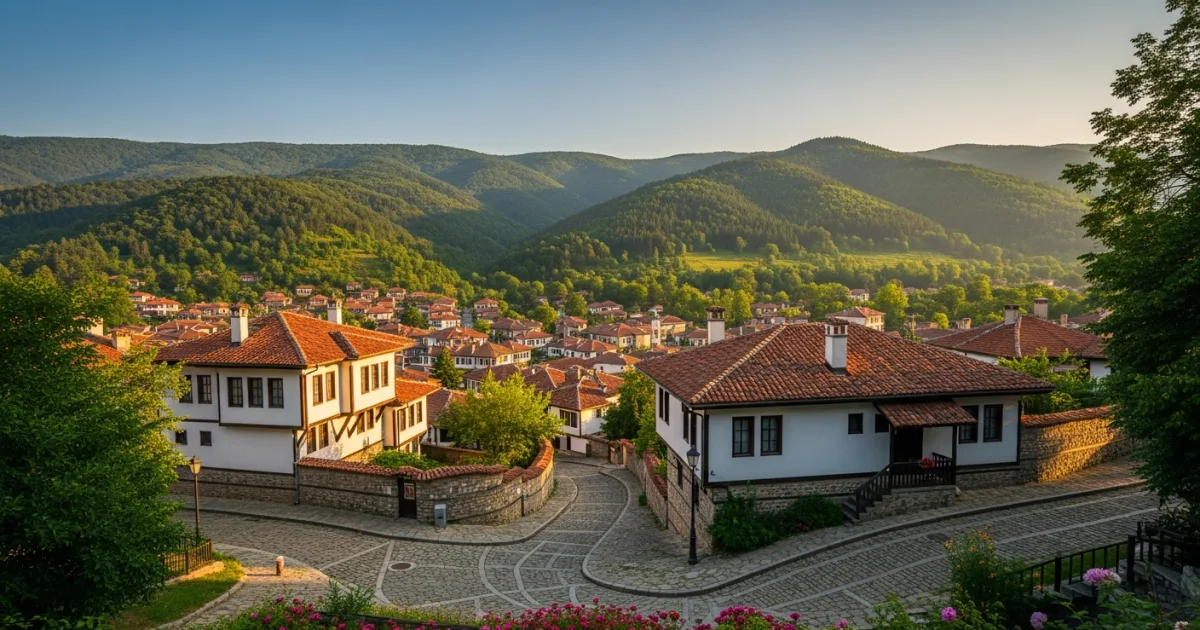
Kotel, a hidden gem nestled in the Eastern Balkan Mountains of Bulgaria's Sliven Province, offers a profound journey into the nation's rich history and vibrant culture. This picturesque town is a living museum, celebrated for its remarkably preserved 19th-century National Revival architecture, which tells tales of a pivotal era in Bulgarian history. As a birthplace of numerous prominent figures who shaped Bulgaria's independence and cultural identity, Kotel holds a special place in the hearts of Bulgarians and captivates visitors with its authentic charm. Beyond its historical significance, the town is renowned for its exquisite traditional carpet weaving, a craft passed down through generations, offering a tangible connection to its artistic heritage.
The allure of Kotel extends beyond its historical streets into the breathtaking natural landscapes that surround it. The Eastern Balkan Mountains provide a serene backdrop and an abundance of opportunities for outdoor enthusiasts. From tranquil hiking trails that wind through lush forests to prime birdwatching spots, the region is a haven for eco-tourism and those seeking a peaceful escape. The town's warm, welcoming hospitality, coupled with its delicious, hearty local cuisine, ensures that every visitor experiences a truly authentic and memorable Bulgarian adventure. Kotel is an ideal destination for travelers looking to combine cultural immersion with invigorating outdoor activities, all within a tranquil and inspiring setting.
Reasons to Visit
- Rich National Revival History: Explore well-preserved 19th-century architecture and museums dedicated to Bulgaria's cultural awakening.
- Authentic Local Crafts: Witness and acquire exquisite hand-woven Kotel carpets, a symbol of Bulgarian artistry.
- Stunning Natural Beauty: Enjoy the pristine landscapes of the Eastern Balkan Mountains, perfect for hiking and nature photography.
- Eco-Tourism Opportunities: Engage in birdwatching, trekking, and exploring untouched natural reserves.
- Traditional Bulgarian Cuisine: Savor hearty, locally sourced dishes in cozy, authentic mehanas.
- Peaceful & Relaxing Atmosphere: Escape the hustle and bustle of city life in a tranquil, charming mountain town.
- Warm Hospitality: Experience the genuine warmth and friendliness of the local community.
- Family-Friendly Environment: Safe and engaging activities for visitors of all ages.
Things to Avoid
- Disrespecting Local Customs: Be mindful of local traditions, especially when visiting religious sites or interacting with elders.
- Littering in Nature: Help preserve the pristine mountain environment by disposing of waste properly.
- Relying Solely on Credit Cards: Always carry some local currency (BGN), as many smaller establishments prefer or only accept cash.
- Underestimating Mountain Weather: Weather in the Balkans can change rapidly; always be prepared with appropriate clothing layers.
- Ignoring Local Advice: Locals often have the best insights on safe trails, good restaurants, and cultural nuances.
Local Transportation Tips
Getting around Kotel is primarily done on foot, as the town center and its main attractions are quite compact and easily walkable. Exploring the charming cobblestone streets and historical neighborhoods is best experienced by strolling. For venturing further into the surrounding mountains or to nearby villages, local buses operate from the central bus station, connecting Kotel with other towns in Sliven Province. Taxis are also available for more direct routes or for those preferring not to drive, though they should be arranged in advance for longer journeys. Renting a car offers the most flexibility for exploring the broader region at your own pace.
Travel Etiquette
- Greetings: A simple 'Zdraveyte' (Hello) goes a long way.
- Dress Modestly: When visiting churches or monasteries, dress respectfully, covering shoulders and knees.
- Table Manners: It's customary to wait for everyone to be served before starting to eat.
- Tipping: Tipping around 10% in restaurants is appreciated if service is good.
- Photography: Always ask for permission before taking photos of people, especially in rural areas.
- Head Nods: Be aware that in Bulgaria, a single nod up and down means 'no,' and a shake of the head from side to side means 'yes.' This can be confusing for foreigners.
Recommended Age Group
Kotel offers a diverse range of experiences that can appeal to nearly all age groups, blending historical exploration with natural beauty and cultural immersion.
- Babies (0-2 years): Neutral. While the town is safe and peaceful, specific amenities for babies might be limited. Stroller access can be challenging on cobblestone streets, but the fresh air and quiet environment are beneficial.
- Kids (3-12 years): Recommended. Kids can enjoy exploring the historical houses, the Natural History Museum, and the open spaces for play. The surrounding nature offers opportunities for gentle walks and picnics.
- Teens (13-19 years): Recommended. Teens interested in history, culture, and outdoor activities like hiking will find Kotel engaging. The unique architecture and local crafts offer interesting photographic opportunities.
- Adults (20-64 years): Recommended. Adults will appreciate the deep historical context, the traditional architecture, the local cuisine, and the extensive hiking and nature exploration options. It's ideal for cultural enthusiasts and nature lovers.
- Seniors (65+ years): Recommended. The calm pace of life, rich history, and beautiful scenery make Kotel a wonderful destination for seniors. While some walking surfaces might be uneven, the main attractions are accessible, and the cultural experiences are enriching.
Accessibility Level: Medium
- Mobility: Kotel's historical center features cobblestone streets and uneven pavements, which may pose challenges for wheelchair users or those with severe mobility impairments.
- Public Buildings: Many older buildings and museums may have stairs and lack ramps or elevators. Newer accommodations might offer better accessibility.
- Transportation: Public buses may not be fully accessible. Taxis can be an option, but confirm accessibility when booking.
- Natural Sites: Hiking trails in the Balkan Mountains vary in difficulty; some are gentle, while others are rugged and not suitable for limited mobility.
- Overall: Accessibility in Kotel is generally medium, requiring prior planning and inquiry for specific needs, especially for those with significant mobility challenges.
Did You Know?
Kotel is famously known as the 'Cradle of the Bulgarian National Revival' due to its significant role in the cultural and educational awakening of Bulgaria in the 18th and 19th centuries. It was the birthplace of many prominent figures, including revolutionary Georgi Rakovski and poet Atanas Uzunov. The town is also one of the few places where the ancient craft of hand-woven Kotel carpets, renowned for their intricate patterns and natural dyes, has been preserved and continues to thrive today.
Cool Statistics
- Population: Approximately 5,000 residents (as of recent estimates).
- Elevation: Situated at an average altitude of around 530 meters (1,740 feet) above sea level.
- Museums: Home to several significant museums, including the Museum of the National Revival and the Natural History Museum.
- Carpet Weaving: Kotel is one of Bulgaria's most important centers for traditional carpet and kilim weaving, with a history spanning centuries.
- Protected Area: The surrounding Kotel Balkan is part of a protected landscape, rich in biodiversity.






Buy a compatible power adapter for your trip