
>
>
Bulgaria
Bulgaria

intro

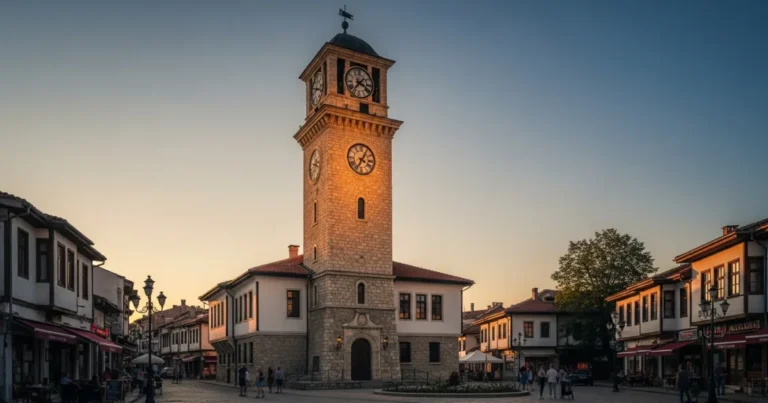
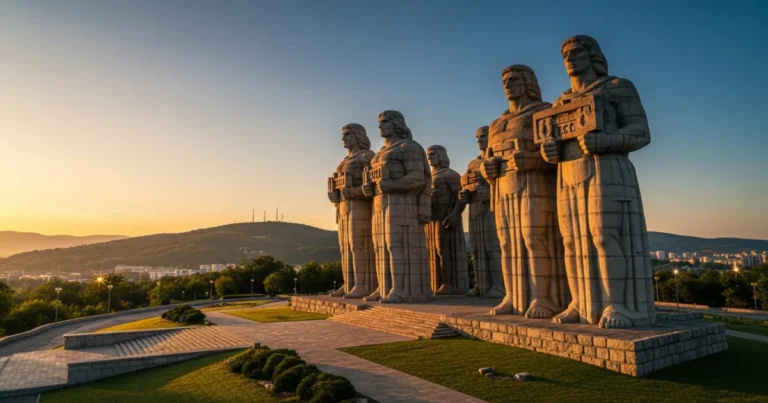
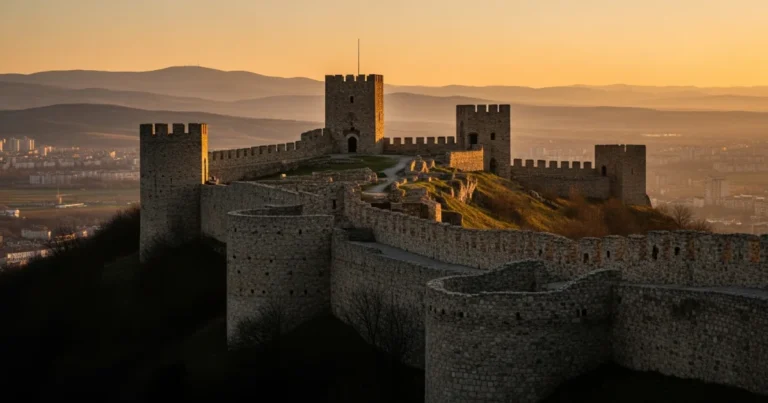
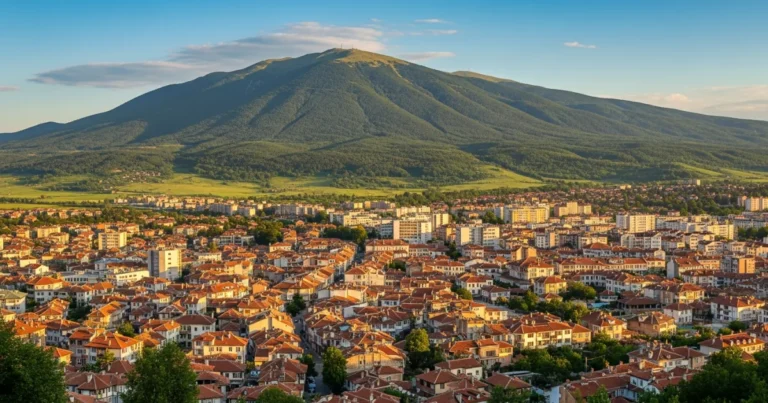
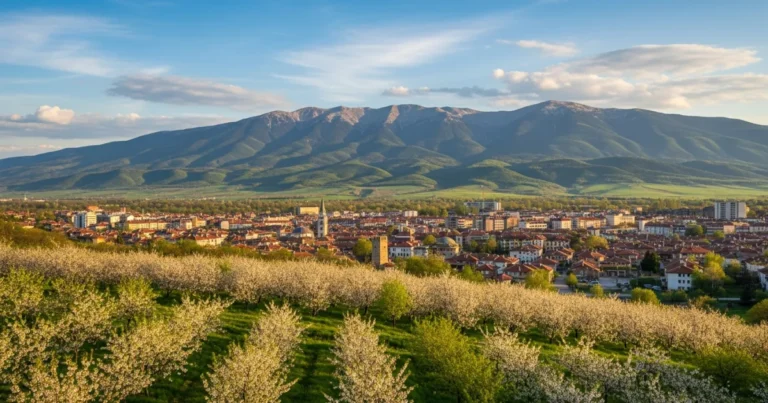
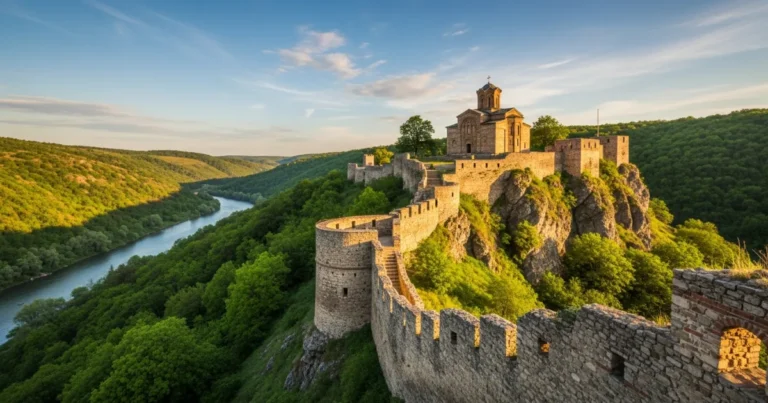
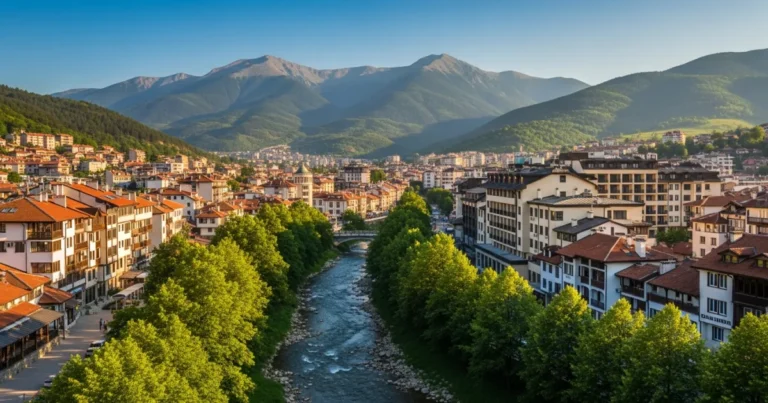
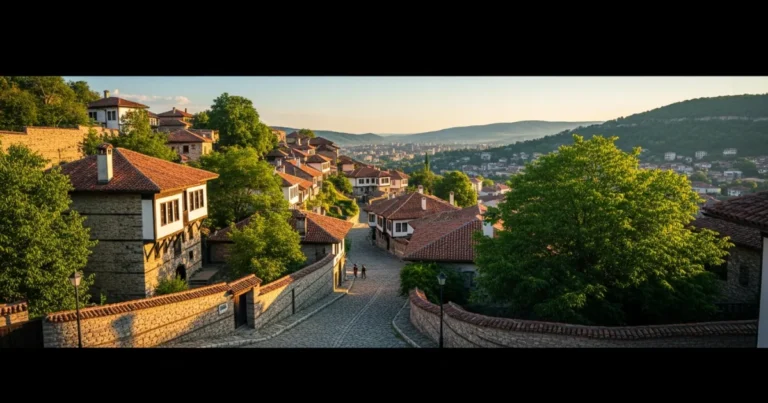
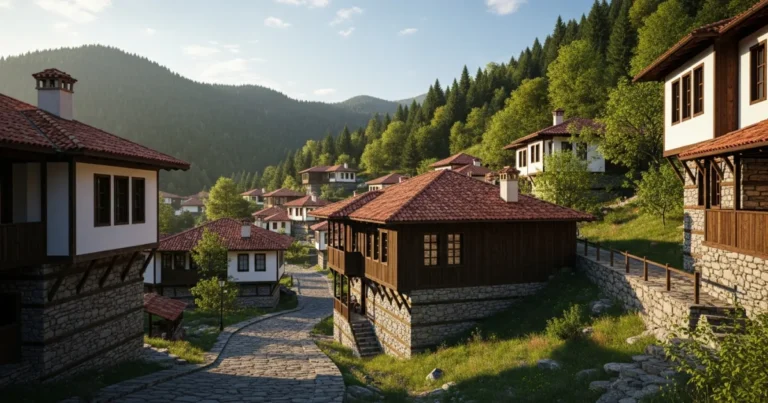
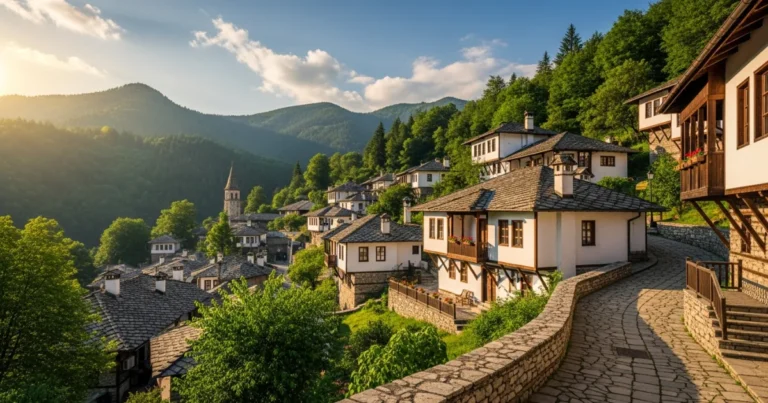
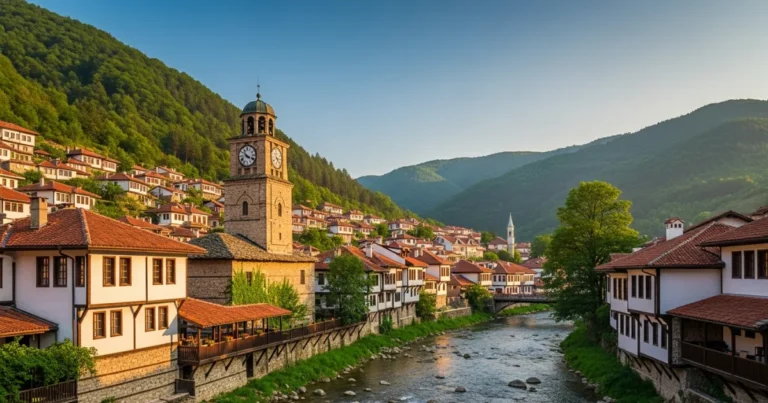
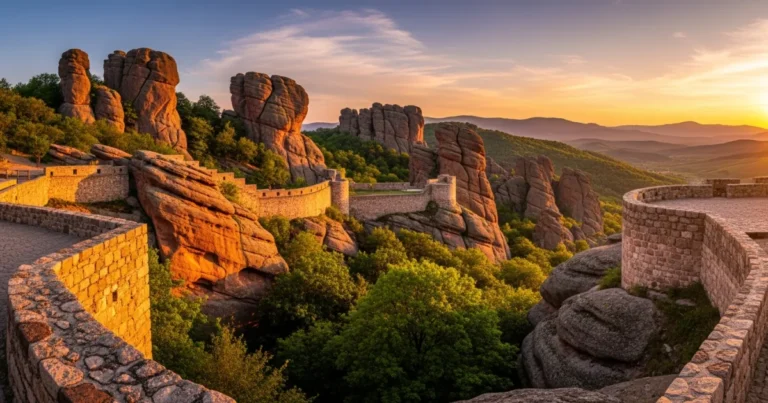
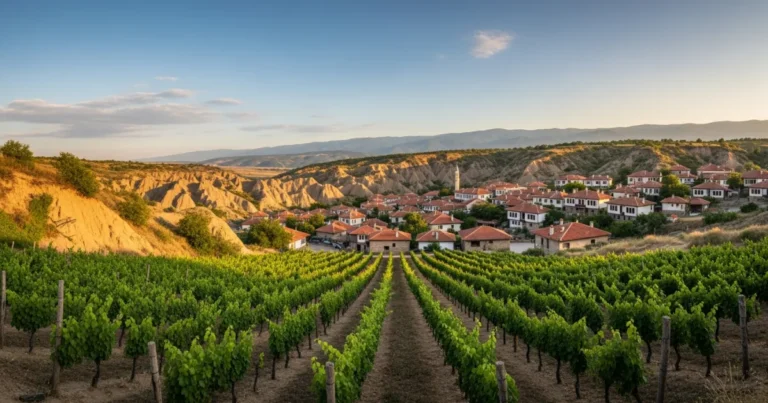
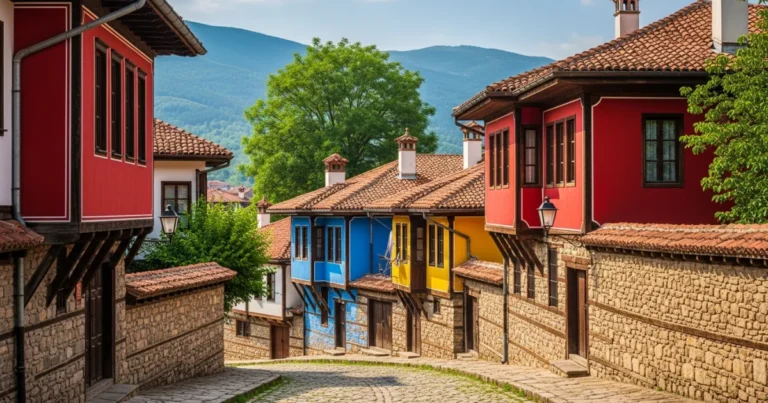
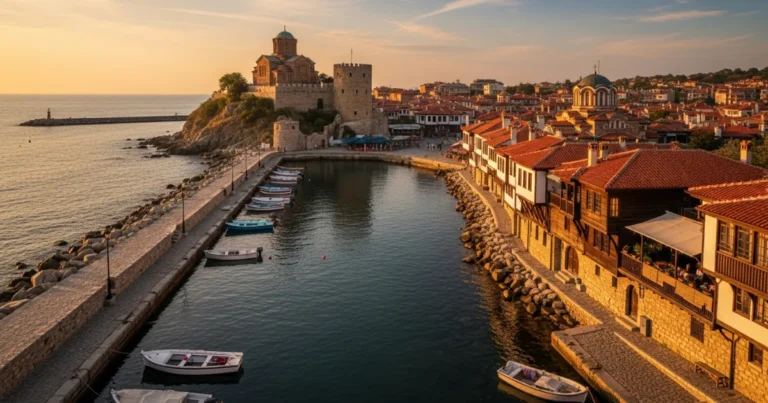
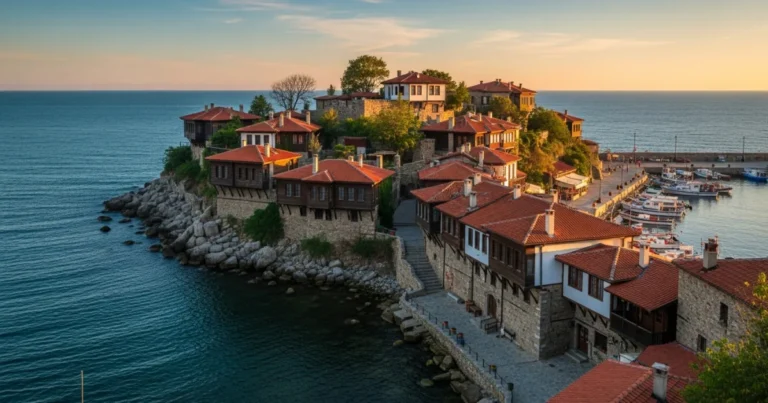
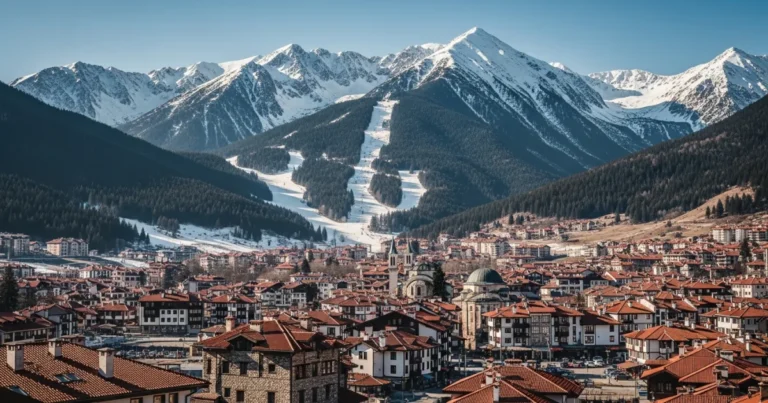
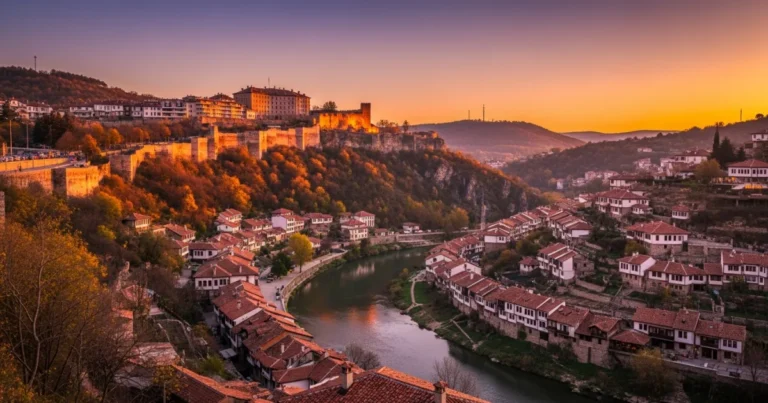
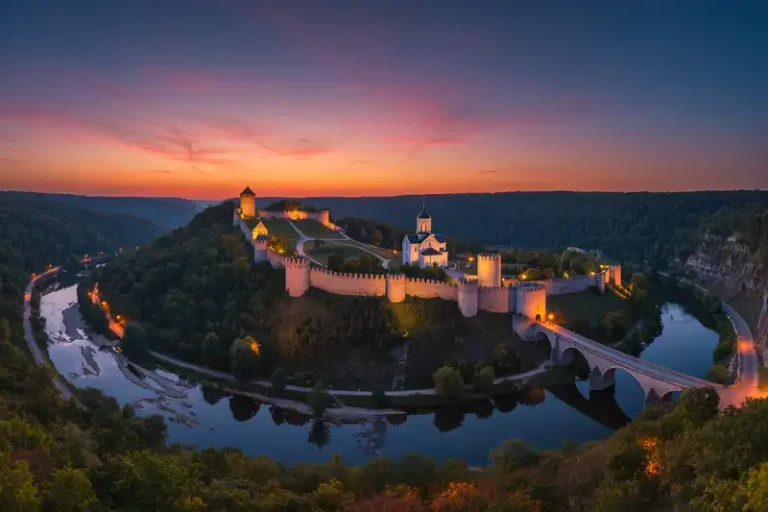
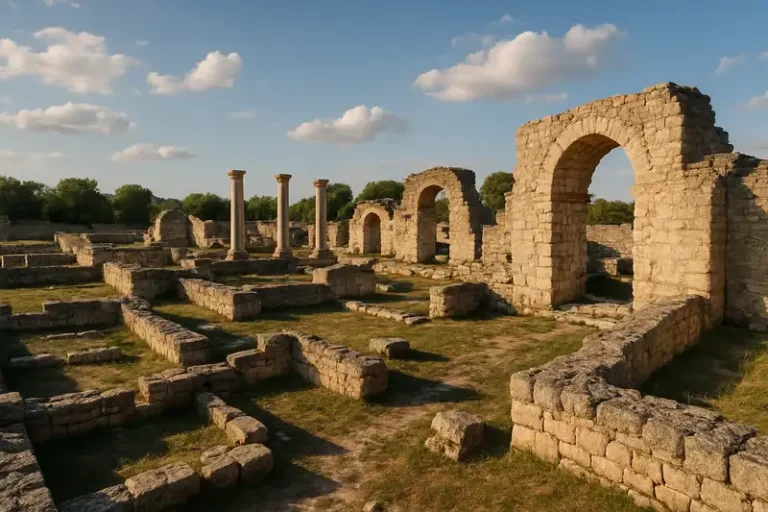
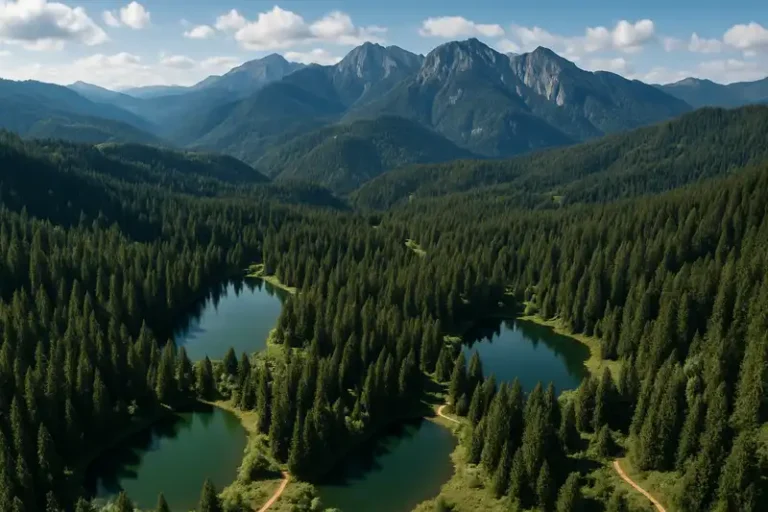
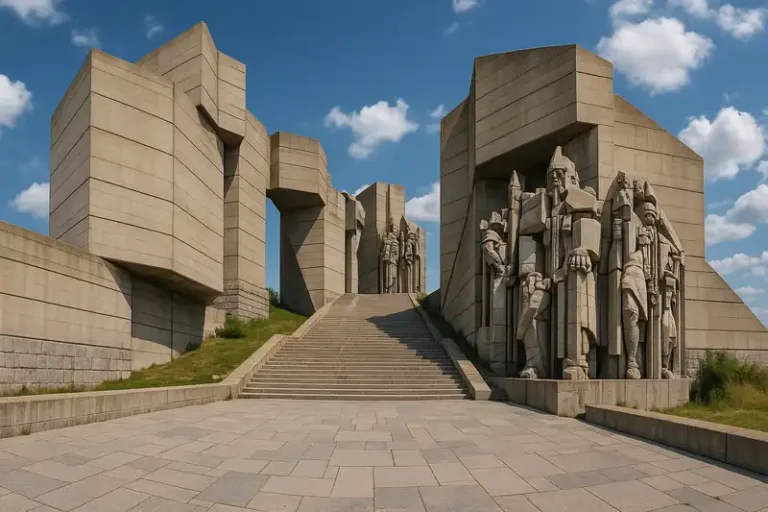
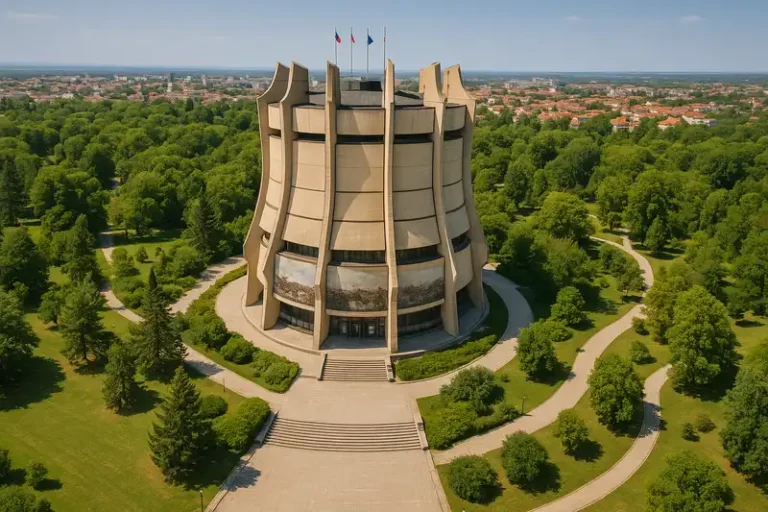
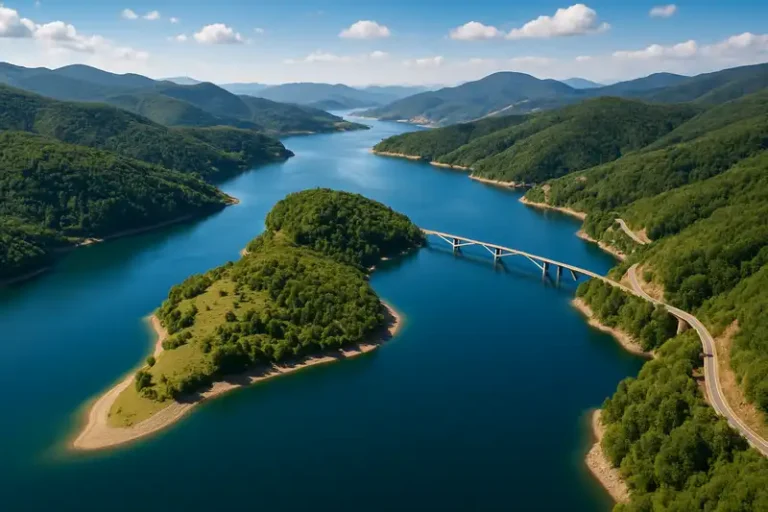
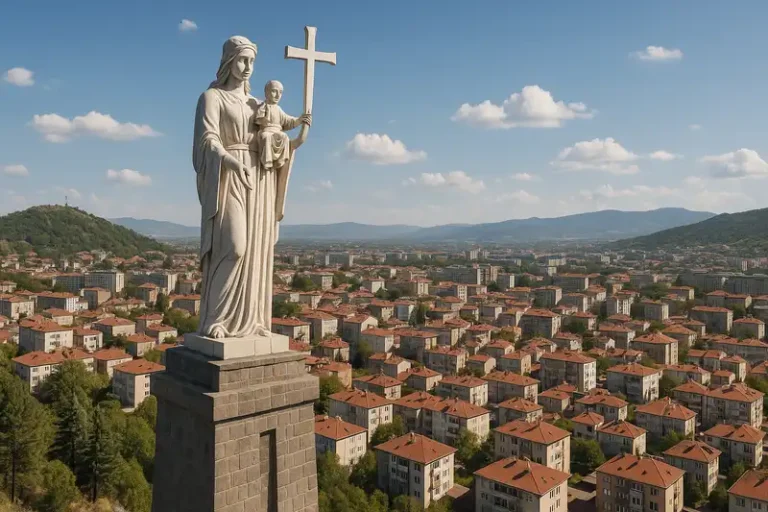
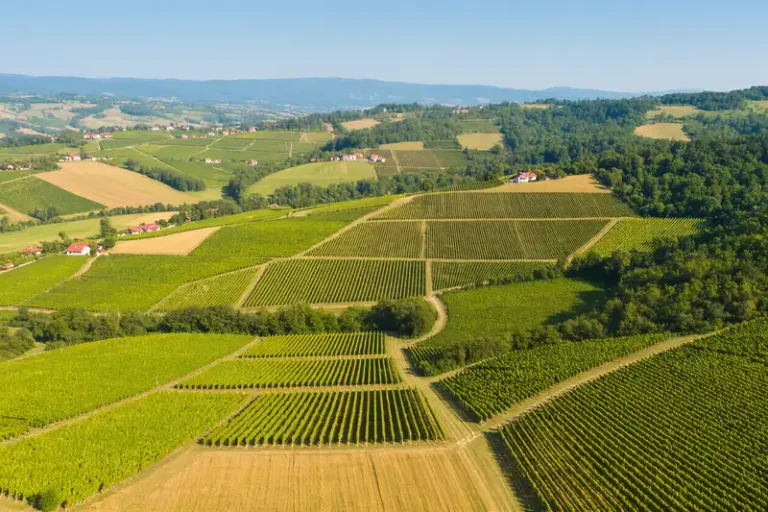
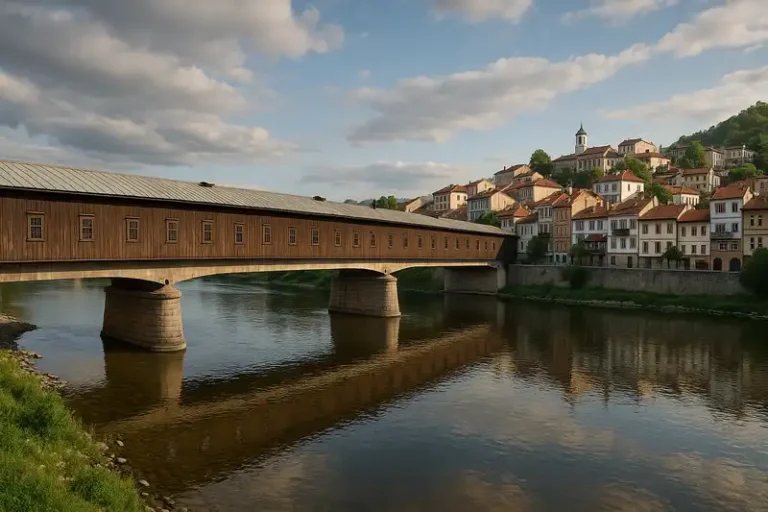
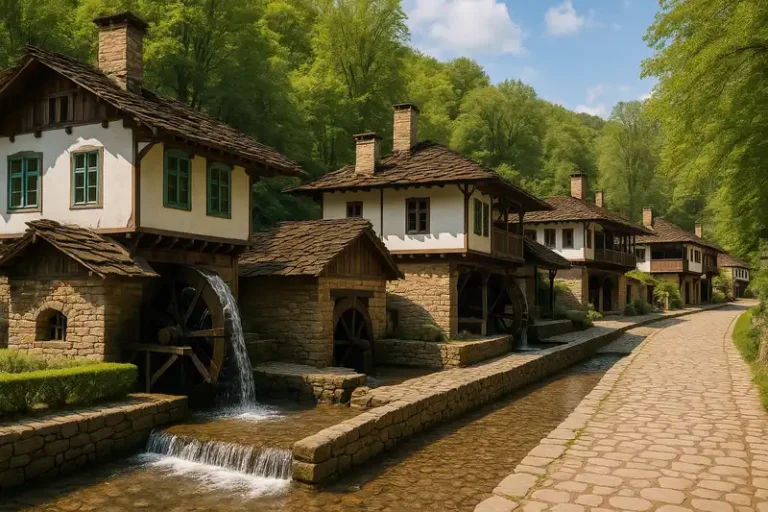
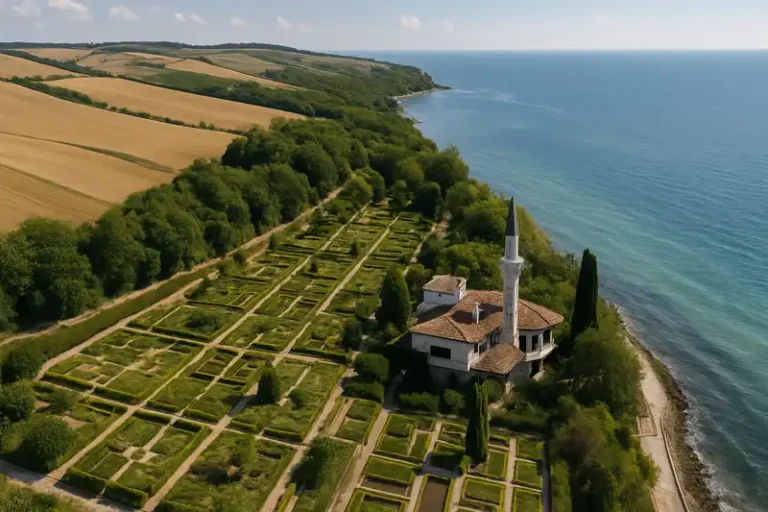
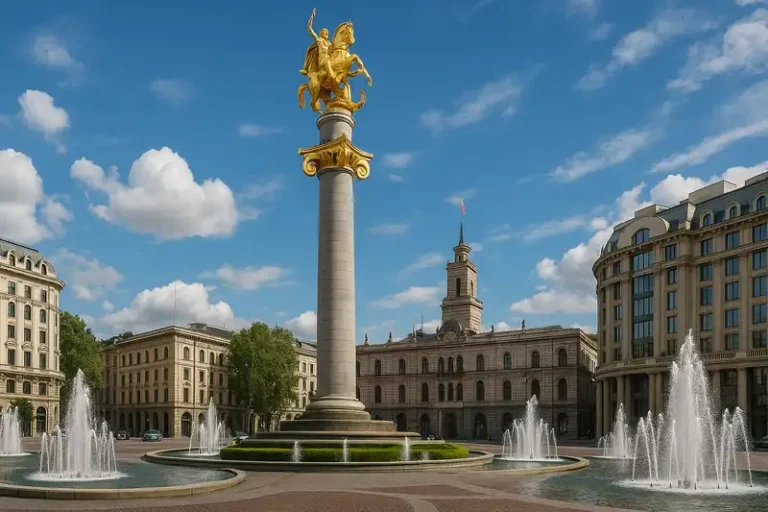
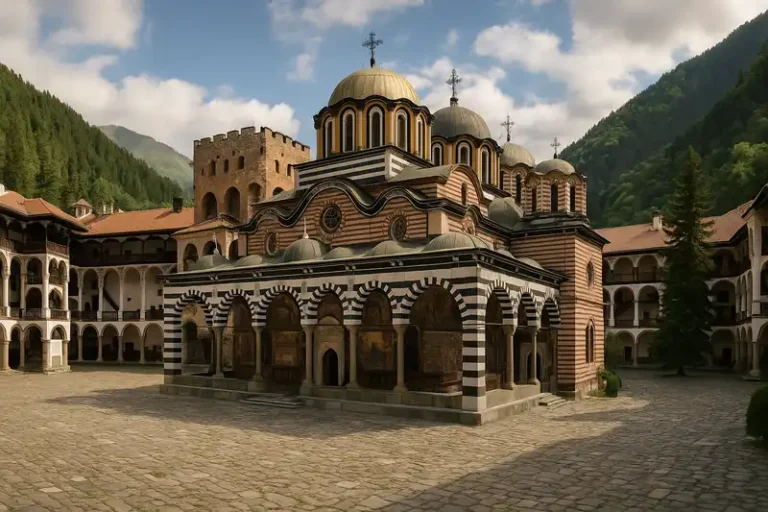
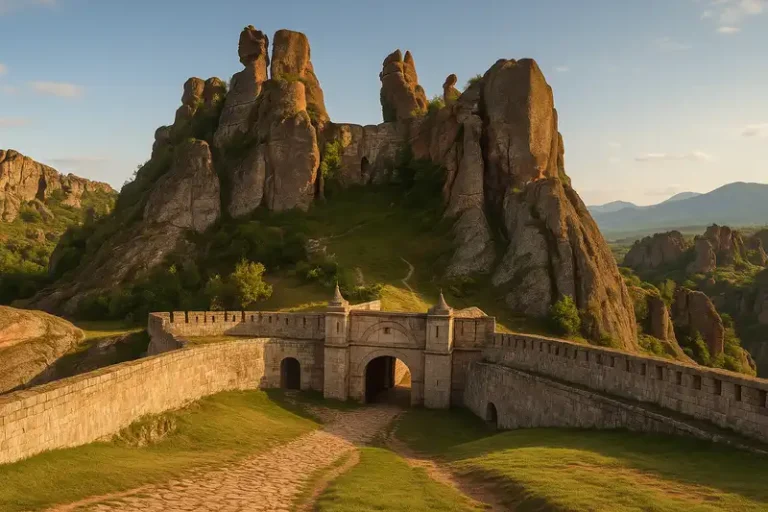
Bulgaria offers a diverse array of attractions, from ancient Thracian tombs and medieval monasteries to vibrant cities and serene mountain landscapes. Visitors can explore UNESCO World Heritage Sites, enjoy traditional Bulgarian cuisine, and experience the country's rich folklore and traditions.

Additional Information

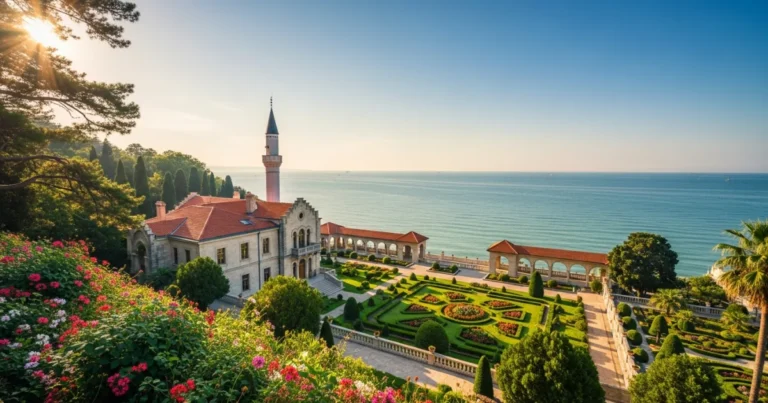
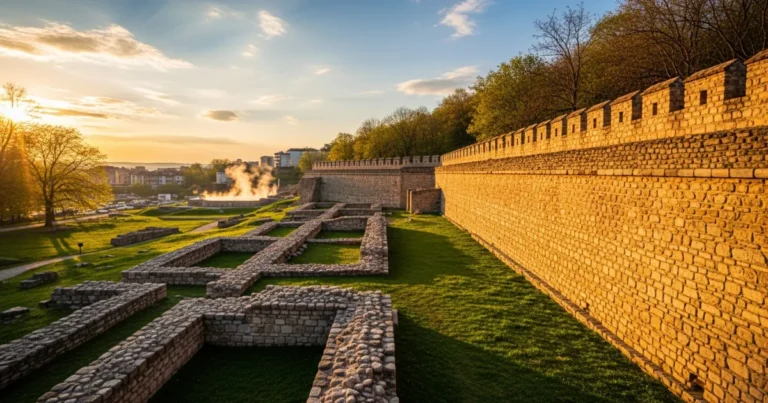
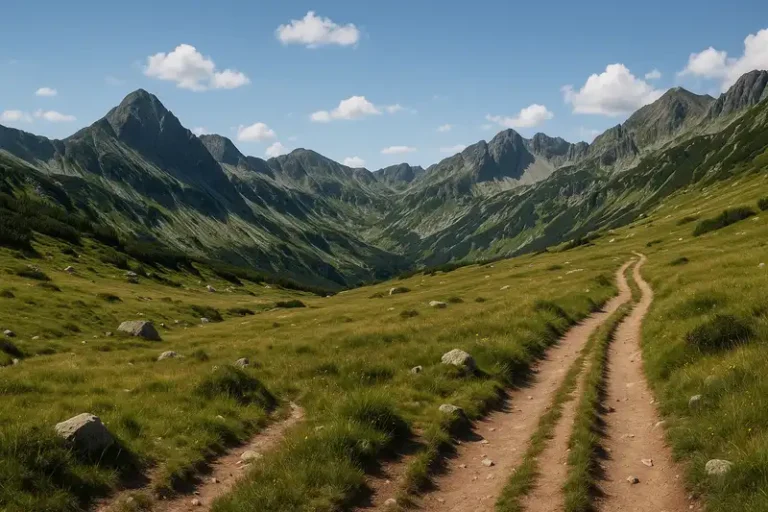
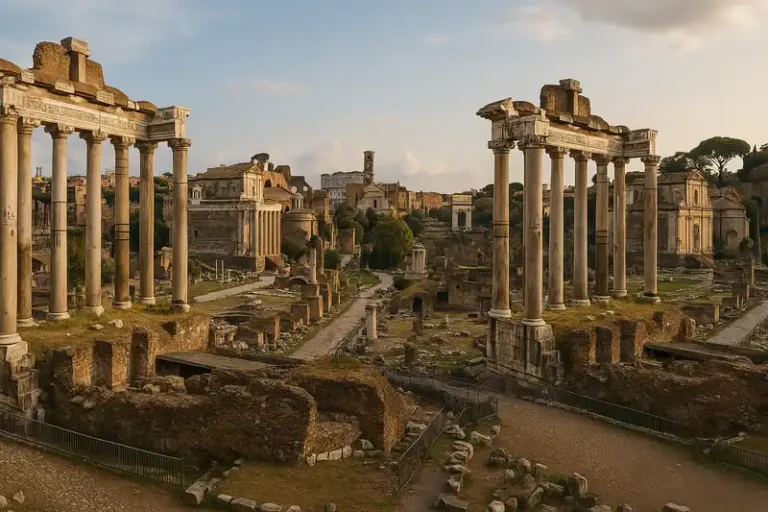
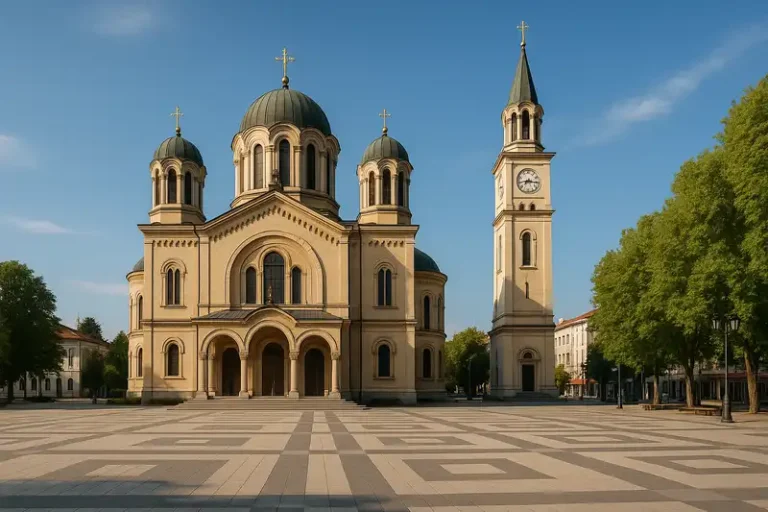
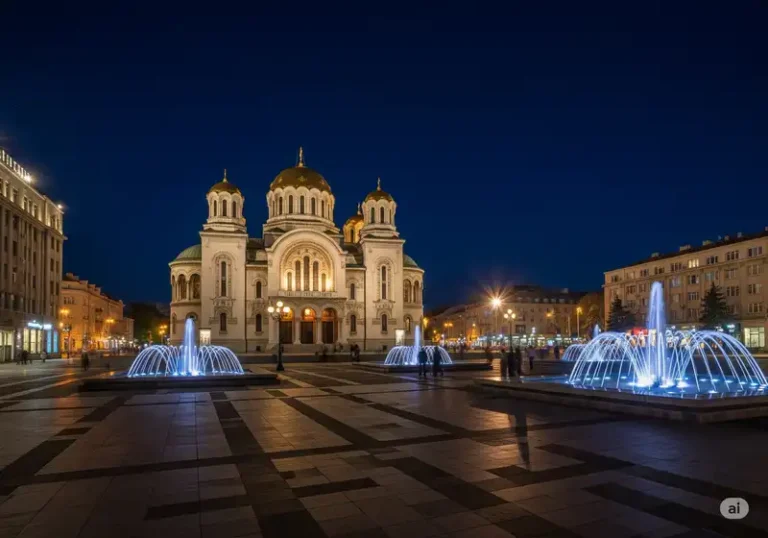
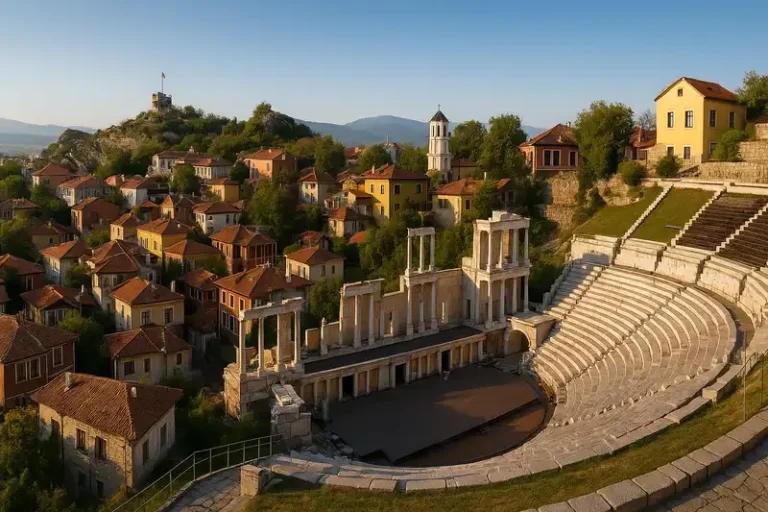
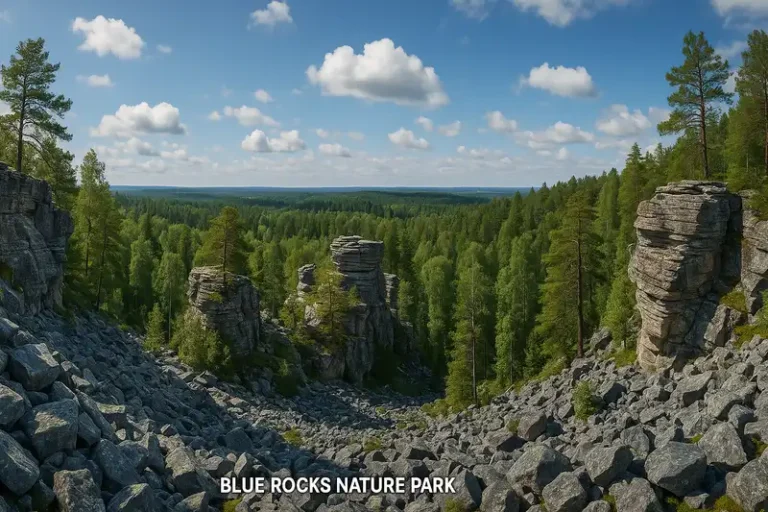
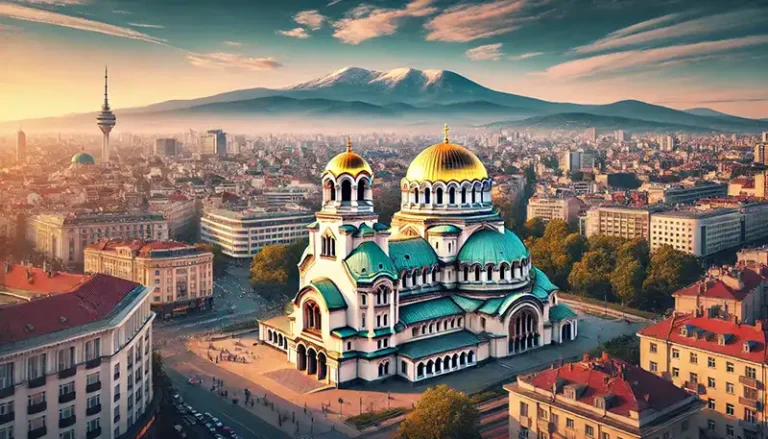
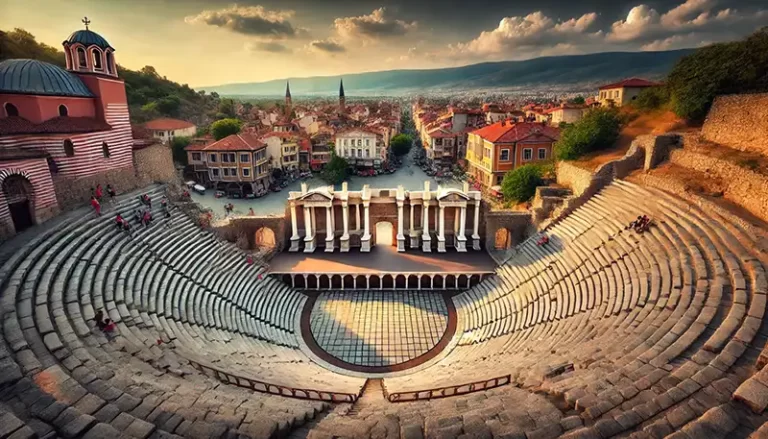
The capital city, Sofia, boasts landmarks such as the Alexander Nevsky Cathedral and the ancient Serdica ruins. Plovdiv, one of the world's oldest continuously inhabited cities, features a beautifully preserved Roman theater and charming old town. Nature enthusiasts can hike in the Rila and Pirin mountains, while the Black Sea coast offers sunny beaches and seaside resorts. Bulgaria's cuisine is a delightful blend of Balkan flavors, with dishes like banitsa (cheese pastry) and shopska salad being local favorites.

Reasons to Visit

  • Explore ancient Thracian tombs and treasures.
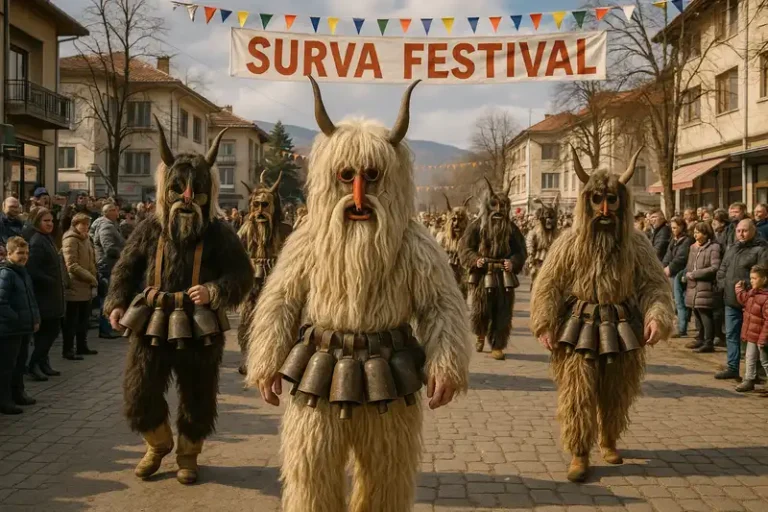
  • Experience traditional Bulgarian festivals and folklore.
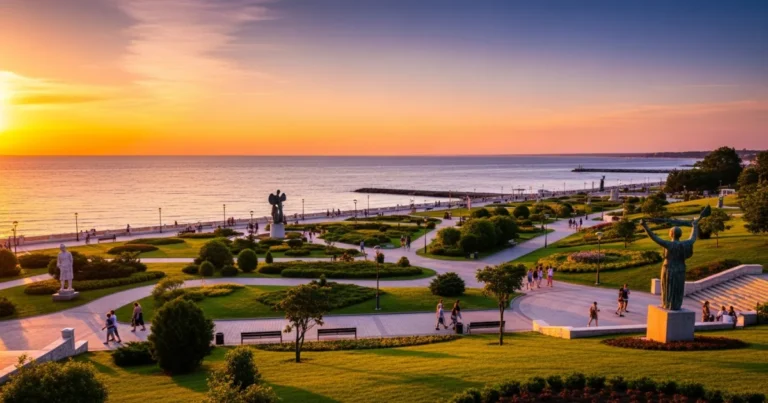
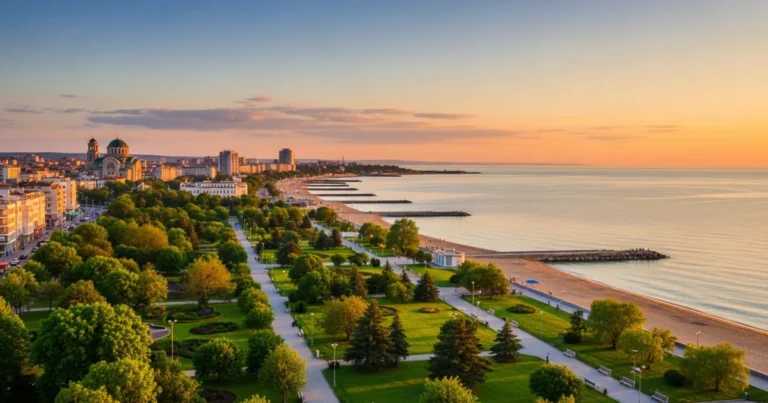
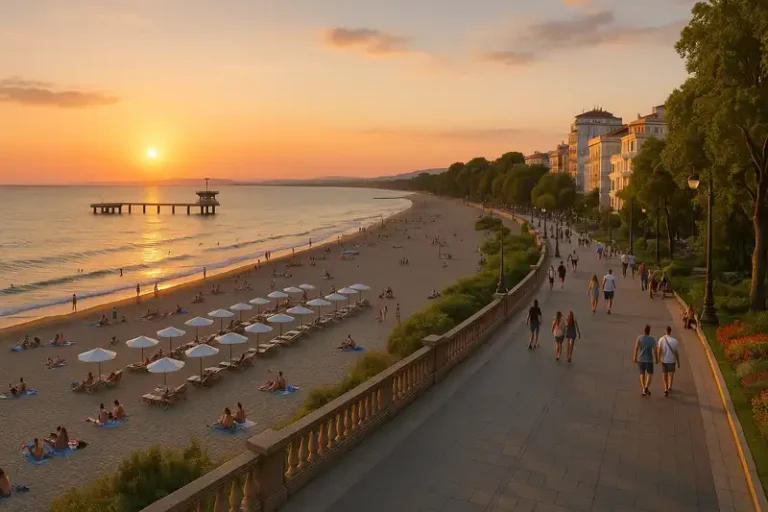
  • Relax on the picturesque Black Sea beaches.
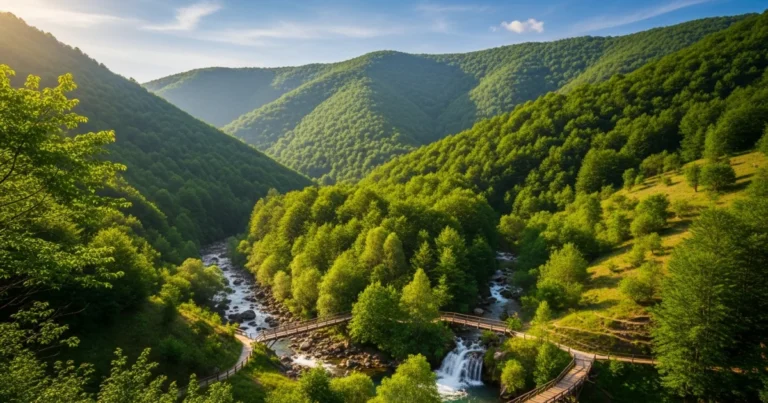
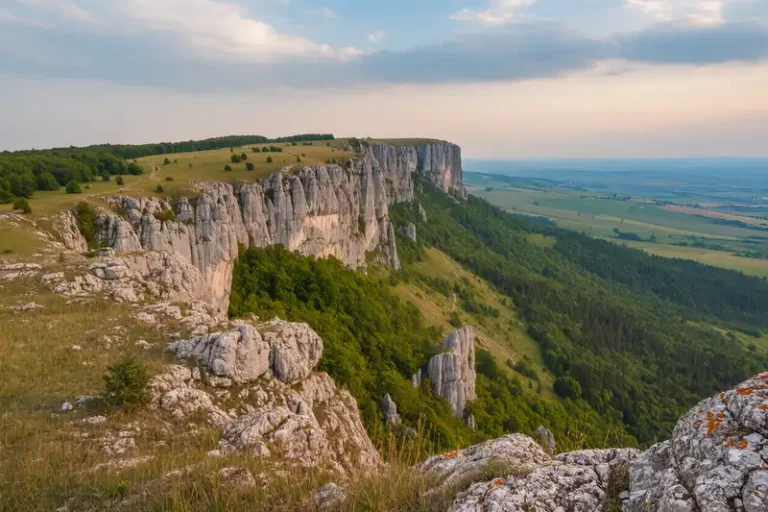
  • Hike through diverse mountain trails with stunning vistas.
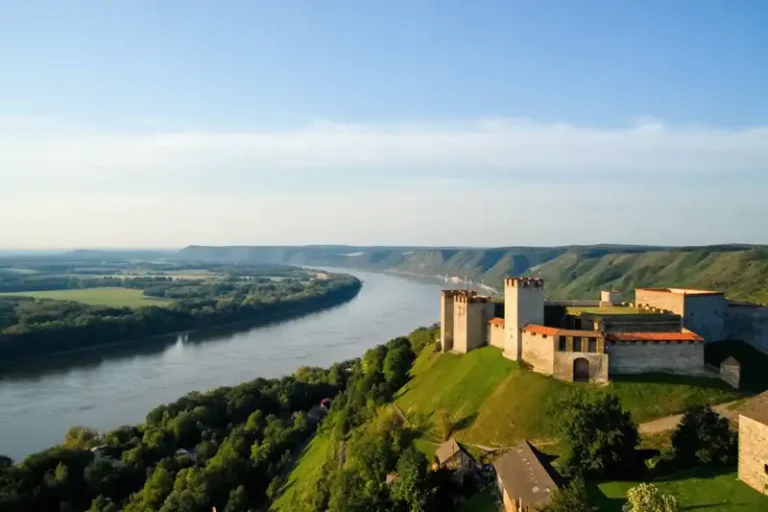
  • Discover the rich history of cities like Plovdiv and Veliko Tarnovo.

Things to Avoid

  • Avoid visiting during peak summer months if you prefer less crowded attractions.
  • Be cautious in remote areas where English may not be widely spoken.
  • Avoid photographing military installations or personnel.
  • Note that Bulgaria had switched its currency from the Bulgarian Lev (BGN) to the Euro starting in 2026.

Did You Know?

Bulgaria is home to the world's oldest gold treasure, discovered in the Varna Necropolis and dating back over 6,000 years.

Cool Bulgaria Stats

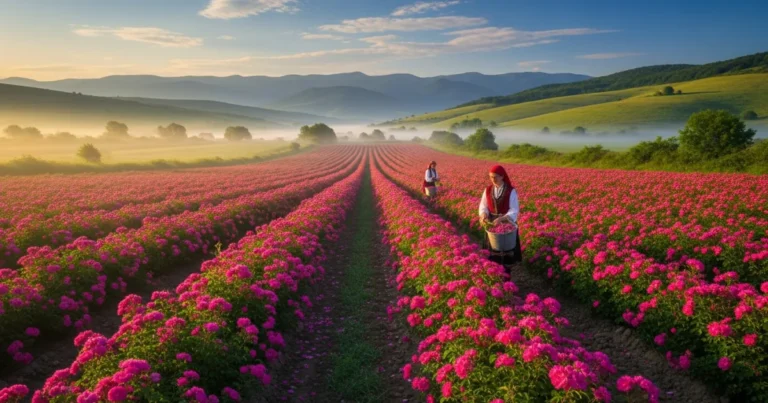
  • Rose Production: Bulgaria produces approximately 70% of the world's rose oil, primarily from the Rose Valley near Kazanlak.
  • UNESCO Sites: The country boasts 10 UNESCO World Heritage Sites, reflecting its rich cultural and natural heritage.
  • Mountains: About 30% of Bulgaria's territory is mountainous, offering numerous opportunities for outdoor activities.


Accessibility Level: Medium

Bulgaria is making strides in improving accessibility, especially in major cities like Sofia and Plovdiv. However, some historical sites and rural areas may present challenges due to uneven terrains and limited facilities.

Recommended Age Group

Bulgaria is suitable for all age groups, including Babies, Kids, Teens, Adults, and Seniors, due to its diverse attractions and family-friendly amenities.

  • Babies (0-2 years): Recommended. The country's infrastructure supports families with infants, offering baby-friendly accommodations and facilities.
  • Kids (3-12 years): Highly recommended. Numerous attractions, such as interactive museums and water parks, are designed to engage children.
  • Teens (13-19 years): Recommended. Activities like hiking, visiting historical sites, and beach sports provide ample entertainment for teenagers.
  • Adults (20-64 years): Highly recommended. The rich cultural heritage, nature, and vibrant cities offer diverse experiences.
  • Seniors (65+ years): Recommended. Accessible cultural sites and serene natural settings cater to senior travelers.

Address:

Bulgaria

Find Nearby Accommodations

Basic Info

address icon

COUNTRY & Region

Bulgaria,
Europe
Medium
Currency icon

LOCAL CURRENCY​

Bulgarian Lev (BGN)
Price level icon
Low
Safety Level icon
Duration icon

Recommended Duration

• 1-7 days
• More than a week

Electricity

electricity icon

Electricity

220-240V,
50Hz
Plug Socket icon

Plug Type

• Type C (Round pin)
• Type F (Two round pins with earth clips)
Plug types
Click To View Plug Types

Things To Do In Bulgaria

Total: 29

Activities To Do In Bulgaria

Best Time To Visit

The best time to visit Bulgaria is during the late spring (May-June) and early autumn (September-October) when the weather is pleasant, and tourist crowds are thinner.

  • Spring (March-May): Mild temperatures and blooming landscapes make it ideal for sightseeing and nature walks.
  • Summer (June-August): Warm to hot temperatures, perfect for Black Sea coast visits, though popular areas can be crowded.
  • Autumn (September-November): Cooler temperatures with vibrant fall foliage, ideal for cultural tours and hiking.
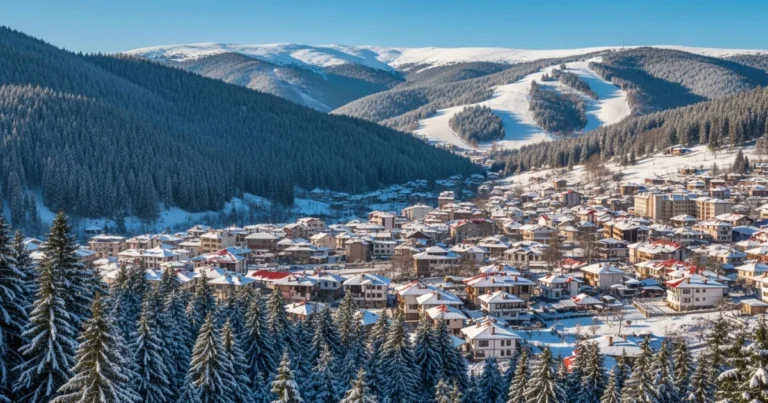
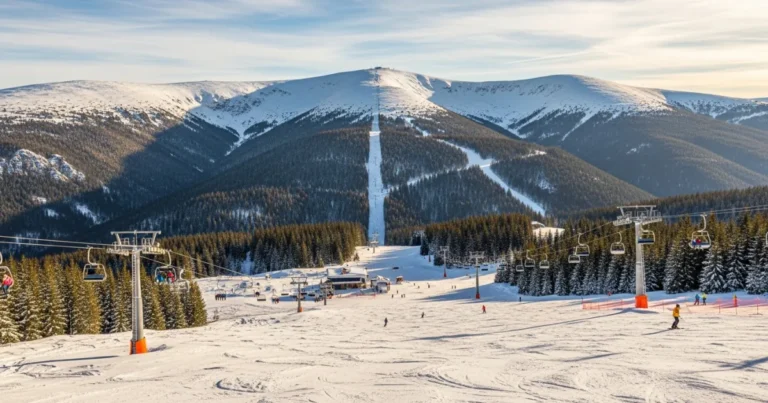
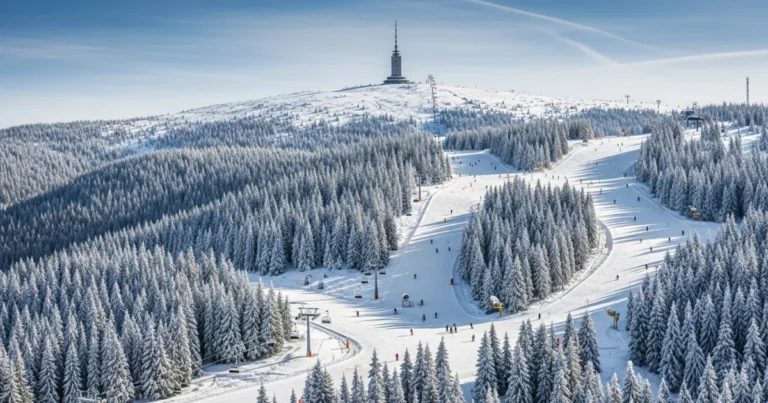
  • Winter (December-February): Cold with snowfall, suitable for skiing in mountain resorts like Bansko and Borovets.

Remember to check the weather forecast a few days before the trip and before heading to the airport.

Safety Level icon

SAFETY Level

Safe. Bulgaria is generally safe for travelers. However, petty crimes like pickpocketing can occur in crowded places and on public transport.

The rating is based on multi-year peace, crime, and security indices. Before you go, always verify current conditions through official government travel advisories.

Spoken Languages

The official language is Bulgarian. In tourist areas, English is commonly spoken, and in some regions, Russian and German are also understood.

Learn The Language

  • Hello: Здравейте (Zdraveyte)
  • Thank you: Благодаря (Blagodarya)
  • Please: Моля (Molya)
  • Yes: Да (Da)
  • No: Не (Ne)
  • Excuse me: Извинете (Izvinete)
  • How much does it cost?: Колко струва? (Kolko struva?)
  • Where is the bathroom?: Къде е тоалетната? (Kade e toaletnata?)
  • I don’t understand: Не разбирам (Ne razbiram)
  • Help!: Помощ! (Pomoshch!)

Trip Cost & Budgeting for Bulgaria, 2026

Everything you need to know about money while traveling
Bulgaria is generally inexpensive for tourists in 2026. Expect to pay around €2 for a coffee, €2.30 for a pint of local beer, and €10 for a standard meal. These Human Verified prices make it a budget-friendly destination. Bulgaria offers a mix of historic cities and beautiful landscapes at some of the lowest prices in the EU. Use the data table below to calculate your specific daily budget based on your travel style.
Currency icon

LOCAL CURRENCY​:

Bulgarian Lev (BGN)
Price level icon
Low
Cards are widely accepted in tourist areas, but cash is useful for smaller establishments.

Per person, per day – pocket cash for small purchases.

Local: 15
Bulgarian Lev (BGN)
≈ 9 USD

Full daily spend estimation (accomodation, food, transportation, attractions).

Travel Style
Bulgarian Lev (BGN)
≈ USD ($)
Budget
75
45
Mid-range
135
81
Comfort
300
181

The Prices, Daily costs, and calculator results are estimates for planning purposes only. Actual costs may vary based on season, booking timing, personal spending habits, and currency fluctuations. TravelingWiz cannot be held responsible for discrepancies between these estimates and your final trip expenses.

  • Eat at local restaurants.
  • Use public transportation.
  • Visit during the shoulder season (spring or fall).
  • Take advantage of free activities like hiking.

Pre-Order Tickets

Avoid disappointment when tickets sell out — and skip the long lines by booking online in advance. You’ll often save up to 20% too.
Save up to 20%

Travel Discounts & Coupons

Save on hotels, attractions, transport, and gear — find verified discounts for smarter travel spending.
Verified Coupons

What To Pack

  • Comfortable walking shoes for cobblestone streets and hiking trails.
  • A light jacket or sweater for cooler evenings, especially in spring and autumn.
  • Swimwear and sunscreen for beach visits along the Black Sea coast.
  • A universal power adapter for charging electronic devices.
Categories: Transportation
left-turn and straight-ahead arrows in a Bulgarian city intersection
Left Turns on Green Require Extra Attention
In Bulgaria, left turns on green lights often require yielding to oncoming traffic—stay alert
Categories: Traveling | Transportation
Mountain Driving in Bulgaria
Be Prepared for Mountain Driving in Bulgaria
Mountain driving in Bulgaria requires caution—expect narrow roads, winter hazards, and tricky routes.

Food & Drink Highlights

Local Food Overview

Bulgarian cuisine is a hearty and flavorful blend of Balkan, Mediterranean, and Ottoman influences, defined by its reliance on fresh, seasonal ingredients and slow-cooking methods. The foundation of many dishes involves high-quality dairy products, particularly the famous Bulgarian yogurt (kiselo mlyako) and white brine cheese (sirene). Meals often begin with fresh salads like the iconic Shopska salad and are accompanied by grilled meats (meshana skara) or rich, vegetable-heavy stews cooked in traditional clay pots. Herbs such as savory (chubritsa), spearmint, and paprika are essential for creating the distinct, savory profile that characterizes the local palate, which is typically enjoyed with local wine or rakia (fruit brandy).
Golden-brown spiral Bulgarian Banitsa pastry on a wooden board with cheese filling visible.

Must Try Dish

Banitsa. This beloved national pastry is made by layering whisked eggs, Bulgarian yogurt, and crumbled sirene cheese between paper-thin sheets of phyllo dough, then baking it until golden and crispy. It is a staple of Bulgarian culture, eaten for breakfast with boza (a fermented wheat drink) or ayran, and holds special significance during holidays like Christmas and New Year's, when "lucky charms" (dogwood branches or coins) are hidden inside to predict health and fortune. Travelers can find authentic banitsa everywhere, from street-side bakeries (banicharnitsa) to traditional taverns (mehana).

Food Experiences

No food experience found

GetReady

Plan your trip seamlessly with our trusted partners and expert guidance. Follow these steps to book everything you need or connect with a local tour guide for personalized support

Step 1: Find the Perfect Accommodation

Explore a wide range of hotels, boutique stays, and vacation rentals to suit every traveler’s needs and budget. From luxury options to cozy family stays, find the best place for your trip.

Step 2: Book Your Flights

Secure the best flight deals for your destination. With our trusted partners, booking flights is quick and hassle-free.

Step 3: Let a Tour Guide Help

Not sure where to start? A professional local tour guide can create a customized itinerary or assist you in planning your trip. Make your journey seamless and stress-free.

Step 4: Rent a Car

Travel at your own pace by renting a car. Whether you’re exploring cities or embarking on a road trip, find reliable and convenient car rental options.

Step 5: Get Travel Insurance

Protect yourself and your loved ones with comprehensive travel insurance. Our partners offer plans to cover every aspect of your journey.

Step 6: Need a Visa?

Check visa requirements for your destination and apply quickly with trusted services. Simplify the process and ensure you’re ready to travel without delays.

FAQs

Bulgaria uses the Bulgarian Lev (BGN).
Yes, Bulgaria offers numerous attractions suitable for families, including interactive museums, parks, and beach resorts.
The ideal times are late spring (May-June) and early autumn (September-October) when the weather is pleasant, and tourist areas are less crowded.
Citizens of the EU, USA, Canada, and Australia can enter Bulgaria visa-free for stays up to 90 days within a 180-day period. It’s advisable to check the latest visa requirements before traveling.
In major cities and tourist areas, many people speak English, especially the younger population and those in the tourism industry.
Don’t miss out on banitsa (cheese pastry), shopska salad, and kavarma (a traditional meat stew).
In most urban areas, tap water is safe to drink. However, in rural regions, it’s recommended to consume bottled water.
Bulgaria operates on a 230V supply voltage and 50Hz. Plug types C and F are commonly used.

Help Us Improve

If you visited
Bulgaria
click here to share your tips and stories.

This will help us improve our guides for the entire travelers community.

Related Articles

Check out our related articles and blog posts to learn even more about the destination.
Bulgaria - Perfect Family Destination
Why Bulgaria is a Perfect Family Destination

Don’t Travel Alone

Share with your friends and family

Join travel lovers and get exclusive travel tips, coupons and more!

Register

Now!