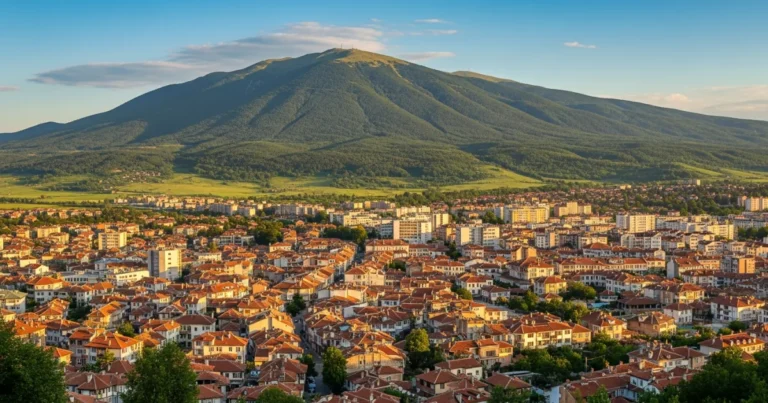
Kyustendil Province, situated in the western part of Bulgaria, is a region rich in history, natural beauty, and therapeutic resources. Its capital, Kyustendil, is one of the oldest towns in Bulgaria, with a history stretching back to Thracian and Roman times. The city was known as Pautalia during the Roman Empire, famous for its healing mineral waters. Today, the province continues this tradition with numerous spa and wellness centers, making it a prime destination for health tourism.
Beyond its thermal springs, Kyustendil Province boasts diverse landscapes, from the fertile valleys of the Struma River to the majestic peaks of the Osogovo Mountain. This geographical diversity supports a thriving agricultural sector, particularly known for its fruit production, especially cherries, apples, and plums. Cultural enthusiasts will find a wealth of archaeological sites, medieval churches, and traditional villages that offer a glimpse into Bulgaria's past. The proximity to the Rila Monastery, a UNESCO World Heritage Site, further enhances its appeal as a cultural hub. Whether seeking relaxation, adventure, or cultural immersion, Kyustendil Province provides a tranquil yet engaging escape.
Reasons to Visit
- Thermal Spa Resorts: Rejuvenate in the ancient healing mineral waters, known for their therapeutic properties.
- Rich History: Explore Roman ruins, medieval fortresses, and historical churches that tell tales of centuries past.
- Natural Beauty: Hike the scenic trails of Osogovo Mountain, enjoy picturesque valleys, and witness stunning landscapes.
- Cherry Capital: Experience the famous Kyustendil cherries, especially during the annual Cherry Festival in June.
- Authentic Bulgarian Culture: Discover charming traditional villages, local crafts, and delicious regional cuisine.
- Proximity to Rila Monastery: Easily access one of Bulgaria's most significant cultural and spiritual landmarks for a memorable day trip.
- Peaceful Atmosphere: Enjoy a relaxed pace of life away from the bustling tourist crowds.
Things to Avoid
- Ignoring Local Customs: Be mindful of local etiquette, especially when visiting religious sites (dress modestly).
- Underestimating Mountain Weather: Weather in the Osogovo Mountains can change rapidly; always be prepared with appropriate gear.
- Relying Solely on Cards: Carry some local currency, especially in smaller towns and for local markets.
- Disrespecting Historical Sites: Do not touch or climb on ancient ruins or artifacts.
- Over-scheduling: Allow time for spontaneous exploration and relaxation, especially if visiting the spas.
- Drinking Tap Water Everywhere: While generally safe in cities, it's safer to stick to bottled water in rural areas.
Local Transportation Tips
Public transportation within Kyustendil Province primarily consists of a network of intercity and local buses. The main bus station in Kyustendil city serves as a hub, connecting to various towns and villages within the province, as well as to other major cities in Bulgaria like Sofia. Buses are generally reliable and an affordable way to travel. Taxis are available in Kyustendil city, but it's advisable to agree on a fare beforehand or ensure the meter is used. For exploring the more remote natural areas or having maximum flexibility, renting a car is highly recommended. This allows visitors to set their own pace and discover hidden gems off the main routes. Train services are limited and generally less convenient for exploring the province comprehensively.
Travel Etiquette
- Greetings: A simple 'Zdraveyte' (Hello) or 'Dobro utro/den/vecher' (Good morning/day/evening) is always appreciated.
- Hospitality: Bulgarians are generally very hospitable. If invited to a home, it's customary to bring a small gift (e.g., flowers, sweets).
- Dress Code: When visiting churches or monasteries, dress modestly, covering shoulders and knees.
- Tipping: Tipping around 10% is customary in restaurants if service is good. For taxis, rounding up the fare is common.
- Table Manners: Keep your hands visible on the table (not in your lap). Wait to be seated in restaurants.
- Nodding: Be aware that in Bulgaria, a nod means 'no' and shaking your head means 'yes'. This can be confusing for foreigners.
- Photography: Always ask for permission before taking photos of people, especially in rural areas.
Recommended Age Group
Kyustendil Province offers a diverse range of activities and a generally relaxed atmosphere, making it suitable for almost all age groups, with specific considerations for each.
- Babies (0-2 years): Neutral. While the thermal spas might not be suitable for infants, the calm environment and fresh air can be pleasant. Access to baby-specific amenities might be limited outside major hotels.
- Kids (3-12 years): Recommended. Children can enjoy light hikes, exploring historical sites (like castles), and playing in parks. The cherry festival (if visiting in June) is also a fun experience.
- Teens (13-19 years): Recommended. Teens will appreciate the opportunities for hiking, exploring ancient ruins, and engaging with local culture. Some might find the spa experience relaxing.
- Adults (20-64 years): Recommended. This age group will find a wealth of activities, from cultural and historical exploration to hiking, spa treatments, and culinary experiences.
- Seniors (65+ years): Recommended. The thermal spas are particularly beneficial for seniors, and the relaxed pace of life, combined with accessible historical sites and beautiful scenery, makes it an ideal destination for older travelers.
Accessibility Level: Medium
- Transportation: Public buses may not be fully wheelchair accessible. Renting a car offers the most flexibility for those with mobility challenges.
- Accommodation: Newer hotels and spa resorts in Kyustendil city are more likely to offer accessible rooms and facilities. It's advisable to confirm accessibility directly with the accommodation provider.
- Attractions: Many historical sites, especially ancient ruins and medieval fortresses, may have uneven terrain, stairs, or lack ramps, making them challenging for wheelchair users. Modern museums and some churches might offer better accessibility.
- Thermal Spas: Some modern spa complexes may have accessible pools and changing facilities, but older establishments might not. Inquire in advance.
- Pavements: Sidewalks in Kyustendil city can be uneven, and smaller towns may lack proper pavements, posing challenges for mobility.
Did You Know?
Kyustendil is one of the oldest cities in Bulgaria, with its history dating back over 8,000 years. It was a significant Roman spa town known as Pautalia, and evidence of its ancient baths can still be seen today. The region's thermal springs are rich in minerals like hydrogen sulfide, which are believed to have healing properties for various ailments. Furthermore, Kyustendil Province is often called the 'Orchard of Bulgaria' because it produces a significant portion of the country's fruits, particularly cherries, which are celebrated with a vibrant annual festival.
Cool Statistics
- Elevation: Kyustendil city is situated at an average elevation of around 500 meters (1,640 feet) above sea level.
- Thermal Springs: The city of Kyustendil boasts over 40 mineral springs with temperatures ranging from 30°C to 76°C (86°F to 169°F).
- Cherry Production: Kyustendil Province is responsible for a substantial portion of Bulgaria's cherry harvest, often exceeding 20,000 tons annually.
- Historical Layers: Archaeological findings in the region indicate continuous human settlement for over 8,000 years.
- Osogovo Mountain: The highest peak in the Bulgarian part of Osogovo Mountain, Ruen, stands at 2,251 meters (7,385 feet).






Buy a compatible power adapter for your trip