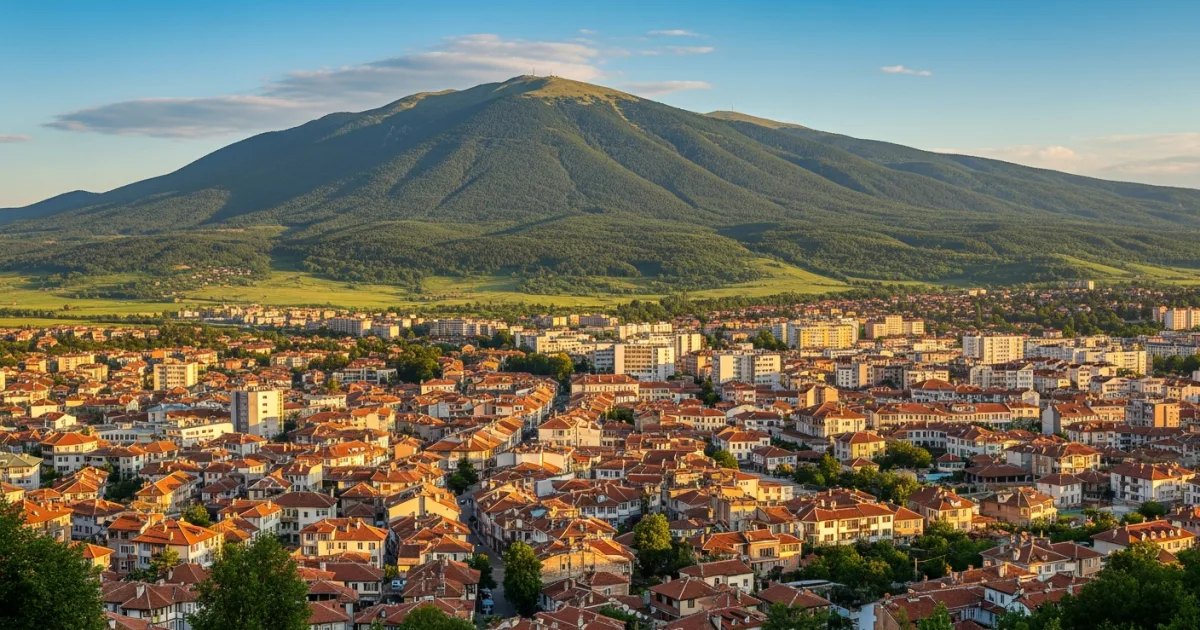
Kyustendil, a city with roots tracing back to Thracian times, offers a captivating journey through millennia of history. Its strategic location in the valley of the Struma River, at the foot of the Osogovo Mountain, has made it a crossroads of cultures and civilizations. The city's most prominent feature is its abundance of mineral springs, which have been utilized for their healing properties since antiquity, giving rise to the Roman Thermae, one of the best-preserved ancient bath complexes in Bulgaria. Beyond its historical significance, Kyustendil is celebrated for its lush orchards, particularly its cherries, which are a symbol of the region. The surrounding natural landscape provides a stunning backdrop for outdoor enthusiasts, from gentle strolls through city parks to challenging hikes in the mountains. This blend of historical depth, natural beauty, and wellness opportunities makes Kyustendil a truly unique and enriching destination for any traveler.
Reasons to Visit
- Rich Historical Heritage: Explore ancient Roman baths, medieval towers, and Ottoman mosques.
- Thermal Mineral Springs: Indulge in rejuvenating spa treatments and therapeutic mineral water.
- Natural Beauty: Discover the scenic Osogovo Mountain, perfect for hiking, skiing, and nature walks.
- Local Cuisine: Savor authentic Bulgarian dishes made with fresh, local produce, especially the famous Kyustendil cherries.
- Authentic Cultural Experience: Immerse yourself in a city that retains its traditional charm and hospitality.
- Family-Friendly Activities: Enjoy parks, museums, and outdoor adventures suitable for all ages.
Things to Avoid
- Ignoring Local Customs: Be mindful of local etiquette, especially when visiting religious sites.
- Drinking Tap Water: While generally safe, it's advisable to stick to bottled water to avoid any potential stomach upset.
- Underestimating Mountain Weather: If hiking in Osogovo, be prepared for sudden weather changes, even in summer.
- Over-relying on English: While some English is spoken, learning a few basic Bulgarian phrases will greatly enhance your experience.
- Disrespecting Historical Sites: Always treat ancient ruins and monuments with care and respect.
Local Transportation Tips
Getting around Kyustendil is relatively straightforward. The city center is compact and highly walkable, allowing visitors to easily reach most major attractions on foot. For destinations further afield, such as the thermal resorts on the outskirts or the base of Osogovo Mountain, a network of local buses operates regularly and is an affordable option. Taxis are also readily available throughout the city, offering a convenient way to travel, and fares are generally reasonable. For exploring the wider region or nearby villages, renting a car provides the most flexibility.
Travel Etiquette
- Greetings: A simple 'Zdravei' (Hello) or 'Dobar den' (Good day) is appreciated.
- Tipping: Tipping around 10% in restaurants and for good service is customary.
- Dress Code: When visiting churches or monasteries, dress modestly, covering shoulders and knees.
- Hospitality: Bulgarians are generally warm and hospitable; accepting offers of coffee or a drink is a sign of respect.
- Head Nods: Be aware that a nod for 'yes' and a shake for 'no' can be reversed in Bulgaria compared to Western cultures, though this is becoming less common among younger generations.
Recommended Age Group
Kyustendil offers a diverse range of activities and experiences, making it a suitable destination for nearly all age groups, with particular appeal for those interested in history, nature, and wellness.
- Babies (0-2 years): Recommended. The city's relaxed pace, parks, and availability of family-friendly accommodations make it comfortable for parents with infants. Thermal baths might be too hot for direct immersion, but the general atmosphere is calm.
- Kids (3-12 years): Recommended. Children can enjoy exploring ancient ruins, playing in city parks, and easy walks in nature. The historical museum offers engaging exhibits, and the novelty of thermal springs can be exciting.
- Teens (13-19 years): Recommended. Teens will appreciate the historical sites, opportunities for hiking and outdoor adventures in Osogovo Mountain, and the relaxed atmosphere. There are also cafes and local spots to explore.
- Adults (20-64 years): Recommended. This age group will find Kyustendil highly appealing for its blend of cultural exploration, wellness and spa treatments, hiking, and culinary experiences. It's ideal for both active and relaxing trips.
- Seniors (65+ years): Recommended. The thermal springs are particularly beneficial for seniors seeking relaxation and therapeutic benefits. The city's walkable center and accessible historical sites, combined with a peaceful environment, make it a comfortable and enjoyable destination.
Accessibility Level: Medium
- Public Transport: Buses may not be fully accessible for wheelchairs, but taxis can be an option.
- Historical Sites: Many ancient sites, like the Roman Thermae, have uneven terrain and stairs, which may pose challenges for mobility-impaired visitors.
- City Center: The main pedestrian areas in the city center are generally flat and manageable.
- Accommodation: Newer hotels and spa resorts are more likely to offer accessible rooms and facilities; it's best to inquire in advance.
- Nature Trails: While many mountain trails are rugged, some parks and riverside paths offer easier, flatter routes suitable for less mobile individuals.
Did You Know?
Kyustendil is one of the oldest cities in Bulgaria, with a history spanning over 2,000 years. It was known as Pautalia during Roman times and was a significant spa resort, attracting emperors and nobles for its healing waters. The city's name 'Kyustendil' itself is derived from the Turkish 'Küstendil', meaning 'Constantine's Land', referring to the medieval Bulgarian feudal lord Konstantin Dragash.
Cool Statistics
- Elevation: Approximately 500 meters (1,640 feet) above sea level.
- Mineral Springs: Over 40 mineral springs with temperatures ranging from 30°C to 76°C (86°F to 169°F).
- Cherry Production: Kyustendil is responsible for a significant portion of Bulgaria's cherry harvest, earning it the nickname 'The Orchard of Bulgaria'.
- Historical Layers: Evidence of Thracian, Roman, Byzantine, and Ottoman civilizations can be found within the city.
- Osogovo Mountain: The highest peak in the Bulgarian part of Osogovo is Ruen, at 2,251 meters (7,385 feet).







Buy a compatible power adapter for your trip