Browse:
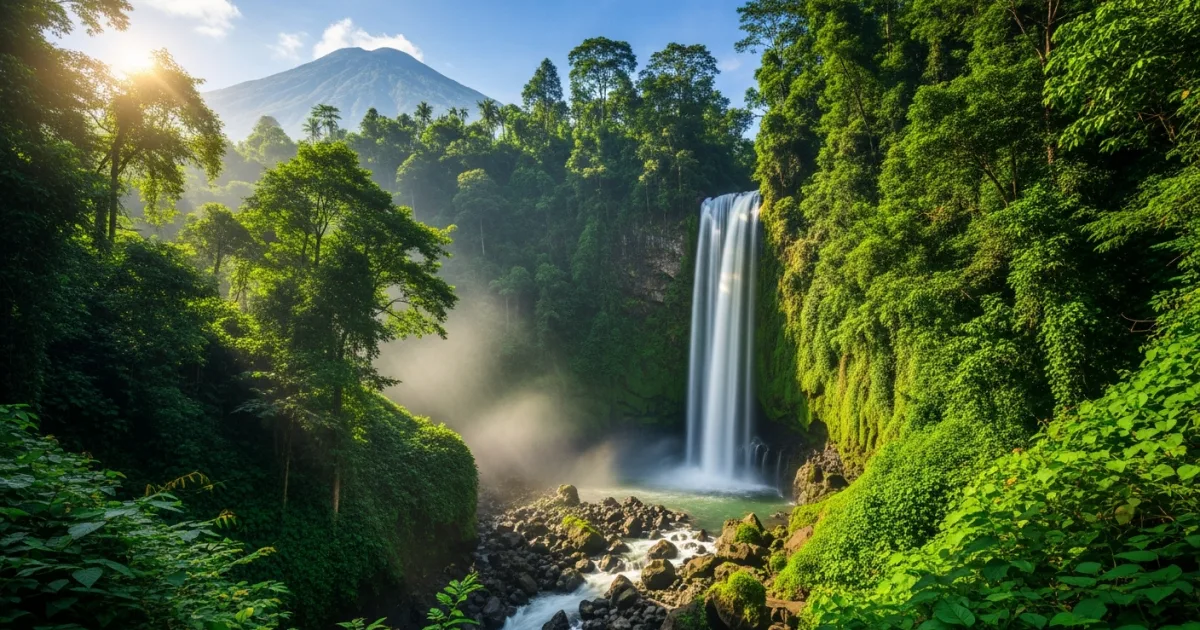
Tiu Kelep waterfall in the lush jungle of Senaru, Lombok

Senaru Overview & Key Highlights

Senaru is a picturesque village nestled on the northern slopes of Mount Rinjani in Lombok, Indonesia, serving as the primary gateway for trekkers aiming to conquer the iconic volcano. Surrounded by lush tropical forests and terraced agricultural fields, this tranquil destination offers a perfect blend of natural beauty and authentic Sasak culture. Beyond its reputation as a trekking basecamp, Senaru boasts some of Indonesia's most spectacular cascading waters, including the famous Sendang Gile and Tiu Kelep waterfalls. Visitors can immerse themselves in the serene highland atmosphere, explore traditional indigenous villages, and enjoy panoramic views of the verdant valleys stretching down to the Bali Sea. Whether you are preparing for a multi-day mountain expedition or simply seeking a peaceful retreat amidst nature, Senaru provides an unforgettable experience characterized by warm local hospitality and breathtaking landscapes.

Essential Senaru Logistics & In-Depth Travel Tips

Senaru is more than just a pitstop for ambitious mountaineers; it is a destination that captures the raw, untamed beauty of Lombok. Located at an altitude of roughly 600 meters, the village enjoys a cooler, more refreshing climate compared to the island's coastal areas. The landscape is dominated by the imposing presence of Mount Rinjani, Indonesia's second-highest volcano, which holds deep spiritual significance for both the local Sasak people and Balinese Hindus.

The village itself is a patchwork of traditional wooden houses, terraced farms growing coffee, cacao, and vanilla, and dense jungle canopies. A short walk from the main road leads to the Senaru Traditional Village (Dusun Senaru), where visitors can observe the preserved architectural styles and daily routines of the indigenous Sasak community. The harmony between the local population and their natural surroundings is palpable, making Senaru an ideal spot for eco-tourism and cultural immersion.

Reasons to Visit

  • Gateway to Rinjani: The most popular starting point for trekking Mount Rinjani and reaching the spectacular crater rim.
  • Stunning Waterfalls: Home to Sendang Gile and Tiu Kelep, two of the most beautiful and accessible waterfalls in Indonesia.
  • Cultural Heritage: Explore the authentic Sasak traditional village to learn about local customs and architecture.
  • Cooler Climate: Escape the tropical heat of the coast and enjoy the refreshing mountain air.
  • Lush Scenery: Incredible panoramic views of terraced rice fields, dense jungles, and the distant ocean.

Things to Avoid

  • Arriving without cash: ATM access is unreliable, so bring enough Indonesian Rupiah for your stay.
  • Underestimating the trek: If hiking Rinjani, do not attempt it without proper gear, physical preparation, and a licensed guide.
  • Feeding the monkeys: Macaques near the waterfalls can become aggressive if fed or provoked.
  • Disrespecting local customs: Dress modestly when walking through the village, especially away from the tourist trails.

Local Transportation Tips

Senaru is small enough that most of the village, including the entrances to the waterfalls and the traditional village, can be easily explored on foot. To get to Senaru from other parts of Lombok (like the airport, Senggigi, or the Gili Islands ports), the most common methods are private taxis, shared minivans, or renting a scooter. If you book a trekking package, transport to and from Senaru is almost always included by the tour operator.

Travel Etiquette

  • Always ask for permission before taking photographs of local people or their homes.
  • Dress modestly; while shorts and t-shirts are fine for hiking, avoid walking around the village in swimwear.
  • Use your right hand for giving and receiving items, as the left hand is considered unclean in Indonesian culture.
  • Remove your shoes before entering a local home or a mosque.

Recommended Age Group

Senaru's rugged terrain and focus on outdoor adventure make it best suited for active travelers, though the village itself is peaceful.

  • Babies (0-2 years): Not Recommended. The steep, slippery paths to the waterfalls and lack of specialized medical facilities make it unsuitable for infants.
  • Kids (3-12 years): Neutral. Older, active children may enjoy the walk to the first waterfall (Sendang Gile), but the trek to Tiu Kelep and Mount Rinjani is too strenuous.
  • Teens (13-19 years): Recommended. Active teens will love the adventurous waterfall hikes and the vibrant outdoor atmosphere of the village.
  • Adults (20-64 years): Recommended. This is the prime demographic for Senaru, offering the physical capability required for trekking Rinjani and exploring the rugged landscapes.
  • Seniors (65+ years): Neutral. While the village is tranquil and offers beautiful views, the steep stairs to the waterfalls and uneven terrain may be challenging for those with mobility issues.

Accessibility Level: Medium

  • Wheelchair accessibility in Senaru is extremely limited due to the natural, uneven terrain and steep inclines.
  • The paths to the waterfalls involve hundreds of steep concrete steps and rocky river crossings.
  • Most guesthouses and traditional warungs do not have ramps or accessible bathroom facilities.
  • Travelers with mobility impairments can still enjoy the panoramic views from roadside cafes and lodges, but active exploration will be highly restricted.

Did You Know?

Legend has it that the waters of Tiu Kelep waterfall possess magical anti-aging properties. Locals believe that swimming in the pool beneath the cascading water will make you look younger and cure various ailments.

Cool Statistics

  • Elevation: Senaru sits at approximately 600 meters (1,968 feet) above sea level.
  • Volcano Height: Mount Rinjani, accessible from Senaru, towers at 3,726 meters (12,224 feet).
  • Waterfall Drop: Sendang Gile waterfall features a stunning two-tiered drop of about 31 meters.

Address:

Senaru, Indonesia

Find Nearby Accommodations

Basic Info

address icon

COUNTRY & Region

Indonesia,
Asia & Pacific
Medium
Currency icon

LOCAL CURRENCY​

Indonesian Rupiah (IDR)
Price level icon
Low
Safety Level icon
Duration icon

Recommended Duration

• Full day
• 1-7 days

Electricity

electricity icon

Electricity

220-240V,
50Hz
Plug Socket icon

Plug Type

• Type C (Round pin)
• Type F (Two round pins with earth clips)
Plug types
Click To View Plug Types

Things To Do In Senaru

Total: 2

Activities To Do In Senaru

Best Time To Visit

The best time to visit Senaru is during the dry season, which runs from May to October. This period offers the most favorable conditions for trekking Mount Rinjani and exploring the waterfalls safely.

  • Peak Season: July and August are the busiest months, offering clear skies and cool breezes.
  • Shoulder Season: May, June, and September provide excellent weather with fewer crowds.
  • Off-Peak Season: November to April is the wet season. Mount Rinjani is typically closed to trekkers from January to March due to heavy rainfall and safety risks, though the waterfalls remain accessible.

Remember to check the weather forecast a few days before the trip and before heading to the airport.

Safety Level icon

SAFETY Level

Safe. Senaru is a peaceful rural village with very low crime rates. The primary safety concerns are related to outdoor activities. Trails to the waterfalls can be slippery, and trekking Mount Rinjani involves significant physical exertion and altitude risks. Always hire a certified guide for mountain treks, stay hydrated, and be cautious of macaque monkeys near the forest edges—do not feed them.

The rating is based on multi-year peace, crime, and security indices. Before you go, always verify current conditions through official government travel advisories.

Emergency Numbers

Police: 110
Ambulance: 118

No internet needed • Includes local translations • Free for TravelingWiz readers

Spoken Languages

The primary language is Indonesian (Bahasa Indonesia), while the local indigenous language is Sasak. English is widely spoken by trekking guides, guesthouse owners, and restaurant staff due to the steady flow of international tourists.

Learn The Language

  • Selamat pagi (Good morning)
  • Terima kasih (Thank you)
  • Berapa harganya? (How much is this?)
  • Di mana toilet? (Where is the toilet?)
  • Tolong (Help / Please)
  • Permisi (Excuse me)
  • Saya tidak mengerti (I don’t understand)
  • Enak sekali (Very delicious)

Trip Cost & Budgeting for Senaru, 2026

Everything you need to know about money while traveling

Traveling to Senaru is generally very affordable, catering heavily to backpackers and nature enthusiasts. Costs can increase significantly if you book multi-day, fully catered trekking packages for Mount Rinjani, but daily living expenses in the village remain low.

Currency icon

LOCAL CURRENCY​:

Indonesian Rupiah (IDR)
Price level icon
Low
Cash is king in Senaru. While a few larger guesthouses or trekking agencies might accept credit cards (often with a surcharge), you will need cash for warungs, waterfall entrance fees, and small purchases. There are very limited ATMs in Senaru, so it is highly recommended to withdraw sufficient cash in Mataram, Senggigi, or Bangsal before arriving.

Per person, per day – pocket cash for small purchases.

Local: 300000
Indonesian Rupiah (IDR)
≈ 20 USD

Full daily spend estimation (accommodation, food, transportation, attractions).

Travel Style
Indonesian Rupiah (IDR)
≈ USD ($)
Budget
450000
30
Mid-range
900000
60
Comfort
1500000
100

The Prices, Daily costs, and calculator results are estimates for planning purposes only. Actual costs may vary based on season, booking timing, personal spending habits, and currency fluctuations. TravelingWiz cannot be held responsible for discrepancies between these estimates and your final trip expenses.

  • Eat at local 'warungs' (small family-owned eateries) for delicious and inexpensive traditional meals.
  • Book your Rinjani trekking package directly with local operators in Senaru rather than through international agencies to get better rates and support the local economy.
  • Walk to the waterfalls independently; while guides are available at the entrance, the paths to Sendang Gile and Tiu Kelep are well-marked and easy to navigate on your own.
  • Opt for homestays or guesthouses over larger resorts for a more authentic and budget-friendly experience.

Pre-Order Tickets

Avoid disappointment when tickets sell out — and skip the long lines by booking online in advance. You’ll often save up to 20% too.
Save up to 20%

Travel Discounts & Coupons

Save on hotels, attractions, transport, and gear — find verified discounts for smarter travel spending.
Verified Coupons

What To Pack

  • Sturdy trekking shoes or hiking boots with good grip.
  • Lightweight, moisture-wicking clothing for daytime hikes.
  • A warm fleece or jacket, as evenings in the highlands can be chilly.
  • A reliable rain jacket or poncho, especially if visiting near the wet season.
  • Insect repellent and high-SPF sunscreen.
  • A reusable water bottle and a comfortable daypack.
  • Swimwear and a quick-dry towel for the waterfalls.

Recommended Itineraries for this Destination

Food & Drink Highlights

Local Food Overview

Lombok's cuisine is famously spicy and flavorful, heavily utilizing chilies, garlic, shrimp paste, and coconut milk. In Senaru, you will find hearty, warming dishes perfect for fueling up before a trek or recovering afterward.
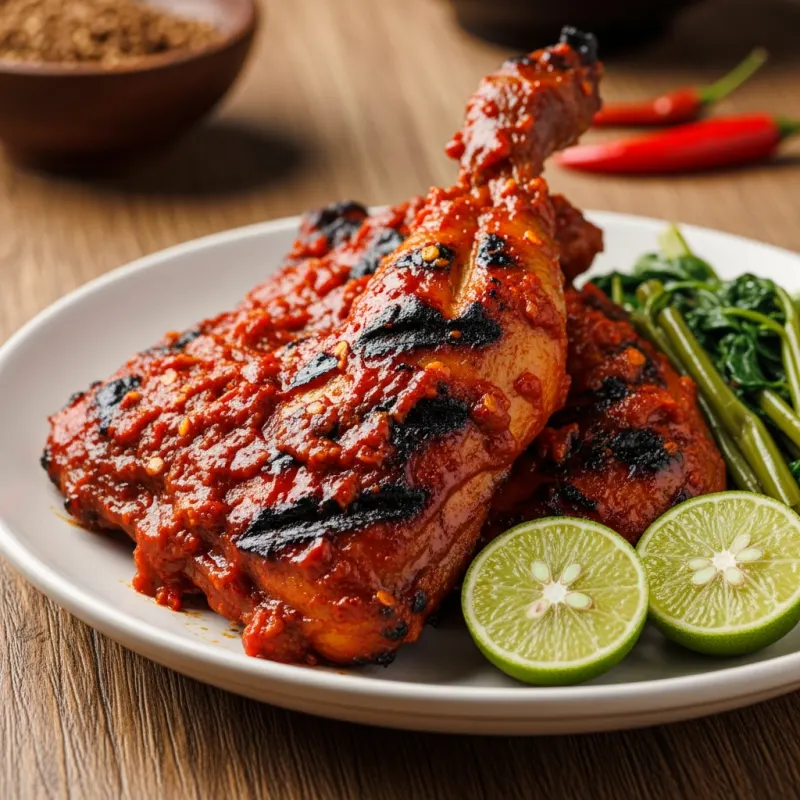
Ayam Taliwang spicy grilled chicken from Lombok

Must Try Dish

Ayam Taliwang - A signature Lombok dish featuring tender chicken marinated in a fiery blend of chilies, garlic, and shrimp paste before being grilled over an open flame. The result is a smoky, intensely flavorful, and spicy culinary masterpiece that perfectly represents the bold tastes of the region.

Food Experiences

No food experience found

GetReady

Plan your trip seamlessly with our trusted partners and expert guidance. Follow these steps to book everything you need or connect with a local tour guide for personalized support

Step 1: Find the Perfect Accommodation

Explore a wide range of hotels, boutique stays, and vacation rentals to suit every traveler’s needs and budget. From luxury options to cozy family stays, find the best place for your trip.

Step 2: Book Your Flights

Secure the best flight deals for your destination. With our trusted partners, booking flights is quick and hassle-free.

Step 3: Let a Tour Guide Help

Not sure where to start? A professional local tour guide can create a customized itinerary or assist you in planning your trip. Make your journey seamless and stress-free.

Step 4: Rent a Car

Travel at your own pace by renting a car. Whether you’re exploring cities or embarking on a road trip, find reliable and convenient car rental options.

Step 5: Get Travel Insurance

Protect yourself and your loved ones with comprehensive travel insurance. Our partners offer plans to cover every aspect of your journey.

Step 6: Need a Visa?

Check visa requirements for your destination and apply quickly with trusted services. Simplify the process and ensure you’re ready to travel without delays.

FAQs

No, you do not strictly need a guide for Sendang Gile or Tiu Kelep waterfalls. The path is well-paved initially and easy to follow, though the final stretch to Tiu Kelep involves crossing a shallow river.
No. The Mount Rinjani National Park is typically closed for trekking from January to March due to heavy monsoon rains, which make the trails dangerous and prone to landslides.
ATMs in Senaru are extremely limited and often run out of cash or experience connectivity issues. It is highly advised to bring enough cash from larger towns like Senggigi or Mataram.
Senaru is located at an elevation of about 600 meters. While daytime temperatures are warm and tropical (around 25-28°C), evenings can drop to 18-20°C, so a light jacket is recommended.

Help Us Improve

If you visited
Senaru
click here to share your tips and stories.

This will help us improve our guides for the entire travelers community.

Related Articles

Check out our related articles and blog posts to learn even more about the destination.

Don’t Travel Alone

Share with your friends and family

Where should we send your offline card?

We hate spam just as much as you do

newsletter_consent *