Browse:
>
>
>
>
>
>
Senaru Traditional Village

Senaru Traditional Village

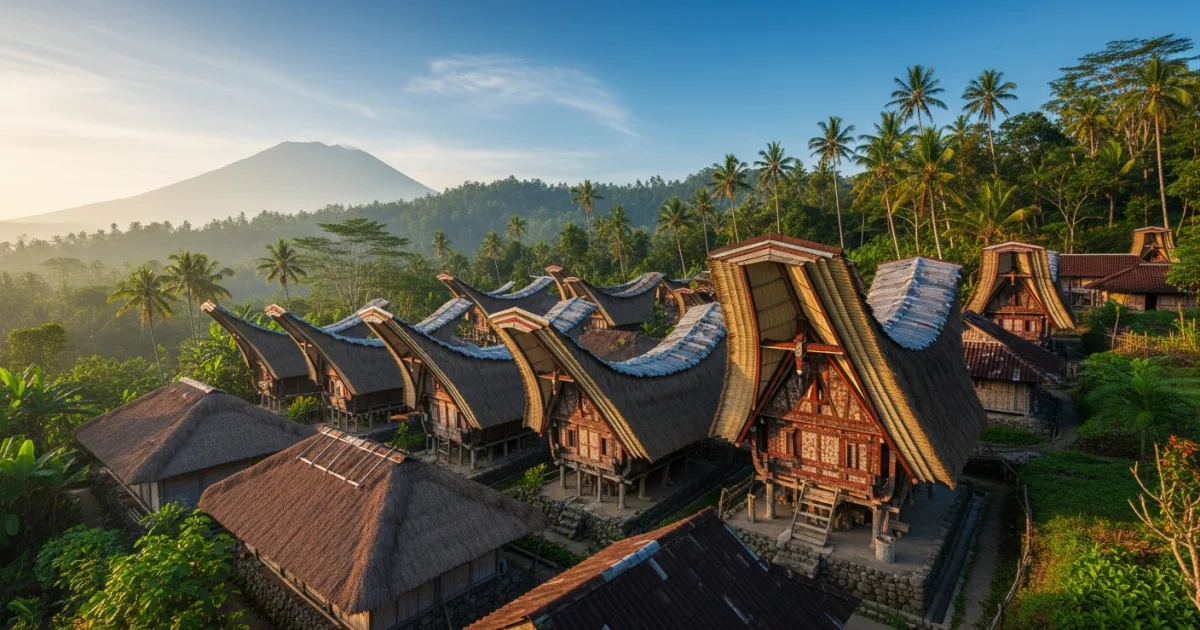
Senaru Traditional Village with thatched roof houses in Lombok

Senaru Traditional Village Overview & Key Highlights

Nestled in the lush foothills of Mount Rinjani, Senaru Traditional Village offers a captivating glimpse into the indigenous Sasak culture of Lombok, Indonesia. This beautifully preserved settlement invites visitors to step back in time and experience a way of life that has remained largely unchanged for centuries. Wandering through the village, you will encounter distinctive thatched-roof houses built from bamboo and woven grass, perfectly adapted to the tropical mountain climate. Beyond its architectural charm, Senaru serves as a gateway to spectacular waterfalls and trekking routes, making it an essential destination for cultural enthusiasts and nature lovers alike.

Essential Senaru Traditional Village Logistics & In-Depth Travel Tips

Senaru Traditional Village, known locally as Desa Adat Senaru, is a living museum of the Sasak people, the indigenous inhabitants of Lombok. The village is characterized by its unique architecture, specifically the 'Bale Tani' (traditional houses). These structures are ingeniously built using natural materials from the surrounding environment, including bamboo frames, woven grass walls, and steeply pitched thatched roofs made of alang-alang grass. The design is not only aesthetically pleasing but also highly functional, providing natural ventilation in the tropical heat and resilience against earthquakes.

Life in Senaru revolves around agriculture, community, and a deep spiritual connection to Mount Rinjani, which looms majestically in the background. The villagers maintain a syncretic belief system known as Waktu Telu, which blends Islamic teachings with ancient animist traditions. Visiting Senaru offers a rare opportunity to observe daily routines, from weaving and coffee roasting to the preparation of traditional meals, providing a profound appreciation for a community that honors its heritage amidst a rapidly modernizing world.

Reasons to Visit

  • Authentic Cultural Immersion: Experience the daily life and traditions of the indigenous Sasak people firsthand.
  • Unique Architecture: Marvel at the traditional Bale Tani houses, constructed entirely without nails using bamboo and woven grass.
  • Gateway to Nature: Use the village as a starting point to explore the magnificent Sendang Gile and Tiu Kelep waterfalls.
  • Photography Opportunities: Capture stunning images of rustic village life set against the dramatic backdrop of Mount Rinjani's foothills.
  • Support Local Communities: Your visit and donations directly support the preservation of this historic settlement.

Things to Avoid

  • Disrespectful Attire: Avoid wearing overly revealing clothing; dress modestly to respect the conservative local culture.
  • Intrusive Photography: Do not take photos of locals, especially elders and children, without asking for permission first.
  • Entering Homes Uninvited: Never enter a traditional house unless you are explicitly invited by the owner or your guide.
  • Public Displays of Affection: Keep physical contact with your partner to a minimum, as it is frowned upon in traditional Sasak culture.
  • Littering: Do not leave any trash behind; help preserve the pristine environment of the village.

Local Transportation Tips

Within Senaru Traditional Village, the only mode of transportation is walking. The village consists of narrow, unpaved dirt paths and stone steps that weave between the houses. To get to Senaru from other parts of Lombok (such as Mataram, Senggigi, or the airport), you will need to hire a private driver, rent a scooter, or take a shared shuttle bus. The drive from the main tourist areas typically takes about 2.5 to 3 hours through scenic coastal and mountain roads.

Travel Etiquette

  • Dress modestly, ensuring shoulders and knees are covered.
  • Always ask for permission before taking photographs of people or their homes.
  • Use your right hand for giving and receiving items, as the left hand is considered unclean.
  • Remove your shoes if you are invited inside a local home.
  • Speak softly and avoid loud, disruptive behavior within the village.
  • Follow the guidance of your local guide regarding where you can and cannot walk.

Recommended Age Group

Senaru Traditional Village offers a unique cultural experience, but its rustic nature means it is better suited for certain age groups.

  • Babies (0-2 years): Not Recommended. The uneven dirt paths, steps, and lack of modern facilities make navigating with strollers impossible and carrying a baby challenging.
  • Kids (3-12 years): Neutral. While the cultural aspect is educational, the walking and rustic environment might not hold the attention of all young children.
  • Teens (13-19 years): Recommended. Teens will appreciate the authentic cultural experience and the proximity to adventurous hiking trails and waterfalls.
  • Adults (20-64 years): Recommended. The village offers a fascinating cultural immersion and serves as a great base for exploring the surrounding natural landscapes.
  • Seniors (65+ years): Neutral. The village paths can be steep and uneven, requiring a moderate level of mobility, though the cultural experience is highly rewarding for those who can navigate it.

Accessibility Level: Low

  • The village is not wheelchair accessible due to uneven dirt paths, steep inclines, and stone steps.
  • Visitors with mobility issues may find navigating the village challenging.
  • There are no paved walkways or handrails within the traditional compound.
  • Restrooms in the immediate vicinity are basic and may not accommodate accessibility needs.

Did You Know?

Did you know that the traditional Sasak houses in Senaru are built entirely without the use of metal nails? The structures are held together using clever joinery techniques and tied with strong bamboo and rattan strips. Additionally, the doors of the houses are intentionally built low, forcing anyone who enters to bow their head as a sign of respect to the inhabitants.

Cool Statistics

  • Elevation: Senaru is located at an altitude of approximately 600 meters (1,968 feet) above sea level.
  • Age: The village layout and architectural styles have been preserved for several centuries.
  • Population: The traditional compound is home to a tight-knit community of several dozen families.
  • Proximity: It is located just a 15-minute walk from the entrance to the famous Sendang Gile waterfall.

Address:

Senaru Traditional Village, Senaru, Indonesia

Find Nearby Accommodations

Basic Info

address icon

COUNTRY & Region

Indonesia,
Asia
Low
Currency icon

LOCAL CURRENCY​

Indonesian Rupiah (IDR)
Price level icon
Low
Safety Level icon
Duration icon

Recommended Duration

• 1-2 hours
• 3-5 hours (Half a day)

Electricity

electricity icon

Electricity

220-240V,
50Hz
Plug Socket icon

Plug Type

• Type C (Round pin)
• Type F (Two round pins with earth clips)
Plug types
Click To View Plug Types

Activities To Do In Senaru Traditional Village

Best Time To Visit

The best time to visit Senaru Traditional Village is during the dry season, which runs from May to October. During these months, the weather is generally sunny and dry, making it ideal for walking around the village and exploring the nearby waterfalls and trekking trails.

  • May to September: Peak dry season, offering the most reliable weather for outdoor activities and clear views of Mount Rinjani.
  • October: The tail end of the dry season; still a good time to visit before the heavy rains begin.
  • November to April: The wet season. While the village is lush and green, heavy downpours can make the dirt paths muddy and slippery, and trekking can be more challenging.

Remember to check the weather forecast a few days before the trip and before heading to the airport.

Safety Level icon

SAFETY Level

Safe. Senaru is a peaceful and welcoming village with very low crime rates. The local community is hospitable to tourists. However, as it is located near Mount Rinjani, an active volcano, visitors should stay informed about local seismic activity and follow any guidance from local authorities or guides. Always watch your step on uneven paths.

The rating is based on multi-year peace, crime, and security indices. Before you go, always verify current conditions through official government travel advisories.

Emergency Numbers

Police: 110
Ambulance: 118

No internet needed • Includes local translations • Free for TravelingWiz readers

Spoken Languages

The primary language spoken is Sasak, the indigenous language of Lombok. However, most locals, especially guides and younger generations, speak Indonesian (Bahasa Indonesia). English is spoken by local guides and those working in tourism.

Learn The Language

  • Selamat pagi (Good morning)
  • Terima kasih (Thank you)
  • Sama-sama (You’re welcome)
  • Berapa harganya? (How much is this?)
  • Di mana toilet? (Where is the toilet?)
  • Permisi (Excuse me)
  • Saya tidak mengerti (I don’t understand)
  • Tolong bantu saya (Please help me)

Trip Cost & Budgeting for Senaru Traditional Village, 2026

Everything you need to know about money while traveling

Visiting Senaru Traditional Village is highly affordable. The primary costs involve a small entrance donation, hiring a local guide (which is highly recommended to understand the culture), and transportation to the area.

Currency icon

LOCAL CURRENCY​:

Indonesian Rupiah (IDR)
Price level icon
Low
Cash is king in Senaru. Credit cards are rarely accepted in the village or at small local vendors, so ensure you bring enough Indonesian Rupiah (IDR) with you from a larger town or city.

Per person, per day – pocket cash for small purchases.

Local: 300000
Indonesian Rupiah (IDR)
≈ 20 USD

Full daily spend estimation (accommodation, food, transportation, attractions).

Travel Style
Indonesian Rupiah (IDR)
≈ USD ($)
Budget
150000
10
Mid-range
450000
30
Comfort
900000
60

The Prices, Daily costs, and calculator results are estimates for planning purposes only. Actual costs may vary based on season, booking timing, personal spending habits, and currency fluctuations. TravelingWiz cannot be held responsible for discrepancies between these estimates and your final trip expenses.

  • Hire a local guide at the entrance; the fee is usually negotiable but provides invaluable context to what you are seeing.
  • Combine your visit with a trek to the nearby Sendang Gile and Tiu Kelep waterfalls to maximize your day trip.
  • Eat at local 'warungs' (small eateries) outside the village for authentic and inexpensive Indonesian meals.
  • Bring small bills (IDR 10,000 or 20,000 notes) for small purchases or donations, as change can be hard to find.

Pre-Order Tickets

Avoid disappointment when tickets sell out — and skip the long lines by booking online in advance. You’ll often save up to 20% too.
Save up to 20%

Travel Discounts & Coupons

Save on hotels, attractions, transport, and gear — find verified discounts for smarter travel spending.
Verified Coupons

What To Pack

  • Lightweight, breathable clothing suitable for a tropical climate.
  • Modest attire (covering shoulders and knees) out of respect for local customs.
  • Comfortable walking shoes or hiking sandals for uneven dirt paths.
  • Insect repellent to protect against mosquitoes.
  • Sunscreen, a hat, and sunglasses for sun protection.
  • A reusable water bottle to stay hydrated.
  • Small denominations of local currency (IDR) for donations or purchasing local crafts.

Recommended Itineraries for this Destination

Food & Drink Highlights

Local Food Overview

Lombok's cuisine is known for its bold, spicy flavors, heavily featuring chili, garlic, and shrimp paste. Dining near Senaru offers a chance to taste authentic Sasak dishes that are distinct from those found on neighboring Bali.
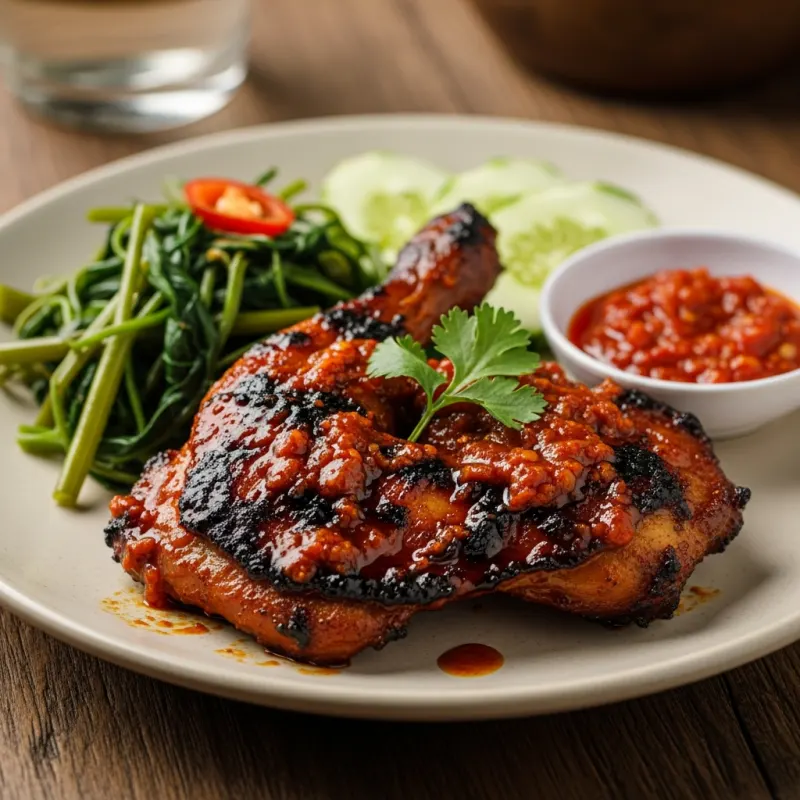
Ayam Taliwang spicy grilled chicken from Lombok

Must Try Dish

Ayam Taliwang - This spicy grilled chicken dish is a Lombok specialty, marinated in a rich blend of garlic, chili, and shrimp paste before being grilled over an open flame. It is traditionally served with a side of water spinach and a fiery sambal, offering a true taste of the island's bold culinary heritage.

Food Experiences

No food experience found

GetReady

Plan your trip seamlessly with our trusted partners and expert guidance. Follow these steps to book everything you need or connect with a local tour guide for personalized support

Step 1: Find the Perfect Accommodation

Explore a wide range of hotels, boutique stays, and vacation rentals to suit every traveler’s needs and budget. From luxury options to cozy family stays, find the best place for your trip.

Step 2: Book Your Flights

Secure the best flight deals for your destination. With our trusted partners, booking flights is quick and hassle-free.

Step 3: Let a Tour Guide Help

Not sure where to start? A professional local tour guide can create a customized itinerary or assist you in planning your trip. Make your journey seamless and stress-free.

Step 4: Rent a Car

Travel at your own pace by renting a car. Whether you’re exploring cities or embarking on a road trip, find reliable and convenient car rental options.

Step 5: Get Travel Insurance

Protect yourself and your loved ones with comprehensive travel insurance. Our partners offer plans to cover every aspect of your journey.

Step 6: Need a Visa?

Check visa requirements for your destination and apply quickly with trusted services. Simplify the process and ensure you’re ready to travel without delays.

FAQs

While not strictly mandatory, hiring a local guide is highly recommended. They provide essential cultural context, explain the architecture, and ensure you respect local customs.
There is usually a small, nominal entrance fee or a requested donation to help maintain the village. It is very affordable.
You can only enter a house if explicitly invited by the owner or arranged by your local guide. Always ask for permission first.
Senaru is the main gateway for trekking Mount Rinjani. It is also home to the stunning Sendang Gile and Tiu Kelep waterfalls, which are just a short hike away.

Help Us Improve

If you visited
Senaru Traditional Village
click here to share your tips and stories.

This will help us improve our guides for the entire travelers community.

Related Articles

Check out our related articles and blog posts to learn even more about the destination.

Don’t Travel Alone

Share with your friends and family

Where should we send your offline card?

We hate spam just as much as you do

newsletter_consent *