

Low – budget‑friendly basics
Medium – moderate mid‑range costs
High – pricey lodging, dining & transport
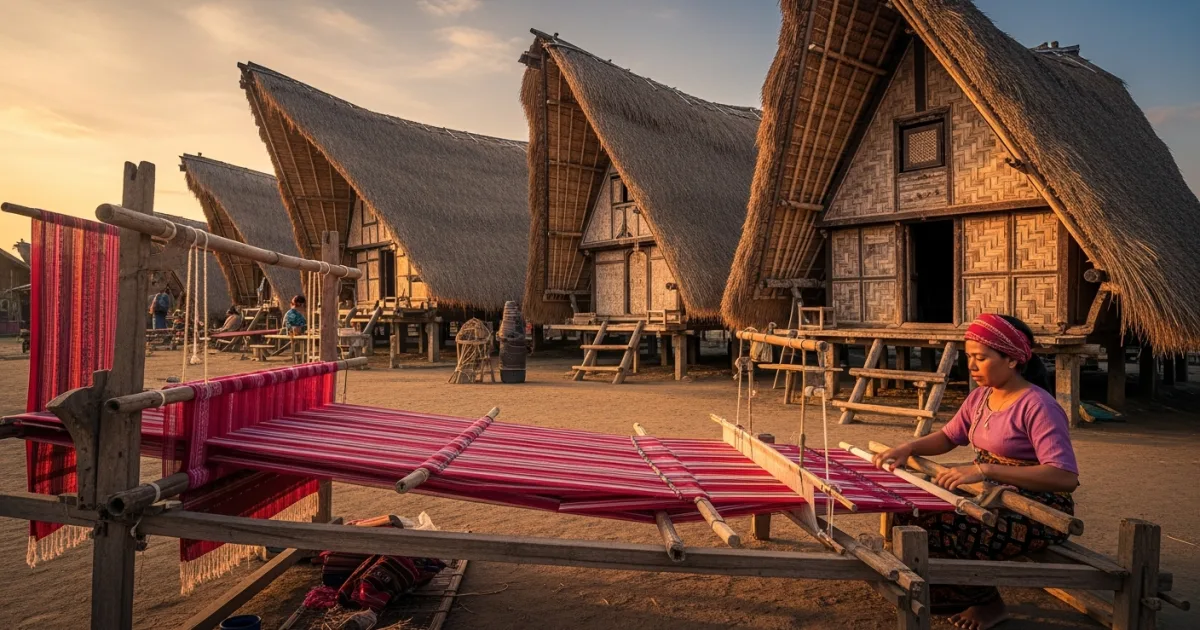
Sade Traditional Weaving Village offers a captivating glimpse into the authentic lifestyle and rich cultural heritage of the indigenous Sasak people of Lombok. Located in the Central Lombok Regency, this remarkably preserved settlement allows visitors to step back in time and witness centuries-old traditions that are still actively practiced today. The village is renowned for its distinctive architecture, featuring traditional houses with woven bamboo walls and thatched roofs made from alang-alang grass. Beyond its architectural charm, Sade is celebrated as a vibrant hub for traditional hand-woven textiles, particularly the intricate songket and ikat fabrics. Local women demonstrate their exceptional weaving skills on wooden looms, creating vibrant patterns that hold deep cultural significance. Exploring the narrow pathways of the village provides an immersive educational experience, offering insights into the daily routines, unique customs, and enduring resilience of the Sasak community.
Sade Village is home to around 700 residents, all belonging to the indigenous Sasak ethnic group. The village has deliberately maintained its traditional way of life, resisting modern architectural changes to preserve its heritage. The houses, known as 'Bale', are built using a wooden frame, bamboo walls, and a roof made of dried elephant grass. A unique and somewhat surprising custom here is the traditional practice of periodically cleaning the floors of the houses with cow dung, which locals believe keeps the floors strong and wards off mosquitoes.
Weaving is the lifeblood of the female residents in Sade. According to local tradition, a woman must master the art of weaving before she is allowed to marry. The textiles produced here, particularly the Songket, are woven using traditional backstrap looms and dyed with natural colors derived from roots, bark, and leaves. A visit here is not just a shopping trip, but a profound cultural exchange.
Sade Village is easily accessible by car or motorbike from major tourist hubs in Lombok. It is located about 30 minutes from Lombok International Airport and roughly 20 minutes from the popular beach town of Kuta Lombok. Hiring a private driver for the day is the most convenient way to visit, allowing you to combine the trip with nearby beaches and other cultural sites.
Sade Traditional Weaving Village offers a culturally enriching experience suitable for most travelers, though the terrain requires some consideration.
In traditional Sasak culture, there is a unique marriage custom known as 'Kawin Lari' or elopement. Instead of a formal proposal, the groom 'kidnaps' the bride (with her prior consent) and takes her to his family's home before the official marriage negotiations begin with her family.


Low – budget‑friendly basics
Medium – moderate mid‑range costs
High – pricey lodging, dining & transport

5 shields = Excellent – very low crime or conflict.
4 shields = Safe – low risk, routine care.
3 shields = Relatively safe – use normal street smarts.
2 shields = Use caution – higher crime or periodic unrest.
1 shields = Avoid – active conflict or extreme danger.


The ideal time to visit Sade Traditional Weaving Village is during the dry season, which runs from May to October. During these months, the weather is generally sunny and less humid, making it comfortable to explore the outdoor village.
Remember to check the weather forecast a few days before the trip and before heading to the airport.
5 shields = Excellent – very low crime or conflict.
4 shields = Safe – low risk, routine care.
3 shields = Relatively safe – use normal street smarts.
2 shields = Use caution – higher crime or periodic unrest.
1 shields = Avoid – active conflict or extreme danger.
Scores are derived from multi-year peace, homicide and security indices blended into a single 1-to-5 scale.
The rating is based on multi-year peace, crime, and security indices. Before you go, always verify current conditions through official government travel advisories.
No internet needed • Includes local translations • Free for TravelingWiz readers

Visiting Sade Traditional Weaving Village is highly affordable. Entry is typically based on a voluntary donation, and the primary expenses will be any traditional textiles or souvenirs you choose to purchase directly from the local artisans.
Low – budget‑friendly basics
Medium – moderate mid‑range costs
High – pricey lodging, dining & transport
Low – budget‑friendly basics
Medium – moderate mid‑range costs
High – pricey lodging, dining & transport
Low – budget‑friendly basics
Medium – moderate mid‑range costs
High – pricey lodging, dining & transport
Low – budget‑friendly basics
Medium – moderate mid‑range costs
High – pricey lodging, dining & transport
Per person, per day – pocket cash for small purchases.
Low – budget‑friendly basics
Medium – moderate mid‑range costs
High – pricey lodging, dining & transport
Full daily spend estimation (accommodation, food, transportation, attractions).
Travel Style | Indonesian Rupiah (IDR) | ≈ USD ($) |
|---|---|---|
Budget | 150000 | 10 |
Mid-range | 500000 | 33 |
Comfort | 1500000 | 100 |
The Prices, Daily costs, and calculator results are estimates for planning purposes only. Actual costs may vary based on season, booking timing, personal spending habits, and currency fluctuations. TravelingWiz cannot be held responsible for discrepancies between these estimates and your final trip expenses.
Low – budget‑friendly basics
Medium – moderate mid‑range costs
High – pricey lodging, dining & transport
Explore a wide range of hotels, boutique stays, and vacation rentals to suit every traveler’s needs and budget. From luxury options to cozy family stays, find the best place for your trip.
Secure the best flight deals for your destination. With our trusted partners, booking flights is quick and hassle-free.
Not sure where to start? A professional local tour guide can create a customized itinerary or assist you in planning your trip. Make your journey seamless and stress-free.
Travel at your own pace by renting a car. Whether you’re exploring cities or embarking on a road trip, find reliable and convenient car rental options.
Protect yourself and your loved ones with comprehensive travel insurance. Our partners offer plans to cover every aspect of your journey.
Check visa requirements for your destination and apply quickly with trusted services. Simplify the process and ensure you’re ready to travel without delays.
This will help us improve our guides for the entire travelers community.
Share with your friends and family

Buy a compatible power adapter for your trip