>
>
>
>
Domburg
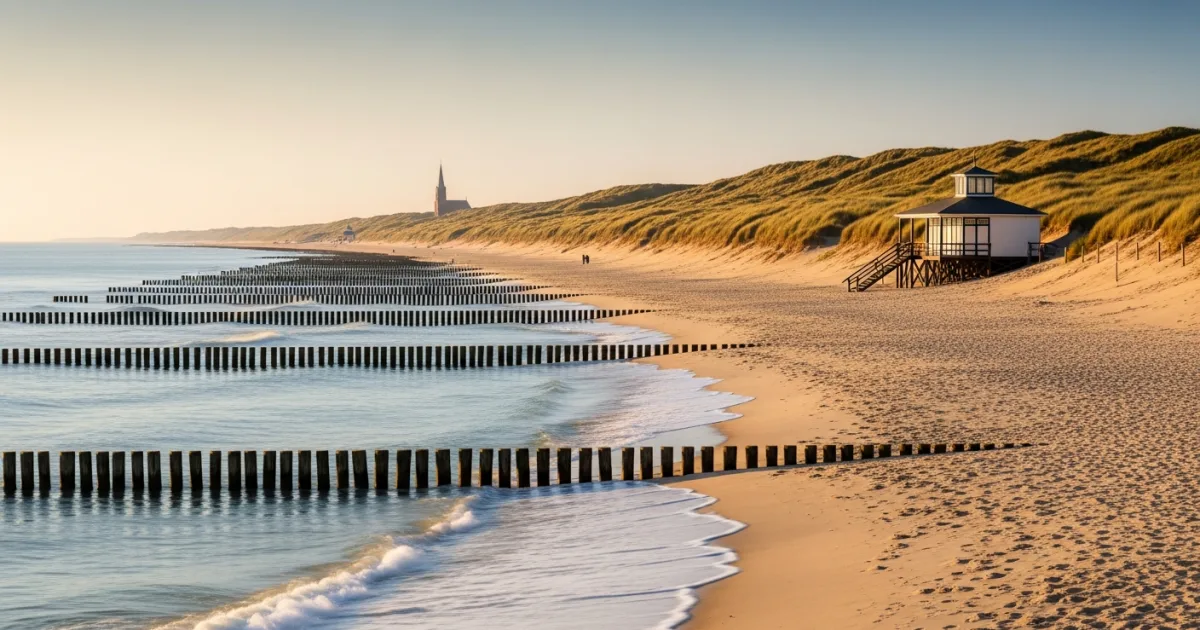
Wide view of Domburg beach with wooden wave breakers and sand dunes at sunset

Domburg Overview & Key Highlights

Domburg operates as the oldest seaside resort in the Dutch province of Zeeland, officially welcoming bathing tourists since 1834. The town holds a formal 'Badstatus' (healing seaside resort status) awarded in 2014, recognizing the therapeutic qualities of its seawater and coastal air. Situated on the Walcheren peninsula, the municipality supports a permanent population of approximately 1,650 residents, which swells significantly during the peak summer months. The local economy relies heavily on tourism, supported by expansive sandy beaches, historic bathing pavilions, and a well-preserved village center. Cultural tourism in Domburg centers around its early 20th-century history as an artists' colony, which attracted prominent figures such as Piet Mondrian and Jan Toorop. The Marie Tak van Poortvliet Museum currently preserves and exhibits works from this influential period, drawing art historians and enthusiasts year-round. Beyond the village borders, the surrounding De Manteling nature reserve provides 740 hectares of protected dunes and forests for ecological observation and hiking. Visitors access the town primarily via regional buses connecting from the Middelburg railway station, located 16 kilometers inland.

Essential Domburg Logistics & In-Depth Travel Tips

Domburg's geographical position on the northwestern edge of the Walcheren peninsula exposes it directly to the North Sea, shaping both its climate and its historical development. The village center features a compact grid of streets radiating from the central market square, dominated by the Protestant Church built in the 15th century. The coastal defense system relies on high sand dunes rather than concrete dikes, preserving a natural aesthetic while protecting the low-lying hinterland from storm surges.

The local infrastructure caters heavily to pedestrian and bicycle traffic, with extensive paved paths connecting Domburg to neighboring coastal villages like Westkapelle and Oostkapelle. The town's commercial sector is concentrated along the Ooststraat and Weststraat, housing boutique retail, equipment rental shops, and numerous dining establishments. Environmental conservation efforts are highly visible, particularly in the strict zoning laws that prevent high-rise developments from obstructing the historic skyline or damaging the fragile dune ecosystems.

Reasons to Visit

  • Official Wellness Status: Domburg is one of only two Dutch coastal towns holding the European 'Badstatus', offering certified thalassotherapy treatments using local seawater.
  • Artistic Heritage: The Marie Tak van Poortvliet Museum showcases the works of the early 20th-century Domburg Painters' Colony, including early sketches by Piet Mondrian.
  • De Manteling Nature Reserve: This 740-hectare protected area features unique stunted oak forests shaped by sea winds, alongside 12th-century Westhove Castle.
  • Pristine Beaches: The local beaches consistently receive the Blue Flag eco-label, indicating high water quality, safety standards, and environmental management.
  • Domburgsche Golf Club: Established in 1914, this 9-hole links course is one of the oldest in the Netherlands, offering challenging play amid the coastal dunes.

Things to Avoid

  • Walking on Unmarked Dunes: Straying from designated paths damages the marram grass, which is critical for preventing coastal erosion. Fines are actively issued.
  • Ignoring Beach Flags: The North Sea features strong rip currents. Never swim when the red flag is flying at the lifeguard stations.
  • Relying on Late-Night Transit: Regional bus services (Line 52) typically cease operations before midnight; plan taxi services in advance if staying out late.
  • Parking in Residential Zones: Street parking in the village center is strictly reserved for permit holders; unauthorized vehicles face immediate towing or high fines.

Local Transportation Tips

Bicycles serve as the primary mode of transportation within Domburg and the surrounding Walcheren region. The area features a comprehensive network of segregated, paved cycle paths (fietspaden) utilizing the national numbered node system (knooppuntennetwerk) for easy navigation. For motorized public transit, Connexxion operates Bus Line 52, providing regular connections between Domburg and the central railway hub in Middelburg. Taxis are available but must generally be booked by phone in advance, as street hailing is uncommon in the village.

Travel Etiquette

  • Cycling Rules: Always stay in the designated red cycle lanes, signal turns with your hand, and use lights after dusk; police actively fine cyclists without lights.
  • Greeting Customs: It is customary to greet shopkeepers with a brief 'Hallo' or 'Goedemorgen' upon entering and 'Tot ziens' when leaving small boutiques.
  • Beach Cleanliness: Pack out all trash. Municipal bins are provided at every beach crossing, and littering is socially unacceptable and heavily fined.
  • Tipping: Service is included in restaurant bills by law. However, rounding up the bill or leaving a 5-10% tip for good service is standard practice.

Recommended Age Group

Domburg's infrastructure and attractions cater to a wide demographic, though its focus on nature and wellness makes it particularly suited for families and older adults.

  • Babies (0-2 years): Recommended. The village features paved, stroller-friendly paths, and the beaches offer clean, safe environments with accessible pavilion facilities.
  • Kids (3-12 years): Recommended. The wide sandy beaches, shallow tidal pools, and nearby attractions like the Terra Maris museum provide excellent educational and recreational opportunities.
  • Teens (13-19 years): Neutral. While surfing and beach activities are available, the town lacks the vibrant nightlife or large-scale entertainment venues typically sought by this age group.
  • Adults (20-64 years): Recommended. The combination of high-end dining, wellness spas, art history, and extensive cycling networks offers a well-rounded experience.
  • Seniors (65+ years): Recommended. Flat terrain, abundant benches, accessible promenades, and specialized thalassotherapy treatments make it an ideal destination for older travelers.

Accessibility Level: Medium

  • Beach Access: Several beach crossings in Domburg are equipped with paved ramps, and special beach wheelchairs (jutters) can be rented at local pavilions.
  • Public Transport: Connexxion buses operating on Line 52 feature low floors and designated wheelchair spaces.
  • Accommodation: Many modern hotels and renovated historic properties offer ground-floor rooms and elevator access, though verifying specific ADA-equivalent compliance prior to booking is advised.
  • Paved Pathways: The village center and the primary trails through De Manteling are fully paved and flat, ensuring easy navigation for mobility devices.

Did You Know?

In the late 19th century, Domburg gained international prominence due to Dr. Johann Mezger, a pioneer of modern physiotherapy. His successful treatments attracted European royalty, including Empress Elisabeth of Austria (Sisi), who stayed at the local Villa Carmen Sylva, cementing the town's reputation as an elite health resort.

Cool Statistics

  • 1834: The year Domburg officially established its first bathing pavilion, marking its birth as a seaside resort.
  • 740 Hectares: The total area of the adjacent De Manteling nature reserve, protecting vital dune ecosystems.
  • 1,650: The approximate permanent population of Domburg, which can increase tenfold during summer weekends.
  • 1914: The founding year of the Domburgsche Golf Club, making it a historic fixture in Dutch sports.


Address:

Domburg, Netherlands

Find Nearby Accommodations

Basic Info

address icon

COUNTRY & Region

Netherlands,
Europe
Medium
Currency icon

LOCAL CURRENCY​

Euro (EUR)
Price level icon
Medium
Safety Level icon
Duration icon

Recommended Duration

• Full day
• 1-7 days

Electricity

electricity icon

Electricity

220-240V, 
50Hz
Plug Socket icon

Plug Type

• Type C (Round pin)
• Type F (Two round pins with earth clips)
Plug types
Click To View Plug Types

Activities To Do In Domburg

Best Time To Visit

The optimal window for visiting Domburg spans from late May to early September, aligning with the warmest North Sea temperatures and the longest daylight hours.

  • Summer (June - August): Peak tourist season features average highs of 22°C, water temperatures reaching 18°C, and fully operational beach pavilions.
  • Spring (April - May): Characterized by blooming coastal flora and lower precipitation, with average temperatures between 10°C and 15°C.
  • Autumn (September - October): Offers quieter beaches and excellent conditions for windsurfing, though rainfall increases to an average of 80mm per month.
  • Winter (November - March): Many seasonal businesses close, but the period attracts visitors seeking brisk dune walks and indoor wellness retreats.

Remember to check the weather forecast a few days before the trip and before heading to the airport.

Safety Level icon

SAFETY Level

Excellent. Domburg maintains exceptionally low crime rates, typical of Dutch coastal resort towns. Visitors should exercise standard precautions against bicycle theft by using sturdy locks and remain aware of strong rip currents when swimming in the North Sea. Pay attention to the colored flag system on the beaches indicating water safety.

The rating is based on multi-year peace, crime, and security indices. Before you go, always verify current conditions through official government travel advisories.

Emergency Numbers

Police: 112
Ambulance: 112

No internet needed • Includes local translations • Free for TravelingWiz readers

Spoken Languages

Dutch is the primary language. English and German are spoken fluently by nearly all hospitality and retail workers due to the high volume of international tourists.

Learn The Language

  • Hallo (Hello)
  • Dank u wel (Thank you)
  • Alstublieft (Please / Here you go)
  • Spreekt u Engels? (Do you speak English?)
  • Waar is het strand? (Where is the beach?)
  • Hoeveel kost dit? (How much does this cost?)
  • De rekening, alstublieft (The bill, please)
  • Tot ziens (Goodbye)

Trip Cost & Budgeting for Domburg, 2026

Everything you need to know about money while traveling

Travel expenses in Domburg align with premium Dutch coastal resorts, driven by high demand during the summer months and a concentration of wellness-focused accommodations.

Currency icon

LOCAL CURRENCY​:

Euro (EUR)
Price level icon
Medium
Debit cards (Maestro/V-Pay) and major credit cards are universally accepted in Domburg's restaurants, hotels, and supermarkets. Cash remains useful for small purchases at seasonal beach kiosks or local markets.

Per person, per day – pocket cash for small purchases.

Local: 50
Euro (EUR)
≈ 55 USD

Full daily spend estimation (accommodation, food, transportation, attractions).

Travel Style
Euro (EUR)
≈ USD ($)
Budget
120
132
Mid-range
250
275
Comfort
450
495

The Prices, Daily costs, and calculator results are estimates for planning purposes only. Actual costs may vary based on season, booking timing, personal spending habits, and currency fluctuations. TravelingWiz cannot be held responsible for discrepancies between these estimates and your final trip expenses.

  • Utilize the ZeelandPas: This regional discount card provides reduced entry fees to museums, including the Marie Tak van Poortvliet Museum, and discounts on local transit.
  • Rent Bicycles Locally: Daily bike rentals average €12-€15, offering the most cost-effective transport across the Walcheren peninsula compared to taxis or parking fees.
  • Self-Cater Lunch: Purchasing fresh bread and local cheese from the Albert Heijn supermarket on Traverse street reduces daily food costs by approximately 40% compared to beach pavilion dining.
  • Travel in Shoulder Season: Accommodation rates drop by 30-50% in May and September while weather conditions remain suitable for outdoor activities.

Pre-Order Tickets

Avoid disappointment when tickets sell out — and skip the long lines by booking online in advance. You’ll often save up to 20% too.
Save up to 20%

Travel Discounts & Coupons

Save on hotels, attractions, transport, and gear — find verified discounts for smarter travel spending.
Verified Coupons

What To Pack

  • Windproof Jacket: Coastal winds average 15-20 knots year-round, making a windbreaker essential even in summer.
  • Sturdy Walking Shoes: The 740-hectare De Manteling nature reserve features unpaved forest and dune trails requiring proper footwear.
  • European Plug Adapter: Type C or F adapters are necessary for 230V outlets standard in Dutch accommodations.
  • Swimwear and Beach Towel: Required for accessing the North Sea beaches and local wellness spa facilities.
  • Layered Clothing: Temperatures fluctuate rapidly; summer highs average 22°C (72°F) but evenings drop to 14°C (57°F).

Recommended Itineraries for this Destination

Food & Drink Highlights

Local Food Overview

Zeeland's culinary identity is heavily defined by its proximity to the North Sea and the Oosterschelde estuary. Domburg's restaurants prominently feature fresh seafood, particularly mussels, oysters, and flatfish, alongside traditional Dutch coastal snacks and regional pastries.
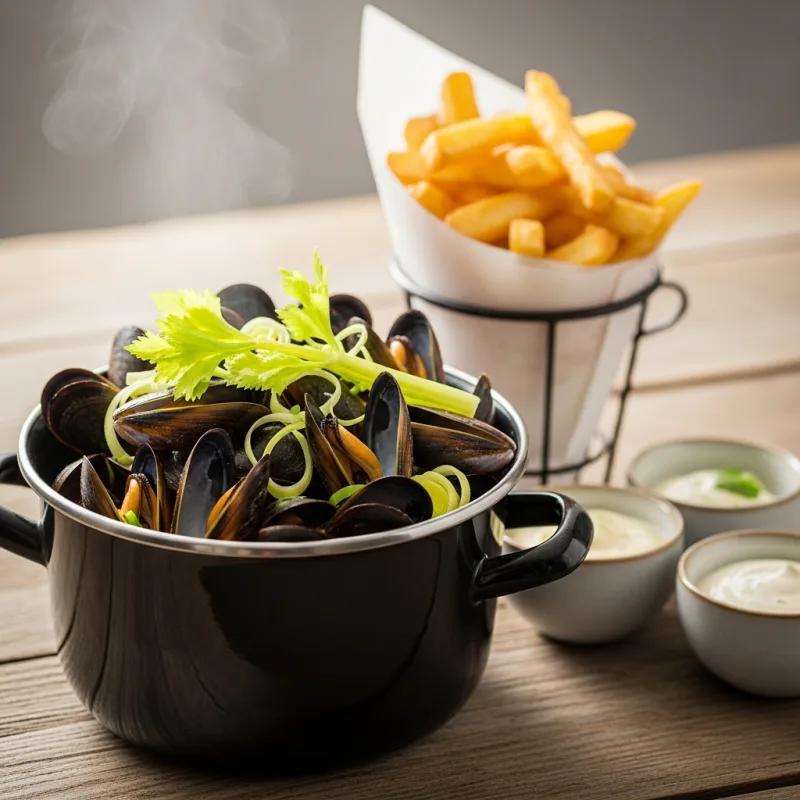
A traditional black pot of Zeeland mussels served with Dutch fries and dipping sauces

Must Try Dish

Zeeuwse Mosselen (Zeeland Mussels) - Zeeland mussels are traditionally boiled in a specialized tall black pot with white wine, leeks, onions, and celery. The dish is typically served alongside thick-cut Dutch fries and a variety of dipping sauces, including garlic and mustard mayonnaise.

Food Experiences

No food experience found

GetReady

Plan your trip seamlessly with our trusted partners and expert guidance. Follow these steps to book everything you need or connect with a local tour guide for personalized support

Step 1: Find the Perfect Accommodation

Explore a wide range of hotels, boutique stays, and vacation rentals to suit every traveler’s needs and budget. From luxury options to cozy family stays, find the best place for your trip.

Step 2: Book Your Flights

Secure the best flight deals for your destination. With our trusted partners, booking flights is quick and hassle-free.

Step 3: Let a Tour Guide Help

Not sure where to start? A professional local tour guide can create a customized itinerary or assist you in planning your trip. Make your journey seamless and stress-free.

Step 4: Rent a Car

Travel at your own pace by renting a car. Whether you’re exploring cities or embarking on a road trip, find reliable and convenient car rental options.

Step 5: Get Travel Insurance

Protect yourself and your loved ones with comprehensive travel insurance. Our partners offer plans to cover every aspect of your journey.

Step 6: Need a Visa?

Check visa requirements for your destination and apply quickly with trusted services. Simplify the process and ensure you’re ready to travel without delays.

FAQs

Take a Dutch Railways (NS) train to Middelburg station, then transfer to Connexxion Bus line 52, which runs directly to the Domburg village center in approximately 30 minutes.
Dogs are permitted on the beaches year-round, but from May 1st to September 15th between 10:00 AM and 7:00 PM, they must be kept on a leash. Outside these hours and dates, they can run freely.
Domburg was awarded official ‘Badstatus’ in 2014 by the European Spas Association, certifying that its seawater, climate, and soil products meet strict criteria for therapeutic and wellness purposes.
Parking in the village center is paid and strictly enforced. Visitors are advised to use the large peripheral parking lots, such as the one at Irma 1 or Irma 2, which offer day rates.

Help Us Improve

If you visited
Domburg
click here to share your tips and stories.

This will help us improve our guides for the entire travelers community.

Related Articles

Check out our related articles and blog posts to learn even more about the destination.

Don’t Travel Alone

Share with your friends and family

Where should we send your offline card?

We hate spam just as much as you do

newsletter_consent *