Although Montenegro is not an EU member state, it unilaterally adopted the Euro (€) as its official currency. Coastal hotspots, modern supermarkets, and high-end marinas accept Visa and Mastercard without issue. However, the moment you venture off the main highway into rural areas, national park entry gates (such as Biogradska Gora and Prokletije), family-run konobas (traditional taverns), and remote mountain katuns (shepherd huts), card terminals are non-existent or frequently lose signal.
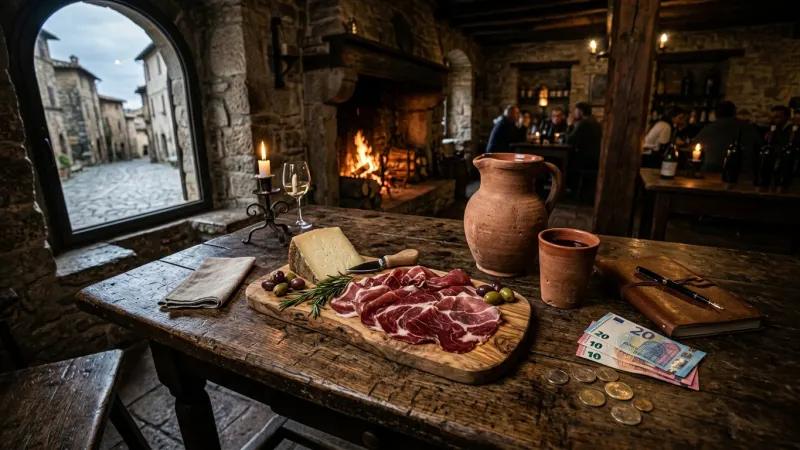
Always carry small denominations of cash—ideally 5, 10, and 20 euro bills. ATMs in tourist towns often charge significant foreign card transaction fees (ranging from 4 to 6 euros per withdrawal), and vendors in rural villages will rarely be able to break a 50 or 100 euro note for homemade prosciutto (pršut), cheese, or fresh pomegranate juice.




Buy a compatible power adapter for your trip