The Central Kalahari Game Reserve (CKGR) is a place of extremes, offering one of the most authentic and rugged safari experiences left on the African continent. Covering an area larger than Denmark, the reserve was closed to the public for decades, only opening its gates to independent travelers in the late 1990s. Its landscape is dominated by fossilized river valleys, most notably Deception Valley, which gained fame through Mark and Delia Owens' book 'Cry of the Kalahari'. During the dry winter months, the environment is harsh and unforgiving, but the summer rains bring a miraculous transformation, carpeting the pans in nutritious sweet grasses.
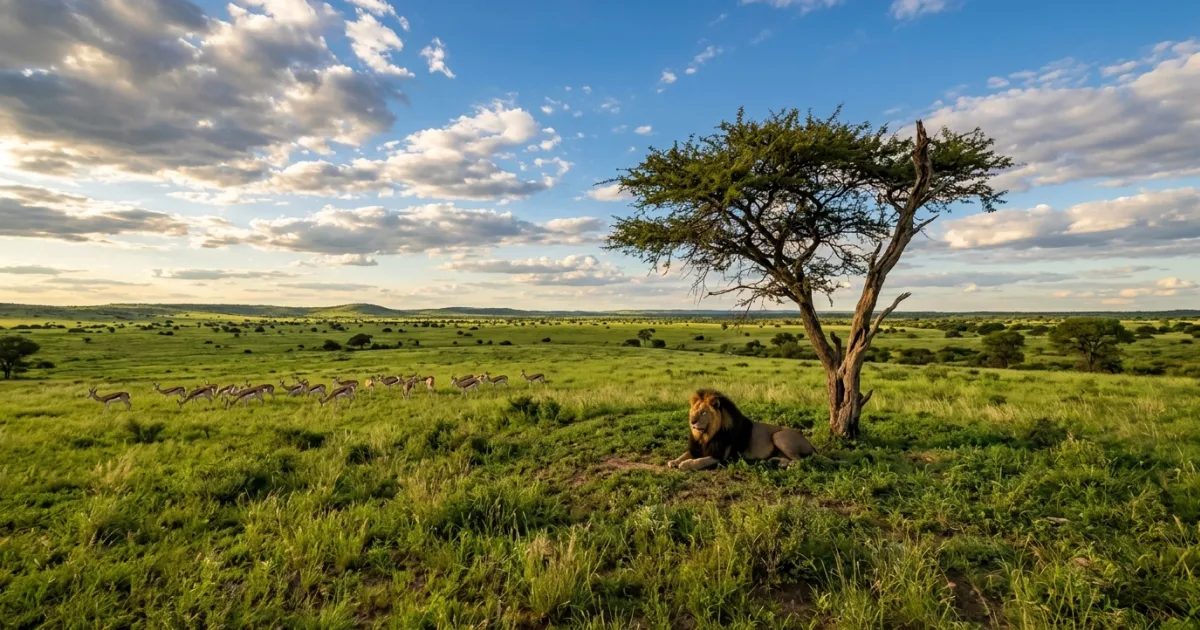
Wildlife viewing here is distinct from the water-rich Okavango Delta. The CKGR is famous for its desert-adapted species, including the majestic black-maned Kalahari lion, brown hyena, cheetah, and honey badger. The sheer isolation is a major draw; it is entirely possible to spend days exploring the northern pans without encountering another vehicle. Whether you choose to navigate the deep sand tracks in a fully equipped 4x4 or fly directly into a luxury eco-lodge, the Central Kalahari demands respect and rewards visitors with profound silence, endless horizons, and some of the darkest, most star-filled skies on Earth.
Reasons to Visit
- Black-Maned Lions: The reserve is one of the best places in Africa to see these legendary, massive lions that have adapted to the harsh desert environment.
- The Green Season Migration: Witness thousands of springbok and gemsbok congregating on the pans from December to April, followed closely by apex predators.
- Unparalleled Isolation: Experience true wilderness with minimal tourist traffic, offering a deeply personal and private safari experience.
- Astrotourism: With zero light pollution, the night skies over the Kalahari offer some of the most spectacular stargazing opportunities in the world.
- San Culture: Learn about the indigenous San people, the original inhabitants of the Kalahari, through respectful cultural walks offered by some lodges.
Things to Avoid
- Underestimating Distances: Driving in deep sand is slow. Do not plan to cover more than 20-30 kilometers per hour.
- Running Out of Supplies: Never enter the park without excess water, fuel, and food. There is no backup available inside the reserve.
- Driving Off-Road: Stick strictly to the designated tracks to protect the fragile desert ecosystem and avoid severe fines.
- Night Driving: Driving after dark is strictly prohibited in the reserve for safety and conservation reasons.
- Approaching Wildlife on Foot: Never leave your vehicle unless you are in a designated campsite, and even then, remain highly vigilant.
Local Transportation Tips
Transportation within the Central Kalahari Game Reserve is strictly limited to robust 4x4 vehicles. There are no paved roads, and the tracks consist of deep, soft sand, mud (during the wet season), and corrugated dirt. Self-drivers must be highly experienced in off-road driving and vehicle recovery. Alternatively, visitors staying at luxury lodges will arrive via light aircraft to private airstrips, and all internal transport (game drives) is conducted in specialized open 4x4 safari vehicles driven by professional guides.
Travel Etiquette
- Respect the Silence: Keep noise to a minimum at campsites and during game drives to avoid disturbing wildlife and other guests.
- Leave No Trace: If camping, you must take all your rubbish out of the reserve with you. Do not bury trash.
- Give Animals the Right of Way: Always yield to wildlife on the tracks and maintain a respectful distance, especially from elephants and predators.
- Campfire Safety: Only light fires in designated fire rings at campsites, and ensure they are completely extinguished before sleeping or leaving.
Recommended Age Group
The Central Kalahari Game Reserve is a rugged, remote destination that requires careful consideration regarding the age and stamina of travelers.
- Babies (0-2 years): Not Recommended. The extreme heat, lack of medical facilities, and dangerous wildlife make this an unsuitable environment for infants.
- Kids (3-12 years): Not Recommended. Long, bumpy drives in extreme temperatures and strict safety rules in unfenced camps can be very challenging for young children. Many luxury lodges have minimum age requirements.
- Teens (13-19 years): Neutral. Older teens with a strong interest in nature and wildlife will find it fascinating, but the lack of cellular service and long transit times require patience.
- Adults (20-64 years): Recommended. Ideal for adventurous adults seeking off-grid luxury, serious wildlife photography, and remote wilderness exploration.
- Seniors (65+ years): Recommended. Highly recommended for seniors utilizing fly-in luxury lodges that provide comfort and professional guides. Self-driving is only advised for highly experienced and physically fit seniors.
Accessibility Level: Medium
- Wheelchair Accessibility: The reserve itself is a rugged wilderness with no paved surfaces. However, a select few high-end luxury lodges offer accessible suites and can accommodate guests with mobility issues if arranged well in advance.
- Safari Vehicles: Standard safari vehicles require climbing up into high seats. Specialized operators in Botswana can arrange modified vehicles with ramps or hoists, but this must be booked through a specialized accessible travel agent.
- Medical Proximity: Visitors with serious health conditions should be aware that the nearest advanced medical care requires a medical evacuation flight.
Did You Know?
The Central Kalahari Game Reserve was originally established in 1961 to serve as a sanctuary for the San people (Bushmen), allowing them to continue their traditional hunter-gatherer lifestyle without intrusion. Today, it remains the second-largest wildlife reserve in the world.
Cool Statistics
- Size: 52,800 square kilometers (20,400 square miles), making it larger than the Netherlands.
- Establishment: Founded in 1961.
- Rainfall: Receives an average of only 150 to 500 millimeters of rain annually.
- Deception Valley: The most famous fossil river valley in the reserve, stretching for roughly 80 kilometers.






Buy a compatible power adapter for your trip