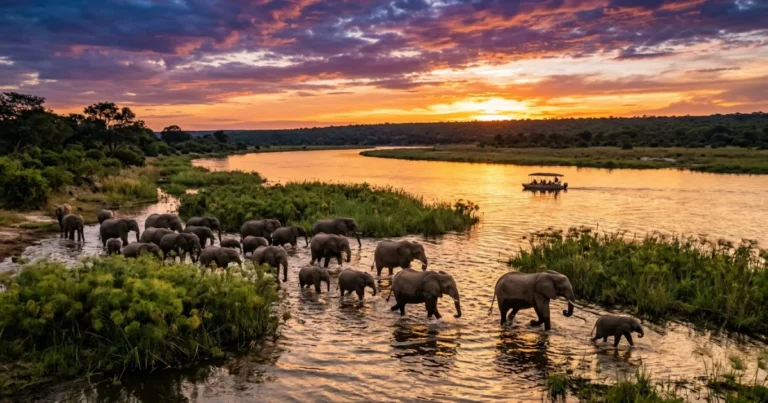
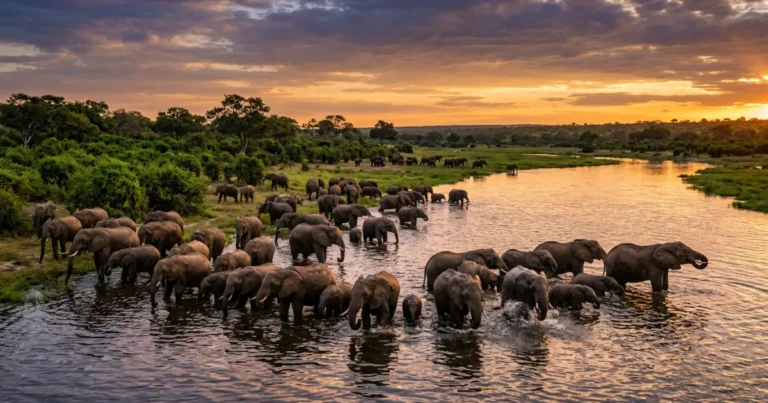
Botswana offers a safari experience that is truly wild and remote. The jewel in its crown is the Okavango Delta, a UNESCO World Heritage site where the Okavango River flows into the Kalahari Desert, creating a labyrinth of lagoons, channels, and islands. A signature experience here is gliding silently through the waterways in a traditional dugout canoe, a 'mokoro,' offering intimate encounters with wildlife. The country is also home to Chobe National Park, which has the highest concentration of elephants in Africa, and the vast, arid expanse of the Central Kalahari Game Reserve.
The country's tourism policy focuses on exclusivity to protect its pristine environment, meaning lodges are often small, remote, and expensive. This model ensures that visitors experience a wilderness that feels untouched by the modern world. For those seeking an unparalleled and authentic wildlife experience, Botswana is one of the best safari destinations on the planet.
Reasons to Visit
- The Okavango Delta: Explore the world's largest inland delta by 'mokoro' canoe, a unique and serene safari experience.
- Exclusive and Uncrowded: Enjoy a safari experience that is wild, remote, and free from the crowds of other popular destinations.
- Pristine Wilderness: Discover a country that has dedicated a huge portion of its land to protected wildlife areas.
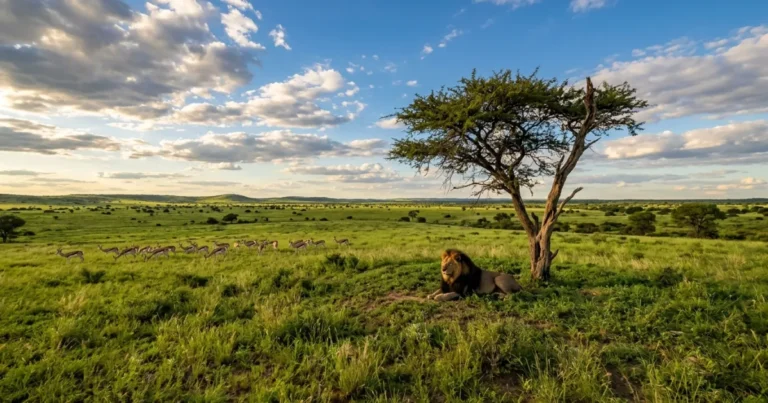
- Witness abundant wildlife, including elephants, lions, and leopards.
- Explore the Okavango Delta, a UNESCO World Heritage Site.
- Engage with San communities for a deep cultural connection.
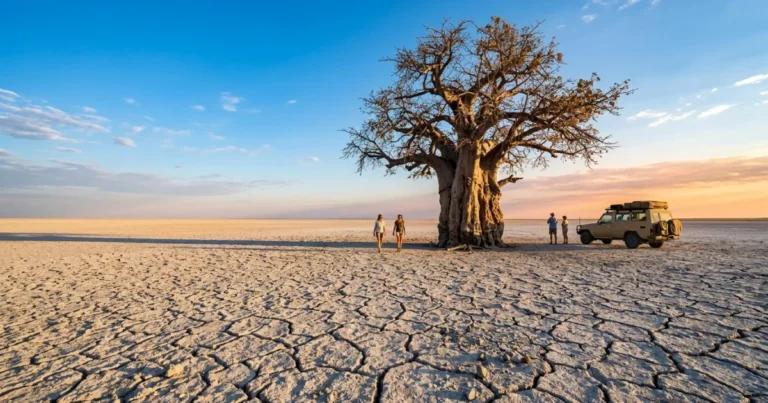
- Marvel at the expansive Makgadikgadi Salt Pans.
- Stay in luxurious, eco-friendly lodges.
Things to Avoid
- Expecting a Budget Safari: Botswana is a very expensive safari destination due to its high-cost, low-volume tourism model.
- Self-Driving Without Experience: Self-driving in Botswana, especially in the Delta and parks, is extremely challenging and requires a fully-equipped 4x4 and significant off-road experience. Most visitors opt for fly-in safaris.
- Ignoring Health Precautions: Botswana is a malaria-risk area. Consult your doctor about prophylaxis and take precautions against mosquito bites.
- Feeding Animals: Never feed any wild animals. It is dangerous and disrupts their natural behavior.
Local Transportation Tips
The most common way for tourists to travel between the remote safari camps in Botswana is by small charter flights (fly-in safaris). This is the quickest and often only way to access the lodges deep within the Okavango Delta. For more accessible parks like Chobe, organized game drives with safari companies are the norm. Self-driving is an option for experienced adventurers only.
Travel Etiquette
- Be Quiet on Safari: To maximize wildlife sightings and show respect for the animals, keep your voice low during game drives and mokoro trips.
- Follow Your Guide's Instructions: Your safari guide is a trained professional. Their instructions are for your safety and the well-being of the animals.
- Tipping: Tipping your safari guide and lodge staff is customary and a significant part of their income. Check with your tour operator for recommended amounts.
- Conservative Dress in Villages: When visiting local communities outside of the safari lodges, it is respectful to dress modestly.
Did You Know?**
Did you know? The Okavango Delta is often called "the river that never finds the sea." Its waters evaporate and transpire in the Kalahari Desert instead of flowing to an ocean or sea.
Cool Botswana Stats
- Elephant Capital: Botswana is home to the world's largest elephant population, estimated to be over 130,000.
- Land of Giants: Chobe National Park is famous for its massive Kalahari elephants, which are the largest in size of all elephant populations.
- Protected Land: Approximately 38% of Botswana's total land area is devoted to national parks, reserves, and wildlife management areas.
Recommended Age Group
Botswana is most suitable for Adults, due to the high cost, remote nature, and focus on patient wildlife observation.
- Babies (0-2 years): Not recommended. Most safari lodges have age restrictions and the environment is not suitable for infants.
- Kids (3-12 years): Not generally recommended. Many lodges have a minimum age limit (often 12+), and the long, quiet hours on safari can be difficult for young children.
- Teens (13-19 years): Recommended for older teens with a strong interest in wildlife and who are comfortable in remote environments.
- Adults (20-64 years): Highly Recommended. Botswana offers the ultimate safari experience for adults who are passionate about wildlife and pristine wilderness.
- Seniors (65+ years): Recommended with considerations. For active seniors, it is a fantastic destination. However, travel can involve small planes and bumpy game drives, which may not be suitable for everyone.
Accessibility Level: Low
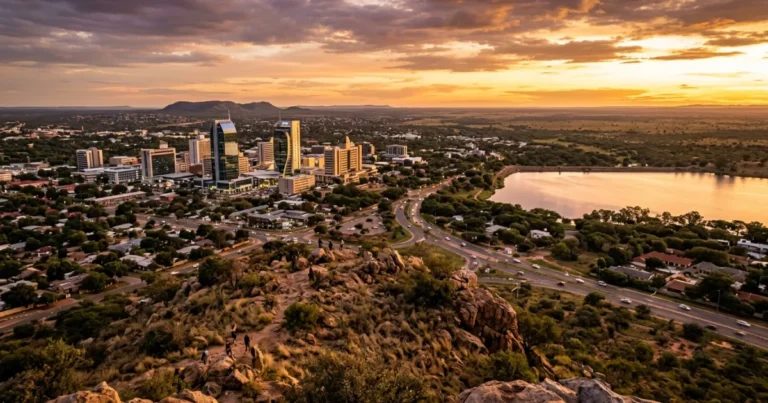
Botswana offers good infrastructure in major tourist destinations like Maun and Kasane. However, remote areas like the Okavango Delta and Kalahari Desert can be challenging to access and may require specialized transport.
- Travel is primarily by small charter planes and open 4x4 safari vehicles, which are not accessible.
- Safari lodges are typically built to blend with the natural environment and involve sandy or dirt paths and stairs.
- Some high-end lodges can cater to specific accessibility needs, but this requires significant advance planning and cost.






Buy a compatible power adapter for your trip