Disclosure: This site contains affiliate links. We may earn a commission if you make a purchase, at no extra cost to you.

>
>
>
Gaborone
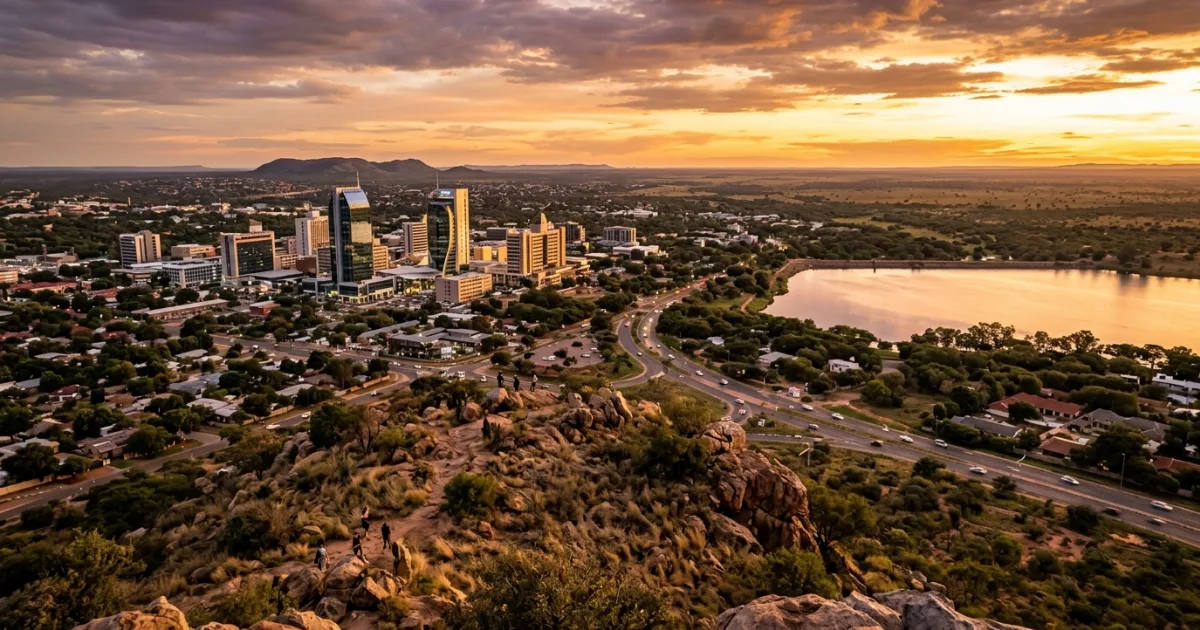
Panoramic view of Gaborone city skyline from Kgale Hill at sunset

Gaborone Overview & Key Highlights

Gaborone, the vibrant capital of Botswana, offers a unique blend of modern urban development and accessible African wilderness. Situated near the South African border, this rapidly growing city serves as the economic and cultural heart of the nation, providing visitors with a safe and welcoming introduction to Southern Africa. The city's relatively flat landscape is punctuated by the Kgale Hill, offering panoramic views for those willing to hike its gentle slopes. Beyond its bustling government enclaves and commercial centers, Gaborone surprises travelers with its immediate proximity to nature, most notably the Gaborone Game Reserve where rhinos, ostriches, and zebras roam freely just minutes from the city center. Visitors can explore the National Museum and Art Gallery to delve into the country's rich heritage, or wander through the vibrant Main Mall for authentic local crafts and street food. Whether you are using it as a springboard for a larger Okavango Delta safari or exploring its own understated charm, Gaborone delivers a peaceful yet engaging urban African experience.

Gaborone Travel Guide: Logistics & In-Depth Tips

Gaborone, affectionately known as 'Gabs' by locals, is a city born out of necessity. Following Botswana's independence in 1966, the capital was moved from Mafikeng (in South Africa) to this strategic location. Since then, fueled by the discovery of diamonds, Gaborone has transformed from a small administrative village into a sprawling, modern metropolis. The city's skyline is a testament to this rapid growth, featuring contemporary architecture like the iTowers and the impressive Diamond Trading Company building.

Despite its modernization, Gaborone retains a relaxed, unhurried atmosphere that sets it apart from other bustling African capitals. The city is laid out in a sprawling manner, with distinct neighborhoods, shopping malls, and government enclaves connected by wide avenues. Nature is never far away; the Gaborone Dam offers a serene escape for sailing and picnicking, while the nearby Mokolodi Nature Reserve provides opportunities for rhino tracking and giraffe viewing just a short drive from the city center. This seamless integration of urban convenience and natural beauty makes Gaborone a fascinating destination for travelers seeking a gentle introduction to the wonders of Botswana.

Reasons to Visit

  • Accessible Wildlife: Experience African wildlife without leaving the city limits at the Gaborone Game Reserve.
  • Safety and Stability: Enjoy peace of mind in one of Africa's safest and most politically stable capital cities.
  • Cultural Heritage: Learn about Botswana's history, art, and culture at the National Museum and Art Gallery.
  • Outdoor Activities: Hike up Kgale Hill for stunning sunrise or sunset views over the city and the Gaborone Dam.
  • Authentic Markets: Browse the Main Mall for traditional crafts, textiles, and a taste of local street food.

Things to Avoid

  • Walking alone at night: While generally safe, it is best to avoid walking in unlit or isolated areas after dark.
  • Photographing government buildings: Avoid taking pictures of military installations, the State House, or police stations without permission.
  • Ignoring wildlife rules: Even in smaller reserves, wild animals are unpredictable. Always stay in your vehicle unless in designated safe areas.
  • Disrespecting local customs: Botswana has a conservative culture; dress modestly when away from tourist resorts and always greet elders respectfully.

Local Transportation Tips

Navigating Gaborone is relatively straightforward. The backbone of public transport is the 'combi' system—white minibuses that operate on fixed routes across the city. They are incredibly cheap and a great way to experience local life, though they can be crowded. For more direct travel, private taxis are plentiful. Unlike in some cities, taxis in Gaborone do not typically cruise for fares; you will need to find them at designated taxi ranks (like at shopping malls or the bus station) or call one by phone. Ride-hailing apps are also beginning to establish a presence in the city. If you plan to explore the outskirts or nearby nature reserves, renting a car is highly recommended, as roads are generally in good condition.

Travel Etiquette

  • Greetings are crucial: Always greet people with a polite 'Dumela' (Hello) before asking a question or starting a transaction.
  • Respect elders: Show deference to older individuals, a cornerstone of Setswana culture.
  • Ask before photographing: Always seek permission before taking photos of local people, especially in rural areas outside the city.
  • Use your right hand: When giving or receiving items, use your right hand, or both hands for added respect.
  • Dress modestly: While Gaborone is modern, overly revealing clothing may attract unwanted attention or be considered disrespectful in traditional settings.

Recommended Age Group

Gaborone is a versatile destination that caters well to various age groups, offering a mix of urban comfort and accessible nature.

  • Babies (0-2 years): Neutral. While the city has modern medical facilities and supermarkets for supplies, the heat and lack of dedicated infant attractions make it less ideal for very young babies.
  • Kids (3-12 years): Recommended. Children will love the easy wildlife viewing at the Gaborone Game Reserve and the open spaces around the Gaborone Dam.
  • Teens (13-19 years): Recommended. Teens can enjoy hiking Kgale Hill, exploring the modern malls, and experiencing a different culture in a safe environment.
  • Adults (20-64 years): Recommended. Perfect for adults interested in cultural exploration, business, or using the city as a comfortable base before a larger safari.
  • Seniors (65+ years): Recommended. The city's flat terrain, excellent private healthcare, and relaxed pace make it a comfortable and engaging destination for older travelers.

Accessibility Level: Medium

  • Modern shopping malls and newer hotels in Gaborone generally offer good wheelchair accessibility, including ramps and elevators.
  • Pavements in the city center and older neighborhoods can be uneven, lacking dropped curbs, which may pose challenges for mobility device users.
  • Public transport (combis) is not wheelchair accessible; travelers with mobility needs should arrange private, specialized transport in advance.
  • Major tourist sites like the National Museum have made efforts to improve accessibility, but it is advisable to call ahead to confirm specific facilities.

Did You Know?

Did you know that Gaborone was essentially built from scratch in the 1960s? When Botswana gained independence in 1966, it needed a capital within its own borders (the previous administrative center was in South Africa). Gaborone was chosen for its proximity to a fresh water source and the railway line, transforming rapidly from a tiny village into the bustling city it is today.

Cool Statistics

  • Population: Approximately 246,000 people, making it the largest city in Botswana.
  • Elevation: Situated at an altitude of 1,014 meters (3,327 feet) above sea level.
  • Diamond Hub: Gaborone is home to the Diamond Trading Company Botswana, one of the largest and most sophisticated rough diamond sorting and valuing facilities in the world.
  • Rapid Growth: It was one of the fastest-growing cities in the world during the first few decades after Botswana's independence.


Address:

Gaborone, Botswana

Find Nearby Accommodations

Basic Info

address icon

COUNTRY & Region

Botswana,
Africa

ACCESSIBILITY LEVEL​

Medium
Currency icon

LOCAL CURRENCY​

Botswana Pula (BWP)
Price level icon
Medium
Safety Level icon

SAFETY LEVEL

Duration icon

Recommended Duration

• Full day
• 1-7 days

Electricity

electricity icon

Electricity

220-240V, 
50Hz
Plug Socket icon

Plug Type

• Type D (Three round pins in a triangular pattern)
• Type G (Three rectangular pins in a triangular pattern)
• Type M (Three round pins, larger)
Plug types
Click To View Plug Types
Gaborone is part of our
Solo Female Friendly collection

Activities To Do In Gaborone

Best Time To Visit Gaborone

The best time to visit Gaborone is during the dry winter months from May to September. During this period, the weather is sunny and mild during the day, though nights can be quite cold. This season is also optimal for wildlife viewing as animals congregate around water sources.

  • May - September: Dry season. Pleasant daytime temperatures (around 20-25°C) and cool nights. Ideal for outdoor activities and safaris.
  • October - November: Spring/early summer. Temperatures begin to rise significantly, often exceeding 30°C, before the rains arrive.
  • December - April: Wet summer season. Hot and humid with frequent afternoon thunderstorms. The landscape becomes lush and green, making it excellent for birdwatching, though some unpaved roads may become difficult to navigate.

Average Temperatures Per Month

Remember to check the weather forecast a few days before the trip and before heading to the airport.

Safety Level icon

Safety Level

Gaborone is considered one of the safest capital cities in Africa, but visitors should still exercise standard urban precautions. Avoid walking alone at night in unlit areas, particularly around the Gaborone Dam or isolated neighborhoods. Keep valuables out of sight to prevent opportunistic snatch-and-grab theft, especially in crowded areas like the Main Mall or the bus station. Always use registered taxis rather than hailing unmarked vehicles, and keep your car doors locked while driving.

The rating is based on multi-year peace, crime, and security indices. Before you go, always verify current conditions through official government travel advisories.

Emergency Numbers

Police: 999
Ambulance: 997

No internet needed • Includes local translations • Free for TravelingWiz readers

Spoken Languages

English is the official business language and is widely spoken, making communication easy for international travelers. Setswana is the national language and is spoken by the vast majority of the local population.

Learn The Language

  • Dumela (Hello)
  • O tsogile jang? (How are you?)
  • Ke tsogile sentle (I am fine)
  • Ke a leboga (Thank you)
  • Tsamaya sentle (Goodbye – to person leaving)
  • Sala sentle (Goodbye – to person staying)
  • Ee (Yes)
  • Nnyaa (No)
Travel Booking Partner - TravelingWiz

Trip Cost & Budgeting for Gaborone, 2026

Everything you need to know about money while traveling
Is Gaborone expensive for tourists in 2026? While Botswana is famous for high-end safaris, Gaborone itself offers moderate prices for urban travelers. Based on our Human Verified prices, expect to pay around 32 BWP for a cappuccino, 28 BWP for a domestic beer, and 180 BWP for a mid-range restaurant meal. Overall costs remain reasonable compared to Western capitals. Use the data table below to calculate your specific daily budget based on your travel style.
Currency icon

LOCAL CURRENCY​:

Botswana Pula (BWP)
Price level icon
Medium
Major hotels, supermarkets, and restaurants in Gaborone accept credit cards, but cash is needed for taxis and local markets.

Per person, per day – pocket cash for small purchases.

Local: 130
Botswana Pula (BWP)
≈ 10 USD

Full daily spend estimation (accommodation, food, transportation, attractions).

Travel Style
Botswana Pula (BWP)
≈ USD ($)
Budget
730
54
Mid-range
1320
98
Comfort
2900
216

The Prices, Daily costs, and calculator results are estimates for planning purposes only. Actual costs may vary based on season, booking timing, personal spending habits, and currency fluctuations. TravelingWiz cannot be held responsible for discrepancies between these estimates and your final trip expenses.

  • • Take shared minibuses (combis) around Gaborone instead of private hires to drastically lower daily transport costs.
  • • Dine at local canteens around Main Mall for traditional meals like seswaa under 60 BWP.
  • • Visit Kgale Hill or Gaborone Game Reserve for low entry fees compared to national safari reserves.
  • • Withdraw Botswana Pula directly from city ATMs like Absa or FNB for better rates than currency exchange booths.

Pre-Order Tickets

Avoid disappointment when tickets sell out — and skip the long lines by booking online in advance. You’ll often save up to 20% too.
Save up to 20%

Travel Discounts & Coupons

Save on hotels, attractions, transport, and gear — find verified discounts for smarter travel spending.
Verified Coupons

What To Pack

  • Lightweight, breathable clothing for hot daytime temperatures.
  • A warm jacket or fleece for surprisingly chilly evenings, especially during the winter months (May to August).
  • Comfortable walking shoes or hiking boots for exploring Kgale Hill and nature reserves.
  • Sun protection including a wide-brimmed hat, sunglasses, and high-SPF sunscreen.
  • Binoculars and a good camera for wildlife spotting at the Gaborone Game Reserve.
  • A universal power adapter suitable for Type D, G, or M outlets.
  • Insect repellent to protect against mosquitoes, particularly in the wet season.
We couldn't find tips for Gaborone.
If you got any, please share

Recommended Itineraries for Traveling to Gaborone

We couldn't find itineraries for Gaborone.
you can contact us for custom trip plan

Food & Drink Highlights

Local Food Overview

Botswana's cuisine is hearty, meat-centric, and deeply rooted in agricultural traditions. Sorghum and maize are staple grains, often served as a thick porridge alongside slow-cooked meats and wild greens. Beef is of exceptionally high quality here, reflecting the country's strong cattle-ranching heritage.
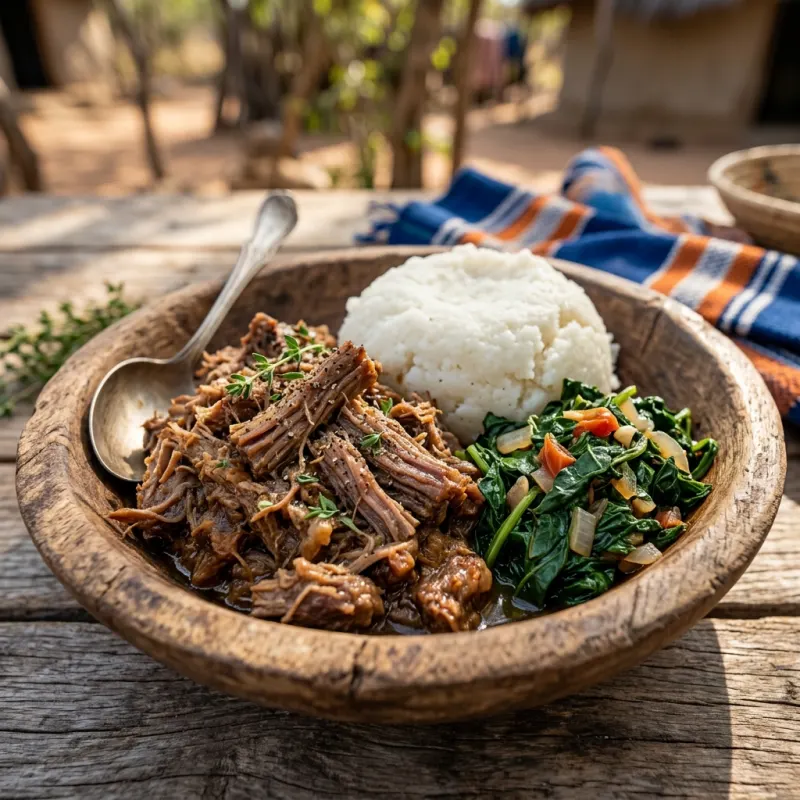
A traditional serving of Seswaa with maize meal and greens

Must Try Dish

Seswaa is Botswana's national dish, consisting of beef or goat meat that is slowly boiled until tender and then heavily pounded. It is traditionally served alongside thick maize meal (pap) or sorghum, offering a hearty and deeply comforting taste of local culinary heritage.
Food Experiences Title Icon

Food
Experiences

Discover cooking classes, tastings and local food tours

No food experience found
Maya, the human travel expert at TravelingWiz, offering curated, non-AI expertise

Maya’s Final Checklist for Gaborone

Logistics shouldn’t be the focus of your trip—the experience should. I’ve hand-vetted these essential partners to ensure your arrival, stay, and exploration are as smooth as an Athenian breeze.

Where to Stay

From boutique hotels to local apartments—compare thousands of options and find the perfect stay in the best neighborhood.

Air Travel

Getting there should be seamless. Compare the best routes and prices across top airlines to start your journey on the right note.

Local Guides

Connect with experts who know the destination best. Get personalized advice and insider tips to help you plan your perfect trip.

Travel Protection

The “Engineer’s” rule: always have a backup. Secure your trip with a plan that covers every “what if” and unexpected change.

Car Rentals

Explore at your own pace with total freedom. Compare reliable rental options and find the right vehicle for your adventure.

Visa Services

Don’t let paperwork slow you down. Get expert assistance with your application to ensure all your entry documents are in order.

FAQs

Citizens of many countries, including the US, UK, EU nations, and most Commonwealth countries, do not need a visa for tourist visits of up to 90 days. Always check the latest requirements with the Botswana embassy before traveling.
Yes, the tap water in Gaborone is generally treated and safe to drink. However, if you have a sensitive stomach, you may prefer to stick to bottled or filtered water.
While the Gaborone Game Reserve has rhinos, you will not find lions, elephants, leopards, or buffaloes roaming freely in the city. For the Big Five, you will need to travel further north to areas like the Okavango Delta or Chobe National Park.
The most common and affordable way to get around is by using ‘combis’ (shared minibuses) which run on set routes. Taxis are also widely available and relatively inexpensive, though they should be booked via phone or at designated ranks rather than hailed on the street.
The local currency is the Botswana Pula (BWP). While credit cards are widely accepted in Gaborone, it is advisable to carry some Pula for smaller purchases and transport.

Your Insights Matter

TravelingWiz grows through the stories of our community. If you’ve recently explored ,Gaborone share your tips and stories to help us perfect our guides for the next traveler.

Related Articles

Check out our related articles and blog posts to learn even more about the destination.

No related articles found

Don’t Travel Alone

Share with your friends and family

Where should we send your offline card?

We hate spam just as much as you do

newsletter_consent *