Chief's Island is situated in the central Okavango Delta and forms the core of the Moremi Game Reserve. Historically, it was the exclusive hunting ground of Chief Moremi of the local Batawana tribe, which protected it from over-exploitation. Today, it is a strictly protected conservation area, offering a safe haven for a staggering variety of wildlife, including the Big Five.
The island's geography is unique; it is large enough to remain above water even during the peak of the annual delta floods. This creates a natural refuge where animals congregate in massive numbers, providing visitors with unparalleled game viewing opportunities. The landscape transitions beautifully from seasonal floodplains and lily-filled lagoons to dense mopane woodlands and acacia scrub.
Reasons to Visit
- Experience some of the highest concentrations of wildlife in Africa, including lions, leopards, elephants, and wild dogs.
- Stay in ultra-exclusive, low-impact luxury eco-lodges that offer unparalleled privacy and service.
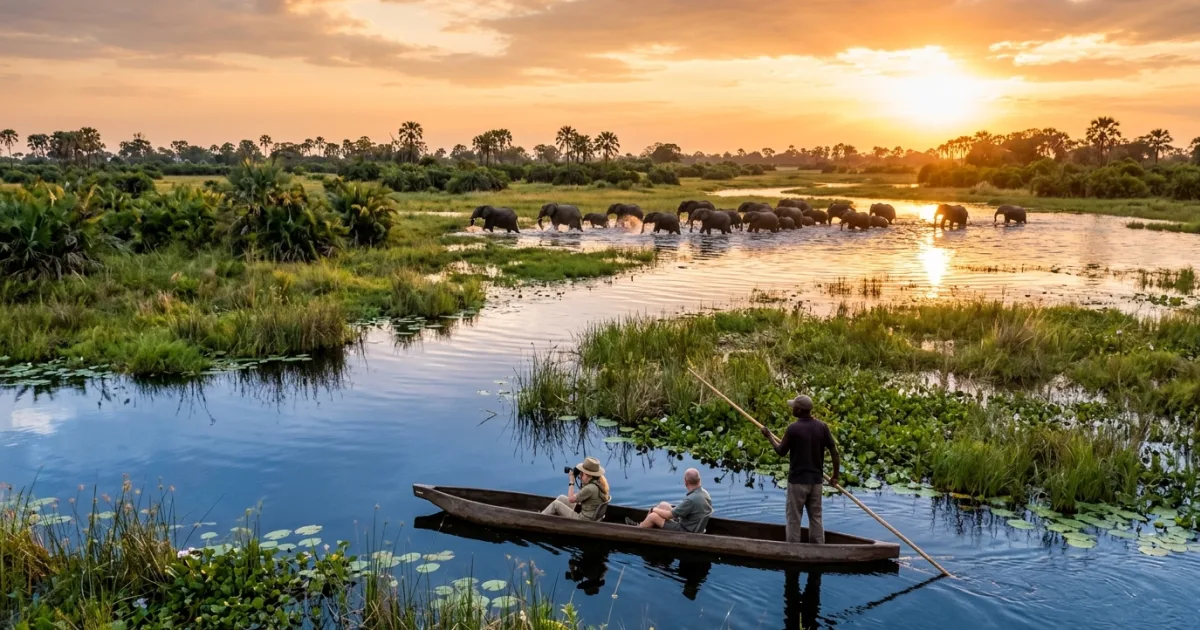
- Enjoy diverse safari activities, from traditional 4x4 game drives to serene mokoro (dugout canoe) trips through the delta waterways.
- Immerse yourself in a pristine, untouched wilderness far removed from mass tourism.
Things to Avoid
- Avoid wearing brightly colored or white clothing on safari, as it can startle wildlife and attract insects.
- Never walk around the lodge grounds unescorted at night; wild animals frequently roam through the camps.
- Do not ignore your guide's safety instructions during game drives or walking safaris.
- Avoid bringing hard-sided luggage, as light aircraft require soft-sided bags for storage.
Local Transportation Tips
Transportation to and around Chief's Island is part of the adventure. Arrival is via small light aircraft, offering spectacular aerial views of the Okavango Delta. Once on the island, transportation is entirely managed by your lodge. You will traverse the terrain in specialized open 4x4 safari vehicles for game drives, and use motorboats or traditional mokoros for exploring the surrounding waterways.
Travel Etiquette
- Maintain silence and avoid sudden movements when observing wildlife up close.
- Tipping is customary; it is standard practice to tip your guide, tracker, and the general camp staff at the end of your stay.
- Respect the pristine environment by never leaving any trash behind and adhering to the lodge's eco-friendly policies.
Recommended Age Group
Chief's Island offers an incredible wilderness experience, but its remote nature and wildlife presence dictate certain age considerations.
- Babies (0-2 years): Not Recommended. The remote location, lack of immediate medical facilities, malaria risk, and strict lodge age limits make it unsuitable for infants.
- Kids (3-12 years): Neutral. While some family-friendly lodges accept children (often requiring them to be over 6 or 12), the environment requires strict discipline and quietness around dangerous wildlife.
- Teens (13-19 years): Recommended. Older children and teenagers will find the safari experience highly educational, thrilling, and engaging.
- Adults (20-64 years): Recommended. This is the ideal demographic for enjoying the luxury amenities, active game drives, and walking safaris.
- Seniors (65+ years): Recommended. High-end lodges provide exceptional comfort, tailored low-impact activities, and excellent service, making it highly suitable for mature travelers.
Accessibility Level: Medium
- Accessibility is highly limited due to the remote wilderness setting, unpaved sandy terrain, and reliance on small aircraft for transport.
- Standard safari vehicles and mokoros require guests to have a certain level of mobility to climb in and out.
- However, some ultra-luxury lodges can make specific arrangements for guests with limited mobility if contacted well in advance, though true barrier-free travel is rare.
Did You Know?
Chief's Island was once the royal hunting ground of Chief Moremi III. In a visionary move for conservation, the local Batawana people voluntarily designated their land as a reserve in 1963, ensuring the protection of this incredible ecosystem for future generations.
Cool Statistics
- Chief's Island is approximately 1,000 square kilometers (390 square miles) in size.
- It is the largest landmass within the Okavango Delta.
- The Okavango Delta itself is a UNESCO World Heritage Site and the 1000th site to be inscribed.






Buy a compatible power adapter for your trip