Disclosure: This site contains affiliate links. We may earn a commission if you make a purchase, at no extra cost to you.
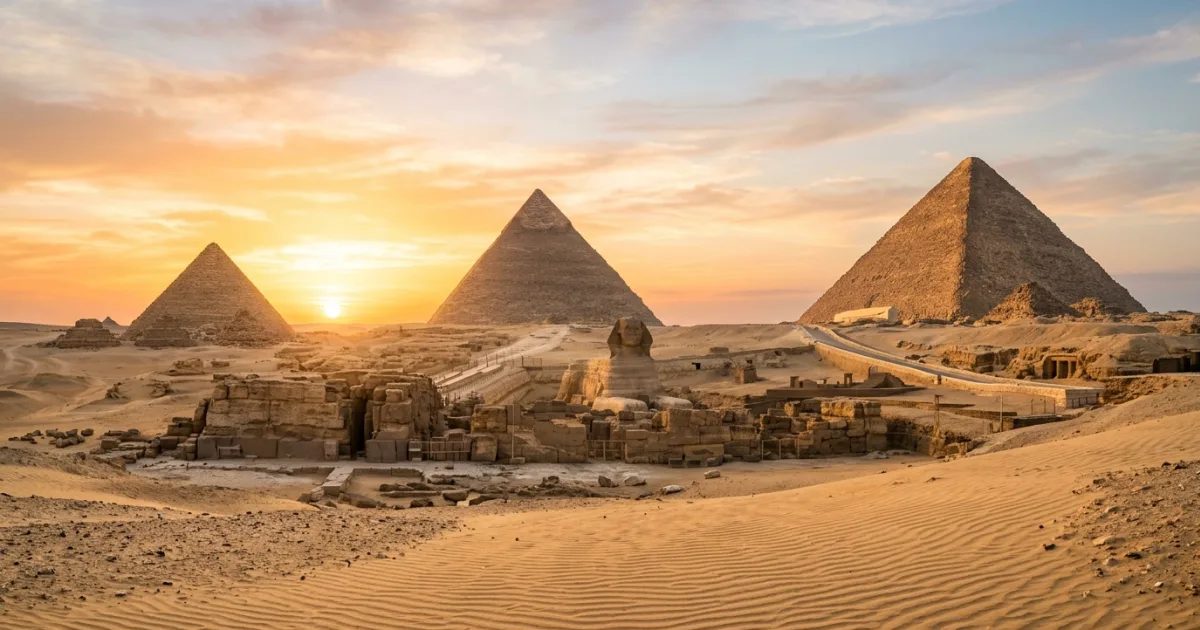
Panoramic wide view of the Giza Pyramids and desert plateau at sunrise

Basic Info

COUNTRY & Region

Egypt,
Africa, Middle East

ACCESSIBILITY LEVEL​

  • High: Widely accessible with good facilities for disabilities.
  • Medium: Some accessible options, but limitations exist.
  • Low: Limited accessibility; many barriers for disabilities.
Medium

LOCAL CURRENCY​

Egyptian Pound (EGP)

Price Level

Low – budget‑friendly basics

Medium – moderate mid‑range costs

High – pricey lodging, dining & transport

Low

SAFETY LEVEL

5 shields = Excellent – very low crime or conflict.

4 shields = Safe – low risk, routine care.

3 shields = Relatively safe – use normal street smarts.

2 shields = Use caution – higher crime or periodic unrest.

1 shields = Avoid – active conflict or extreme danger.

Scores are derived from multi-year peace, homicide and security indices blended into a single 1-to-5 scale.

Recommended Duration

1-7 days, Full day

Giza Overview & Key Highlights

Giza is the third-largest city in Egypt, situated directly on the west bank of the Nile River opposite central Cairo. World-renowned as the location of the Giza Plateau, the city contains the monumental Necropolis featuring the Great Pyramid of Khufu, the Pyramid of Khafre, the Pyramid of Menkaure, and the Great Sphinx. In addition to these ancient wonders, Giza houses the Grand Egyptian Museum (GEM), which represents the largest archaeological museum complex in the world dedicated to a single civilization. Modern Giza operates as a vibrant metropolitan hub characterized by lively commercial thoroughfares, riverside promenade dining, and traditional artisan workshops. Visitors explore layered historic districts alongside luxury desert-fringe resorts that offer panoramic views of millennium-old monuments. The urban layout bridges deep antiquity with contemporary Egyptian street life, making Giza an indispensable cultural and archaeological gateway for international travelers.

Giza Travel Guide: Logistics & In-Depth Tips

Giza stands as one of the world's most enduring centers of human civilization, anchoring the western bank of the Nile directly across from modern Cairo. Historically serving as the prime necropolis for ancient Memphis, the fourth-dynasty capital, the area's limestone plateau preserves some of humanity's grandest structural achievements. The monumental Pyramids of Khufu, Khafre, and Menkaure continue to anchor global imagination, standing alongside the enigmatic Great Sphinx carved directly from bedrock.

Today, Giza is a bustling metropolis of over three million inhabitants that seamlessly blends dense residential neighborhoods, vibrant street markets, and premier cultural institutions. The opening of the state-of-the-art Grand Egyptian Museum (GEM) firmly establishes Giza as an independent global cultural epicenter, offering unparalleled conservation labs and exhibition galleries. Visitors navigate an intriguing juxtaposition of historic desert panoramas, horse stables in Nazlet El-Semman, and contemporary café strips along the Nile corniche.

Reasons to Visit

  • Home to the Great Pyramid of Giza, the oldest and only substantially intact wonder of the ancient Seven Wonders of the World.
  • The Grand Egyptian Museum, housing tens of thousands of ancient treasures including the comprehensive King Tutankhamun collection.
  • Close proximity to the iconic Great Sphinx, the oldest known monumental sculpture in Egypt.
  • Rich vantage points offering panoramic desert-sunset camel treks looking back over the historic necropolis.
  • Authentic Egyptian culinary street culture showcasing historic heritage dishes like koshari, hawawshi, and fresh ta'ameya.

Things to Avoid

  • Avoid accepting unmetered street taxi rides without agreeing on a price beforehand; use app-based rideshares instead.
  • Avoid hiring unofficial touts or camel handlers outside official ticket gates; always book through licensed concessionaires inside the plateau boundary.
  • Avoid visiting the exposed Giza Plateau during midday summer hours between 11:00 AM and 3:00 PM due to extreme thermal exposure.
  • Avoid climbing on the pyramid stones or historic ruins, which is strictly prohibited by Egyptian antiquities law and heavily fined.

Local Transportation Tips

Transportation within Giza relies on road networks and metro infrastructure. The Cairo Metro Line 2 connects central Cairo to stations in Giza, including Giza Station (Mahattat El Giza) and Omm El Misryeen. From metro terminals, app-based ride-hailing platforms like Uber and Careem offer the most hassle-free and transparent connection to the plateau and museums. Within the Giza Plateau itself, visitors explore on foot, via electric eco-buses operating designated circuits, or through licensed horse carriages and camels contracted at official ticketing posts.

Travel Etiquette

  • Dress conservatively when visiting public neighborhoods, markets, and historic quarters by covering shoulders and knees.
  • Always ask permission before photographing local residents, vendors, or craftspeople, particularly in non-touristy quarters.
  • Tipping, known locally as 'baksheesh', is a deeply rooted social custom for small services such as luggage handling, restroom attendants, and site guidance.
  • Remove your shoes when entering any active mosque or traditional household.

Recommended Age Group

Giza offers transformative historical discoveries, though its physical scale, rocky terrain, and desert climate require consideration across different age demographics.

  • Babies (0-2 years): Not Recommended. The Giza Plateau features steep sandy paths, loose gravel, intense sunlight, and lack of stroller-friendly infrastructure.
  • Kids (3-12 years): Recommended. Children are consistently captivated by the towering scale of the pyramids, camel treks, and interactive mummy artifacts at local exhibitions.
  • Teens (13-19 years): Recommended. Teenagers engage deeply with the iconic world history, archaeological intrigue, photography spots, and dynamic museum galleries.
  • Adults (20-64 years): Recommended. Perfect demographic for comprehensive walking tours, entering pyramid burial chambers, and enjoying dining along the Nile.
  • Seniors (65+ years): Recommended. Exceptional historical value, best enjoyed utilizing private air-conditioned transport, guided carts, and avoiding rough desert walking.

Accessibility Level: Medium

  • The Giza Plateau features uneven limestone bedrock, loose sand, and paved roads lacking consistent drop curbs; wheelchair users benefit from specialized off-road chairs or vehicular drop-offs.
  • Pyramid interiors feature steep, narrow wooden ramps with handrails and low clearances that are inaccessible to wheelchair users or visitors with mobility restrictions.
  • The Grand Egyptian Museum is designed according to modern international universal accessibility standards, including wide ramps, tactile floors, elevators, and dedicated accessible restrooms.
  • Major international hotels in Giza offer step-free ground entrances, elevators, and accessible roll-in shower rooms upon advance request.

Did You Know?

The Great Pyramid of Khufu was the tallest man-made structure in the world for over 3,800 years, standing at an original height of 146.6 meters (481 feet) until the completion of Lincoln Cathedral in England in 1311 AD.

Cool Statistics

  • The Great Pyramid is constructed from an estimated 2.3 million stone blocks, each weighing an average of 2.5 metric tons.
  • The Giza Plateau rises approximately 60 meters above sea level on an elevated limestone outcrop.
  • The Grand Egyptian Museum covers approximately 500,000 square meters (5.4 million square feet), making it one of the largest museum facilities worldwide.

Address:

Giza, Egypt

Find Nearby Accommodations

Electricity

220-240V, 
50Hz

Plug Type

Type C (Round pin), Type F (Two round pins with earth clips)
Plug types
Click To View Plug Types

Activities To Do In Giza

Best Time To Visit Giza

Giza experiences an arid desert climate characterized by scorching summers and mild, clear winters. The ideal window for exploration spans late autumn through early spring when daytime temperatures allow for comfortable outdoor walking across the expansive plateau.

  • Peak Season (October to April): Daytime temperatures range between 18°C and 26°C with minimal rainfall, ideal for exploring the Pyramids and open-air monuments.
  • Shoulder Season (May and September): Warmer temperatures reaching up to 34°C with moderate tourist crowds and reduced hotel rates.
  • Low Season (June to August): High desert heat frequently exceeding 40°C during midday hours, requiring very early morning monument visits.

Average Temperatures Per Month

Average monthly temperaturesMonthly source values, with Celsius and Fahrenheit equivalents in the following data table.5°41°14°57°23°73°31°88°40°104°JanJan: 14°C / 57°FFebFeb: 15°C / 59°FMarMar: 18°C / 64°FAprApr: 23°C / 73°FMayMay: 27°C / 81°FJunJun: 30°C / 86°FJulJul: 32°C / 90°FAugAug: 31°C / 88°FSepSep: 30°C / 86°FOctOct: 25°C / 77°FNovNov: 21°C / 70°FDecDec: 17°C / 63°F
View temperature data
Average monthly temperatures
Month°C°F
Jan1457
Feb1559
Mar1864
Apr2373
May2781
Jun3086
Jul3290
Aug3188
Sep3086
Oct2577
Nov2170
Dec1763

Remember to check the weather forecast a few days before the trip and before heading to the airport.

Safety Level

5 shields = Excellent – very low crime or conflict.

4 shields = Safe – low risk, routine care.

3 shields = Relatively safe – use normal street smarts.

2 shields = Use caution – higher crime or periodic unrest.

1 shields = Avoid – active conflict or extreme danger.

Scores are derived from multi-year peace, homicide and security indices blended into a single 1-to-5 scale.

Giza maintains a visible tourist police presence across all major archaeological sites and hotel corridors. Persistent unofficial guides, camel operators, and souvenir vendors frequently approach visitors near the plateau entrances; firmly decline unwanted offers with a polite 'La, Shukran' (No, thank you). Purchase all monument entrance tickets solely through official Ministry of Tourism counters or authorized online portals to avoid fraudulent passes. Use licensed app-based ride-hailing services like Uber for cross-city transit to ensure transparent, metered fares.

The rating is based on multi-year peace, crime, and security indices. Before you go, always verify current conditions through official government travel advisories.

Emergency Numbers

Police: 122
Ambulance: 123

No internet needed • Includes local translations • Free for TravelingWiz readers

Spoken Languages

Arabic (Official, Egyptian Arabic dialect), English (Widely spoken in hotels, restaurants, and tourism sites)
Travel Booking Partner - TravelingWiz

Learn The Language

  • Salam Alaykum: Peace be upon you (Hello)
  • Shukran: Thank you
  • Min Fadlak (m) / Min Fadlik (f): Please
  • Aywa / La: Yes / No
  • Bikam da?: How much is this?
  • El-hamdu lillah: Praise be to God (Fine / All good)
  • Yalla: Let’s go
  • Ma’a as-salama: Goodbye

Trip Cost & Budgeting for Giza, 2026

Everything you need to know about money while traveling
Is Giza expensive for tourists in 2026? No, Giza offers excellent value for international visitors. Based on our Human Verified prices, expect to pay around 70 EGP for a cappuccino, 75 EGP for a domestic beer, and 300 EGP for a mid-range restaurant meal. Transport and hotel rates remain very budget-friendly across the Cairo area. Use the data table below to calculate your specific daily budget based on your travel style.

LOCAL CURRENCY​:

Egyptian Pound (EGP)

Price Level:

Low – budget‑friendly basics

Medium – moderate mid‑range costs

High – pricey lodging, dining & transport

Low

Cards Vs. Cash

Cards are accepted at major hotels and official sites, but cash in Egyptian Pounds is essential for small vendors and tips.

How Much Cash to Carry (on you)

Per person, per day – pocket cash for small purchases.

Local: 1000
Egyptian Pound (EGP)
≈ 18 USD

Average Daily Costs (per person)

Full daily spend estimation (accommodation, food, transportation, attractions).

Travel Style
Egyptian Pound (EGP)
≈ USD ($)
Budget
1760
32
Mid-range
3200
59
Comfort
7050
130
Note

The Prices, Daily costs, and calculator results are estimates for planning purposes only. Actual costs may vary based on season, booking timing, personal spending habits, and currency fluctuations. TravelingWiz cannot be held responsible for discrepancies between these estimates and your final trip expenses.

Best Value Tips

  • • Use Uber or Careem ride-hailing apps instead of negotiating street taxis to avoid overcharging.
  • • Purchase official Giza Plateau and Grand Egyptian Museum entry tickets online in advance.
  • • Eat local dishes like koshari and falafel for filling meals at a fraction of tourist restaurant prices.
  • • Keep small denomination bills handy for tipping, public toilets, and market purchases.

Tours & Tickets

Explore tours, attractions, and ticket options to plan your visit.
Plan ahead

Travel Offers & Coupons

Browse travel offers and coupons from our affiliate partners.
Affiliate partner offers

What To Pack

  • Breathable, lightweight cotton or linen clothing covering shoulders and knees for modesty and sun protection.
  • Sturdy closed-toe walking shoes or trail runners suited for navigating loose sand, uneven limestone steps, and rocky desert terrain.
  • Wide-brimmed sun hat, polarized UV-blocking sunglasses, and high-SPF mineral sunscreen.
  • Small cross-body anti-theft bag with secure zippered compartments for crowded sites.
  • Type C and F plug adapters alongside a portable power bank for mobile ticketing and device charging.
  • Fine cotton scarf or shemagh to protect against blowing sand, dust, and midday heat.
Only the good stuff!
Browse recommended travel gear
Check out our free packing list tool

Recommended Itineraries for Traveling to Giza

Take your itinerary with you

Choose a ready-made itinerary, plan your own trip, and keep TravelingWiz by your side while you travel.

Get the TravelingWiz app

Food & Drink Highlights

Local Food Overview

Giza's culinary landscape presents a robust showcase of traditional Egyptian street eats, hearty rural staples, and riverside culinary traditions. The food culture is anchored in pulse-based dishes such as slow-simmered ful medames and crisp ta'ameya (fava bean falafel) fried fresh on street corners. Communal meals prominently feature spiced rice, macaroni, and lentils layered beneath garlicky tomato sauces, accompanied by fresh warm baladi flatbread straight from neighborhood clay ovens. Waterfront establishments along the Nile offer charcoal-grilled meats like kofta and shish tawook alongside vibrant mezze spreads featuring tahina, baba ghanoush, and pickled vegetables.

Must Try Dish

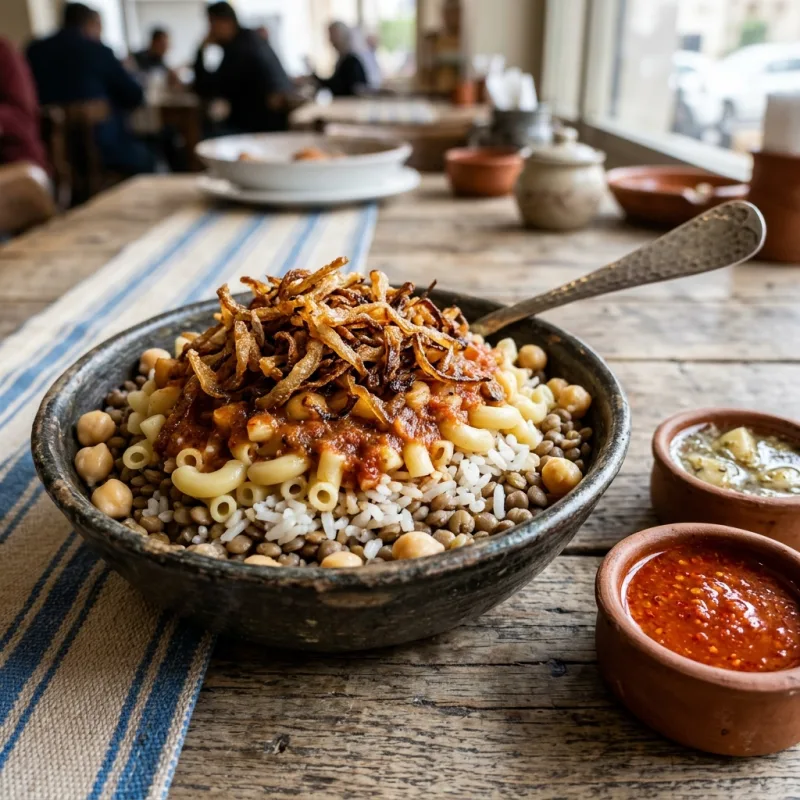
Koshari - A quintessential Egyptian comfort bowl layered with spiced lentils, white rice, elbow macaroni, and chickpeas, crowned with crispy caramelized onions and finished with a zesty garlic vinegar and chili tomato sauce.
Authentic bowl of Egyptian Koshari topped with crispy fried onions and tomato sauce

Maya’s Final Checklist for Giza

Logistics shouldn’t be the focus of your trip—the experience should. I’ve hand-vetted these essential partners to ensure your arrival, stay, and exploration are as smooth as an Athenian breeze.

Maya, the human travel expert at TravelingWiz, offering curated, non-AI expertise

Where to Stay

Compare accommodation options and choose a stay that suits your plans and budget.

Air Travel

Compare flight options and find a route that fits your plans.

Local Guides

Connect with local guides for personalized help planning and exploring.

Travel Protection

The “Engineer’s” rule: always have a backup. Secure your trip with a plan that covers every “what if” and unexpected change.

Car Rentals

Compare rental options and choose a car that suits your trip.

Visa Information

Don’t let paperwork slow you down. Get expert assistance with your application to ensure all your entry documents are in order.

FAQs

Yes, visitors can access the interior burial chambers of the Great Pyramid of Khufu by purchasing an additional separate ticket alongside the standard plateau entrance ticket. Spaces inside are narrow, steep, and humid, which may challenge claustrophobic travelers.
Yes, Giza is an independent municipality and the capital of the Giza Governorate, located directly across the Nile River from Cairo, though both form part of the Greater Cairo metropolitan area.
App-based rideshare services like Uber and Careem provide the most convenient, reliable, and air-conditioned transport between hotels, central Cairo, and the Giza Plateau. The Cairo Metro Line 2 also connects to central Giza stations.
The Grand Egyptian Museum is located approximately 2 kilometers north of the Giza Pyramids Plateau, making it a five-minute drive or short taxi ride between the two sites.

Your Insights Matter

TravelingWiz grows through the stories of our community. If you’ve recently explored ,Giza share your tips and stories to help us perfect our guides for the next traveler.

Where should we send your offline card?

We hate spam just as much as you do

newsletter_consent *