Disclosure: This site contains affiliate links. We may earn a commission if you make a purchase, at no extra cost to you.

>
>
Mali
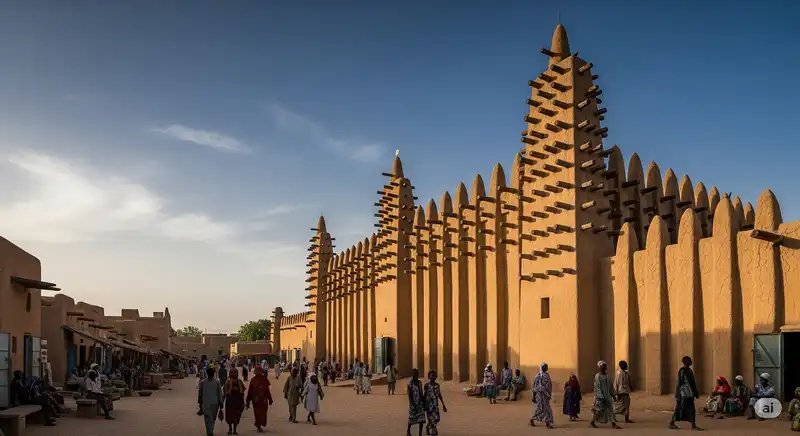
The Great Mosque of Djenné in Mali.

Mali Overview & Key Highlights

A land of ancient empires and legendary cities, Mali is one of West Africa's most historically and culturally significant nations. It is home to the fabled city of Timbuktu, the stunning Great Mosque of Djenné, and the vibrant music of the Niger River. NOTE: Due to extreme and widespread security risks, including terrorism and kidnapping, travel to most of Mali is currently strongly not recommended.

Mali Travel Guide: Logistics & In-Depth Tips

Mali has a cultural heritage that is among the richest in Africa. It was the heart of great historical empires—the Ghana, Mali, and Songhai—that grew wealthy from the trans-Saharan trade in gold and salt. This legacy is seen in the legendary desert city of Timbuktu, once a major center of Islamic scholarship, and in the spectacular Great Mosque of Djenné, the world's largest mud-brick building and a masterpiece of Sudano-Sahelian architecture. The Dogon Country, with its unique villages built into cliffs, is another cultural highlight. The Niger River is the lifeblood of the country, and a journey by boat ('pirogue') is a classic Malian experience.

The country is also world-renowned for its music, producing global stars like Salif Keita and Ali Farka Touré. However, since 2012, the country has faced severe and ongoing security challenges from insurgents and terrorist groups, which has made travel to its most famous sites, including Timbuktu and Dogon Country, extremely dangerous.


Reasons to Visit

  • Legendary Timbuktu: Visit the historic desert city that has captivated the imagination of travelers for centuries.
  • Great Mosque of Djenné: Witness the breathtaking sight of the world's largest mud-brick structure, a UNESCO World Heritage site.
  • Dogon Country: Explore the unique cliffside villages and fascinating culture of the Dogon people.
  • A Cradle of Music: Experience one of the richest and most influential musical cultures in the world.


Things to Avoid (Crucial Safety Warnings)

  • Traveling to the Country: The primary advice from most governments is to avoid all travel to large parts of Mali, particularly the north and center, including Timbuktu and Dogon Country.
  • Independent Travel: Independent travel is extremely dangerous and not recommended anywhere in the country.
  • Ignoring Local Advice: The security situation is volatile and can change rapidly.
  • Photography Restrictions: Be very cautious when taking photos. Ask permission and avoid any military or official sites.


Local Transportation Tips

In a stable security situation, buses and bush taxis connect the main southern cities. Travel along the Niger River by boat is a traditional means of transport. However, at present, all travel is subject to extreme security risks.


Travel Etiquette

  • Greetings are Paramount: Taking time for extensive greetings is a crucial part of social interaction.
  • Use Your Right Hand: Use your right hand for all exchanges.
  • Modest Dress: Mali is a predominantly Muslim country. It is very important to dress modestly.
  • Hospitality: Malians are historically known for their incredible hospitality.


Did You Know?

In the 14th century, the ruler of the Mali Empire, Mansa Musa, was so wealthy from gold that his lavish pilgrimage to Mecca, during which he gave away vast amounts of gold, is said to have devalued the price of gold in the entire Middle East for years.


Cool Mali Stats

  • Largest Mud Building: The Great Mosque of Djenné is the largest mud-built structure in the world. The entire community participates in its annual re-plastering festival.
  • Ancient Manuscripts: Timbuktu was a major center of scholarship and is home to tens of thousands of ancient manuscripts covering subjects from astronomy to law.
  • The Festival in the Desert: The 'Festival au Désert' was a famous annual music festival held near Timbuktu, celebrating the traditional music of the Tuareg people before the security situation deteriorated.


Recommended Age Group

Due to the current extreme security risks, travel to Mali is not recommended for any age group.

  • Babies (0-2 years): Not recommended.
  • Kids (3-12 years): Not recommended.
  • Teens (13-19 years): Not recommended.
  • Adults (20-64 years): Not recommended.
  • Seniors (65+ years): Not recommended.


Accessibility Information Level: Low

  • There is no accessibility infrastructure in Mali.
  • The country has very basic infrastructure that is not designed for accessibility.
  • Travel is very difficult, and the terrain is challenging.


Address:

Mali, Africa

Find Nearby Accommodations

Basic Info

address icon

COUNTRY & Region

Mali,
Africa

ACCESSIBILITY LEVEL​

Low
Currency icon

LOCAL CURRENCY​

West African CFA franc (XOF)
Price level icon
Low
Safety Level icon

SAFETY LEVEL

Duration icon

Recommended Duration

• More than a week

Electricity

electricity icon

Electricity

220-240V, 
50Hz
Plug Socket icon

Plug Type

• Type C (Round pin)
• Type E (Two round pins with earth pin)
Plug types
Click To View Plug Types

Activities To Do In Mali

Best Time To Visit Mali

The best time to visit Mali, in a future stable security context, would be during the cool, dry season.

  • Dry Season (November to February): This period offers the most pleasant weather for travel, with cooler temperatures and dry conditions.
  • Hot Season (March to May): This time of year is extremely hot, especially in the desert regions like Timbuktu.
  • Wet Season (June to October): The rainy season brings cooler temperatures but can make travel on unpaved roads very difficult.

Average Temperatures Per Month

Remember to check the weather forecast a few days before the trip and before heading to the airport.

Safety Level icon

Safety Level

Travel to Mali is extremely dangerous, and most governments advise against all travel to the country. There is a very high and widespread risk of terrorism, kidnapping, and violent crime. The security situation is volatile and unpredictable, with numerous armed groups active throughout the country. There are no safe areas for tourism. Any travel undertaken is at extreme personal risk and against all official advice.

The rating is based on multi-year peace, crime, and security indices. Before you go, always verify current conditions through official government travel advisories.

Emergency Numbers

Police: 112 (Universal) / 17
Ambulance: 112 (Universal) / 15

No internet needed • Includes local translations • Free for TravelingWiz readers

Spoken Languages

The official language is French.

Learn The Language

  • Bonjour (bon-zhoor): Hello
  • Merci (mair-see): Thank you
  • Oui / Non (wee / nohn): Yes / No
  • Au revoir (o ruh-vwar): Goodbye
  • S’il vous plaît (seel voo play): Please
  • Combien ça coûte? (kom-byen sa koot): How much is it?
  • Excusez-moi (ex-koo-zay mwah): Excuse me
Travel Booking Partner - TravelingWiz

Trip Cost & Budgeting for Mali, 2026

Everything you need to know about money while traveling
Is Mali expensive for tourists in 2026? Generally, Mali is a very affordable destination for travelers. Based on our Human Verified prices, you can expect to pay around 1,150 XOF for a cappuccino, 1,370 XOF for a domestic beer, and about 8,000 XOF for a standard meal at a mid-range restaurant. While accommodation and private transport can add up, daily living costs remain low. Use the data table below to calculate your specific daily budget based on your travel style. With TravelingWiz's Human Verified data, a typical traveler should expect to spend around $119 USD per day for a mid-range trip in Mali. Click the Trip Cost Calculator button below the table to work out your personal budget for this trip.
Currency icon

LOCAL CURRENCY​:

West African CFA franc (XOF)
Price level icon
Low
Mali is a cash-centric society where credit cards are rarely accepted outside of major hotels in Bamako.

Per person, per day – pocket cash for small purchases.

Local: 13600
West African CFA franc (XOF)
≈ 24 USD

Full daily spend estimation (accommodation, food, transportation, attractions).

Travel Style
West African CFA franc (XOF)
≈ USD ($)
Budget
37400
66
Mid-range
68000
119
Comfort
149600
263

The Prices, Daily costs, and calculator results are estimates for planning purposes only. Actual costs may vary based on season, booking timing, personal spending habits, and currency fluctuations. TravelingWiz cannot be held responsible for discrepancies between these estimates and your final trip expenses.

  • Use Yango or shared taxis in Bamako instead of private street taxis to significantly lower your transportation costs.
  • Eat at local gargotes or street food stalls where you can get filling traditional meals for under 1,500 XOF.
  • Always carry small-denomination XOF banknotes, as vendors and taxi drivers rarely have change for larger bills.
  • Negotiate and agree on taxi fares or market prices beforehand to avoid the tourist tax inflation.

Pre-Order Tickets

Avoid disappointment when tickets sell out — and skip the long lines by booking online in advance. You’ll often save up to 20% too.
Save up to 20%

Travel Discounts & Coupons

Save on hotels, attractions, transport, and gear — find verified discounts for smarter travel spending.
Verified Coupons

What To Pack

A high level of caution and expert security advice, Light, modest clothing, A French phrasebook

We couldn't find tips for Mali.
If you got any, please share

Recommended Itineraries for Traveling to Mali

We couldn't find itineraries for Mali.
you can contact us for custom trip plan

Food & Drink Highlights

Local Food Overview

Malian cuisine is a staple of West Africa, with dishes that are rich, savory, and often based on grains like rice, millet, or sorghum. A key feature is the use of peanut or groundnut sauce ('tiga diga na'), which is a national favorite. The flavors are earthy and satisfying, with vegetables like okra, sweet potato, and leafy greens used extensively.
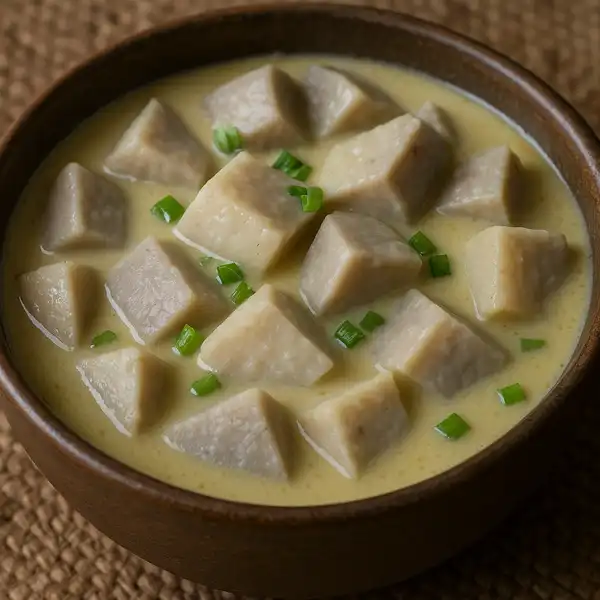
A bowl of Malian Tiguadege Na peanut stew.

Must Try Dish

Tiguadege Na: This is the national dish of Mali, a rich and delicious peanut butter stew. A vegetarian version is very common and incredibly flavorful. It's a slow-cooked, thick stew with a base of savory peanut butter, tomatoes, and vegetables like carrots, sweet potatoes, and onions. It is a hearty, deeply satisfying, and slightly sweet stew, typically served over a bed of rice.
Food Experiences Title Icon

Food
Experiences

Discover cooking classes, tastings and local food tours

No food experience found
Maya, the human travel expert at TravelingWiz, offering curated, non-AI expertise

Maya’s Final Checklist for Mali

Logistics shouldn’t be the focus of your trip—the experience should. I’ve hand-vetted these essential partners to ensure your arrival, stay, and exploration are as smooth as an Athenian breeze.

Where to Stay

From boutique hotels to local apartments—compare thousands of options and find the perfect stay in the best neighborhood.

Air Travel

Getting there should be seamless. Compare the best routes and prices across top airlines to start your journey on the right note.

Local Guides

Connect with experts who know the destination best. Get personalized advice and insider tips to help you plan your perfect trip.

Travel Protection

The “Engineer’s” rule: always have a backup. Secure your trip with a plan that covers every “what if” and unexpected change.

Car Rentals

Explore at your own pace with total freedom. Compare reliable rental options and find the right vehicle for your adventure.

Visa Services

Don’t let paperwork slow you down. Get expert assistance with your application to ensure all your entry documents are in order.

FAQs

No. As of late 2025, Mali is not safe for tourists. Most governments have active “Do Not Travel” advisories for the entire country due to the high risk of terrorism, kidnapping, and violent crime. Any travel to Mali is undertaken at extreme personal risk.
Mali has been facing a complex and ongoing conflict since 2012, involving separatist insurgencies, jihadist groups, and political instability. This has made the country, particularly the central and northern regions, extremely dangerous.
Dogon Country is a region in Mali famous for its unique cliffside villages and the distinct culture and cosmology of the Dogon people. It is a UNESCO World Heritage site, but is currently not safe to visit.
The Great Mosque of Djenné is a massive mosque in the city of Djenné, Mali, and is the largest mud-brick building in the world. It is considered the greatest achievement of Sudano-Sahelian architecture and is a UNESCO World Heritage site.
Timbuktu is a legendary ancient city in the Sahara Desert of Mali. Historically, it was a vital trading post on the trans-Saharan trade route and a major center of Islamic scholarship. Its name has become synonymous with a remote, mythical place.
Yes. Proof of a yellow fever vaccination is mandatory for all travelers entering the country. Beyond this requirement, you should consult with a travel clinic regarding other recommended vaccinations for the region. Because medical infrastructure is extremely limited, maintaining comprehensive health insurance that covers potential medical evacuation is essential for your safety should you choose to travel despite government warnings.
You should always use your right hand for all exchanges, as the left hand is traditionally considered unclean. Greetings are a fundamental part of social interaction in Mali; you should take time to exchange polite inquiries about health and family. Because it is a predominantly Muslim country, you must dress modestly at all times to show respect for local cultural and religious values.
You can expect to pay around a medium price level, but your total budget will depend on your specific travel style. While daily costs fluctuate, you should plan to have enough cash on hand as card acceptance is rare. By staying in budget-friendly guesthouses, eating local Malian meals, and utilizing buses, you can better manage your expenses during your stay.

Your Insights Matter

TravelingWiz grows through the stories of our community. If you’ve recently explored ,Mali share your tips and stories to help us perfect our guides for the next traveler.

Related Articles

Check out our related articles and blog posts to learn even more about the destination.

No related articles found

Don’t Travel Alone

Share with your friends and family

Where should we send your offline card?

We hate spam just as much as you do

newsletter_consent *