Disclosure: This site contains affiliate links. We may earn a commission if you make a purchase, at no extra cost to you.

>
>
Republic of the Congo

Republic of the Congo

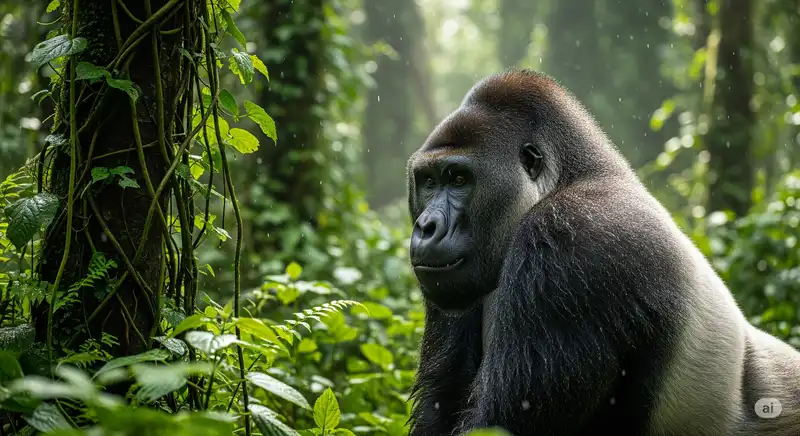
A silverback gorilla in the rainforest of the Republic of the Congo.

Republic of the Congo Overview & Key Highlights

Not to be confused with its larger neighbor, the Republic of the Congo is a sparsely populated nation of pristine rainforests and a key part of the Congo Basin. It is a premier, off-the-grid destination for tracking western lowland gorillas in a wild and untouched setting. For the dedicated eco-tourist, it offers one of Africa's most rewarding and remote wildlife experiences.

Republic of the Congo Travel Guide: Logistics & In-Depth Tips

The Republic of the Congo (also known as Congo-Brazzaville) is a country for the serious wildlife enthusiast. Its greatest treasure is its vast, intact rainforest, particularly in the north, which is part of the Sangha Trinational, a UNESCO World Heritage site. Parks like Odzala-Kokoua and Nouabalé-Ndoki are at the forefront of conservation and offer some of the best opportunities on the continent to track habituated western lowland gorillas. Visitors can also see forest elephants and bongo antelopes at the park's mineral-rich clearings ('bais').

The capital, Brazzaville, is a relaxed and friendly city on the banks of the Congo River, sitting directly opposite the chaotic Kinshasa. Travel here is expensive and requires significant planning with specialized tour operators. It is a high-end, low-impact ecotourism destination for those seeking a profound connection with the African rainforest.


Reasons to Visit

  • World-Class Gorilla Tracking: Experience one of the best and most remote places in the world to track western lowland gorillas.
  • Pristine Congo Basin Rainforest: Explore a vast, untouched wilderness that is a critical part of the "lungs of Africa."
  • Unique 'Bai' Viewing: Witness large gatherings of forest elephants and other rare wildlife at natural forest clearings.
  • Authentic Ecotourism Adventure: Visit a country with a strong conservation ethos and a focus on high-end, low-impact tourism.


Things to Avoid

  • Independent Travel: It is nearly impossible and not recommended to travel independently to the national parks. All tourism is based on pre-booked packages.
  • Political Instability: While more stable than its neighbor, the country can experience political tensions. It is important to check travel advisories.
  • Health Precautions: A Yellow Fever vaccination is mandatory, and malaria is a high risk.
  • Expecting a Budget Trip: This is a very expensive destination due to the remoteness and logistics of the safari operations.


Local Transportation Tips

Travel for tourists to the northern national parks is exclusively by small charter flights arranged by the safari operator. There is no viable independent travel network to these remote areas. Within Brazzaville, taxis are the main form of transport.


Travel Etiquette

  • Rely on Your Guide: Your guide is essential for all interactions and safety.
  • Politeness: French is the official language. A polite "Bonjour" is standard.
  • Photography: Always ask for permission before taking photos of people.
  • Respect for Conservation Rules: The national parks have very strict rules to protect the wildlife. Follow them precisely.


Did You Know?

The Congo River, which forms the border of the country, is the second-most voluminous river in the world, after the Amazon. It is also the world's deepest river.


Cool Congo, Republic of the Stats

  • A Tale of Two Cities: The capitals, Brazzaville (Republic of the Congo) and Kinshasa (Democratic Republic of the Congo), are the two closest capital cities in the world, located directly across from each other on the Congo River.
  • A Gorilla Haven: Odzala-Kokoua National Park is one of the oldest national parks in Africa, established in 1935.
  • Low Population Density: Despite its size, the country has a small population, most of whom live in the southern part of the country, leaving the northern forests largely uninhabited.


Recommended Age Group

The Republic of the Congo is suitable only for adventurous, physically fit, and well-funded Adults who are serious about wildlife and ecotourism.

  • Babies (0-2 years): Not recommended.
  • Kids (3-12 years): Not recommended.
  • Teens (13-19 years): Not recommended due to age limits on gorilla trekking.
  • Adults (20-64 years): Highly Recommended for dedicated wildlife enthusiasts who are prepared for a remote, rustic, and expensive expedition.
  • Seniors (65+ years): Not recommended due to the physically demanding nature of travel.


Accessibility Level: Low

  • This is a remote wilderness destination with no accessibility infrastructure.
  • Travel is by small planes, 4x4s, and on foot through dense jungle.
  • Safari camps are remote and not accessible.
  • Gorilla trekking is a strenuous physical activity.


Address:

Congo, Republic of the, Africa

Find Nearby Accommodations

Basic Info

address icon

COUNTRY & Region

Congo, Republic of the,
Africa

ACCESSIBILITY LEVEL​

Low
Currency icon

LOCAL CURRENCY​

Central African CFA Franc (XAF)
Price level icon
High
Safety Level icon

SAFETY LEVEL

Duration icon

Recommended Duration

• More than a week

Electricity

electricity icon

Electricity

220-240V, 
50Hz
Plug Socket icon

Plug Type

• Type C (Round pin)
• Type E (Two round pins with earth pin)
Plug types
Click To View Plug Types

Activities To Do In Republic of the Congo

Best Time To Visit Republic of the Congo

The best time to visit the Republic of the Congo is during the two dry seasons for the best trekking conditions.

  • Long Dry Season (June to September): This is the ideal time to visit, with less rain and lower humidity, making gorilla tracking and forest walks more pleasant.
  • Short Dry Season (December to February): Another good period for a visit with a lull in the rains.
  • Wet Seasons (March to May & October to November): Heavy rainfall can make logistics difficult and trekking very muddy.

Average Temperatures Per Month

Remember to check the weather forecast a few days before the trip and before heading to the airport.

Safety Level icon

Safety Level

The main tourist areas in the remote northern national parks of the Republic of the Congo are generally safe as they are operated by professional safari companies. However, the country can experience political instability, and some regions should be avoided. It is essential to check travel advisories and travel with a reputable operator. Standard precautions are needed in the capital, Brazzaville.

The rating is based on multi-year peace, crime, and security indices. Before you go, always verify current conditions through official government travel advisories.

Emergency Numbers

Police: 117
Ambulance: 112 (Universal) / 118

No internet needed • Includes local translations • Free for TravelingWiz readers

Spoken Languages

The official language is French.

Learn The Language

  • Bonjour (bon-zhoor): Hello
  • Merci (mair-see): Thank you
  • Oui / Non (wee / nohn): Yes / No
  • Au revoir (o ruh-vwar): Goodbye
  • S’il vous plaît (seel voo play): Please
  • Combien ça coûte? (kom-byen sa koot): How much is it?
  • Excusez-moi (ex-koo-zay mwah): Excuse me
Travel Booking Partner - TravelingWiz

Trip Cost & Budgeting for Republic of the Congo, 2026

Everything you need to know about money while traveling
Is Republic of the Congo expensive for tourists in 2026? Yes, it is generally considered a high-cost destination. Based on our Human Verified prices, you can expect to pay around 2,300 XAF for a cappuccino, 1,200 XAF for a domestic beer, and about 7,500 XAF for a standard mid-range meal. Accommodation and transport quickly drive up daily expenses. Use the data table below to calculate your specific daily budget based on your travel style. With TravelingWiz's Human Verified data, a typical traveler should expect to spend around $167 USD per day for a mid-range trip in Republic of the Congo. Click the Trip Cost Calculator button below the table to work out your personal budget for this trip.
Currency icon

LOCAL CURRENCY​:

Central African CFA Franc (XAF)
Price level icon
High
Cash is essential in the Republic of the Congo, as credit cards are rarely accepted outside major international hotels.

Per person, per day – pocket cash for small purchases.

Local: 19000
Central African CFA Franc (XAF)
≈ 33 USD

Full daily spend estimation (accommodation, food, transportation, attractions).

Travel Style
Central African CFA Franc (XAF)
≈ USD ($)
Budget
52250
92
Mid-range
95000
167
Comfort
209000
367

The Prices, Daily costs, and calculator results are estimates for planning purposes only. Actual costs may vary based on season, booking timing, personal spending habits, and currency fluctuations. TravelingWiz cannot be held responsible for discrepancies between these estimates and your final trip expenses.

  • Use shared green taxis (taxi collectif) for city travel, which cost around 300 to 500 XAF per seat, rather than hiring private cabs.
  • Opt for Catholic or mission guesthouses (centres d'accueil) for clean, secure, and highly affordable accommodation compared to standard hotels.
  • Eat at local neighborhood maquis or street stalls where fresh grilled fish and manioc cost a fraction of restaurant prices.
  • Always carry small XAF denominations, as vendors and taxi drivers rarely have change and you may end up overpaying.

Pre-Order Tickets

Avoid disappointment when tickets sell out — and skip the long lines by booking online in advance. You’ll often save up to 20% too.
Save up to 20%

Travel Discounts & Coupons

Save on hotels, attractions, transport, and gear — find verified discounts for smarter travel spending.
Verified Coupons

What To Pack

Light, quick-drying clothing, A French phrasebook, Strong insect repellent, Malaria prophylaxis, A high-quality waterproof bag

We couldn't find tips for Republic of the Congo.
If you got any, please share

Recommended Itineraries for Traveling to Republic of the Congo

We couldn't find itineraries for Republic of the Congo.
you can contact us for custom trip plan

Food & Drink Highlights

Local Food Overview

The cuisine is a classic of the Congo Basin, with staples like cassava and plantain. Dishes often feature 'saka-saka' (pounded cassava leaves) and are enriched with palm oil or peanut sauce. The flavors are earthy and savory, with a strong French influence in the cities.
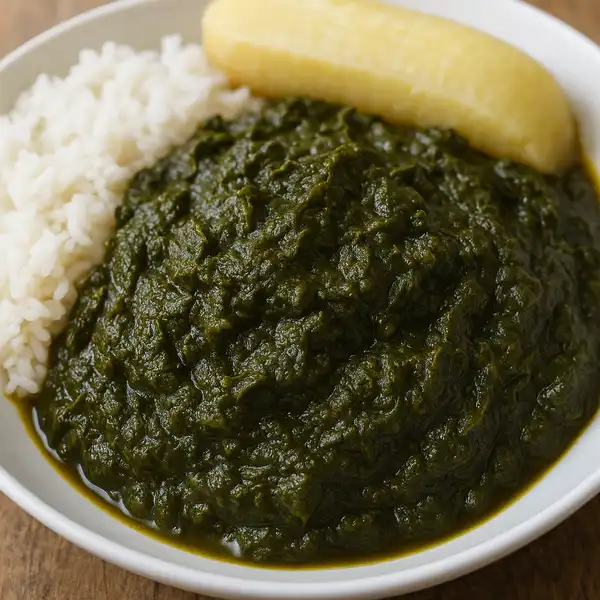
A bowl of Saka-Saka, a traditional Congolese cassava leaf stew.

Must Try Dish

Saka-Saka: This is a beloved and essential dish. It consists of cassava leaves that are pounded into a fine texture and then slow-cooked, often with palm oil, onions, and garlic, until they are soft and flavorful. A vegetarian version is a staple, creating a rich, savory, dark green dish similar to a very hearty spinach stew, typically served with rice or boiled plantains.
Food Experiences Title Icon

Food
Experiences

Discover cooking classes, tastings and local food tours

No food experience found
Maya, the human travel expert at TravelingWiz, offering curated, non-AI expertise

Maya’s Final Checklist for Republic of the Congo

Logistics shouldn’t be the focus of your trip—the experience should. I’ve hand-vetted these essential partners to ensure your arrival, stay, and exploration are as smooth as an Athenian breeze.

Where to Stay

From boutique hotels to local apartments—compare thousands of options and find the perfect stay in the best neighborhood.

Air Travel

Getting there should be seamless. Compare the best routes and prices across top airlines to start your journey on the right note.

Local Guides

Connect with experts who know the destination best. Get personalized advice and insider tips to help you plan your perfect trip.

Travel Protection

The “Engineer’s” rule: always have a backup. Secure your trip with a plan that covers every “what if” and unexpected change.

Car Rentals

Explore at your own pace with total freedom. Compare reliable rental options and find the right vehicle for your adventure.

Visa Services

Don’t let paperwork slow you down. Get expert assistance with your application to ensure all your entry documents are in order.

FAQs

The main tourist areas in the remote northern national parks are generally safe as they are operated by professional safari companies. However, the country can experience political instability, and some regions, particularly the Pool region, should be avoided. It is essential to check travel advisories.
Yes, visiting the national parks in the Republic of the Congo is very expensive. The remote locations, the necessity of charter flights, and the high-end, low-impact ecotourism model mean that safari packages are costly.
Yes, almost all foreign nationals need a visa to enter the Republic of the Congo. You must obtain this in advance from an embassy or consulate.
The only practical way to visit national parks like Odzala-Kokoua is to book an all-inclusive safari package with a specialized tour operator. This will include charter flights from the capital, Brazzaville, to the remote park lodges.
The Republic of the Congo (Congo-Brazzaville) and the Democratic Republic of the Congo (DRC or Congo-Kinshasa) are two different countries. The Republic of the Congo is smaller, more stable, and its tourism is focused on high-end gorilla tracking in the north.
You should plan your trip during the dry seasons for the most accessible conditions. The long dry season runs from June to September, and the short dry season occurs between December and February. During these windows, you will encounter less rain and humidity, making trekking and forest walks much easier. Expect to budget for high-end lodge costs, often exceeding several hundred dollars per day including flights.
You must prioritize your health by obtaining a mandatory Yellow Fever vaccination before arrival. Malaria is a significant risk throughout the country, so you must consult a travel clinic to get proper prophylaxis medication. As this is a remote wilderness destination, you should also carry a comprehensive personal medical kit and ensure you have adequate travel insurance that covers emergency medical evacuation.
You can manage your daily spending by using shared taxis and local moto-taxis for transport, ensuring you negotiate the fare beforehand. Stick to local markets for food and produce, as these are much cheaper than western-style supermarkets. Since credit cards are rarely accepted, you must carry enough local cash to cover your daily needs, which can vary significantly depending on your accommodation choice.

Your Insights Matter

TravelingWiz grows through the stories of our community. If you’ve recently explored ,Republic of the Congo share your tips and stories to help us perfect our guides for the next traveler.

Related Articles

Check out our related articles and blog posts to learn even more about the destination.

Don’t Travel Alone

Share with your friends and family

Where should we send your offline card?

We hate spam just as much as you do

newsletter_consent *