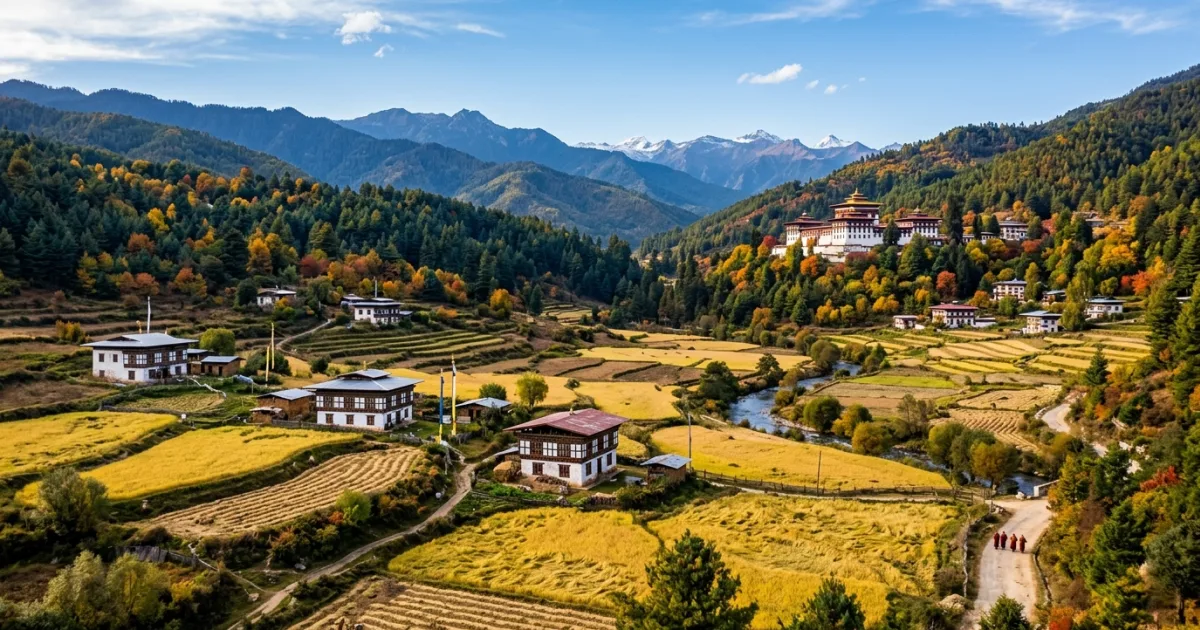
Bumthang District serves as the cultural cradle and spiritual epicenter of Bhutan, comprised of four primary glacial valleys: Chokhor, Tang, Ura, and Chhume. Ranging from 2,600 to over 4,500 meters above sea level, the territory boasts serene landscapes dominated by blue pine woodlands, tumbling alpine streams, and whitewashed stone hamlets. Revered as the place where Guru Rinpoche cured a local king and embedded Buddhism into the landscape in 746 AD, Bumthang retains a palpable sense of sanctity that permeates its historic architecture and daily village rhythms.
Beyond its sacred monuments like Kurjey Lhakhang, Jambay Lhakhang, and the dramatic hilltop fortress of Jakar Dzong, Bumthang reveals an intimate pastoral lifestyle. The region thrives on a legacy of traditional craftsmanship, from the vibrant wool tapestries woven in Chhume to artisanal dairy and beer production rooted in cooperative exchange. Whether hiking between ancient hermitages or traversing the cobblestone corridors of traditional villages, visitors encounter an untouched corner of the Himalayas where contemplative peace remains an enduring reality.
Reasons to Visit
- Sacred Himalayan Monasteries: Explore 7th-century shrines like Jambay Lhakhang and the meditative caves of Kurjey Lhakhang.
- Untouched Alpine Valleys: Walk through tranquil pine trails and terraced buckwheat fields across Chokhor, Tang, Ura, and Chhume.
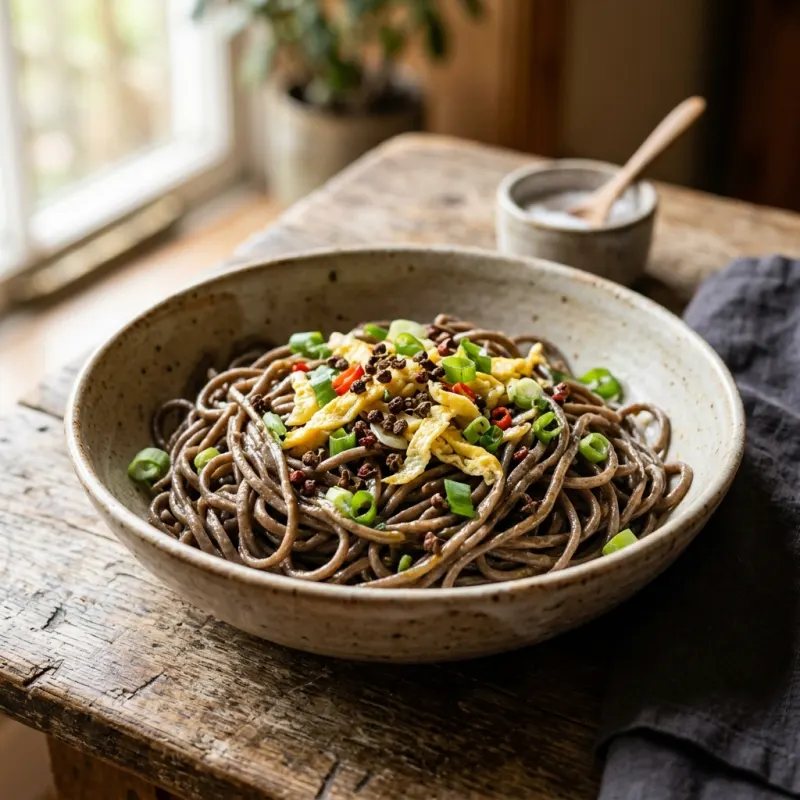
- Distinct Gastronomic Heritage: Savor regional buckwheat noodles, alpine farm cheese, and unpasteurized Red Panda wheat beer.
- Living Spiritual Festivals: Witness sacred masked dances (Cham) during regional temple tshechus in historic dzong courtyards.
- Intricate Textile Traditions: Observe traditional weavers creating colorful geometric Yathra patterns on heritage backstrap looms.
Things to Avoid
- Do not photograph inside temple sanctuaries: Photography inside inner monastery shrines is strictly forbidden by religious protocol.
- Avoid loud conversations around sacred sites: Maintain quiet decorum near prayer wheels, meditation hermitages, and stupas.
- Do not walk counter-clockwise around monuments: Always circumambulate chortens, temples, and Mani walls in a clockwise direction.
- Avoid swimming in sacred bodies of water: Sites like Mebar Tsho (Burning Lake) are consecrated pilgrimage locations where touching the water carelessly is taboo.
- Do not purchase unauthorized antique artifacts: The export of authentic cultural relics from Bhutan is illegal and severely penalized.
Local Transportation Tips
Local transportation within Bumthang District is predominantly conducted via private chauffeured SUV or coaster bus arranged through your certified Bhutanese tour agency. The central town of Chamkhar and surrounding village tracks are easily explored on foot. For regional transfers, Bathpalathang Airport (BUT) provides scheduled domestic flights to Paro, while the winding East-West National Highway links Bumthang to Trongsa, Punakha, and Thimphu.
Travel Etiquette
- Remove shoes, hats, and sunglasses before crossing into the inner sanctum of any monastery or temple.
- Present small cash donations with both hands placed under the bill when making offerings before sacred altars.
- Dress in formal, modest attire covering arms and legs when entering any dzong or administrative monastic complex.
- Never point your fingers or feet directly toward a Buddha statue or a seated monk; gesture gently with an open palm facing upward.
Recommended Age Group
Bumthang District is best experienced by travelers capable of navigating high-altitude walking trails and historic stone architecture.
- Babies (0-2 years): Not Recommended. Mountainous roads, prolonged transfer times, high altitudes, and limited specialized pediatric medical facilities make Bumthang challenging for infants.
- Kids (3-12 years): Neutral. Older children with outdoor hiking stamina can enjoy the expansive farm landscapes and cultural storytelling, though extended monastery visits and winding drives can cause fatigue.
- Teens (13-19 years): Recommended. Teenagers will appreciate the archery demonstrations, dramatic mountain biking trails, and immersive immersion into living Himalayan history.
- Adults (20-64 years): Recommended. An outstanding destination for active adults seeking contemplative trekking, architectural history, pristine mountain ecology, and cultural heritage.
- Seniors (65+ years): Recommended. Mature travelers will find the serene pace and spiritual environment profoundly fulfilling, provided they are acclimated to higher altitudes and comfortable with uneven stone stairways.
Accessibility Level: Medium
- Monasteries and dzongs feature steep, hand-hewn stone staircases without ramps or mechanized lifts, presenting significant physical barriers for wheelchair users.
- Village roads and walking circuits are largely packed dirt and gravel, which can turn muddy during rainfall.
- Upscale lodges provide ground-floor rooms and step-free access to primary dining pavilions upon advance request.
- Chauffeured vehicle access is available directly to the outer perimeters of several major sites, including Jakar Dzong and Kurjey Lhakhang.
Did You Know?
Bumthang was the birthplace of Bhutan's modern dairy and brewing industries, established through a pioneering collaboration between a local nobleman and Swiss development experts in the 1970s that introduced European-style cheese presses and apple orchards to the valley.
Cool Statistics
- 4 Sacred Valleys: Chokhor, Tang, Ura, and Chhume comprise the geographic core of the district.
- 2,600+ Meters: The base elevation of the valley floor, creating a temperate alpine climate year-round.
- 7th Century: The historical founding date of Jambay Lhakhang, among the oldest standing structures in Bhutan.






Buy a compatible power adapter for your trip