Disclosure: This site contains affiliate links. We may earn a commission if you make a purchase, at no extra cost to you.

>
>
>
Wangdue Phodrang District

Wangdue Phodrang District

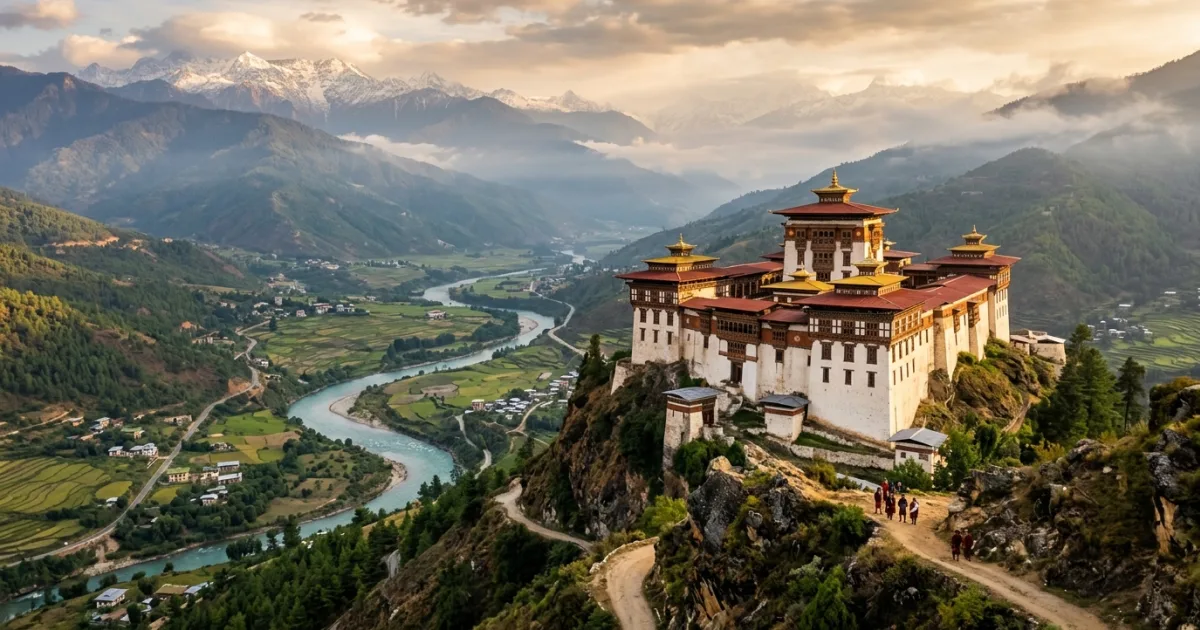
Panoramic view of Wangdue Phodrang Dzong fortress atop a scenic river ridge in Bhutan

Wangdue Phodrang District Overview & Key Highlights

Wangdue Phodrang District occupies a central crossroad in the Kingdom of Bhutan, linking western valleys to the remote eastern interior. The district ranges from warm river confluences at 800 meters elevation up to snow-crested mountain passes surpassing 3,000 meters. Dominating the lower valley is the commanding Wangdue Phodrang Dzong, a 17th-century fortress founded by Zhabdrung Ngawang Namgyal, which has been meticulously reconstructed using traditional master masonry and woodwork following a devastating fire in 2012. Further east within the district lies the glacial amphitheater of Phobjikha Valley, framed by the 17th-century Gangtey Monastery. This high-altitude valley serves as the revered winter roosting haven for globally vulnerable black-necked cranes migrating from the Tibetan Plateau. Visitors to Wangdue Phodrang encounter an untouched blend of organic potato farming, pine-scented nature trails, and profound community reverence for wildlife and spiritual heritage.

Wangdue Phodrang District Travel Guide: Logistics & In-Depth Tips

Wangdue Phodrang District is a cornerstone of Bhutan's ecological and cultural tapestry, stretching from temperate pine forests to the sweeping alpine valley of Phobjikha. Situated directly east of Punakha, the district has historically served as a critical nexus for defense, commerce, and spiritual exchange across the kingdom's central cordillera.

Today, visitors come to marvel at the restored grandeur of the Wangdue Phodrang Dzong and lose themselves in the tranquility of Gangtey, where electric power lines were buried underground specifically to prevent crane collisions. The district captures the essence of Gross National Happiness through sustainable forestry, vibrant monastic colleges, and genuine rural hospitality.

Reasons to Visit

  • Wangdue Phodrang Dzong: Behold the magnificent, ridge-top fortress restored by master artisans following historic 17th-century architectural methods.
  • Phobjikha Valley Sanctuary: Roam an untouched U-shaped glacial valley that hosts sacred wintering black-necked cranes.
  • Gangtey Goenpa: Tour an exceptional 17th-century Nyingma Buddhist monastery overlooking alpine meadows and pine forests.
  • Authentic Rural Homestays: Warm up beside a bukhari wood stove and share butter tea and home-cooked meals with local farming families.
  • Gentle Nature Treks: Walk the famous Gangtey Nature Trail, taking in panoramic valley outlooks and rhododendron groves.

Things to Avoid

  • Do not approach or fly drones anywhere near the black-necked cranes in Phobjikha, as disturbing them violates strict national conservation laws.
  • Avoid wearing shorts, sleeveless tops, or hats when stepping onto the courtyards of Wangdue Dzong and monastic complexes.
  • Do not photograph interior temple shrines or sacred religious statues without explicit clearance from resident monks or your guide.
  • Avoid drinking unboiled or unbottled tap water in rural guesthouses; opt for boiled water or purified bottled supplies.

Local Transportation Tips

Transport within Wangdue Phodrang District relies entirely on private chauffeured vehicles arranged through licensed tour itineraries. Roads connecting the administrative hub of Bajo to Gangtey wind along mountain ridges; four-wheel-drive SUVs or durable coaster buses are standard. Within village settlements like Phobjikha, scenic walking paths and mountain biking are the most rewarding ways to get around.

Travel Etiquette

  • Always walk clockwise around chortens (stupas), prayer wheels, and sacred mani walls.
  • Remove shoes before entering Buddhist temple chambers and leave small voluntary currency donations quietly on shrine altars if desired.
  • Dress respectfully with covered shoulders and knees whenever visiting religious structures or attending district tshechu festivals.
  • Accept food, tea, or gifts with both hands as a customary gesture of genuine Bhutanese politeness.

Recommended Age Group

Wangdue Phodrang District provides tranquil mountain scenery and deep cultural encounters best suited for older travelers, couples, and thoughtful explorers, while logistics require consideration for young children.

  • Babies (0-2 years): Not Recommended. Mountain switchbacks, high elevation changes, and limited emergency pediatric services make travel taxing for infants.
  • Kids (3-12 years): Neutral. Children fascinated by wildlife and outdoor farm settings will enjoy spotting cranes, though lengthy road transits require patience.
  • Teens (13-19 years): Recommended. Excellent destination for mountain biking, gentle day hikes, photography, and immersive cultural discovery.
  • Adults (20-64 years): Recommended. Perfect balance of scenic wilderness, serene monastery visits, photographic vistas, and tranquil wellness rituals.
  • Seniors (65+ years): Recommended. Peaceful, slow-paced countryside and gentle nature walks suit mature travelers, provided they are comfortable with 2,900-meter elevations.

Accessibility Level: Medium

  • Historical dzongs, monasteries, and farmsteads feature steep timber stairs and cobbled stone thresholds without ramps or elevators.
  • The Gangtey Nature Trail includes uneven forest dirt paths, exposed roots, and wooden bridges that are unsuited for standard wheelchairs.
  • Modern tourist lodges in the district provide step-free ground-floor suites, but advance communication with tour operators is critical for accessibility arrangements.

Did You Know?

To protect the migratory black-necked cranes from airborne hazards, the entire valley of Phobjikha voluntarily refrained from standard above-ground electrical grids for decades, eventually implementing a complex multi-million-dollar underground cable network to safeguard the birds' flight paths.

Cool Statistics

  • 3,975 sq km: Total expansive territory spanned by Wangdue Phodrang District.
  • 2,900 meters: Average valley floor elevation of Phobjikha (Gangtey).
  • 10+ years: Meticulous restoration duration dedicated to rebuilding Wangdue Phodrang Dzong after the 2012 fire.
  • 500+: Black-necked cranes that migrate annually to winter in the valley.

Address:

Wangdue Phodrang District, Bhutan

Find Nearby Accommodations

Basic Info

address icon

COUNTRY & Region

Bhutan,
Asia

ACCESSIBILITY LEVEL​

Medium
Currency icon

LOCAL CURRENCY​

Bhutanese Ngultrum (BTN)
Price level icon
High
Safety Level icon

SAFETY LEVEL

Duration icon

Recommended Duration

• 1-7 days

Electricity

electricity icon

Electricity

220-240V, 
50Hz
Plug Socket icon

Plug Type

• Type C (Round pin)
• Type D (Three round pins in a triangular pattern)
• Type G (Three rectangular pins in a triangular pattern)
Plug types
Click To View Plug Types
Wangdue Phodrang District is part of our
Coolcation collection

Activities To Do In Wangdue Phodrang District

Best Time To Visit Wangdue Phodrang District

Wangdue Phodrang provides distinct seasonal landscapes, with autumn and spring delivering the clearest mountain panoramas and prime conditions for cultural tours.

  • October to December: Optimal autumn travel window with crystal-clear skies, vibrant festival gatherings, and the arrival of migratory black-necked cranes in Phobjikha.
  • March to May: Blooming spring rhododendrons blanket mountain passes, accompanied by comfortable trekking temperatures and mild weather.
  • January to February: Crisp winter days with brilliant daylight, though night temperatures in high-elevation valleys frequently plunge below freezing.
  • June to August: The monsoon season introduces heavy rain, lush emerald landscapes, mist-shrouded valleys, and occasional road blockages from landslides.

Average Temperatures Per Month

Remember to check the weather forecast a few days before the trip and before heading to the airport.

Safety Level icon

Safety Level

Wangdue Phodrang enjoys remarkably low crime rates, making it exceptionally safe for travelers. The primary hazards involve physical geography: sudden mountain road changes, winding highway switchbacks, and rapid altitude gains when driving from Bajo up to Pele La Pass. Stay hydrated to mitigate altitude sickness in Phobjikha (around 2,900 meters), carry a flashlight when walking unpaved rural tracks after dusk, and maintain safe distances from free-roaming village livestock or Himalayan mastiffs.

The rating is based on multi-year peace, crime, and security indices. Before you go, always verify current conditions through official government travel advisories.

Emergency Numbers

Police: 113
Ambulance: 112

No internet needed • Includes local translations • Free for TravelingWiz readers

Spoken Languages

Dzongkha (official national language), English (widely spoken in tourist services, government offices, and schools)

Learn The Language

  • Kuzuzangpo la: Hello / Greetings (respectful)
  • Kadrinchey la: Thank you
  • Gaday bay zhui?: How are you?
  • Legshom: Good / Fine
  • Nga gi meng … ing: My name is …
  • Tashi Delek: Blessings / Good fortune
  • Gonpo: Temple / Monastery
  • Lok jaygay: Goodbye / See you again
Travel Booking Partner - TravelingWiz

Trip Cost & Budgeting for Wangdue Phodrang District, 2026

Everything you need to know about money while traveling
Is Wangdue Phodrang District expensive for tourists in 2026? Yes, travelling here sits on the higher side compared to neighbouring Asian destinations, though mid-range expenses remain manageable. Based on Human Verified prices, expect to pay around 200 BTN for a coffee, 250 BTN for a local beer, and 750 BTN for a mid-range restaurant meal. Use the data table below to calculate your specific daily budget based on your travel style.
Currency icon

LOCAL CURRENCY​:

Bhutanese Ngultrum (BTN)
Price level icon
High
Credit cards are accepted in major hotels, but local shops, taxis, and markets require cash in Ngultrum.

Per person, per day – pocket cash for small purchases.

Local: 1080
Bhutanese Ngultrum (BTN)
≈ 11 USD

Full daily spend estimation (accommodation, food, transportation, attractions).

Travel Style
Bhutanese Ngultrum (BTN)
≈ USD ($)
Budget
5950
62
Mid-range
10800
113
Comfort
23750
248

The Prices, Daily costs, and calculator results are estimates for planning purposes only. Actual costs may vary based on season, booking timing, personal spending habits, and currency fluctuations. TravelingWiz cannot be held responsible for discrepancies between these estimates and your final trip expenses.

  • • Shared taxis and local drivers offer significantly lower transit rates between Punakha and Wangdue than private transfers.
  • • Eat Bhutanese set meals at local eateries rather than dining exclusively in tourist hotel restaurants.
  • • Carry sufficient cash in BTN or Indian Rupees, as local ATMs in Wangdue can run out of cash.
  • • Travel with a small group to split daily vehicle and guide fees across your itinerary.

Pre-Order Tickets

Avoid disappointment when tickets sell out — and skip the long lines by booking online in advance. You’ll often save up to 20% too.
Save up to 20%

Travel Discounts & Coupons

Save on hotels, attractions, transport, and gear — find verified discounts for smarter travel spending.
Verified Coupons

What To Pack

  • Warm layers, thermal base wear, and a fleece jacket for cold evenings in Phobjikha Valley
  • Sturdy, broken-in waterproof hiking boots for nature trails and uneven monastery stone paths
  • Modest attire with full-length sleeves and long pants to respect temple and dzong dress codes
  • Slip-on socks for walking on cold wooden monastery floors where shoes must be removed
  • High-SPF sunscreen, polarized sunglasses, and lip balm to counter high-elevation UV rays
  • Binoculars for observing black-necked cranes and Himalayan birdlife without disturbance
  • Universal travel power adapter compatible with Type C, D, and G sockets
  • Prescribed motion sickness medication for navigating winding mountain switchback highways
We couldn't find tips for Wangdue Phodrang District.
If you got any, please share

Recommended Itineraries for Traveling to Wangdue Phodrang District

We couldn't find itineraries for Wangdue Phodrang District.
you can contact us for custom trip plan

Food & Drink Highlights

Local Food Overview

Cuisine across Wangdue Phodrang District centers around organic mountain agriculture and Bhutan's passionate affinity for fiery chilies and local yak or cow cheeses. The glacial soil of Phobjikha produces the kingdom's most renowned potatoes, which form the heart of rich mountain stews. Meals are anchored by wholesome red rice, wild seasonal fiddlehead ferns, dried beef jerky (sha kam), and fresh dairy churned at high-altitude pastoral hamlets.
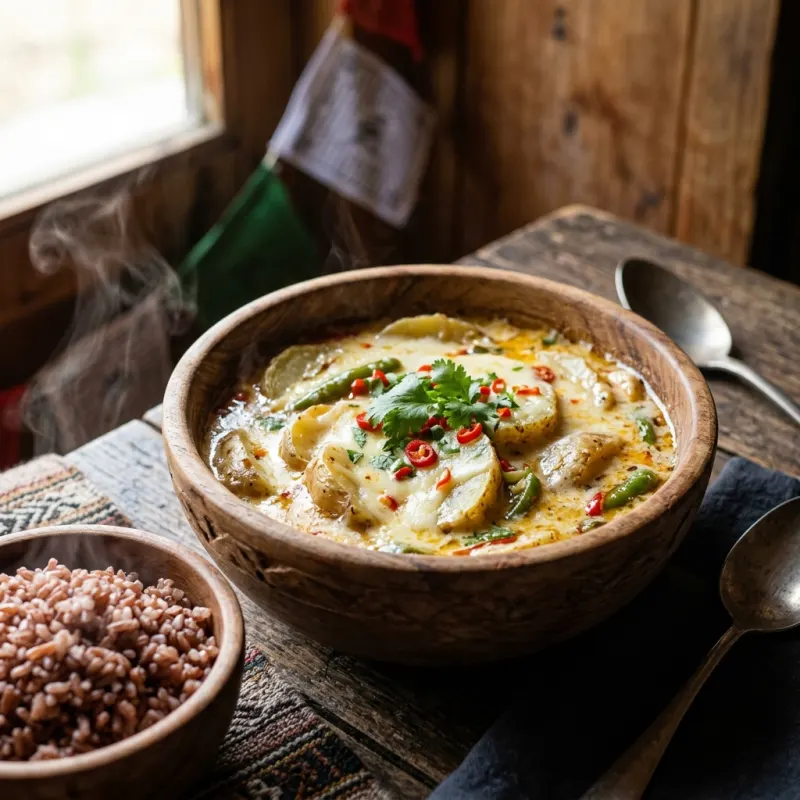
Authentic Bhutanese Kewa Datshi potato and cheese curry with red rice

Must Try Dish

Kewa Datshi - A comforting mountain stew made with tender Phobjikha potatoes and local cow or yak milk cheese simmered gently with green chilies. It delivers a rich, earthy flavor profile that warmingly balances spice and hearty Alpine creaminess.
Food Experiences Title Icon

Food
Experiences

Discover cooking classes, tastings and local food tours

No food experience found
Maya, the human travel expert at TravelingWiz, offering curated, non-AI expertise

Maya’s Final Checklist for Wangdue Phodrang District

Logistics shouldn’t be the focus of your trip—the experience should. I’ve hand-vetted these essential partners to ensure your arrival, stay, and exploration are as smooth as an Athenian breeze.

Where to Stay

From boutique hotels to local apartments—compare thousands of options and find the perfect stay in the best neighborhood.

Air Travel

Getting there should be seamless. Compare the best routes and prices across top airlines to start your journey on the right note.

Local Guides

Connect with experts who know the destination best. Get personalized advice and insider tips to help you plan your perfect trip.

Travel Protection

The “Engineer’s” rule: always have a backup. Secure your trip with a plan that covers every “what if” and unexpected change.

Car Rentals

Explore at your own pace with total freedom. Compare reliable rental options and find the right vehicle for your adventure.

Visa Services

Don’t let paperwork slow you down. Get expert assistance with your application to ensure all your entry documents are in order.

FAQs

The black-necked cranes arrive in Phobjikha Valley from late October through November and remain until mid-February before flying back to the Tibetan Plateau.
Yes, foreign travelers require standard Bhutan route permits arranged in advance through a licensed Bhutanese tour operator alongside the standard visa or entry authorization.
Yes, after a catastrophic fire in 2012, the majestic fortress was meticulously rebuilt using authentic traditional joinery and stonecraft, formally consecrated in 2022.
Phobjikha sits at roughly 2,900 meters (9,500 feet). While severe altitude sickness is uncommon, mild symptoms like shortness of breath or lightheadedness can occur, so take it easy on your first day.
Yes, many local homestays and eco-lodges in Phobjikha provide mineral-infused wooden baths heated by river stones roasted over open hardwood fires.

Your Insights Matter

TravelingWiz grows through the stories of our community. If you’ve recently explored ,Wangdue Phodrang District share your tips and stories to help us perfect our guides for the next traveler.

Related Articles

Check out our related articles and blog posts to learn even more about the destination.

No related articles found

Don’t Travel Alone

Share with your friends and family

Where should we send your offline card?

We hate spam just as much as you do

newsletter_consent *