Phnom Penh is an evocative metropolis where rapid modern development stands alongside deep historical resonance. Positioned along the banks of the Tonle Sap and Mekong rivers, the city underwent rapid expansion in the late 19th and early 20th centuries as the French administrative hub in Indochina. Today, remnants of that era survive in the form of Art Deco edifices such as the dome of Central Market and tree-lined colonial streets.
Beyond colonial charm, Phnom Penh carries the weight of 20th-century geopolitical turmoil. The preserved cells of Tuol Sleng (S-21) and the memorial stupa at Choeung Ek offer direct, unflinching accounts of the Khmer Rouge regime. In recent decades, the city has blossomed into an energetic center of art, youth entrepreneurship, and riverside leisure, drawing travelers seeking an authentic view of contemporary Southeast Asian life.
Reasons to Visit
- Profound Historical Education: Gain vital historical understanding at the Tuol Sleng Genocide Museum and the Choeung Ek Genocidal Center.
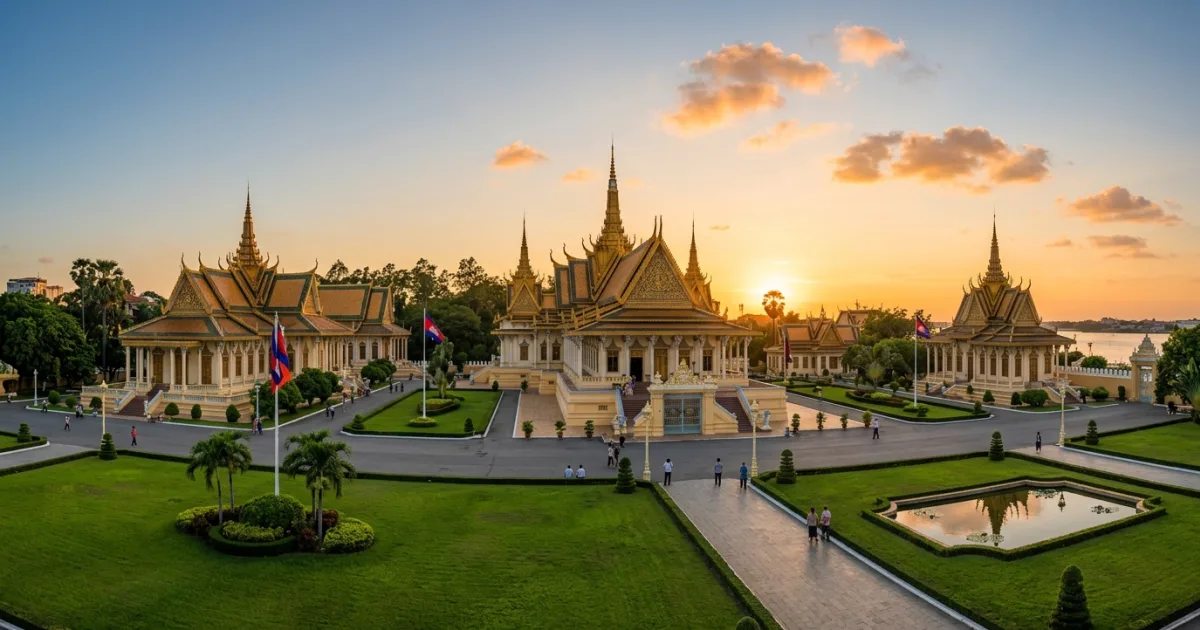
- Classic Khmer Architecture: Witness the gilded spires of the Royal Palace and the floor tiles of the Silver Pagoda.
- Vibrant Market Life: Explore the architectural marvel of Central Market and uncover handicraft treasures inside the Russian Market.
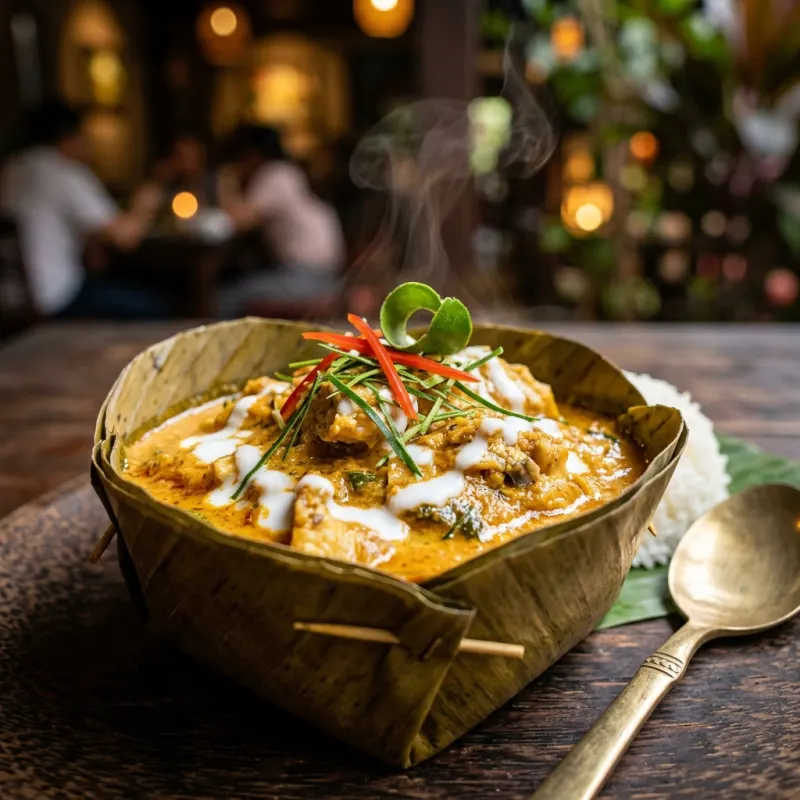
- Evolving Food and Drink Culture: Experience street food stalls serving nom banh chok alongside contemporary fine dining and scenic rooftop cocktail bars.
- Sunset River Cruises: Cruise past the meeting point of the Mekong and Tonle Sap rivers during golden hour for panoramic city vistas.
Things to Avoid
- Avoid walking with your smartphone or handbag loosely held near the roadway, as opportunist bag-snatching occurs via passing motorbikes.
- Do not touch Buddhist monks or point your feet toward Buddha images or individuals inside temples.
- Avoid giving cash to children begging or selling trinkets on the streets, as it discourages formal school attendance; support vetted local charities instead.
- Do not carry torn, crumpled, or marked US banknotes, as local businesses will refuse to take them.
Local Transportation Tips
Getting around Phnom Penh is simple and affordable. Three-wheeled auto-rickshaws (tuk-tuks) operate across the city; hail them digitally using applications like Grab or PassApp to ensure set fares without manual price negotiation. Traditional motorbike taxis (mopeds) exist for solo adventurers, though wearing a helmet is mandatory. Walking is feasible in dense quarters like the Sisowath Quay riverfront, but general sidewalks can be obstructed by parked vehicles, making short tuk-tuk rides the standard method of transport.
Travel Etiquette
- Perform the 'Sampeah' greeting—pressing palms together near the chest with a slight bow—when greeting elders or monks.
- Remove shoes, hats, and sunglasses before crossing into the inner sanctum of any pagoda or traditional home.
- Dress modestly in all spiritual spaces with shoulders and upper legs covered.
- Handle currency and business cards using both hands or your right hand as a sign of respect.
Recommended Age Group
Phnom Penh accommodates various traveler demographics, though certain destinations require emotional maturity and physical resilience.
- Babies (0-2 years): Neutral. Tropical heat, uneven pedestrian pavements, and heavy urban traffic present logistical challenges with strollers.
- Kids (3-12 years): Neutral. Children will enjoy riverboat trips and vibrant markets, but intense war memorial exhibitions are emotionally inappropriate for young ages.
- Teens (13-19 years): Recommended. Older youth gain profound educational value from historical sites and enjoy the bustling urban night markets.
- Adults (20-64 years): Recommended. Excellent opportunities for independent urban exploration, historical study, culinary sampling, and nightlife.
- Seniors (65+ years): Recommended. Easily accessible via affordable private vehicles and tuk-tuks, provided travelers navigate temple steps at a comfortable pace.
Accessibility Level: Medium
- Urban sidewalks are often uneven and interrupted by street vendors and parked mopeds, creating challenges for standard wheelchairs.
- Major modern hotels, high-end shopping centers, and newly built international terminals offer ramp access and adapted facilities.
- Historic sites such as the Royal Palace and Wat Phnom feature stone steps and limited ramp infrastructure.
- Wheelchair-accessible private vans can be booked in advance via specialized transport agencies in the city.
Did You Know?
Phnom Penh took its name from a wealthy widow named Daun Penh ('Grandmother Penh'), who, according to legend in 1372, discovered four bronze Buddha statues floating inside a hollow Koki tree trunk washed up on the riverbank, prompting her to build a sanctuary on the hill known today as Wat Phnom.
Cool Statistics
- Over 2.2 million residents call the Phnom Penh metropolitan area home.
- The Silver Pagoda within the Royal Palace complex features a floor inlaid with over 5,000 silver tiles.
- The Central Market (Phsar Thmey), built in 1937, remains one of the largest domed Art Deco structures in Southeast Asia.






Buy a compatible power adapter for your trip