Fujian is situated along China's southeastern seaboard, characterized by jagged mountain chains that long separated its river basins from the central plains. This distinct geography fostered a constellation of linguistically distinct cultures, leading to the preservation of ancient architectural forms, tea ceremonies, and maritime traditions. During the Song and Yuan dynasties, Fujian's historic port of Quanzhou served as the starting point of the Maritime Silk Road, welcoming traders from across the globe and leaving behind a mosaic of Buddhist, Islamic, Christian, and Hindu relics.
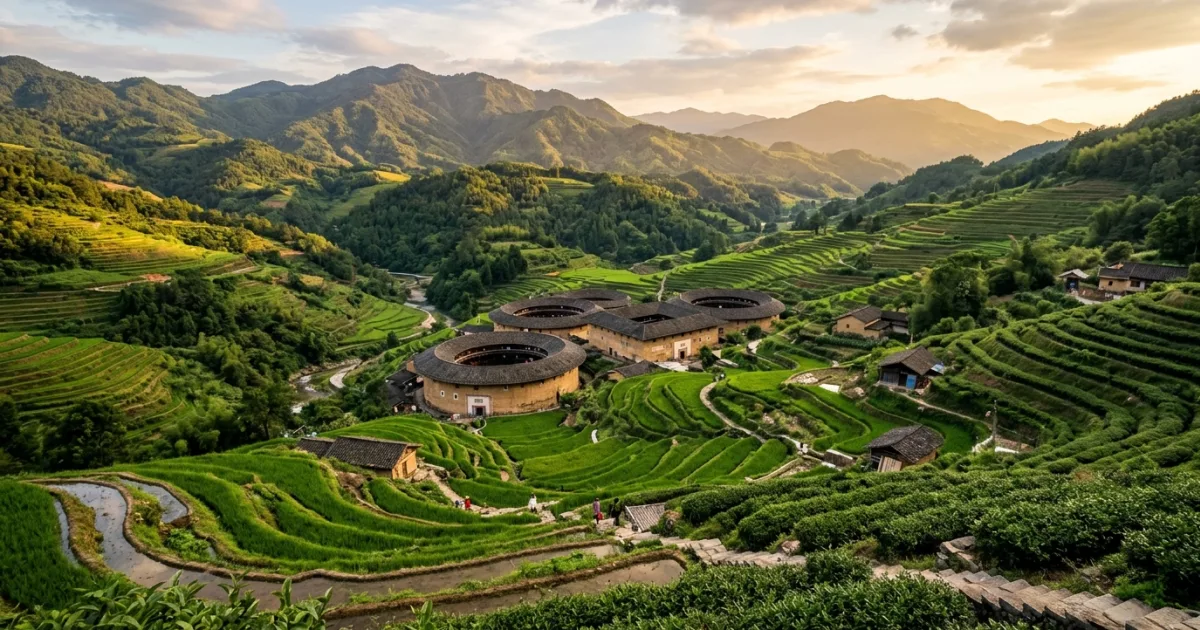
Today, the province blends historical preservation with modern infrastructure. Xiamen charms travelers with its pedestrian-friendly lanes and colonial heritage on Gulangyu Island, while inland counties feature the world-renowned Tulou—massive multistory defensive earthen homes built by Hakka and Min families. Mount Wuyi offers pristine river gorges, cliffside Taoist shrines, and terraced tea plantations producing imperial oolongs. From steaming bowls of fish ball soup in Fuzhou's Three Lanes and Seven Alleys to coastal maritime promenades, Fujian delivers an exceptionally diverse travel experience.
Reasons to Visit
- Marvel at the architectural genius of the UNESCO-inscribed Fujian Tulou fortress homes.
- Sample world-class Rock Tea (Yancha) amidst the dramatic sandstone cliffs of Mount Wuyi.
- Explore Quanzhou's Maritime Silk Road relics, including China's oldest Islamic mosque and ancient Buddhist shrines.
- Stroll through the automobile-free, piano-filled colonial streets of Gulangyu Island in Xiamen.
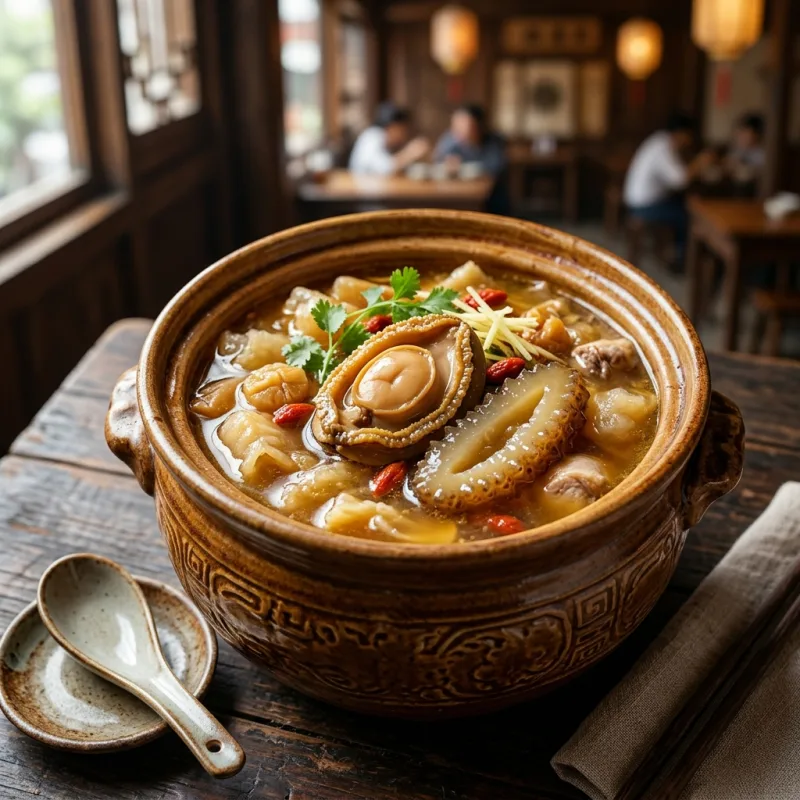
- Savor authentic Min cuisine, celebrated for fresh seafood broths and Shaxian street snacks.
Things to Avoid
- Avoid planning strenuous mountain hikes during peak summer typhoons or prolonged summer rainstorms.
- Avoid relying solely on international credit cards for street vendors, rural shops, or local transport.
- Avoid buying overpriced packaged tea in heavy tourist zones without sampling the brew first.
- Avoid visiting Gulangyu Island or Mount Wuyi during peak domestic holiday weeks without pre-booking ferry and park passes.
Local Transportation Tips
Fujian boasts an exceptional transport network. High-speed bullet trains run continuously along the coastal corridor, linking Fuzhou, Putian, Quanzhou, Xiamen, and Zhangzhou in minutes, with inland spurs leading directly to Wuyishan. Fuzhou and Xiamen operate clean, extensive subway networks with bilingual signage. For rural routes around the Tulou or tea valleys, licensed metered taxis, ride-hailing apps, and rural tourist buses are readily available.
Travel Etiquette
- Accept tea cups with both hands during traditional Gongfu tea ceremonies as a sign of respect.
- Tap two fingers lightly on the table to silently thank your host when tea is refilled.
- Remove shoes if required when entering traditional living quarters in rural Tulou.
- Maintain low voices when visiting functioning Buddhist and Taoist temples.
Recommended Age Group
Fujian offers diverse landscapes and cultural sites that cater to various travel demographics with differing physical demands.
- Babies (0-2 years): Neutral. Cobblestone pathways in ancient villages and island stairs make stroller travel challenging, though urban parks and modern malls are accessible.
- Kids (3-12 years): Recommended. Children enjoy exploring the cavernous circular Tulou courtyards, riding bamboo river rafts in Mount Wuyi, and playing on Xiamen's sandy beaches.
- Teens (13-19 years): Recommended. Active hiking, rich coastal cycling paths, vibrant night markets, and unique historical fortresses offer plenty of engaging experiences.
- Adults (20-64 years): Recommended. An ideal destination for culture enthusiasts, tea connoisseurs, photographers, and hikers seeking deep regional immersion.
- Seniors (65+ years): Recommended. High-speed rail makes transit smooth, and leisure activities like Gongfu tea tastings, scenic strolls, and temple visits are gentle and rewarding.
Accessibility Level: Medium
- Modern bullet train stations, provincial airports, and city subways feature elevators, tactile paving, and accessible restrooms.
- Major attractions like Gulangyu Island and Mount Wuyi include extensive stone staircases that present mobility challenges for manual wheelchair users.
- Central urban areas in Xiamen and Fuzhou feature level sidewalks and curb cuts, whereas rural Tulou villages feature uneven flagstone paths.
Did You Know?
Fujian's Mount Wuyi is the birthplace of both black tea (Lapsang Souchong) and oolong tea, having traded tea leaves along ancient caravan trails and overseas shipping routes for centuries.
Cool Statistics
- Over 3,000 distinct earthen Tulou structures are scattered across southwest Fujian.
- Forest cover across Fujian exceeds 65%, ranking among the highest of any Chinese province.
- Quanzhou features 22 individual cultural sites inscribed together on the UNESCO World Heritage list.






Buy a compatible power adapter for your trip