Disclosure: This site contains affiliate links. We may earn a commission if you make a purchase, at no extra cost to you.

>
>
>
East China
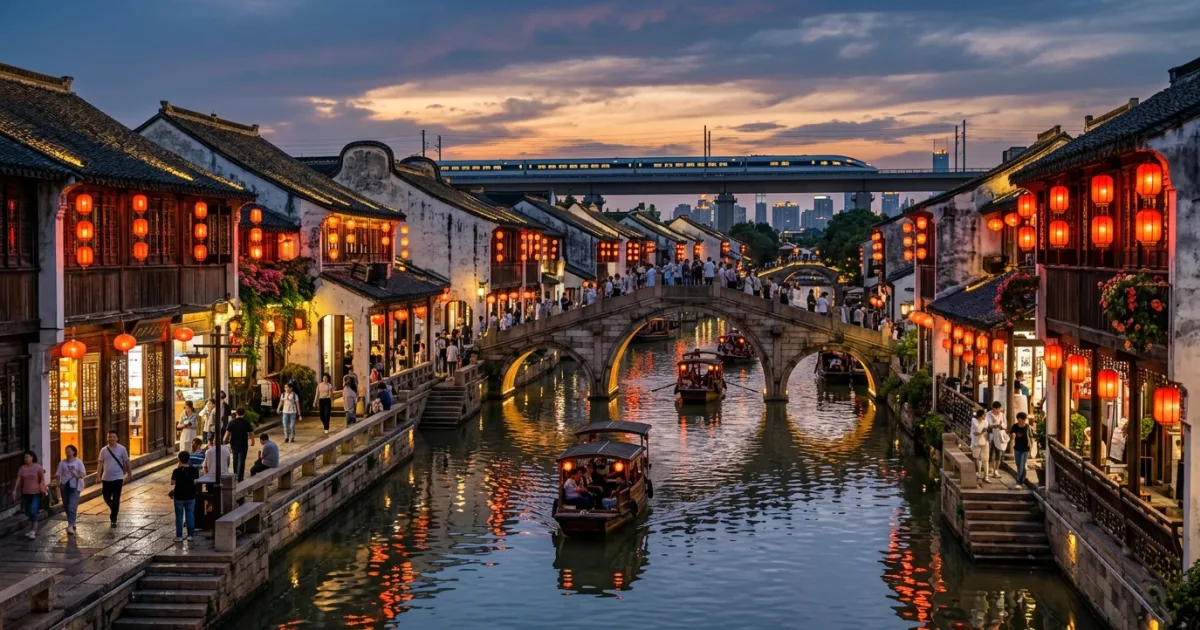
Traditional East China water town canal at twilight with glowing red lanterns

East China Overview & Key Highlights

East China encompasses a dynamic blend of ancient heritage and futuristic urban landscapes, anchored by the global financial hub of Shanghai and the historically rich provinces of Jiangsu, Zhejiang, Anhui, Fujian, Jiangxi, and Shandong. This region serves as the economic engine of the country while preserving UNESCO World Heritage sites like the classical gardens of Suzhou, the serene waters of Hangzhou's West Lake, and the dramatic granite peaks of Huangshan (Yellow Mountain). Travelers can seamlessly navigate between neon-lit skyscrapers and centuries-old water towns using one of the world's most advanced high-speed rail networks. Beyond its architectural and natural wonders, East China offers a profound culinary journey characterized by sweet, savory, and seafood-rich flavor profiles. The coastal provinces provide an abundance of fresh marine delicacies, while inland areas are celebrated for their refined tea culture, particularly Longjing green tea and Da Hong Pao oolong. Whether exploring the colonial-era Bund, hiking through bamboo forests, or wandering the narrow alleys of ancient villages, visitors will find a region that perfectly encapsulates the rapid modernization and deep-rooted traditions of contemporary China.

East China Travel Guide: Logistics & In-Depth Tips

East China is a vast and diverse region that serves as the cultural and economic heartbeat of the nation. It encompasses the megacity of Shanghai, alongside the provinces of Jiangsu, Zhejiang, Anhui, Fujian, Jiangxi, and Shandong. This area is renowned for its 'water towns' like Wuzhen and Zhouzhuang, where ancient canals replace streets and stone bridges connect centuries-old dwellings. The region is also home to some of China's most revered landscapes, including the mystical peaks of Huangshan and the poetic shores of Hangzhou's West Lake, which have inspired countless poets and painters throughout Chinese history.

Modern East China is a marvel of infrastructure and technological advancement. The high-speed rail network connects major hubs in mere hours, allowing travelers to wake up in a futuristic skyscraper in Shanghai and spend the afternoon wandering through a tranquil, UNESCO-listed classical garden in Suzhou. The culinary landscape is equally impressive, offering everything from Michelin-starred dining to humble street-side stalls serving steaming baskets of Xiaolongbao. Whether you are seeking deep historical immersion, cutting-edge urban exploration, or serene natural beauty, East China provides a multifaceted travel experience.

Reasons to Visit

  • Architectural Marvels: Contrast the futuristic skyline of Pudong with the colonial elegance of the Bund in Shanghai.
  • Classical Gardens: Explore the meticulously designed UNESCO World Heritage gardens of Suzhou.
  • Natural Wonders: Hike the granite peaks and ancient pine forests of Huangshan (Yellow Mountain).
  • Water Towns: Step back in time in the picturesque canal towns of Jiangnan, such as Xitang and Tongli.
  • Culinary Excellence: Indulge in regional specialties like soup dumplings, sweet and sour mandarin fish, and Dongpo pork.

Things to Avoid

  • Golden Week Travel: Avoid traveling during the first weeks of May and October, as domestic tourism peaks and sites become overwhelmingly crowded.
  • Relying Solely on Cash or Foreign Credit Cards: Most vendors expect mobile payments (Alipay/WeChat Pay); foreign Visa/Mastercard are rarely accepted outside major hotels.
  • Unlicensed Taxis: Always use official taxi ranks or ride-hailing apps like DiDi to avoid scams.
  • Assuming English is Widely Spoken: Outside of top-tier cities and international hotels, English is limited. Have addresses written in Chinese characters.

Local Transportation Tips

East China boasts one of the most efficient transportation networks in the world. The high-speed rail (HSR) system is the best way to travel between cities, with trains running frequently between Shanghai, Hangzhou, Suzhou, and Nanjing at speeds up to 350 km/h. Within cities, extensive and modern metro systems are the most convenient and affordable way to get around. Ride-hailing apps like DiDi (which has an English interface) are ubiquitous and inexpensive for point-to-point travel. Public buses are also available but can be challenging to navigate without reading Chinese.

Travel Etiquette

  • Respect Queues: While queuing norms have improved, be prepared for occasional pushing in crowded transit areas; stand your ground politely.
  • Dining Customs: When dining in a group, dishes are shared family-style on a lazy Susan. Never leave your chopsticks sticking vertically upright in a bowl of rice, as it resembles incense offered to the dead.
  • Tipping: Tipping is not customary in China and may even cause confusion or be politely refused.
  • Public Behavior: Avoid discussing sensitive political topics. Modest dress is appreciated when visiting active temples.

Recommended Age Group

East China offers a diverse array of attractions suitable for various age groups, though the pace of travel can be demanding.

  • Babies (0-2 years): Neutral. While major cities have modern facilities, navigating crowded tourist sites and ancient water towns with a stroller can be difficult.
  • Kids (3-12 years): Recommended. Children will enjoy the futuristic architecture, interactive museums in Shanghai, and boat rides in the water towns.
  • Teens (13-19 years): Recommended. The blend of high-tech urban environments, shopping, and historical exploration provides an engaging experience for teenagers.
  • Adults (20-64 years): Recommended. Ideal for adults seeking a mix of culinary adventures, cultural immersion, and dynamic nightlife.
  • Seniors (65+ years): Recommended. The excellent high-speed rail network and accessible modern infrastructure make travel comfortable, though steep mountain areas like Huangshan may require caution.

Accessibility Level: Medium

  • Major cities like Shanghai and Hangzhou have made significant strides in accessibility, with elevators in most metro stations and ramp access at major tourist sites.
  • High-speed trains offer dedicated wheelchair spaces and accessible restrooms.
  • Historical sites, particularly ancient water towns and mountain paths (like Huangshan), can be challenging due to cobblestones, narrow alleys, and steep stairs.
  • Modern shopping malls and international hotels provide excellent barrier-free facilities.

Did You Know?

Did you know that the Grand Canal, which runs through East China, is the longest and oldest artificial river in the world? Stretching over 1,700 kilometers from Beijing to Hangzhou, it was constructed in sections starting in the 5th century BC and played a crucial role in the economic and cultural integration of ancient China.

Cool Statistics

  • High-Speed Rail: The Shanghai Maglev Train is the fastest commercial electric train in the world, reaching speeds of 431 km/h (268 mph).
  • Population: East China is home to over 400 million people, making it more populous than the United States.
  • UNESCO Sites: The region boasts over 15 UNESCO World Heritage Sites, including Mount Wuyi and the Classical Gardens of Suzhou.
  • Tea Production: Zhejiang province is the birthplace of Dragon Well (Longjing) tea, one of China's most famous and expensive green teas.


Address:

East China, China

Find Nearby Accommodations

Basic Info

address icon

COUNTRY & Region

China,
Asia

ACCESSIBILITY LEVEL​

Medium
Currency icon

LOCAL CURRENCY​

Chinese Yuan (CNY)
Price level icon
Medium
Safety Level icon

SAFETY LEVEL

Duration icon

Recommended Duration

• 1-7 days
• More than a week

Electricity

electricity icon

Electricity

220-240V, 
50Hz
Plug Socket icon

Plug Type

• Type A (Flat blade)
• Type C (Round pin)
• Type I (Two flat pins in V-shape, grounding pin)
Plug types
Click To View Plug Types
East China is part of our
Accessible Travel collection

Things To Do In East China

Total: 1

Panoramic view of the Shanghai skyline at twilight featuring the Bund and Pudong district
Discover Shanghai, China's futuristic metropolis, from the colonial glamour of The Bund to the towering skyscrapers of the Pudong skyline.

Activities To Do In East China

Best Time To Visit East China

The optimal times to visit East China are during the spring and autumn seasons.

  • Spring (April to May): Offers mild temperatures and blooming flora, perfect for visiting gardens and West Lake.
  • Autumn (September to November): Features clear skies, comfortable weather, and beautiful fall foliage, especially in mountainous areas like Huangshan.
  • Summer (June to August): Can be hot, humid, and prone to typhoons along the coast.
  • Winter (December to February): Generally cold and damp, though less crowded.

Average Temperatures Per Month

Remember to check the weather forecast a few days before the trip and before heading to the airport.

Safety Level icon

Safety Level

East China is generally very safe for travelers, with low rates of violent crime. Petty theft like pickpocketing can occur in crowded tourist areas and train stations, so keep valuables secure. Traffic can be chaotic; always look both ways when crossing streets, even on a green light, as e-bikes are silent and often ignore traffic signals. Be cautious of 'tea house' or 'art student' scams in major tourist hubs like Shanghai's Nanjing Road.

The rating is based on multi-year peace, crime, and security indices. Before you go, always verify current conditions through official government travel advisories.

Emergency Numbers

Police: 112 (Universal) / 110
Ambulance: 120

No internet needed • Includes local translations • Free for TravelingWiz readers

Spoken Languages

Mandarin Chinese is the official language. Various local dialects (like Wu Chinese in Shanghai and Suzhou) are widely spoken. English proficiency is generally moderate in major cities like Shanghai but limited in rural areas.

Learn The Language

  • Nǐ hǎo (Hello)
  • Xièxiè (Thank you)
  • Duōshǎo qián? (How much is this?)
  • Wǒ yào zhège (I want this)
  • Cèsuǒ zài nǎlǐ? (Where is the bathroom?)
  • Bù hǎoyìsi (Excuse me / Sorry)
  • Mǎidān (Bill, please)
  • Tīng bù dǒng (I don’t understand)
Travel Booking Partner - TravelingWiz

Trip Cost & Budgeting for East China, 2026

Everything you need to know about money while traveling
Is East China expensive for tourists in 2026? No, it remains quite reasonable compared to Western cities. When visiting cities like Shanghai or Hangzhou, expect to pay around 22 CNY for a cappuccino, 8 CNY for a domestic draft beer, and 100 CNY for a mid-range restaurant meal. Featuring Human Verified prices, East China offers great value across all budgets. Use the data table below to calculate your specific daily budget based on your travel style.
Currency icon

LOCAL CURRENCY​:

Chinese Yuan (CNY)
Price level icon
Medium
Alipay and WeChat Pay dominate daily payments, while international credit cards are accepted primarily at major upscale establishments.

Per person, per day – pocket cash for small purchases.

Local: 85
Chinese Yuan (CNY)
≈ 13 USD

Full daily spend estimation (accommodation, food, transportation, attractions).

Travel Style
Chinese Yuan (CNY)
≈ USD ($)
Budget
470
70
Mid-range
850
126
Comfort
1870
277

The Prices, Daily costs, and calculator results are estimates for planning purposes only. Actual costs may vary based on season, booking timing, personal spending habits, and currency fluctuations. TravelingWiz cannot be held responsible for discrepancies between these estimates and your final trip expenses.

  • • Link foreign credit cards to Alipay or WeChat Pay before arrival to seamlessly pay at street stalls and transit gates.
  • • Travel between East China cities like Shanghai, Suzhou, and Hangzhou using high-speed rail instead of domestic flights.
  • • Dine at local family-run eateries (Jiachangcai) or department store food courts for authentic, budget-friendly meals.
  • • Use metro systems or shared bikes for city transit rather than taxis to avoid sitting in traffic and save money.

Pre-Order Tickets

Avoid disappointment when tickets sell out — and skip the long lines by booking online in advance. You’ll often save up to 20% too.
Save up to 20%

Travel Discounts & Coupons

Save on hotels, attractions, transport, and gear — find verified discounts for smarter travel spending.
Verified Coupons

What To Pack

  • Comfortable walking shoes for expansive gardens and mountain trails.
  • Universal power adapter (Type A, C, and I are common).
  • VPN pre-installed on your devices to access international websites and apps.
  • Lightweight layers for fluctuating spring and autumn temperatures.
  • Translation app with offline Mandarin capabilities.
We couldn't find tips for East China.
If you got any, please share

Recommended Itineraries for Traveling to East China

We couldn't find itineraries for East China.
you can contact us for custom trip plan

Food & Drink Highlights

Local Food Overview

East China's cuisine, heavily influenced by the Jiangnan region, emphasizes fresh ingredients, subtle sweetness, and an abundance of seafood and river fish. Signature styles include Huaiyang, Zhejiang, and Anhui cuisines, featuring braised meats, delicate dumplings, and dishes infused with local rice wine and black vinegar.
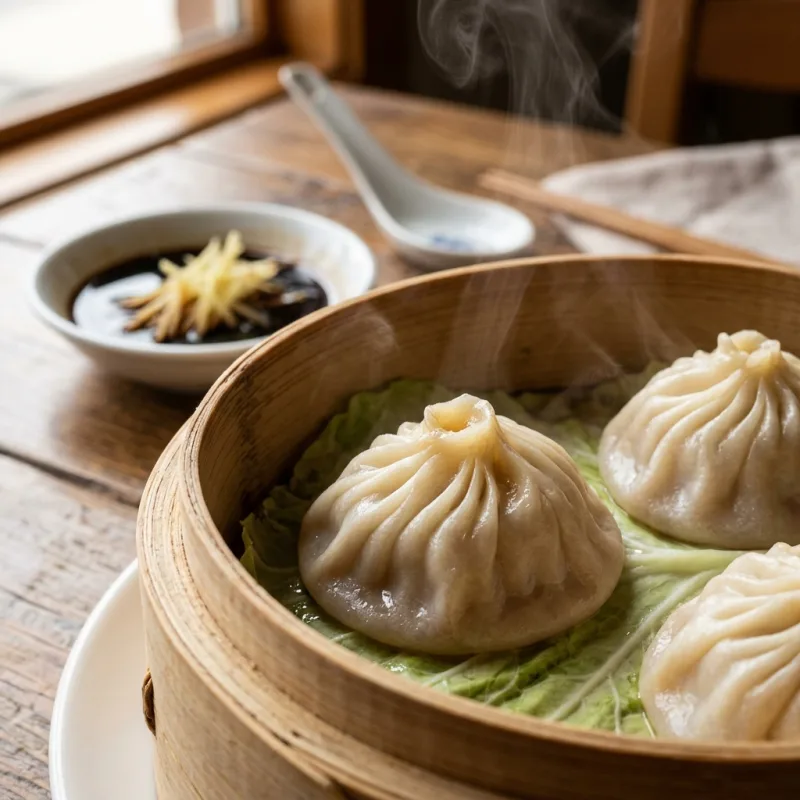
Steaming bamboo basket of Xiaolongbao soup dumplings

Must Try Dish

Xiaolongbao (Soup Dumplings) - These delicate, steamed buns are famous for their paper-thin wrappers and rich, savory pork broth hidden inside. Originating from the Jiangnan region, they are traditionally enjoyed with a side of black vinegar and fresh ginger slivers.
Food Experiences Title Icon

Food
Experiences

Discover cooking classes, tastings and local food tours

No food experience found
Maya, the human travel expert at TravelingWiz, offering curated, non-AI expertise

Maya’s Final Checklist for East China

Logistics shouldn’t be the focus of your trip—the experience should. I’ve hand-vetted these essential partners to ensure your arrival, stay, and exploration are as smooth as an Athenian breeze.

Where to Stay

From boutique hotels to local apartments—compare thousands of options and find the perfect stay in the best neighborhood.

Air Travel

Getting there should be seamless. Compare the best routes and prices across top airlines to start your journey on the right note.

Local Guides

Connect with experts who know the destination best. Get personalized advice and insider tips to help you plan your perfect trip.

Travel Protection

The “Engineer’s” rule: always have a backup. Secure your trip with a plan that covers every “what if” and unexpected change.

Car Rentals

Explore at your own pace with total freedom. Compare reliable rental options and find the right vehicle for your adventure.

Visa Services

Don’t let paperwork slow you down. Get expert assistance with your application to ensure all your entry documents are in order.

FAQs

Most foreign nationals require a visa to enter China. However, cities like Shanghai, Hangzhou, and Nanjing offer 144-hour visa-free transit for eligible nationalities if you are transiting to a third country.
Google services, including Maps, are blocked in China without a VPN. It is recommended to use Apple Maps (which works without a VPN) or download local apps like Baidu Maps or Amap, though they are primarily in Chinese.
The high-speed rail (HSR) network is the most efficient, comfortable, and affordable way to travel between major cities like Shanghai, Suzhou, Hangzhou, and Nanjing.
In top-tier cities like Shanghai and at major international hotels, English is commonly spoken. In smaller towns, water villages, and rural areas, English is rare, so a translation app is essential.

Your Insights Matter

TravelingWiz grows through the stories of our community. If you’ve recently explored ,East China share your tips and stories to help us perfect our guides for the next traveler.

Related Articles

Check out our related articles and blog posts to learn even more about the destination.

No related articles found

Don’t Travel Alone

Share with your friends and family

Where should we send your offline card?

We hate spam just as much as you do

newsletter_consent *