Shandong extends into the Yellow Sea as a peninsula rich in classical philosophy, imperial history, and maritime commerce. It borders Hebei, Henan, Anhui, and Jiangsu, serving as a pivotal cultural crossroads between northern and eastern China. The province's name translates to 'East of the Mountains,' referencing the Taihang range to its west.
Historically, Shandong is revered as the birthplace of Confucius and Mencius, whose teachings shaped East Asian social and philosophical systems for millennia. The province also boasts Mount Tai, designated as a UNESCO World Cultural and Natural Heritage site and the primary ceremonial mountain of Chinese emperors. Along its coastline, cities like Qingdao reflect a distinct European architectural legacy combined with vibrant seafood and brewing cultures.
Reasons to Visit
- Climb Mount Tai to witness the legendary sunrise over a sea of clouds from the South Gate to Heaven.
- Walk the sacred courtyards and ancient cypress groves of the Temple and Mansion of Confucius in Qufu.
- Savor cold, fresh Tsingtao beer straight from the brewery on Qingdao's historic Beer Street.
- Experience the traditional springs of Jinan, particularly the natural gushing fountains of Baotu Spring.
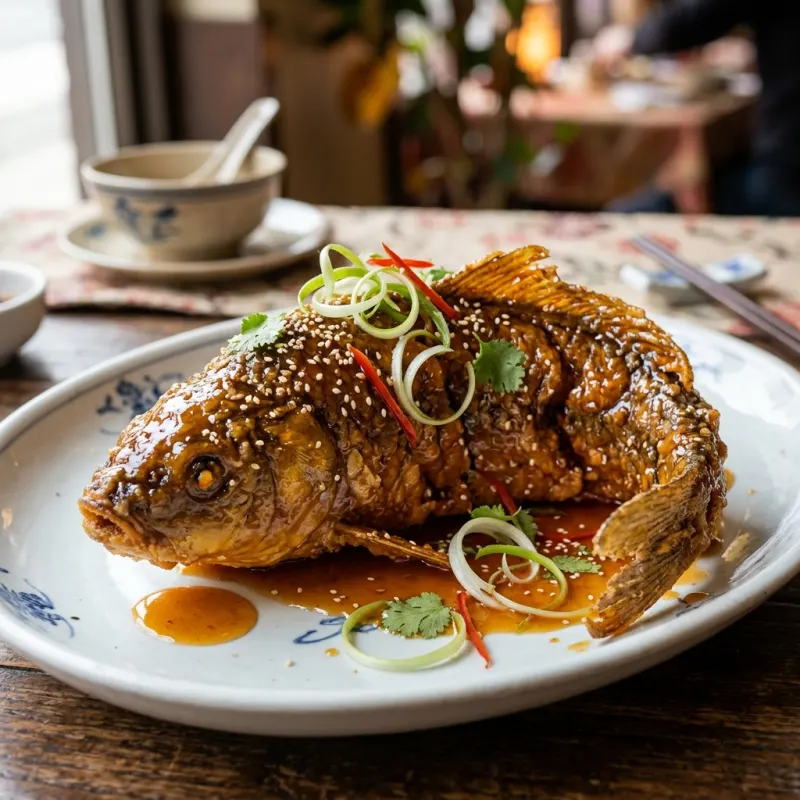
- Indulge in authentic Lu cuisine, exploring master-crafted seafood, roasted meats, and traditional dough crafts.
Things to Avoid
- Avoid attempting to hike Mount Tai in unsupportive footwear or thin flip-flops; the thousands of stone stairs demand durable traction.
- Do not rely entirely on foreign credit cards for everyday purchases; ensure Alipay or WeChat Pay is configured prior to travel.
- Avoid booking coastal travel during public holiday weeks like Golden Week in October without securing train tickets weeks in advance.
- Do not hire unlicensed tour guides or private unlicensed taxis outside train stations; use official queues or ride-hailing apps.
Local Transportation Tips
Shandong features exceptional high-speed rail connectivity, with frequent bullet trains traversing the Jinan-Qingdao corridor and the Beijing-Shanghai high-speed line. Within major cities like Jinan and Qingdao, modern metro networks provide efficient transit to key landmarks and transport hubs. For regional excursions and suburban scenic areas, metered taxis and authorized ride-hailing platforms like Didi provide reliable, metered transportation.
Travel Etiquette
- Show quiet respect in religious and memorial spaces, including ancestral shrines, Confucian temples, and Taoist monasteries.
- When toasting at traditional banquets, hold your glass with both hands and tap the rim slightly below your host's glass as a sign of humility.
- Refrain from sticking chopsticks vertically into a bowl of rice, as this mimics incense burned for the deceased.
- Maintain patience and queue orderly at bustling railway hubs, cable car stations, and entry gates.
Recommended Age Group
Shandong offers diverse attractions ranging from leisurely coastal walks to strenuous high-altitude pilgrimages, making it well-suited for varied age demographics with proper route planning.
- Babies (0-2 years): Not Recommended. Navigating historic temple compounds with high thresholds and mountain ascents with thousands of stairs is impractical with strollers.
- Kids (3-12 years): Neutral. Coastal Qingdao and interactive kite museums in Weifang are enjoyable, but steep mountain trails can quickly exhaust younger children.
- Teens (13-19 years): Recommended. High-energy mountain climbs, vibrant night markets, coastal water sports, and historical architecture offer tremendous engagement.
- Adults (20-64 years): Recommended. Ideal for cultural exploration, culinary tours, outdoor trekking, and high-speed rail travel across varied urban centers.
- Seniors (65+ years): Recommended. Historical sites in Jinan and Qufu are largely flat and accessible, and cable cars provide smooth access to Mount Tai's higher stations.
Accessibility Level: Medium
- High-speed train stations and urban metro lines in Qingdao and Jinan offer tactile paving, step-free elevator access, and accessible restroom facilities.
- Ancient mountain trails on Mount Tai and Laoshan feature continuous flights of steep stone steps, making summit hiking inaccessible for wheelchair users, though cable cars offer elevated views.
- Major heritage museums, including the Confucius Museum in Qufu and the Shandong Art Museum, feature modern wheelchair ramps and elevators.
- Accessible taxi fleets remain limited; travelers with mobility constraints are advised to arrange private accessible transport ahead of time.
Did You Know?
Mount Tai has been continuously revered as a sacred pilgrimage destination for more than 3,000 years, with twelve Chinese emperors personally ascending the mountain to conduct the ancient Fengshan sacrifices to Heaven and Earth.
Cool Statistics
- Mount Tai features approximately 7,200 individual stone steps leading to its summit at 1,545 meters above sea level.
- Shandong possesses more than 3,345 kilometers of coastline, accounting for nearly one-sixth of China's total continental coast.
- The Confucius Cemetery in Qufu is the largest and best-preserved family cemetery in the world, spanning over 200 hectares with more than 100,000 graves spanning 2,500 years.







Buy a compatible power adapter for your trip