Jiangsu province represents the historic core of China's Jiangnan region, a cultural territory south of the lower Yangtze River famed for literature, silk, and artistic patronage. As the economic and cultural heartland of imperial China during the Ming and Qing dynasties, the province accumulated a legacy of exquisite garden design, sophisticated porcelain, and fine tea production. Today, modern infrastructure intersects harmoniously with ancient heritage, where high-speed bullet trains glide past peaceful canal hamlets and terraced fields.
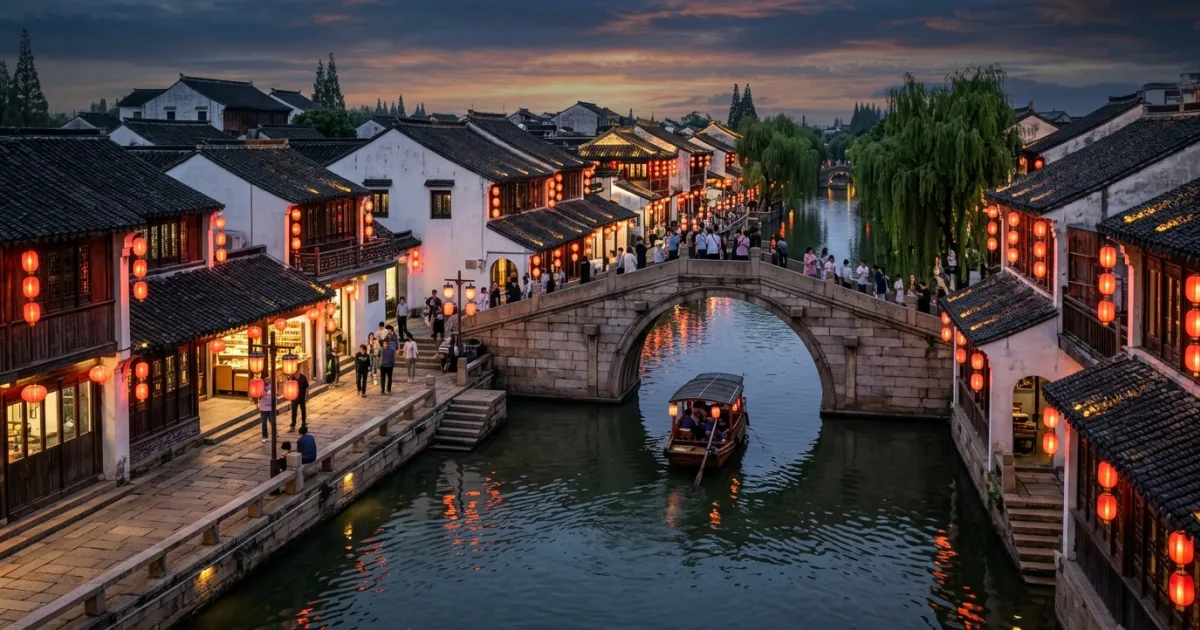
Visitors can anchor their itinerary in Nanjing, China's historic southern capital, exploring massive Ming dynasty city walls and the monumental Sun Yat-sen Mausoleum on Purple Mountain. A short train ride eastward leads to Suzhou, often referred to as the Venice of the East, where nine classical gardens are recognized by UNESCO for their revolutionary landscape architecture. Further north and west, the Grand Canal cities of Yangzhou, Zhenjiang, and Huai'an provide tranquil water views and regional culinary feasts, while ancient water towns like Tongli and Zhouzhuang preserve ancient stone arch bridges and canal lifestyles.
Reasons to Visit
- Tour world-renowned UNESCO World Heritage classical gardens showcasing master-level Chinese landscape design.
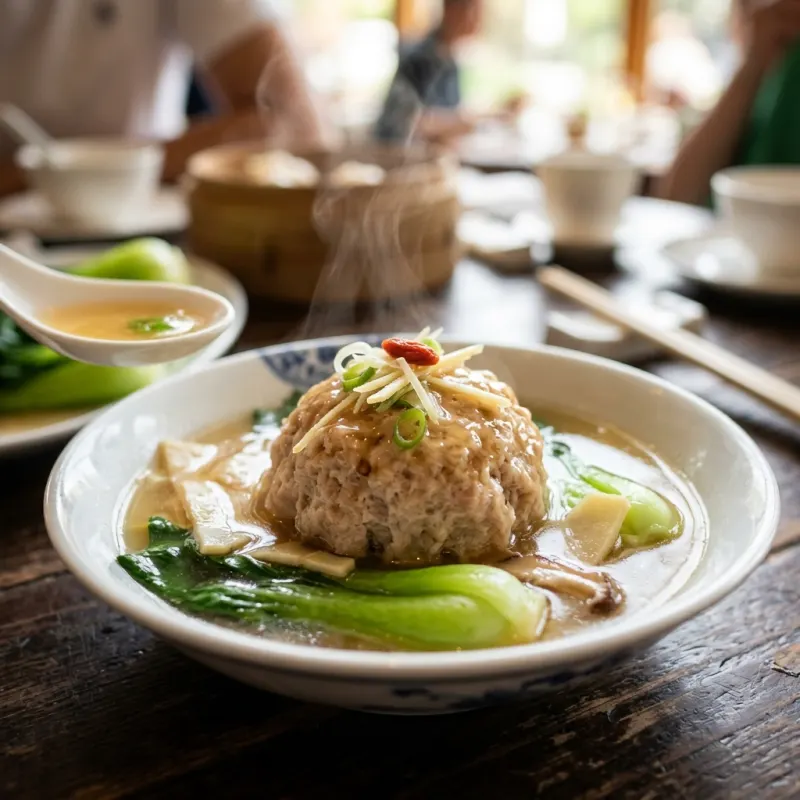
- Savor celebrated Huaiyang cuisine, including tender Lion's Head meatballs, Nanjing salted duck, and delicate freshwater river dishes.
- Cruise along ancient canals flanked by Ming- and Qing-era whitewashed courtyard residences in historic water towns.
- Explore Nanjing's six-dynasties imperial history, from the Sun Yat-sen Mausoleum to the intact 600-year-old Ming City Wall.
- Experience China's advanced transit network, allowing effortless day trips across multiple world-class cities via high-speed bullet trains.
Things to Avoid
- Avoid visiting popular water towns and classical gardens during Chinese national Golden Week holidays (early May and early October) when domestic crowds peak.
- Do not hail unlicensed black cabs outside train stations; always use official taxi stands or ride-hailing apps like Didi via Alipay.
- Avoid booking garden entry on the day of your visit during spring weekends, as UNESCO sites like the Humble Administrator's Garden enforce daily visitor caps.
- Do not rely entirely on foreign physical credit cards for daily purchases, as virtually all shops, taxis, and restaurants operate via mobile QR codes.
Local Transportation Tips
Jiangsu features one of the most comprehensive public transportation networks in East Asia. Intercity travel is dominated by China High-Speed Rail (CRH), with frequent departures connecting Nanjing, Zhenjiang, Changzhou, Wuxi, and Suzhou along the Shanghai-Nanjing intercity corridor. Within urban centers, modern metro systems operate in Nanjing, Suzhou, Wuxi, Changzhou, and Xuzhou, accessible directly by scanning mobile QR codes in the Alipay transport mini-program. For water towns and suburban temples, clean electric city buses, licensed metered taxis, and Didi ride-hailing offer affordable, punctual connectivity.
Travel Etiquette
- Maintain a quiet and respectful demeanor inside classical scholar gardens and Buddhist temples.
- Present and receive business cards, payments, or gifts using both hands as a traditional sign of courtesy.
- Refrain from tipping in restaurants, taxis, and hotels; tipping is not practiced and can cause confusion.
- Dress respectfully when visiting memorial sites such as the Memorial Hall of the Victims in Nanjing.
Recommended Age Group
Jiangsu is a safe and culturally enriching destination with facilities suited for travelers across various stages of life.
- Babies (0-2 years): Neutral. Smooth metro stations and urban centers feature elevators, but historic canal alleys, stone arched bridges, and garden flagstones present obstacles for standard strollers.
- Kids (3-12 years): Recommended. Children enjoy scenic boat rides through ancient canals, interactive silk-making workshops, and expansive scenic parks like Purple Mountain.
- Teens (13-19 years): Recommended. High-speed trains, vibrant neon cityscapes, ancient architecture, and street food night markets provide stimulating cultural experiences.
- Adults (20-64 years): Recommended. Exceptional historical depth, world-class culinary tours, scenic waterways, and high digital convenience cater perfectly to independent adult travelers.
- Seniors (65+ years): Recommended. Flat garden walking paths, gentle boat cruises, safe streets, and comfortable high-speed trains make it an ideal, low-stress cultural journey.
Accessibility Level: Medium
- High-speed railway stations and urban metro lines feature tactile paving, accessible restrooms, and wheelchair elevators.
- Historic gardens and ancient water towns feature arched stone bridges and threshold door beams that limit manual wheelchair mobility.
- Modern cultural venues like the Nanjing Museum and Suzhou Museum offer comprehensive step-free access and wheelchair rentals at visitor desks.
Did You Know?
The Grand Canal of China, the longest and oldest artificial waterway in the world, winds directly through Jiangsu, having transported grain, silk, and imperial scholars between Beijing and Hangzhou for more than 1,400 years.
Cool Statistics
- Contains 9 UNESCO World Heritage-listed classical Chinese scholar gardens located within the historic center of Suzhou.
- Home to Nanjing's Ming Dynasty City Wall, measuring over 25 kilometers in preserved length, making it the longest circular city wall in the world.
- Networked by more than 1,000 kilometers of high-speed passenger rail routes connecting all thirteen provincial prefecture-level cities.






Buy a compatible power adapter for your trip