Beijing is a city of epic proportions, serving as the political and cultural heart of China for over 800 years. Its layout is a testament to ancient Chinese philosophy, designed in concentric ring roads radiating outward from the Forbidden City. Walking through Beijing is like traveling through time; you can spend the morning wandering through the labyrinthine hutongs (ancient alleyways) that date back to the Yuan Dynasty, and the afternoon marveling at the avant-garde architecture of the CCTV Headquarters or the National Stadium (Bird's Nest).
Beyond its monumental architecture, Beijing is a city of vibrant daily life. Early mornings in the Temple of Heaven park reveal locals practicing Tai Chi, flying kites, and singing traditional opera. The city's culinary scene is equally dynamic, offering everything from imperial banquets to humble bowls of Zhajiangmian (fried sauce noodles). While the pace of modernization has been staggering, Beijing retains a profound sense of its imperial grandeur, making it an essential destination for anyone seeking to understand China's past, present, and future.
Reasons to Visit
- The Great Wall: Easy access to one of the greatest architectural feats in human history.
- Imperial Grandeur: Home to the Forbidden City, the Summer Palace, and the Temple of Heaven.
- Hutong Culture: Explore the traditional courtyard homes and narrow alleys that represent old Beijing.
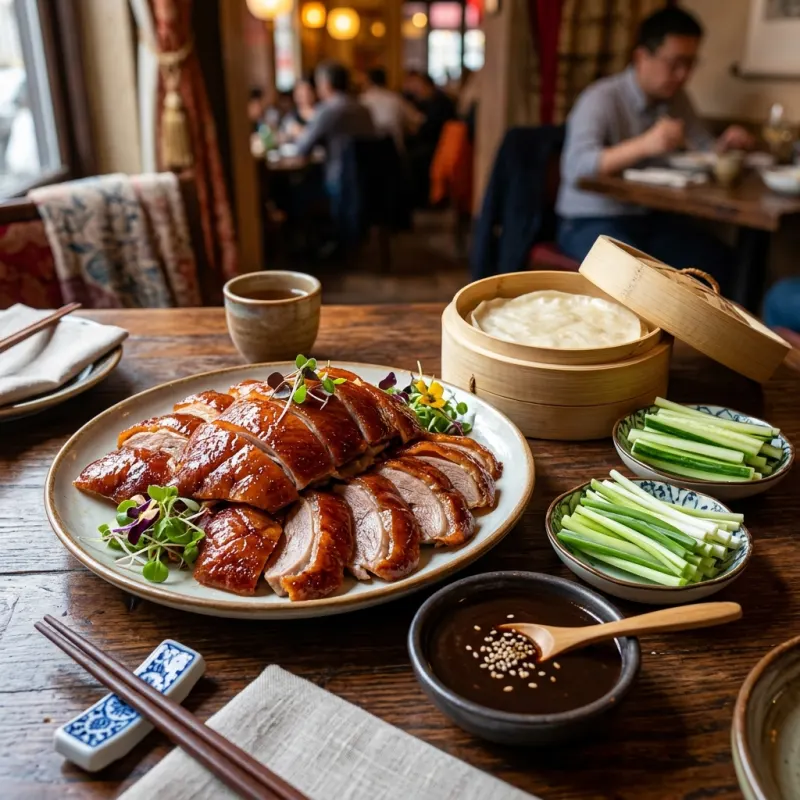
- Culinary Delights: Taste authentic Peking Duck, savory dumplings, and unique street food.
- World-Class Museums: The National Museum of China and Capital Museum offer deep dives into Chinese history.
Things to Avoid
- Golden Week: Avoid traveling during the first week of October (National Day) and Chinese New Year, as crowds are overwhelming.
- Black Cabs: Never accept rides from drivers soliciting inside the airport or train stations; always use the official taxi queue or Didi.
- Tap Water: Do not drink tap water in Beijing; always stick to bottled or boiled water.
- Unlicensed Tour Guides: Avoid booking Great Wall tours with random street vendors; use reputable agencies or your hotel concierge.
Local Transportation Tips
The Beijing Subway is the most efficient, affordable, and foreigner-friendly way to navigate the city. Signs and announcements are in both Chinese and English, and the network covers almost every major tourist attraction. Taxis are plentiful and cheap, but traffic can be gridlocked, and drivers rarely speak English, so having your destination written in Chinese characters is crucial. The ride-hailing app Didi (which has an English interface) is highly recommended. Bicycles are also a popular way to explore the flatter areas and hutongs, with numerous bike-share programs available via mobile apps.
Travel Etiquette
- Tipping: Tipping is not customary in China and may even cause confusion or be politely refused.
- Respecting Elders: Show respect to older individuals; it is polite to offer them your seat on public transport.
- Handing Objects: When giving or receiving something important (like a business card or money), use both hands as a sign of respect.
- Public Behavior: Pointing with a single finger is considered rude; use an open hand instead. Staring at foreigners is common in less touristy areas and is usually out of curiosity, not malice.
Recommended Age Group
Beijing offers a diverse range of experiences, but its massive scale requires consideration for different age groups.
- Babies (0-2 years): Neutral. While modern malls and hotels are highly accommodating, navigating ancient sites like the Forbidden City or the Great Wall with a stroller is very difficult due to uneven stones, high thresholds, and stairs.
- Kids (3-12 years): Recommended. Children will love the Beijing Zoo (home to giant pandas), interactive science museums, and the sheer spectacle of the Great Wall, though the extensive walking can be tiring.
- Teens (13-19 years): Recommended. The blend of ancient history, modern technology, bustling shopping districts, and vibrant street food culture provides a highly engaging environment for teenagers.
- Adults (20-64 years): Recommended. Perfect for deep historical exploration, culinary adventures, and navigating the vast urban landscape independently.
- Seniors (65+ years): Neutral. While culturally enriching, the immense amount of walking required, massive crowds, and occasional poor air quality can be physically demanding. Accessible infrastructure at historical sites is limited.
Accessibility Level: Medium
- Modern infrastructure like the subway system, major shopping malls, and newer museums generally feature elevators, ramps, and accessible restrooms.
- Historical sites present significant challenges: The Forbidden City has high wooden thresholds at every doorway, and the Great Wall involves steep, uneven stairs (though Mutianyu and Badaling have cable cars and some flat sections).
- Sidewalks in older neighborhoods (hutongs) can be narrow, uneven, and blocked by parked bicycles or cars.
- Paratransit services are limited for tourists, so hiring a private accessible vehicle through a specialized tour operator is recommended for wheelchair users.
Did You Know?
Beijing has seven UNESCO World Heritage Sites, making it one of the cities with the highest concentration of such sites in the world. These include the Great Wall, the Forbidden City, the Summer Palace, the Temple of Heaven, the Ming Tombs, Peking Man Site at Zhoukoudian, and the Grand Canal.
Cool Statistics
- Population: Over 21 million residents.
- Subway System: One of the longest and busiest in the world, with over 27 lines and 800 kilometers of track.
- Forbidden City: Contains 980 surviving buildings and is said to have 9,999.5 rooms.
- History: Beijing has served as the capital of China for most of the last eight centuries.






Buy a compatible power adapter for your trip