North China is a region where the weight of millennia is palpable in everyday life. It is the cradle of Chinese civilization, heavily defined by the Yellow River basin and the enduring legacy of successive imperial dynasties. Visitors can trace the architectural evolution from the ancient wooden pagodas of Shanxi province to the monumental Ming and Qing dynasty structures in Beijing. The region is not just a museum of the past; it is a dynamic powerhouse driving China's future, evident in the sprawling metropolis of the Jing-Jin-Ji (Beijing-Tianjin-Hebei) economic zone.
Culturally, North China is distinct from the south. The climate is drier, the landscapes more rugged, and the people are known for their straightforwardness and hearty hospitality. The cuisine reflects this robust nature, favoring wheat noodles, steamed buns, and rich, savory sauces over the rice and delicate flavors of the south. From the spiritual serenity of Mount Wutai to the bustling antique markets of Panjiayuan, North China offers a deeply enriching travel experience that demands time and curiosity to fully absorb.
Reasons to Visit
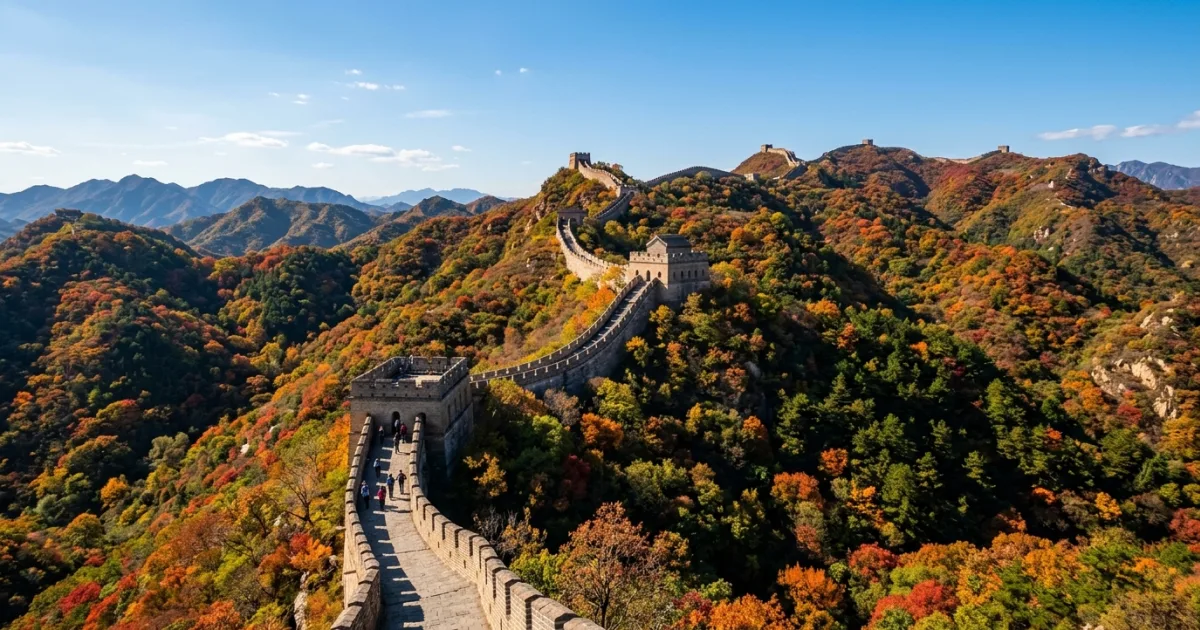
- Unrivaled Historical Sites: Home to the Forbidden City, the Temple of Heaven, and multiple accessible sections of the Great Wall.
- Architectural Diversity: Experience everything from traditional courtyard homes (hutongs) to Tianjin's European concessions and Pingyao's preserved Ming-era city walls.
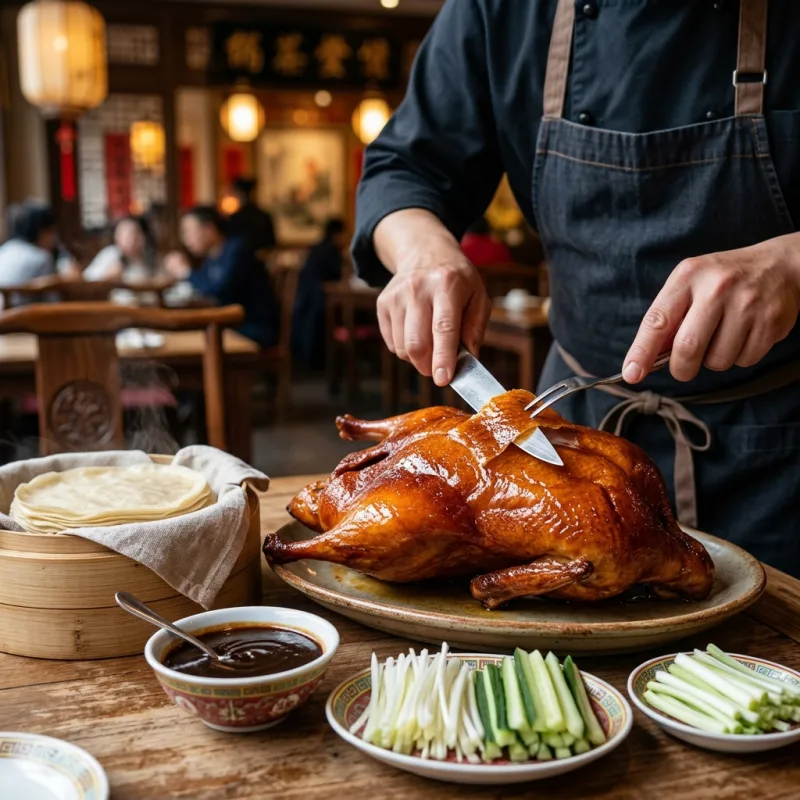
- Culinary Delights: Savor iconic dishes like Peking Duck, Shanxi sliced noodles, and Tianjin's famous steamed stuffed buns (Goubuli).
- Efficient Infrastructure: World-class high-speed trains make traveling between major cities and provinces incredibly fast and comfortable.
Things to Avoid
- Golden Week Holidays: Avoid traveling during the first weeks of May and October, as domestic tourism reaches overwhelming peaks.
- Unlicensed Taxis: Always use official metered taxis or ride-hailing apps to avoid being overcharged.
- Drinking Tap Water: Tap water is not safe to drink; always stick to bottled or boiled water.
- Assuming English is Widely Spoken: Outside of major hotels and tourist hubs, English proficiency is low. Have addresses written in Chinese characters.
Local Transportation Tips
Navigating North China is highly efficient thanks to massive investments in public infrastructure. Major cities like Beijing and Tianjin boast extensive, clean, and cheap subway systems with English signage. For intercity travel, the high-speed rail (HSR) network is the absolute best option, connecting Beijing to Pingyao, Datong, and Tianjin in a matter of hours. Tickets can be booked via apps like Trip.com. Within cities, ride-hailing apps like Didi (which has an English interface) are ubiquitous and affordable. Bicycles are also a popular way to explore flat cities like Beijing, with numerous dockless bike-share programs available via smartphone apps.
Travel Etiquette
- Respecting Elders: Always show respect to older individuals; offer them your seat on public transport.
- Dining Customs: When dining in a group, dishes are shared. Do not stick your chopsticks vertically into a bowl of rice, as it resembles incense offered to the dead.
- Saving Face: Avoid causing public embarrassment or losing your temper, as maintaining social harmony ('saving face') is culturally important.
- Tipping: Tipping is generally not practiced or expected in mainland China, except in high-end international hotels or for organized tour guides.
Recommended Age Group
North China offers a diverse array of experiences that cater well to most age groups, though the sheer scale of the region requires some planning.
- Babies (0-2 years): Neutral. Major cities have good facilities, but navigating crowded tourist sites and the Great Wall with a stroller is highly impractical.
- Kids (3-12 years): Recommended. Children will be fascinated by the sheer scale of the Great Wall, interactive museums in Beijing, and the open spaces of Inner Mongolia.
- Teens (13-19 years): Recommended. The mix of ancient history, vibrant street food culture, and modern tech-forward cities provides a highly engaging environment for teenagers.
- Adults (20-64 years): Recommended. Adults can fully appreciate the deep historical context, diverse culinary scene, and extensive travel required to explore the region's vast landscapes.
- Seniors (65+ years): Recommended. While some historical sites require walking, high-speed rail makes regional travel comfortable, and many major attractions offer accessibility options like cable cars.
Accessibility Level: Medium
- Major Attractions: Top-tier sites like the Forbidden City and the Temple of Heaven have made significant strides in accessibility, offering ramps and accessible restrooms.
- The Great Wall: The Badaling and Mutianyu sections offer cable cars and some flat pathways, making them the most accessible options for wheelchair users.
- Public Transport: Modern subway lines in Beijing and Tianjin are equipped with elevators, though older stations may still present challenges with stairs.
- Sidewalks: While major avenues have wide, flat sidewalks, older neighborhoods (hutongs) can be narrow, uneven, and difficult to navigate with mobility aids.
Did You Know?
Did you know that the Forbidden City in Beijing contains exactly 9,999 and a half rooms? According to legend, only the God of Heaven could possess 10,000 rooms, so the emperor, considered the Son of Heaven, built half a room less to show respect.
Cool Statistics
- Great Wall Length: The Ming Dynasty sections of the Great Wall, mostly located in North China, stretch for over 8,850 kilometers (5,500 miles).
- Forbidden City Size: It is the largest palatial complex in the world, covering 72 hectares (178 acres).
- High-Speed Rail: The Beijing-Tianjin intercity railway was China's first high-speed rail line, reducing travel time between the two megacities to just 30 minutes.
- World Heritage Sites: Beijing alone is home to seven UNESCO World Heritage Sites, more than any other city in the world.






Buy a compatible power adapter for your trip