Hebei is the cradle of northern Chinese statecraft, frontier defense, and dynastic heritage. Hugging the Bohai Sea to the east and the Taihang Mountains to the west, it represents a historical crossroads between nomadic steppe culture and the central plains. Its historic landscape is anchored by defensive landmarks like the First Pass Under Heaven at Shanhaiguan and the Eastern and Western Qing Tombs, which house the resting grounds of legendary imperial rulers.
Today, the province provides an escape from high-density megacities into open wilderness and heritage parks. Whether trekking high mountain ramparts in Luanping, visiting the ancient iron lion of Cangzhou, or carving down pristine ski runs in Chongli, visitors encounter deep traditions, unhurried rural life, and monumental architecture untouched by mass Western commercialism.
Reasons to Visit
- Walk preserved, rugged sections of the Great Wall at Jinshanling and Panjiakou without the overwhelming crowds found closer to Beijing.
- Explore the vast imperial palaces, pagodas, and outer Tibetan-style lamasery temples of Chengde's UNESCO-listed Mountain Resort.
- Pay respects at the Eastern and Western Qing Tombs, two of the grandest imperial necropolises preserved in China.
- Experience world-class winter sports facilities in Chongli, the alpine hub for the Beijing 2022 Winter Olympic Games.
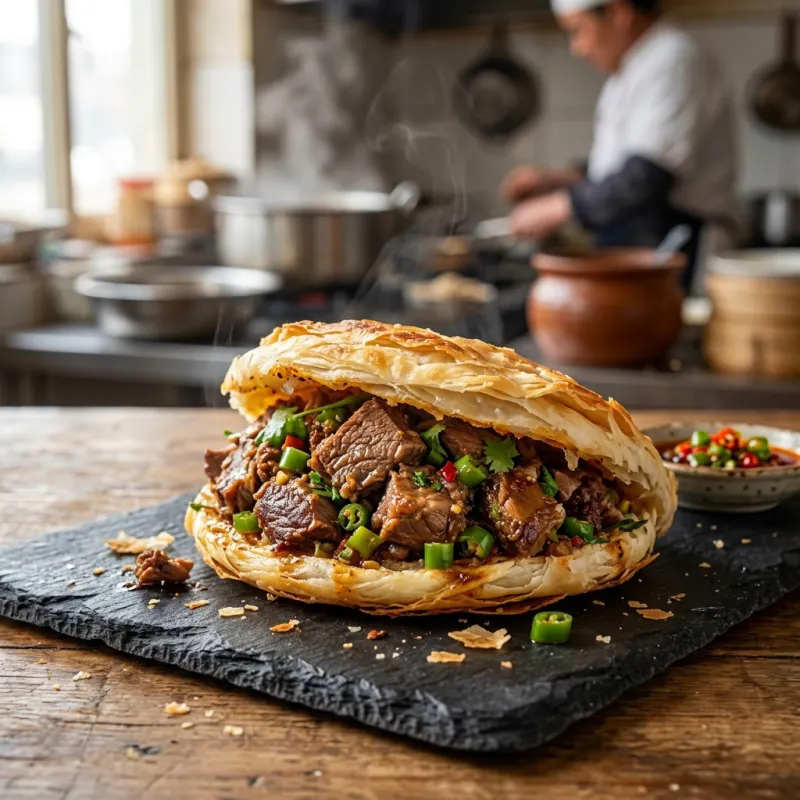
- Savor regional culinary gems including crispy donkey burgers, Baoding craft preserves, and bubbling mutton hotpot.
Things to Avoid
- Avoid attempting to hike wild, unmonitored sections of crumbling Great Wall during heavy thunderstorms or ice conditions.
- Do not rely entirely on foreign credit cards; ensure your digital wallet applications are operational before venturing outside provincial capitals.
- Avoid booking travel without prior accommodation confirmations during Golden Week (early October) and Chinese New Year, when domestic transport peaks.
- Avoid hiring unmetered, unlicensed taxis outside train stations; use verified taxi ranks or ride-hailing apps like Didi.
Local Transportation Tips
Hebei features a modern transportation infrastructure. Intercity high-speed rail lines link Shijiazhuang, Baoding, Langfang, Tangshan, Qinhuangdao, and Zhangjiakou with Beijing and Tianjin in under an hour or two. Within municipal capitals, clean subway systems and comprehensive bus networks operate via tap-to-pay transport cards or QR codes. For remote mountain trailheads, Great Wall sections, and imperial tomb complexes, registered metered taxis or pre-arranged private drivers booked through your hotel remain the most efficient choice.
Travel Etiquette
- Always present and receive identification, money, or business cards using both hands as a traditional gesture of respect.
- Dress respectfully when visiting working Buddhist or Taoist monasteries, removing hats and stepping over raised door thresholds rather than standing on them.
- Ask for permission before photographing local craftspeople or monastic ceremonies.
- Tipping is not customary in Hebei restaurants or taxis and can occasionally cause confusion.
Recommended Age Group
Hebei welcomes diverse generations, though rugged historical terrain requires good mobility.
- Babies (0-2 years): Neutral. Cobblestone paths, ancient steps, and lack of stroller ramps at wild Great Wall sites make transport challenging.
- Kids (3-12 years): Neutral. Children enjoy the open spaces and winter ski parks, but historical temples and long hiking days can test attention spans.
- Teens (13-19 years): Recommended. Outdoor climbing along Great Wall watchtowers and Olympic-grade ski slopes in Chongli offer high engagement.
- Adults (20-64 years): Recommended. Exceptional hiking, architectural photography, imperial history, and culinary trails make this an enriching destination.
- Seniors (65+ years): Recommended. The flat parklands of Chengde Mountain Resort and convenient high-speed trains provide accessible, relaxed cultural touring.
Accessibility Level: Medium
- High-speed railway stations and municipal airports feature modern elevators, barrier-free restrooms, and tactile guidance paving.
- Historical mountain sites, including Jinshanling Great Wall and imperial hillside temples, feature steep staircases with limited wheelchair accessibility.
- The lake district of Chengde Mountain Resort offers level, paved walking pathways suitable for manual wheelchairs and mobility scooters.
Did You Know?
Shanhaiguan in Hebei is historically known as the 'First Pass Under Heaven' because it marks the critical geographical point where the Great Wall meets the Bohai Sea, traditionally demarcating inner China from the northeast frontier.
Cool Statistics
- Home to over 2,000 kilometers of the Great Wall spanning multiple historical dynasties.
- Contains 4 major UNESCO World Heritage Sites, including imperial resorts, tombs, and sections of the Grand Canal.
- Hosts 7 major ski resorts in the Chongli district alone, providing more than 160 ski trails.







Buy a compatible power adapter for your trip