Qinhuangdao occupies a strategic geographical corridor between Northern China and the Northeast (Dongbei) region, hemmed in by the Yan Mountains to the north and the Bohai Sea to the south. This narrow coastal plain served as China's premier military bottleneck for centuries, guarded by Shanhaiguan, historically dubbed the 'First Pass Under Heaven'. The district preserves massive Ming-dynasty stone gates, ramparts, and watchtowers that once repelled northern invasions.
Beyond its military heritage, Qinhuangdao has evolved into a premier northern retreat. In the late 19th century, Beidaihe was officially designated a summer resort for diplomats and government officials due to its mild summer microclimate, lush pine vegetation, and scenic sandy beaches. In recent years, contemporary artistic seaside developments such as Aranya have redefined coastal culture in northern China, featuring modernist architectural landmarks like the Seashore Chapel and the Lonely Library.
Reasons to Visit
- Witness Laolongtou, the iconic endpoint where the Ming Great Wall descends directly into the waters of Bohai Bay.
- Explore Shanhaiguan fortress, one of the most celebrated and well-preserved defensive gates in imperial Chinese history.
- Relax on Beidaihe's broad sandy beaches, a historic seaside resort haven favored for its refreshing summer sea breezes.
- Admire cutting-edge minimalist architecture and art installations across the beachfront of the Aranya community.
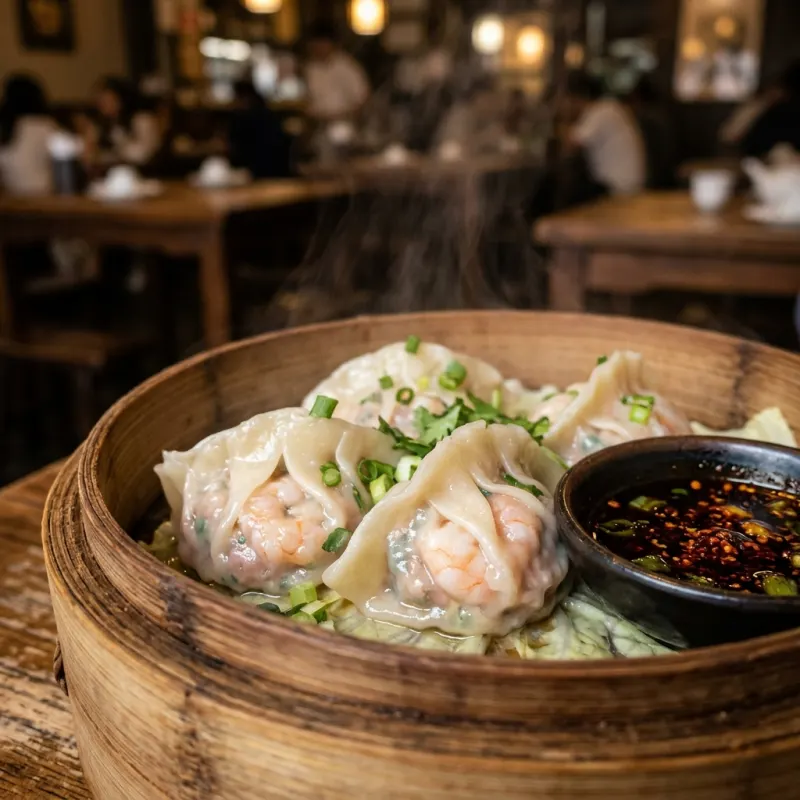
- Savor live Bohai Bay seafood, from steamed swimming crabs to sizzling mantis shrimp seasoned with salt and pepper.
Things to Avoid
- Avoid unmetered taxis waiting outside railway stations; use ride-hailing apps like Didi or queue at official taxi stands.
- Do not show up at the Aranya coastal district without prior lodging reservations or advance attraction passes, as gate entry is restricted.
- Avoid swimming in undesignated beach zones where deep trenches and unpredictable offshore currents occur.
- Don't purchase expensive dried seafood or pearl jewelry from temporary beach stalls without verifying quality and weighing accuracy.
Local Transportation Tips
Public transportation in Qinhuangdao consists of an extensive, inexpensive bus network linking the central Haigang District, Beidaihe, and Shanhaiguan. Taxis and ride-hailing services such as Didi are plentiful, reliable, and metered. For long stretches along coastal roads, public shared bicycles and e-scooters are readily available via mobile apps. High-speed rail connects Qinhuangdao, Beidaihe, and Shanhaiguan railway stations within 10 to 15 minutes, offering an easy cross-district transit option.
Travel Etiquette
- Present payment codes and identification cards using both hands when checking into accommodations or buying train tickets.
- Keep voices down and refrain from flash photography inside sacred temples or tranquil spaces such as the Lonely Library.
- Remove your trash when leaving coastal beaches and sand dunes to preserve local marine and bird sanctuaries.
- Tipping is neither customary nor expected in restaurants, taxis, or hotels throughout mainland China.
Recommended Age Group
Qinhuangdao caters smoothly across generational spectrums thanks to its blend of wide paved promenades, historical monuments, and quiet beach zones.
- Babies (0-2 years): Neutral. Beachside strolls and coastal paths are flat, but high-density summer crowds and cobblestone fortresses make stroller navigation cumbersome.
- Kids (3-12 years): Recommended. Ample sandy beaches, shallow shoreline waters, and interactive maritime aquariums offer fantastic outdoor entertainment.
- Teens (13-19 years): Recommended. The historical thrill of climbing Great Wall fortifications alongside trendy modern beach parks appeals strongly to teenage travelers.
- Adults (20-64 years): Recommended. Perfect balance of world-class cultural heritage, coastal running trails, modern architectural spaces, and vibrant seafood dining.
- Seniors (65+ years): Recommended. Renowned sanatorium retreat culture, clean maritime air, gentle promenade strolls, and convenient flat transit options.
Accessibility Level: Medium
- Major high-speed rail stations (Qinhuangdao, Beidaihe) feature full elevator accessibility, tactile paving, and barrier-free restrooms.
- Shanhaiguan fortress walls involve steep, ancient stone steps that are not wheelchair accessible; however, base museum grounds offer step-free access.
- Beidaihe beach promenades provide smooth, paved ramps suitable for strollers and mobility devices.
- Modern areas like the Aranya community offer flat boardwalks and barrier-free ramp access to major public facilities.
Did You Know?
Qinhuangdao is the only city in China named after an emperor. Qin Shi Huang, the first emperor of unified China, visited the area in 215 BC during an eastern inspection tour to seek an elixir of immortality, leaving behind an indelible mark on local geography and folklore.
Cool Statistics
- Qinhuangdao features an unbroken coastline stretching over 160 kilometers along the Bohai Sea.
- Shanhaiguan stands as the eastern gateway of the Ming Great Wall, which historically stretched thousands of kilometers west to Jiayuguan.
- Beidaihe is recognized as one of the world's premier birdwatching sites, hosting over 400 species of migratory birds during spring and autumn passages.






Buy a compatible power adapter for your trip