Disclosure: This site contains affiliate links. We may earn a commission if you make a purchase, at no extra cost to you.

>
>
>
>
Inner Mongolia

Inner Mongolia

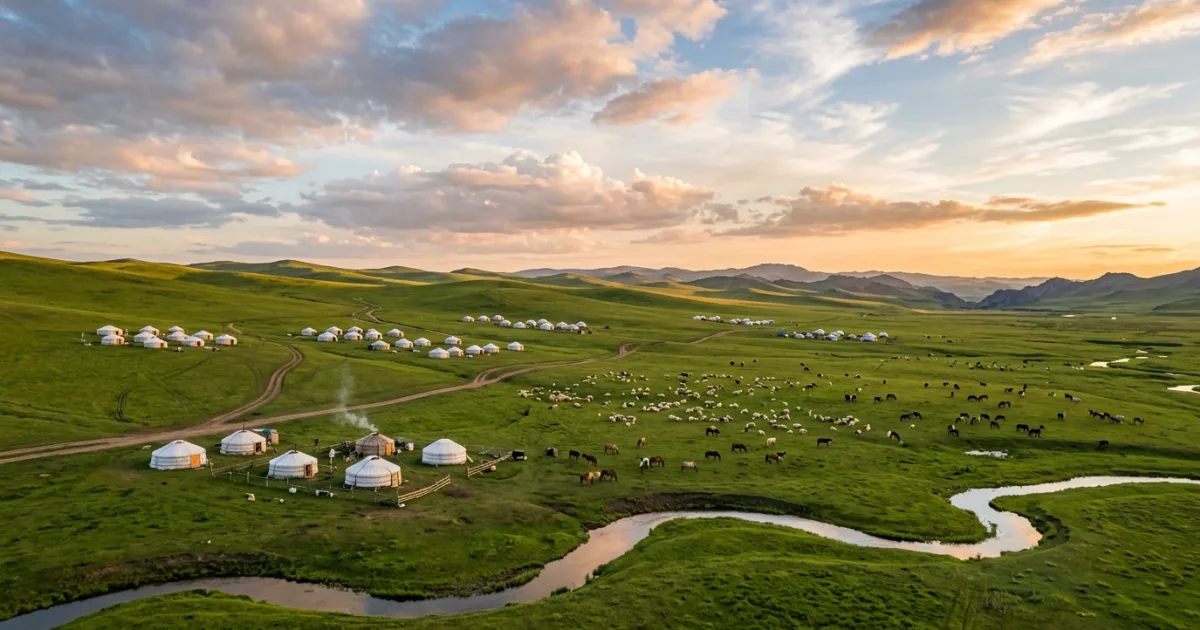
Panoramic view of rolling green grasslands with traditional yurts in Inner Mongolia

Inner Mongolia Overview & Key Highlights

Inner Mongolia Autonomous Region spans over 2,400 kilometers across northern China, bordering Mongolia and Russia. The province encompasses the boundless green expanses of the Hulunbuir and Xilingol grasslands, the shifting mega-dunes of the Badain Jaran and Kubuqi deserts, and the dense larch forests of the Greater Khingan Range. Hohhot serves as the provincial capital, anchoring centuries of Tibetan Buddhist architecture, Sino-Mongolian history, and culinary traditions. Travelers navigate sweeping national highways connecting nomadic pastoral communities with vibrant frontier trading towns. Cultural life centers on seasonal Naadam festivals featuring wrestling, archery, and traditional horsemanship. Whether sleeping in modernized yurt camps beneath pristine dark skies or exploring singing sand dunes along the Yellow River loop, Inner Mongolia provides an expansive wilderness escape distinctly removed from eastern China's mega-urban centers.

Inner Mongolia Travel Guide: Logistics & In-Depth Tips

Inner Mongolia extends along a massive crescent across northern China, serving as an ecological and cultural bridge between the Eurasian steppe and central Chinese river valleys. The autonomous region covers more than 1.18 million square kilometers, presenting immense physical diversity that spans the boreal forests of the Greater Khingan Mountains to the towering singing dunes of the Badain Jaran Desert. Major cities like Hohhot, Baotou, and Ordos contrast modern infrastructure with historic Lamaist temples, while endless grassland territories maintain centuries-old seasonal herd rotations.

For independent and adventure travelers, Inner Mongolia offers sweeping open-road itineraries that rival the world's premier road-trip destinations. Visitors can explore the Dazhao Temple in Hohhot, ride camels through the Kubuqi Desert, witness horse racing at summertime Naadam celebrations, and experience world-class dark-sky stargazing over remote sand basins. The region’s distinct fusion of traditional Mongolian nomadic culture, Islamic Hui quarters, and Han Chinese influences creates a unique travel destination unmatched elsewhere in East Asia.

Reasons to Visit

  • Witness the vast, unfragmented grasslands of Hulunbuir and Xilingol during peak summer bloom.
  • Explore the towering dunes and mineral lakes of the Badain Jaran Desert.
  • Experience authentic nomadic traditions, throat singing, and horse-head fiddle performances.
  • Sample exceptionally fresh grass-fed mutton hotpot and salty Mongolian milk tea.
  • Enjoy world-class astrotourism and stargazing free from artificial light pollution.

Things to Avoid

  • Avoid venturing off marked roads in desert regions without an experienced local guide and satellite communication.
  • Do not point your feet toward the hearth or altar when sitting inside a traditional yurt, as this is considered culturally offensive.
  • Avoid visiting the grasslands in early spring (April to May) when dry winds frequently trigger severe dust storms.
  • Do not step on the threshold of a yurt doorway; step over it cleanly to respect your host.

Local Transportation Tips

High-speed rail links Hohhot with Beijing in roughly two hours, making southern Inner Mongolia readily accessible. For expansive regional travel across Hulunbuir or western desert basins, regional flights into Hailar, Manzhouli, or Alxa Left Banner save days of overland driving. Within rural pastures and desert expanses, hiring an SUV with an experienced local driver remains the most practical and flexible method for long-distance exploration.

Travel Etiquette

  • When offered a bowl of milk tea or liquor by a host, accept it using both hands to show gratitude and respect.
  • Walk clockwise around ovoos (sacred stone cairns) and add a stone to the pile rather than removing any.
  • Ask permission before photographing local herders, working horse teams, or religious ceremonies inside monasteries.
  • Keep voices lowered and refrain from flash photography inside active Tibetan Buddhist prayer halls.

Recommended Age Group

Inner Mongolia welcomes varied travelers, though extensive highway driving and remote wilderness logistics make it best suited for older kids, teens, and active adults.

  • Babies (0-2 years): Not Recommended. Remote travel involves long hours between service stops, variable rural hygiene standards, and dry continental air.
  • Kids (3-12 years): Neutral. Children enjoy camel riding, sand sledding, and grassland horses, but multi-hour drives between regions can prove tedious.
  • Teens (13-19 years): Recommended. Teenagers thrive on active desert sandboarding, horseback trekking, open-air yurt camping, and landscape photography.
  • Adults (20-64 years): Recommended. An exceptional destination for self-drive enthusiasts, outdoor hikers, photographers, and cultural heritage seekers.
  • Seniors (65+ years): Neutral. Urban centers like Hohhot and paved scenic loops are very accessible, but rough off-road desert 4WD routes can be physically jarring.

Accessibility Level: Medium

  • Modern transit terminals, high-speed rail stations, and flagship museums in Hohhot and Baotou provide level access, elevators, and accessible restrooms.
  • Grassland tourist camps and desert dune reserves consist primarily of unpaved dirt, gravel paths, and shifting sands that present substantial barriers for wheelchair users.
  • Private chartered accessible vans can be arranged in major cities, though specialized vehicle adaptations remain scarce in outlying prefectures.

Did You Know?

The Badain Jaran Desert contains the tallest stationary sand dunes on Earth, with the Bilutu Sand Peak rising over 450 meters from base to summit, set beside more than 140 spring-fed desert lakes.

Cool Statistics

  • Inner Mongolia spans across five separate Chinese provincial border zones and two international frontiers.
  • The region encompasses over 80 million hectares of natural grassland, representing roughly one-quarter of China's pastureland.
  • Badain Jaran's Bilutu Peak reaches an elevation of approximately 1,611 meters above sea level, making it the highest sand dune in Asia.


Address:

Inner Mongolia, China

Find Nearby Accommodations

Basic Info

address icon

COUNTRY & Region

China,
Asia

ACCESSIBILITY LEVEL​

Medium
Currency icon

LOCAL CURRENCY​

Chinese Yuan (CNY)
Price level icon
Low
Safety Level icon

SAFETY LEVEL

Duration icon

Recommended Duration

• 1-7 days
• More than a week

Electricity

electricity icon

Electricity

220-240V, 
50Hz
Plug Socket icon

Plug Type

• Type A (Flat blade)
• Type C (Round pin)
• Type I (Two flat pins in V-shape, grounding pin)
Plug types
Click To View Plug Types
Inner Mongolia is part of our
Coolcation collection

Activities To Do In Inner Mongolia

Best Time To Visit Inner Mongolia

Inner Mongolia is best visited between late June and September when grasslands are lush and temperatures are comfortable.

  • June to August: Peak season with warm days, flourishing green steppes, and the annual Naadam festivals, though major scenic spots see higher domestic crowds.
  • September to October: Autumn brings vivid golden foliage across the Greater Khingan Range and cooler, dry conditions ideal for desert exploration.
  • November to March: Extreme sub-zero continental winter, offering severe ice festivals, thermal hot springs, and snow-covered steppes for cold-weather enthusiasts.

Average Temperatures Per Month

Remember to check the weather forecast a few days before the trip and before heading to the airport.

Safety Level icon

Safety Level

Violent crime is practically nonexistent across the region. The primary hazards involve sudden climate shifts, sun exposure, and getting stranded along isolated rural roads without cellular service. Always carry surplus drinking water during overland road journeys. When interacting with livestock herds or semi-wild horses, maintain a respectful distance to avoid kick injuries. Ensure your vehicle has a full tank before entering desert border highways.

The rating is based on multi-year peace, crime, and security indices. Before you go, always verify current conditions through official government travel advisories.

Emergency Numbers

Police: 110
Ambulance: 120

No internet needed • Includes local translations • Free for TravelingWiz readers

Spoken Languages

Mandarin Chinese (official), Mongolian

Learn The Language

  • Sain bainuu (Сайн байна уу) – Hello
  • Bayarlalaa (Баярлалаа) – Thank you
  • Nǐ hǎo (你好) – Hello (Mandarin)
  • Xièxie (谢谢) – Thank you (Mandarin)
  • Duōshǎo qián? (多少钱?) – How much is this?
  • Zài nǎlǐ? (在哪里?) – Where is it?
  • Jiù mìng! (救命!) – Help!
  • Zàijiàn (再见) – Goodbye
Travel Booking Partner - TravelingWiz

Trip Cost & Budgeting for Inner Mongolia, 2026

Everything you need to know about money while traveling
Is Inner Mongolia expensive for tourists in 2026? Overall, it is very affordable compared to major Chinese coastal cities. Based on Human Verified prices, a cappuccino costs around 24 CNY, a pint of domestic beer is roughly 8 CNY, and a solid main meal at a mid-range restaurant averages 80 CNY. Daily travel expenses remain budget-friendly across the regional hubs. Use the data table below to calculate your specific daily budget based on your travel style.
Currency icon

LOCAL CURRENCY​:

Chinese Yuan (CNY)
Price level icon
Low
Mobile payments like Alipay and WeChat Pay dominate, while foreign credit cards are rarely accepted directly.

Per person, per day – pocket cash for small purchases.

Local: 50
Chinese Yuan (CNY)
≈ 40 USD

Full daily spend estimation (accommodation, food, transportation, attractions).

Travel Style
Chinese Yuan (CNY)
≈ USD ($)
Budget
260
45
Mid-range
480
110
Comfort
1060
250

The Prices, Daily costs, and calculator results are estimates for planning purposes only. Actual costs may vary based on season, booking timing, personal spending habits, and currency fluctuations. TravelingWiz cannot be held responsible for discrepancies between these estimates and your final trip expenses.

  • • Link your international credit card to Alipay or WeChat Pay before arriving to pay seamlessly everywhere.
  • • Take high-speed trains between major hubs like Beijing and Hohhot to save time and transport costs.
  • • Dine at local shaomai and noodle shops in Hohhot for authentic, high-portion meals under 40 CNY.
  • • Book local group tours or carpools in Hohhot for grassland and desert trips instead of costly private packages.

Pre-Order Tickets

Avoid disappointment when tickets sell out — and skip the long lines by booking online in advance. You’ll often save up to 20% too.
Save up to 20%

Travel Discounts & Coupons

Save on hotels, attractions, transport, and gear — find verified discounts for smarter travel spending.
Verified Coupons

What To Pack

  • Windproof jacket and thermal fleece layers for abrupt temperature drops between day and night
  • High-SPF sunscreen, wide-brim hat, and UV-blocking sunglasses to combat intense steppe radiation
  • Sturdy closed-toe hiking boots suitable for sand dunes and damp grassland terrain
  • High-filtration dust mask or buff scarf for sudden desert winds and dust storms
  • Compact power bank to sustain mobile devices during lengthy overland drives
  • Moisturizing skin balm and eye drops for exceptionally low regional humidity levels
We couldn't find tips for Inner Mongolia.
If you got any, please share

Recommended Itineraries for Traveling to Inner Mongolia

We couldn't find itineraries for Inner Mongolia.
you can contact us for custom trip plan

Food & Drink Highlights

Local Food Overview

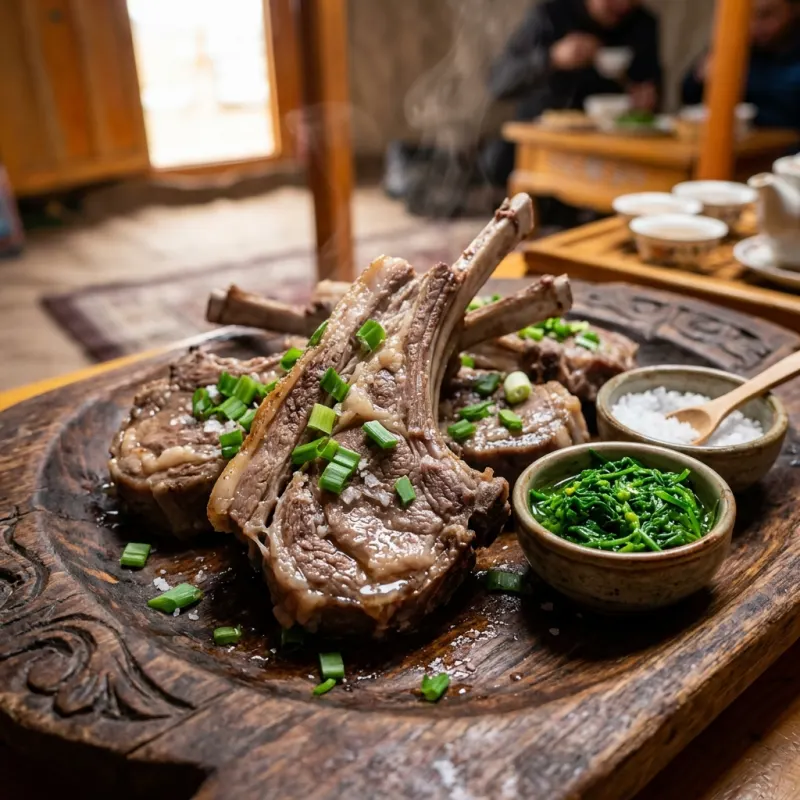
Inner Mongolian cuisine is heavily anchored in pastoral nomadic traditions, emphasizing grass-fed mutton, beef, dairy delicacies, and hearty wheat staples. Whole roasted lamb, boiled bone-in mutton ribs (Shouba Rou), and mutton hotpots dominate evening meals, paired with wild leek flower sauce and fermented chili paste. Daily beverages include salty Mongolian milk tea (Suutei Tsai) enriched with toasted millet and clotted cream. Solid dried curds (Aaruul) and fried pastries offer portable sustenance across long journeys.
Inner Mongolian hand-held mutton served on a wooden platter with traditional sauces

Must Try Dish

Hand-Held Mutton (Shouba Rou) - Freshly boiled mutton ribs seasoned simply with salt and served with wild leek flower sauce. The tender meat highlights the natural grazing diet of steppe sheep and showcases traditional nomadic culinary heritage.
Food Experiences Title Icon

Food
Experiences

Discover cooking classes, tastings and local food tours

No food experience found
Maya, the human travel expert at TravelingWiz, offering curated, non-AI expertise

Maya’s Final Checklist for Inner Mongolia

Logistics shouldn’t be the focus of your trip—the experience should. I’ve hand-vetted these essential partners to ensure your arrival, stay, and exploration are as smooth as an Athenian breeze.

Where to Stay

From boutique hotels to local apartments—compare thousands of options and find the perfect stay in the best neighborhood.

Air Travel

Getting there should be seamless. Compare the best routes and prices across top airlines to start your journey on the right note.

Local Guides

Connect with experts who know the destination best. Get personalized advice and insider tips to help you plan your perfect trip.

Travel Protection

The “Engineer’s” rule: always have a backup. Secure your trip with a plan that covers every “what if” and unexpected change.

Car Rentals

Explore at your own pace with total freedom. Compare reliable rental options and find the right vehicle for your adventure.

Visa Services

Don’t let paperwork slow you down. Get expert assistance with your application to ensure all your entry documents are in order.

FAQs

Standard foreign tourists holding a valid Chinese visa do not require special permits for main tourist destinations like Hohhot, Hulunbuir, or the Badain Jaran Desert. However, specific military border zones adjacent to Russia or the Republic of Mongolia require permits or remain closed to non-Chinese nationals.
Foreign visitors cannot drive in China on an International Driving Permit alone; you must obtain a temporary Chinese driver’s license at a major municipal traffic police hub. Many travelers instead hire a car with a licensed local driver for long-distance routes.
Modern tourist yurts in established steppe camps generally feature standard beds, electrical outlets, heating units, and private en-suite flush toilets with hot showers. Traditional nomadic felt yurts in remote pastureland are more basic, featuring communal sleeping platforms and outdoor latrines.

Your Insights Matter

TravelingWiz grows through the stories of our community. If you’ve recently explored ,Inner Mongolia share your tips and stories to help us perfect our guides for the next traveler.

Related Articles

Check out our related articles and blog posts to learn even more about the destination.

No related articles found

Don’t Travel Alone

Share with your friends and family

Where should we send your offline card?

We hate spam just as much as you do

newsletter_consent *