Disclosure: This site contains affiliate links. We may earn a commission if you make a purchase, at no extra cost to you.

>
>
>
>
Northern Sichuan

Northern Sichuan

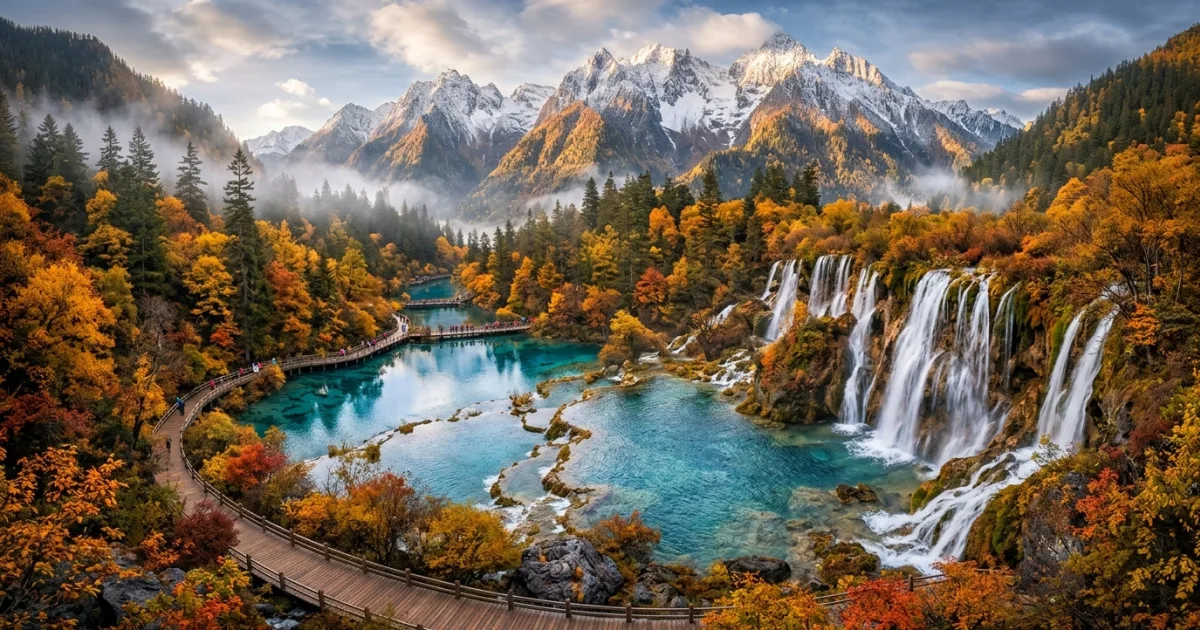
Panoramic view of turquoise alpine lakes and cascading waterfalls surrounded by autumn trees in Northern Sichuan

Northern Sichuan Overview & Key Highlights

Northern Sichuan occupies the rugged transition zone where the Sichuan Basin ascends sharply into the eastern edge of the Tibetan Plateau. Dominated by the Ngawa Tibetan and Qiang Autonomous Prefecture, this alpine corridor features dramatic limestone massifs, turquoise travertine lakes, vast high-altitude grasslands, and centuries-old Tibetan Buddhist monasteries. World-renowned reserves such as Jiuzhaigou National Park and Huanglong showcase pristine karst hydrology, while regional hubs like Songpan and Ruoergai preserve deep frontiers of tea-horse trade routes and pastoral nomadic life. Travelers navigate sweeping mountain passes elevated between 2,000 and 4,000 meters above sea level, demanding deliberate pacing and acclimatization. The infrastructure has modernized rapidly with the high-speed rail corridor connecting Chengdu to Songpan and Jiuzhaigou, transforming multi-day overland slogs into accessible alpine journeys. Whether observing golden snub-nosed monkeys in ancient birch forests, exploring fortified Qiang stone watchtowers, or circumnavigating Tibetan stupas beneath snowcapped peaks, Northern Sichuan delivers an intense convergence of geographic spectacle and living ethnic traditions.

Northern Sichuan Travel Guide: Logistics & In-Depth Tips

Northern Sichuan represents one of Asia's most visually dramatic geographic intersections. The region is cradled by the Min Mountains and the Qionglai Range, carving deep limestone canyons that give way to rolling steppe grasslands near the Yellow River bend. Governed primarily under the Ngawa Tibetan and Qiang Autonomous Prefecture, the landscape reflects centuries of cultural confluence between Han Chinese, Qiang stone-builders, and Amdo Tibetan nomads. Preserved ancient post towns like Songpan retain their Ming Dynasty ramparts, reminding visitors that this rugged topography historically anchored crucial trade paths linking interior China with Lhasa.

Ecologically, Northern Sichuan is an environmental powerhouse. The UNESCO-listed national parks of Jiuzhaigou and Huanglong protect unique travertine terraces, mineral-saturated waterfalls, and endangered alpine wildlife including the giant panda and golden snub-nosed monkey. Infrastructure upgrades have drastically altered accessibility: modern tunnels and high-speed rail lines cut through previously impenetrable granite ranges. The resulting travel experience blends pristine, remote wilderness with high-efficiency connectivity, providing unmatched access to pristine glacial valleys and living Tibetan monastic complexes.

Reasons to Visit

  • World-Class Karst Waterfalls & Lakes: Jiuzhaigou's multi-tiered travertine falls and crystal-clear turquoise lakes showcase rare geological beauty found in few places on Earth.
  • Living Tibetan & Qiang Heritage: Explore Tibetan monasteries like Langmusi and fortified stone watchtowers in Taoping without needing a special Tibet Autonomous Region permit.
  • Seamless High-Speed Transit: Modern bullet trains slash journey times from Chengdu into the heart of the Min Mountains to under two hours.
  • Sweeping Ruoergai Grasslands: Experience the First Bend of the Yellow River at sunset surrounded by grazing yak herds and nomad encampments.
  • Unmatched Autumn Foliage: The Min Mountains explode into a tapestry of gold, scarlet, and cyan between late September and late October.

Things to Avoid

  • Do Not Rush Huanglong Without Acclimatizing: Ascending rapidly to Huanglong's Five-Color Pond (3,558m) straight from Chengdu often triggers acute altitude sickness; take the cable car up, walk down slowly, and stay hydrated.
  • Avoid Golden Week Holidays: The first week of October sees massive domestic crowds inside Jiuzhaigou; book weeks ahead or travel in late October instead.
  • Do Not Hire Unlicensed Cabs at Stations: Always use official station taxi ranks or pre-booked licensed tourist shuttles to avoid price gouging.
  • Avoid Walking Anti-Clockwise Around Tibetan Stupas: Cultural etiquette dictates circumambulating Buddhist chortens and temples in a clockwise direction.

Local Transportation Tips

Public transportation in Northern Sichuan has modernized with the Sichuan-Qinghai high-speed railway line. Stations such as Zhenjiangguan and Huanglongjiuzhai serve as modern transit gateways. From these stations, government-regulated tourist shuttles (Jiulv Transportation) run scheduled routes to Jiuzhaigou scenic area (approx. 1.5–2 hours) and Songpan. Inside national parks, mandatory clean-energy shuttle buses circulate continuously along designated stops. For exploring dispersed sights like the Ruoergai Grasslands and Zhagana, hiring a private vehicle with an experienced mountain driver remains the most efficient option.

Travel Etiquette

  • Monastery Respect: Always remove hats and sunglasses before entering prayer halls, avoid stepping directly on door sills, and ask explicit permission before photographing resident monks or altar interiors.
  • Mani Stones and Prayer Wheels: Always walk to the left of mani stone piles and spin prayer wheels in a clockwise manner using your right hand.
  • Pointing Conventions: Point toward sacred objects, statues, or people using an open hand facing upward rather than an index finger.
  • Environmental Care: Travertine pools are fragile limestone ecosystems; never touch the water, step beyond boardwalk barriers, or litter.

Recommended Age Group

Northern Sichuan offers majestic mountain vistas, but high elevations and substantial walking require realistic physical assessment.

  • Babies (0-2 years): Not Recommended. Extreme elevation shifts and thin air can cause distress and health complications that infants cannot articulate, paired with limited pediatric facilities.
  • Kids (3-12 years): Neutral. Children with good stamina enjoy the pristine nature and timber boardwalks, but long driving stretches and cold snaps require careful management.
  • Teens (13-19 years): Recommended. Ideal for active hiking, photography, horseback riding in Songpan, and immersing in regional minority cultures.
  • Adults (20-64 years): Recommended. Perfect demographic to conquer high-altitude boardwalk trails, enjoy road excursions, and explore alpine monastic valleys.
  • Seniors (65+ years): Neutral. Seniors with cardiovascular stability can enjoy the sites via park cable cars and flat boardwalks, but high altitudes demand medical clearance.

Accessibility Level: Medium

  • Boardwalk Infrastructure: Jiuzhaigou features hundreds of kilometers of timber boardwalks, with primary lake viewpoints offering step-free ramps suitable for assisted wheelchairs.
  • Eco-Bus Boarding: National park shuttle buses have low-step access, though priority seating can fill quickly during peak operational hours.
  • Cable Car Facilities: Huanglong provides a modern enclosed gondola that handles manual wheelchairs, bypassing strenuous lower-trail stair climbs.
  • Rural Infrastructure Limitations: Historic towns like Songpan and rural grassland settlements feature uneven flagstones, elevated thresholds, and limited accessible restrooms.

Did You Know?

The brilliant multi-colored waters of Jiuzhaigou and Huanglong are caused by high concentrations of calcium carbonate dissolved in subterranean spring water. When the mineral precipitates onto fallen trees, moss, and stones, it forms natural terraced travertine dams that selectively reflect and scatter sunlight, generating surreal shades of turquoise, emerald, and cobalt.

Cool Statistics

  • 3,558 Meters: The average altitude of Huanglong's Five-Color Pond, home to nearly 700 individual travertine pools.
  • Over 140 Bird Species: Documented within the ancient mixed forests of Jiuzhaigou National Park.
  • 1.5 Hours: High-speed train duration from Chengdu East to Huanglongjiuzhai Station via the newly constructed railway.


Address:

Northern Sichuan, China

Find Nearby Accommodations

Basic Info

address icon

COUNTRY & Region

China,
Asia

ACCESSIBILITY LEVEL​

Medium
Currency icon

LOCAL CURRENCY​

Chinese Yuan (CNY)
Price level icon
Medium
Safety Level icon

SAFETY LEVEL

Duration icon

Recommended Duration

• 1-7 days
• More than a week

Electricity

electricity icon

Electricity

220-240V, 
50Hz
Plug Socket icon

Plug Type

• Type A (Flat blade)
• Type C (Round pin)
• Type I (Two flat pins in V-shape, grounding pin)
Plug types
Click To View Plug Types
Northern Sichuan is part of our
Coolcation collection

Activities To Do In Northern Sichuan

Best Time To Visit Northern Sichuan

Northern Sichuan experiences a high-altitude continental monsoon climate with distinct seasonal highlights:

  • Autumn (September to November): The peak season, especially October, when birch and maple foliage turns brilliant crimson and gold against turquoise alpine lakes.
  • Summer (June to August): Lush and cool escape from sweltering lowlands, ideal for witnessing wildflowers across the Ruoergai Grasslands, though rain and landslides require monitoring.
  • Spring (April to May): Thawing lakes and blooming alpine rhododendrons, offering fewer crowds despite occasional snow flurries.
  • Winter (December to March): Freezing conditions with snow-covered frozen waterfalls and clear skies, presenting budget rates and quiet pilgrimage sites.

Average Temperatures Per Month

Remember to check the weather forecast a few days before the trip and before heading to the airport.

Safety Level icon

Safety Level

Northern Sichuan is exceptionally safe from violent crime, but environmental and natural hazards require vigilance. Acute Mountain Sickness (AMS) is the primary concern at altitudes surpassing 3,000 meters in Huanglong and Ruoergai; stay hydrated and ascend gradually. Heavy summer rainfalls trigger mudslides along National Highway 213; check local highway transport bureau alerts before road travel. Carry your passport at all times, as security checkpoints operate between prefectural administrative zones.

The rating is based on multi-year peace, crime, and security indices. Before you go, always verify current conditions through official government travel advisories.

Emergency Numbers

Police: 110
Ambulance: 120

No internet needed • Includes local translations • Free for TravelingWiz readers

Spoken Languages

Mandarin Chinese, Southwestern Mandarin (Sichuanese), Amdo Tibetan, Qiang

Learn The Language

  • Hello: Nǐ hǎo (Mandarin) / Tashi delek (Tibetan)
  • Thank you: Xièxiè (Mandarin) / Thuk-je-che (Tibetan)
  • How much does this cost?: Zhège duōshǎo qián?
  • Bathroom: Cèsuǒ zài nǎlǐ?
  • I need a doctor: Wǒ xūyào kàn yīshēng.
  • Help!: Jiùmìng!
  • No spicy, please: Bù yào là.
  • Where is the bus station?: Qìchēzhàn zài nǎlǐ?
Travel Booking Partner - TravelingWiz

Trip Cost & Budgeting for Northern Sichuan, 2026

Everything you need to know about money while traveling
Is Northern Sichuan expensive for tourists in 2026? Northern Sichuan offers reasonable travel expenses for scenic mountain exploration. Expect to pay around 22 CNY for a coffee, 15 CNY for a pint of beer, and 65 CNY for a main meal in a local mid-range restaurant. With these Human Verified prices, visiting regional national parks stays budget-friendly. Use the data table below to calculate your specific daily budget based on your travel style.
Currency icon

LOCAL CURRENCY​:

Chinese Yuan (CNY)
Price level icon
Medium
Mobile apps like Alipay and WeChat Pay dominate, but physical cash is required in remote mountain regions.

Per person, per day – pocket cash for small purchases.

Local: 50
Chinese Yuan (CNY)
≈ 55 USD

Full daily spend estimation (accommodation, food, transportation, attractions).

Travel Style
Chinese Yuan (CNY)
≈ USD ($)
Budget
280
42
Mid-range
500
85
Comfort
1100
195

The Prices, Daily costs, and calculator results are estimates for planning purposes only. Actual costs may vary based on season, booking timing, personal spending habits, and currency fluctuations. TravelingWiz cannot be held responsible for discrepancies between these estimates and your final trip expenses.

  • • Take the high-speed train from Chengdu to Songpan instead of booking expensive private cars.
  • • Visit Jiuzhaigou in shoulder season to enjoy lower entrance fees and hotel rates.
  • • Dine in local family-run eateries in Songpan rather than high-markup tourist restaurants near park gates.
  • • Pack your own water and lunch inside national parks where scenic area vendors charge steep premiums.

Pre-Order Tickets

Avoid disappointment when tickets sell out — and skip the long lines by booking online in advance. You’ll often save up to 20% too.
Save up to 20%

Travel Discounts & Coupons

Save on hotels, attractions, transport, and gear — find verified discounts for smarter travel spending.
Verified Coupons

What To Pack

  • Layered Thermal Clothing: Temperature swings in high-altitude valleys can exceed 20°C in a single day, requiring thermal base layers, a fleece, and a windproof down jacket.
  • Sturdy Waterproof Hiking Boots: Essential for wet boardwalks around travertine waterfalls and uneven alpine trail systems.
  • Broad-Spectrum Sun Protection: High UV index at elevations above 3,000 meters necessitates SPF 50+ sunscreen, polarized sunglasses, and a wide-brim hat.
  • Altitude Acclimatization Supplies: Acetazolamide or Rhodiola rosea supplements, alongside electrolyte packs and portable oxygen canisters purchased locally.
  • Power Bank: Cold mountain temperatures drain smartphone batteries rapidly; carry a 10,000–20,000 mAh external charger for digital transit and payments.
We couldn't find tips for Northern Sichuan.
If you got any, please share

Recommended Itineraries for Traveling to Northern Sichuan

We couldn't find itineraries for Northern Sichuan.
you can contact us for custom trip plan

Food & Drink Highlights

Local Food Overview

The culinary identity of Northern Sichuan is a distinct hybrid of fiery Sichuan basin aromatics, hearty Qiang highland produce, and rich Amdo Tibetan dairy. High elevation favors cold-hardy staples such as highland barley, potatoes, and yak meat, which is commonly sun-dried, braised into aromatic broths, or flash-fried with wild leeks. Fermented dairy plays a central role; rich yak milk yogurt drizzled with local honey and steaming yak butter tea provide vital warmth against the alpine climate. Spicy Sichuan peppercorns and preserved mountain chili pastes frequently flavor warming hot pots served in carved brass vessels.
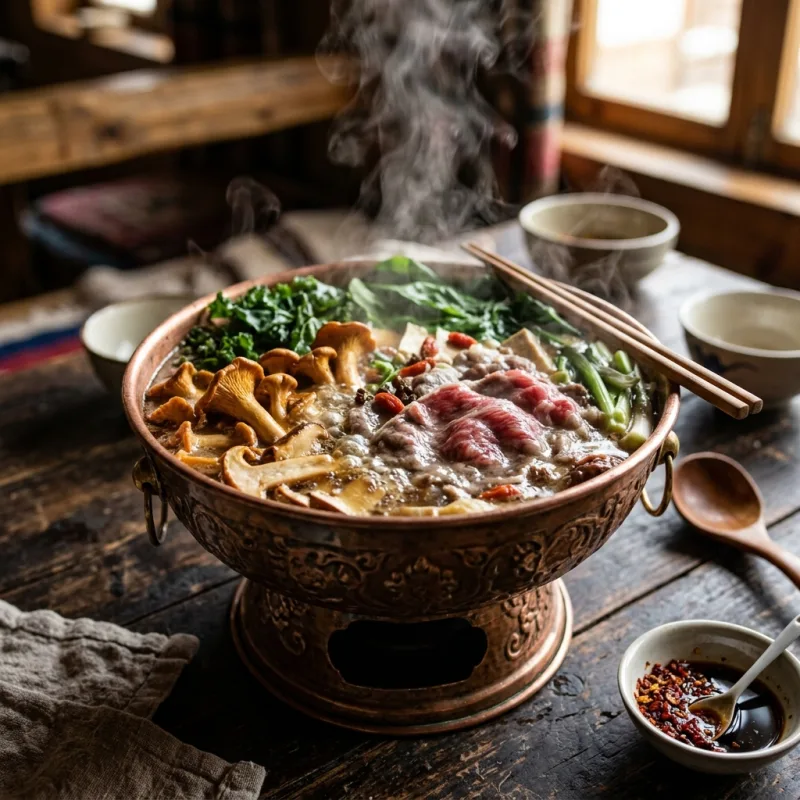
Steaming Tibetan copper hot pot filled with simmered yak meat and wild mushrooms

Must Try Dish

Highland Yak Meat Hot Pot - Tender cuts of grass-fed Tibetan yak simmered in a copper pot of spiced marrow broth alongside wild mountain mushrooms, tofu, and root vegetables. It provides essential warmth and deep, savory energy after days spent trekking high-altitude passes.
Food Experiences Title Icon

Food
Experiences

Discover cooking classes, tastings and local food tours

No food experience found
Maya, the human travel expert at TravelingWiz, offering curated, non-AI expertise

Maya’s Final Checklist for Northern Sichuan

Logistics shouldn’t be the focus of your trip—the experience should. I’ve hand-vetted these essential partners to ensure your arrival, stay, and exploration are as smooth as an Athenian breeze.

Where to Stay

From boutique hotels to local apartments—compare thousands of options and find the perfect stay in the best neighborhood.

Air Travel

Getting there should be seamless. Compare the best routes and prices across top airlines to start your journey on the right note.

Local Guides

Connect with experts who know the destination best. Get personalized advice and insider tips to help you plan your perfect trip.

Travel Protection

The “Engineer’s” rule: always have a backup. Secure your trip with a plan that covers every “what if” and unexpected change.

Car Rentals

Explore at your own pace with total freedom. Compare reliable rental options and find the right vehicle for your adventure.

Visa Services

Don’t let paperwork slow you down. Get expert assistance with your application to ensure all your entry documents are in order.

FAQs

The fastest method is taking the high-speed Sichuan-Qinghai Railway from Chengdu East to Huanglongjiuzhai Station, taking under two hours. From the station, official public buses and licensed shuttles connect directly to Jiuzhaigou National Park and Songpan Old Town.
Altitudes range from 2,000 meters in lower valleys to over 3,550 meters at Huanglong’s summit and the Ruoergai Grasslands. Mild headaches and shortness of breath are common; take it easy on your first day, avoid alcohol, and carry small oxygen cannisters if ascending Huanglong via cable car.
Foreign passport holders generally do not need an additional Tibet Entry Permit for the Ngawa (Aba) Prefecture, including Jiuzhaigou, Songpan, and Huanglong. However, some sensitive monastic zones may temporarily close to foreign visitors, so always verify current county-level regulations before departure.

Your Insights Matter

TravelingWiz grows through the stories of our community. If you’ve recently explored ,Northern Sichuan share your tips and stories to help us perfect our guides for the next traveler.

Related Articles

Check out our related articles and blog posts to learn even more about the destination.

No related articles found

Don’t Travel Alone

Share with your friends and family

Where should we send your offline card?

We hate spam just as much as you do

newsletter_consent *