Sichuan's geography is a study in contrasts. The eastern part of the province is dominated by the Sichuan Basin, a humid, fertile depression that has historically been the agricultural heartland of the region, earning it the nickname 'The Land of Abundance.' Here, the pace of life is famously relaxed, best exemplified by the capital city, Chengdu, where locals spend hours sipping jasmine tea in bamboo chairs, playing mahjong, and enjoying the vibrant street life. The basin is also home to ancient wonders like the Sanxingdui ruins, which offer a glimpse into a mysterious Bronze Age civilization.
As you move west, the terrain rises dramatically into the Hengduan Mountains and the eastern edge of the Tibetan Plateau. This rugged, high-altitude region is characterized by deep gorges, snow-capped peaks, and vast grasslands. It is a haven for outdoor enthusiasts and those seeking cultural immersion, as it is heavily populated by Tibetan and Qiang ethnic minorities. Destinations like Daocheng Yading, often referred to as 'The Last Shangri-La,' and the sprawling monastic complexes of Garze Prefecture offer breathtaking scenery and profound spiritual experiences, making Sichuan a province that truly offers multiple worlds within its borders.
Reasons to Visit
- Giant Pandas: Sichuan is the native home of the giant panda, offering unparalleled opportunities to see these beloved creatures in world-class conservation centers.
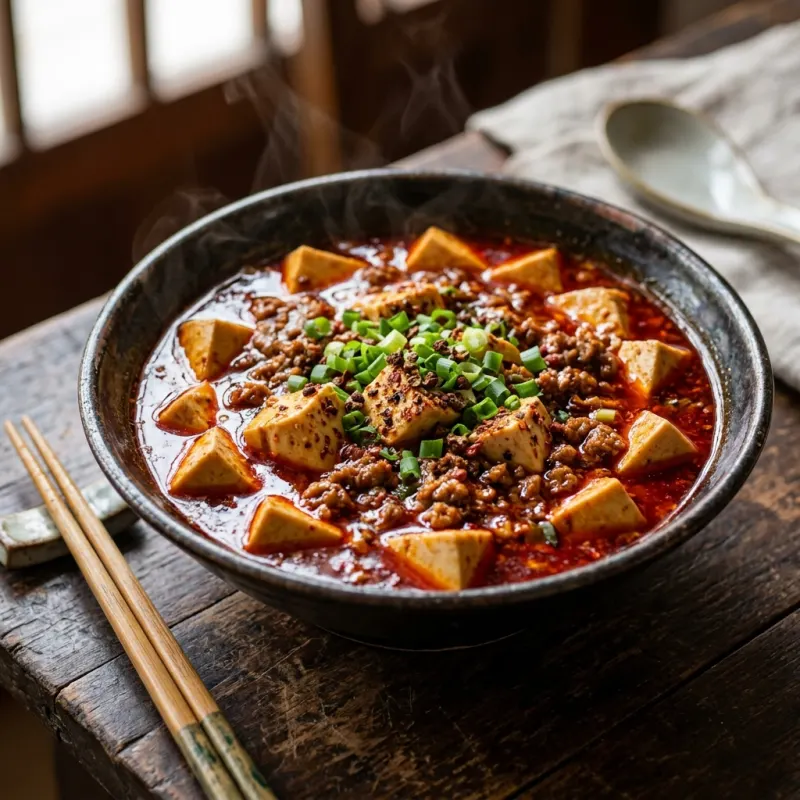
- Culinary Heritage: Recognized by UNESCO, Chengdu's food scene is legendary. The province is a pilgrimage site for food lovers craving authentic málà flavors.
- UNESCO World Heritage Sites: From the otherworldly waters of Jiuzhaigou and Huanglong to the towering Leshan Giant Buddha and the sacred Mount Emei.
- Tibetan Culture: Western Sichuan offers a deeply authentic Tibetan cultural experience without the strict permit requirements needed to enter the Tibet Autonomous Region.
- Spectacular Landscapes: The province boasts incredibly diverse scenery, including bamboo forests, alpine lakes, glaciers, and deep river canyons.
Things to Avoid
- Golden Week Travel: Avoid traveling during the first week of October (National Day) and the Spring Festival, as domestic tourism peaks, causing massive crowds and inflated prices.
- Unlicensed Taxis: Always use official metered taxis or ride-hailing apps like DiDi to avoid being overcharged.
- Underestimating the Spice: Sichuan peppercorns and chilies are potent. If you have a sensitive stomach, ease into the local cuisine.
- Ignoring Altitude: Do not rush your ascent into western Sichuan (e.g., Kangding, Litang, Daocheng). Altitude sickness is a real and dangerous possibility.
- Drinking Tap Water: Tap water is not safe to drink in China. Always drink bottled or boiled water.
Local Transportation Tips
Sichuan boasts an excellent and rapidly expanding transportation infrastructure. High-speed trains connect Chengdu with major tourist hubs like Leshan, Emeishan, and even Jiuzhaigou (via the newly opened railway lines), making travel fast and comfortable. Within Chengdu, the metro system is extensive, clean, and easy to navigate with English signage. For reaching remote areas in western Sichuan, long-distance buses or hiring a private driver are the most common methods. Ride-hailing via the DiDi app (available in English) is the most convenient way to get around cities, while shared bicycles are perfect for short urban trips.
Travel Etiquette
- Dining: Do not leave your chopsticks sticking vertically into a bowl of rice, as this resembles incense offered to the dead.
- Temples: Dress modestly when visiting Buddhist or Taoist temples. Remove hats and sunglasses, and do not take photos inside the main halls unless permitted.
- Greetings: A simple nod or slight bow is polite. Handshakes are common in business settings. Always use both hands when giving or receiving a business card or a gift.
- Public Behavior: While locals can be loud in restaurants, public displays of anger or losing your temper ('losing face') are highly frowned upon.
- Tipping: Tipping is not a part of Chinese culture and is generally not expected in restaurants, taxis, or hotels, though it is becoming slightly more common for private tour guides.
Recommended Age Group
Sichuan offers diverse experiences that cater to various age groups, though the ruggedness of certain regions requires consideration.
- Babies (0-2 years): Neutral. While Chengdu is stroller-friendly and pandas are a hit, the spicy food, long travel times to scenic areas, and high altitudes in the west are not suitable for infants.
- Kids (3-12 years): Recommended. Children will love the panda bases, interactive museums in Chengdu, and the magical scenery of Jiuzhaigou. Food can be ordered non-spicy.
- Teens (13-19 years): Recommended. Teens will appreciate the vibrant street culture, hiking opportunities on Mount Emei, and the adventurous food scene.
- Adults (20-64 years): Recommended. Perfect for adults seeking a mix of culinary exploration, deep cultural history, and outdoor adventures in the mountains.
- Seniors (65+ years): Recommended. Seniors can enjoy the relaxed pace of Chengdu, accessible high-speed rail to major sites, and flat walking paths in many parks, though high-altitude areas should be approached with caution.
Accessibility Level: Medium
- Major cities like Chengdu have made significant strides in accessibility, with elevators in metro stations, tactile paving on sidewalks, and ramps at major tourist sites like the Panda Base.
- High-speed train stations are generally very accessible, offering elevators and wide gates for wheelchair users.
- Historical sites, ancient towns, and temples often feature uneven cobblestones, high wooden thresholds, and numerous stairs, making them challenging for mobility-impaired travelers.
- Mountainous attractions like Mount Emei and Jiuzhaigou have cable cars and eco-buses, but exploring the finer details of these parks often requires navigating boardwalks and steps.
- Accessible public restrooms are becoming more common in major cities and top-tier tourist attractions, but are rare in rural areas.
Did You Know?
Sichuan is home to the Dujiangyan Irrigation System, an engineering marvel constructed around 256 BC. Incredibly, it is still in use today, controlling the waters of the Min River and irrigating the fertile Sichuan Basin without the use of a dam. Additionally, the province is the birthplace of the intricate art of Sichuan Opera face-changing (Bian Lian), where performers change brightly colored masks in the blink of an eye, a secret technique passed down through generations.
Cool Statistics
- Sichuan covers an area of 485,000 square kilometers, making it roughly the size of Spain.
- The province has a population of over 83 million people.
- Over 30% of the world's highly endangered giant pandas live in the wild in Sichuan.
- The Leshan Giant Buddha, carved out of a cliff face in the 8th century, is the largest stone Buddha in the world at 71 meters (233 feet) tall.
- Gongga Mountain (Minya Konka) is the highest peak in Sichuan, towering at 7,556 meters (24,790 feet) above sea level.






Buy a compatible power adapter for your trip