

Low – budget‑friendly basics
Medium – moderate mid‑range costs
High – pricey lodging, dining & transport
Disclosure: This site contains affiliate links. We may earn a commission if you make a purchase, at no extra cost to you.
Low – budget‑friendly basics
Medium – moderate mid‑range costs
High – pricey lodging, dining & transport
5 shields = Excellent – very low crime or conflict.
4 shields = Safe – low risk, routine care.
3 shields = Relatively safe – use normal street smarts.
2 shields = Use caution – higher crime or periodic unrest.
1 shields = Avoid – active conflict or extreme danger.
Scores are derived from multi-year peace, homicide and security indices blended into a single 1-to-5 scale.
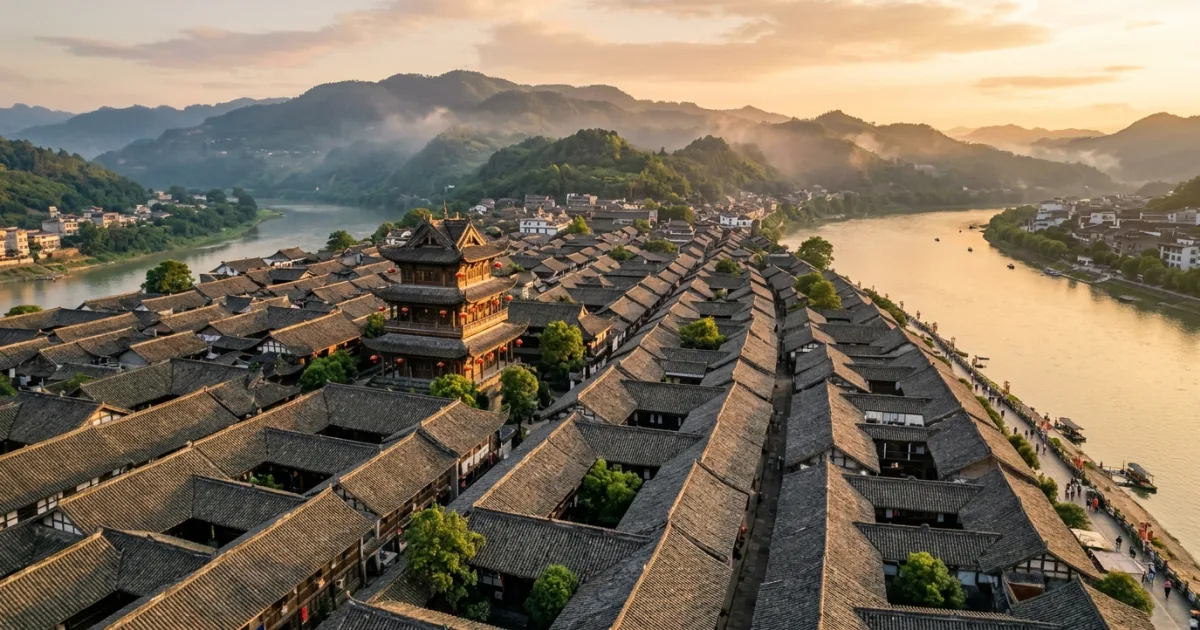
Langzhong Ancient City is located along the Jialing River in northeastern Sichuan, renowned as one of China's four best-preserved ancient walled settlements. With a recorded urban history exceeding 2,300 years, the town serves as a living museum of classic feng shui urban planning, oriented neatly around surrounding mountains and looping waterways. Preserved Ming and Qing dynasty courtyard homes flank stone-paved alleys, while landmarks like the Zhang Fei Temple and the Sichuan Imperial Examination House chronicle profound Three Kingdoms lore and imperial scholarship. Visitors navigate narrow, pedestrianized cobblestone corridors lined with historic vinegar distilleries, teahouses, and traditional wood-carved facades. The settlement offers an authentic immersion into Bashu regional culture without the overwhelming commercial veneer found in larger tourist enclaves. From sampling distinctively aged Baoning vinegar and savory spiced beef to enjoying panoramic vistas across the river from the Zhongtian Tower, Langzhong presents a remarkably cohesive encounter with ancient Chinese urban traditions.
Langzhong Ancient City sits enclosed within an S-shaped bend of the winding Jialing River, framed symmetrically by Mount Jinping to the south and Mount Panlong to the north. Established over 2,300 years ago during the Warring States period, Langzhong served as an essential military garrison, administrative seat, and commercial river port linking northern China with the fertile Sichuan basin. It holds profound architectural significance as an intact living testament to classical Chinese feng shui theory, wherein every street axis, defensive gate, and municipal tower was constructed in strict harmony with regional topography, wind vectors, and water flow.
Today, Langzhong stands out alongside Pingyao, Lijiang, and Shexian as one of China's four finest preserved ancient walled settlements. Beyond its historic architecture, the city is a cornerstone of Three Kingdoms history; Shu Han general Zhang Fei governed the territory for seven years and was entombed here. The town also preserves the Sichuan Imperial Examination House (Gongyuan), offering rare physical insight into the grueling civil service tests of the Qing dynasty. Whether observing artisan vinegar fermenters working vast earthenware urns or climbing wooden pagodas for river panoramas, Langzhong provides an exceptionally authentic window into historic Chinese civilization.
Langzhong is very pedestrian-friendly, with the historic core functioning as an extensive car-free pedestrian zone. High-speed trains terminate at Langzhong Railway Station, located approximately 5 kilometers southwest of the ancient city, from which metered taxis and public buses (such as Bus 5) transport travelers directly to the city gates in 15 to 20 minutes. Inside the ancient town walls, eco-friendly electric sightseeing shuttles operate along set perimeter routes. For excursions across the river to Mount Jinping or Mount Baita, public passenger ferries and river taxi boats operate frequently from the historic docks.
Langzhong Ancient City is suitable for travelers across multiple generations, offering gentle, flat street layouts and rich educational exhibits.
Langzhong is widely celebrated as the birthplace of the Chinese Spring Festival (Lunar New Year) customs. During the Western Han Dynasty, local astronomer and mathematician Luo Xiahong devised the Taichu Calendar, which officially standardized the first month of the lunar year as the beginning of spring, fixing the date for New Year celebrations observed across Asia today.

Langzhong experiences a humid subtropical climate with mild winters and hot, humid summers. The most pleasant conditions occur during transitional seasons when rainfall is moderate and temperatures remain comfortable for walking.
Remember to check the weather forecast a few days before the trip and before heading to the airport.
5 shields = Excellent – very low crime or conflict.
4 shields = Safe – low risk, routine care.
3 shields = Relatively safe – use normal street smarts.
2 shields = Use caution – higher crime or periodic unrest.
1 shields = Avoid – active conflict or extreme danger.
Scores are derived from multi-year peace, homicide and security indices blended into a single 1-to-5 scale.
The rating is based on multi-year peace, crime, and security indices. Before you go, always verify current conditions through official government travel advisories.
No internet needed • Includes local translations • Free for TravelingWiz readers

Low – budget‑friendly basics
Medium – moderate mid‑range costs
High – pricey lodging, dining & transport
Per person, per day – pocket cash for small purchases.
Full daily spend estimation (accommodation, food, transportation, attractions).
Travel Style | Chinese Yuan (CNY) | ≈ USD ($) |
|---|---|---|
Budget | ||
Mid-range | ||
Comfort |
The Prices, Daily costs, and calculator results are estimates for planning purposes only. Actual costs may vary based on season, booking timing, personal spending habits, and currency fluctuations. TravelingWiz cannot be held responsible for discrepancies between these estimates and your final trip expenses.
Choose a ready-made itinerary, plan your own trip, and keep TravelingWiz by your side while you travel.
Get the TravelingWiz app →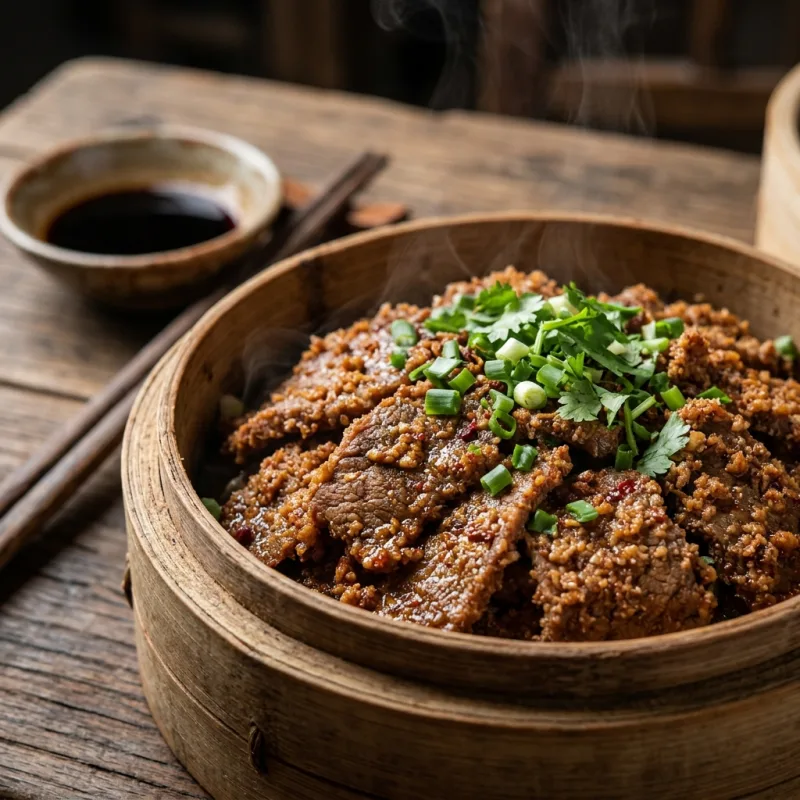
Discover cooking classes, tastings and local food tours
Logistics shouldn’t be the focus of your trip—the experience should. I’ve hand-vetted these essential partners to ensure your arrival, stay, and exploration are as smooth as an Athenian breeze.

Compare accommodation options and choose a stay that suits your plans and budget.
Connect with local guides for personalized help planning and exploring.
The “Engineer’s” rule: always have a backup. Secure your trip with a plan that covers every “what if” and unexpected change.
Don’t let paperwork slow you down. Get expert assistance with your application to ensure all your entry documents are in order.
Check out our related articles and blog posts to learn even more about the destination.
Share with your friends and family
