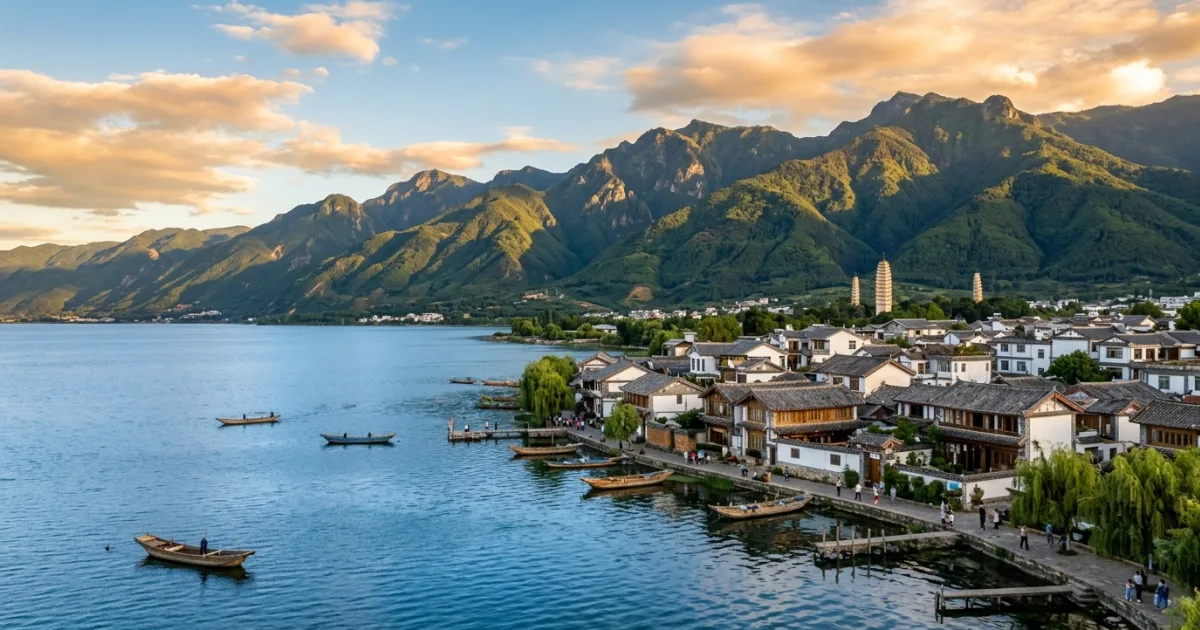
Dali sits comfortably on a high plateau in southwestern China, bounded by the granite peaks of the Cangshan Mountain range to the west and the expansive mirror-like surface of Erhai Lake to the east. Historically a vital trading hub on the Ancient Tea Horse Road, Dali developed a distinctive identity separate from lowland Han cities. The Bai people constitute the primary ethnic group here, visible through their white-and-gray plaster architecture, decorative calligraphy, and indigo tie-dye workshops.
Today, Dali attracts a vibrant blend of outdoor adventurers, domestic remote workers, and international travelers seeking a slower pace of life. Modern cafes and boutique tea houses seamlessly line the alleys of historic settlements like Dali Ancient Town and Xizhou. With newly constructed ecological cycling pathways, expansive wetland parks, and easy train connections to Kunming and Lijiang, Dali remains one of Yunnan's most rewarding destinations.
Reasons to Visit
- Erhai Ecological Greenway: Enjoy miles of pedestrian and cycling paths flanking tranquil lake shores with mountain backdrops.
- Bai Architectural Heritage: Visit villages like Xizhou to see grand historical courtyards, carved wooden screens, and decorative eaves.
- Temples & Mountain Treks: Walk peaceful stone trails past ancient monasteries and the famous Three Pagodas of Chongsheng Temple.
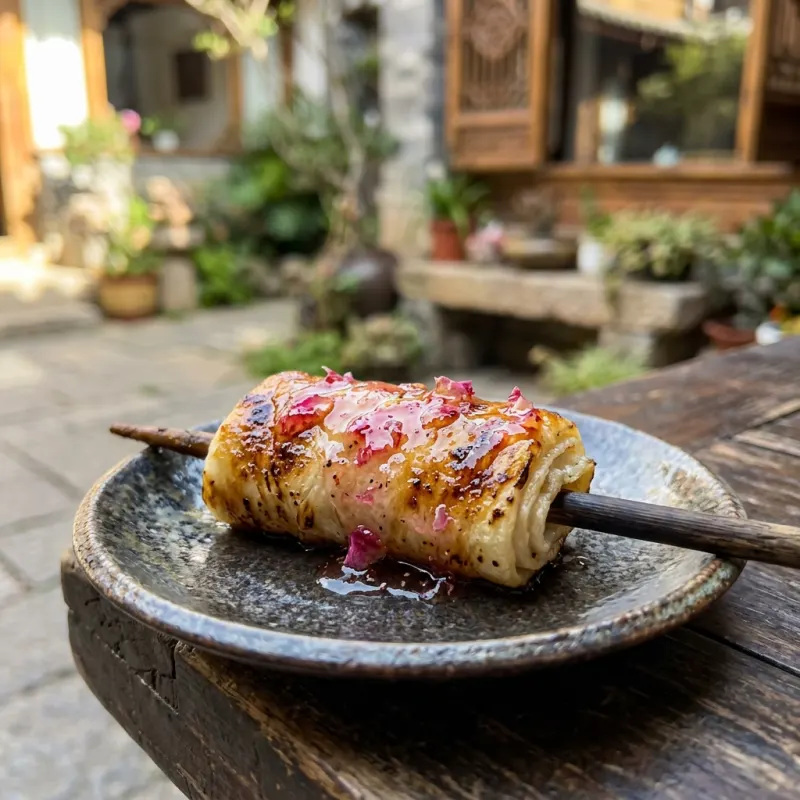
- Culinary Diversity: Savor unique Yunnan dairy items like Rushan cheese, wild summer mushrooms, and fragrant highland coffee.
- Year-Round Mild Climate: Escape harsh winters and blistering summer heat in Dali's comfortable subtropical plateau environment.
Things to Avoid
- Avoid booking unregulated boat rides from unlicensed operators along the Erhai shoreline; use official piers instead.
- Avoid staying inside the loudest sections of Dali Ancient Town bar street (Renmin Road) if you value quiet sleep.
- Do not underestimate the highland sun; severe sunburn can occur even on overcast days.
- Avoid hiring unmetered taxis outside train stations; use certified ride-hailing apps or metered cabs.
Local Transportation Tips
Getting around Dali is straightforward and scenic. The high-speed railway connects Dali Railway Station directly to Kunming (2 hours) and Lijiang (1.5 hours). Within the basin, public buses and express sightseeing shuttles operate between Xiaguan, Dali Ancient City, and northern villages like Xizhou and Shuanglang. For lake exploration, renting bicycles or shared electric bikes along the car-free Erhai Ecological Corridor offers the best experience, while ride-hailing via mobile apps handles trips between dispersed villages efficiently.
Travel Etiquette
- Respect Bai family customs: Remove hats when entering traditional ancestral courtyards and do not step directly on wooden door sills.
- Dress modestly when visiting active Buddhist and Daoist temples along Cangshan Mountain.
- Preserve the fragile lake ecology: Never discard waste or wash gear in Erhai Lake or its feeder streams.
- Ask permission before photographing elderly residents or artisans in local morning markets.
Recommended Age Group
Dali provides a relaxing and varied travel environment suitable for multiple generations, though physical accessibility varies between lakeside trails and rugged mountain paths.
- Babies (0-2 years): Neutral. Cobblestone streets in ancient towns complicate stroller use, but lakeside paved trails and spacious guesthouse courtyards offer relaxed family environments.
- Kids (3-12 years): Recommended. Children enjoy feeding black-headed gulls, learning tie-dye craft in Zhoucheng, and easy cycling along the car-free lakeside paths.
- Teens (13-19 years): Recommended. Outdoor cycling, paddleboarding on designated lake bays, boutique cafes, and mountain cable cars appeal strongly to teenagers.
- Adults (20-64 years): Recommended. Ideal for cultural exploration, cafe culture, scenic trekking, wine and tea tastings, and creative retreats.
- Seniors (65+ years): Recommended. The flat lakeside paths, mild year-round temperatures, and slow-paced village life make it a favorite for mature travelers seeking comfort and clean air.
Accessibility Level: Medium
- The Erhai Lake Ecological Corridor is flat, paved, and fully wheelchair-accessible for dozens of kilometers.
- Dali Ancient Town and mountain temples feature uneven cobblestones, high thresholds, and stone staircases that present mobility barriers.
- Cangshan cable cars (such as the Gantong and Zhonghe ropeways) require climbing steps to embark and disembark.
- Modern high-speed train stations in Dali provide step-free access, elevators, and designated accessible restrooms.
Did You Know?
The Three Pagodas of Chongsheng Temple, built during the Tang and Song dynasties, have survived more than thirty major earthquakes over a millennium, including a catastrophic 1925 tremor that leveled most surrounding brick structures.
Cool Statistics
- Elevation: Approximately 2,010 meters (6,594 feet) above sea level.
- Erhai Lake Surface Area: Around 250 square kilometers, ranking as Yunnan's second-largest highland freshwater lake.
- Mount Cangshan Peaks: 19 distinct alpine peaks, with the highest summit (Malong Peak) reaching 4,122 meters.
- Historical Heritage: Dali was the capital of the Nanzhao Kingdom, founded over 1,200 years ago in the 8th century.






Buy a compatible power adapter for your trip