Southern Yunnan is a mesmerizing geographic corridor where temperate East Asia melts into tropical Southeast Asia. Spanning administrative prefectures like Xishuangbanna Dai Autonomous Prefecture, Pu'er City, and Honghe Hani and Yi Autonomous Prefecture, the region presents a stark contrast to the icy crags of Shangri-La to the north. Its landscapes range from dense primary monsoon rainforests harboring China's last remaining wild Asian elephants to ancient canopy-shaded tea gardens that have produced fermented dark teas for over a millennium.
Culturally, Southern Yunnan is defined by its deep ethnic pluralism. More than a dozen recognized indigenous groups live here, with the Dai building raised stilt houses along the Lancang (Mekong) River, while the Hani carve vast hydraulic wonders out of steep mountain ridges in the Ailao Mountains. Travel here is slow and sensory, driven by morning walks through mist-drenched tea groves, leisurely boat rides along meandering rivers, and night markets glowing with lanterns and the scent of woodsmoke and lime leaves.
Reasons to Visit
- Yuanyang Hani Rice Terraces: Marvel at a UNESCO World Heritage cultural landscape sculpted over 1,300 years across steep mountainsides.
- Xishuangbanna Tropical Rainforest: Walk through China's most biodiverse botanical sanctuaries and visit ethical wild elephant reserves.
- Jingmai Mountain Ancient Tea Forests: Explore the world's first tea-culture UNESCO World Heritage site, home to millennium-old cultivated tea trees.
- Living Ethnic Traditions: Experience Theravada Buddhist rituals, intricate bamboo architecture, and unique water-splashing festivals.
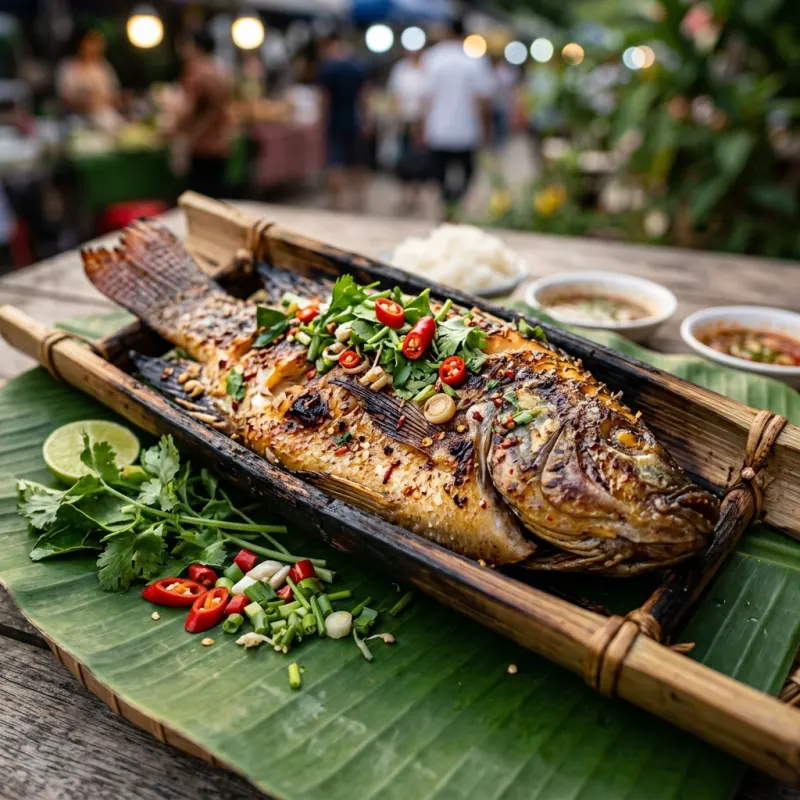
- Extraordinary Night Markets: Feast on aromatic Dai barbecue, tropical fruits, and artisanal crafts along the Lancang River.
Things to Avoid
- Do not touch wild Asian elephants or approach them on forest roads if encountered; always observe from designated canopy walkways or guided safety towers.
- Avoid wearing shoes or revealing clothing inside Theravada Buddhist temples (wats) in Xishuangbanna; cover shoulders and knees respectfully.
- Do not drink unboiled water or eat raw river fish, which can carry parasites in tropical environments.
- Avoid planning outdoor hiking schedules during the peak monsoon months of July and August without checking local mudslide advisories.
Local Transportation Tips
Southern Yunnan is well served by the modern high-speed railway that runs from Kunming south toward the Lao border at Mohan, with frequent bullet trains stopping at Yuxi, Pu'er, Xishuangbanna (Jinghong), and Mengla. For destinations off the rail spine, such as the Yuanyang Rice Terraces or the ancient villages of Jingmai, comfortable shared coaches, metered taxis, and ride-hailing services (via the Didi mini-program in WeChat or Alipay) are readily available. In urban centers like Jinghong and Jianshui, shared electric scooters can be rented using local apps, providing an efficient way to navigate downtown streets.
Travel Etiquette
- Temple Protocol: Remove your shoes, sunglasses, and hats before stepping across the threshold of Dai Buddhist temples; never point your feet directly at Buddha statues or monks.
- Tea Ceremonies: When served Pu'er tea, gently tap your index and middle fingers on the table to silently express gratitude to your host without interrupting conversation.
- Photography: Always ask permission before photographing elderly villagers or religious ceremonies in rural ethnic settlements.
Recommended Age Group
Southern Yunnan offers diverse experiences suited to curious travelers, though some rural mountain terrains require sturdy mobility.
- Babies (0-2 years): Neutral. The tropical climate and bumpy transport in remote terrace villages can be challenging with strollers, though family amenities exist in major towns.
- Kids (3-12 years): Recommended. Children will love the wild elephant sanctuaries, insect-spotting night walks in botanical gardens, and interactive cultural craft workshops.
- Teens (13-19 years): Recommended. Perfect for teenagers who enjoy active trekking, bustling street food night markets, and immersive photography opportunities.
- Adults (20-64 years): Recommended. An outstanding destination for hikers, tea connoisseurs, photographers, and travelers seeking rich cultural heritage off the mainstream path.
- Seniors (65+ years): Neutral. While high-speed trains and luxury eco-resorts make key cities effortless, viewing rice terraces and mountain villages involves substantial stair climbing.
Accessibility Level: Medium
- High-speed train stations across Southern Yunnan feature modern elevators, tactile paving, and step-free platform access.
- Major attractions like the Xishuangbanna Tropical Botanical Garden provide electric shuttle carts and paved primary paths suitable for wheelchairs.
- Ancient mountain villages and the Yuanyang terrace viewing platforms feature extensive stone steps and steep inclines, posing significant barriers for travelers with restricted mobility.
Did You Know?
Jingmai Mountain in Southern Yunnan contains over one million ancient tea trees, some estimated to be over 1,000 years old, cultivated sustainably beneath the natural forest canopy by the indigenous Blang and Dai peoples without chemical fertilizers or pesticides.
Cool Statistics
- 1,300+ Years: The continuous agricultural history of the Honghe Hani Rice Terraces.
- 16,000+ Plant Species: The staggering botanical biodiversity preserved within the Xishuangbanna Tropical Botanical Garden.
- 300+ Wild Elephants: The population of endangered Asian elephants roaming the protected rainforest corridors of southern Yunnan.







Buy a compatible power adapter for your trip