Disclosure: This site contains affiliate links. We may earn a commission if you make a purchase, at no extra cost to you.

>
>
>
>
>
Puer City
Panoramic view of terraced green tea plantations in Pu'er City Yunnan surrounded by misty mountains at sunrise

Puer City Overview & Key Highlights

Pu'er City is located in southwestern Yunnan Province, celebrated worldwide as the ancestral home of fermented Pu'er tea and China's primary specialty coffee production hub. Spanning subtropical highland valleys and mist-cloaked mountain ranges, the municipality serves as a gateway to ancient trade routes along the historic Tea Horse Road. The regional territory blends well-preserved ancestral forests with modern plantation estates, offering visitors an unhurried escape into southwestern China's ecological and botanical riches. Beyond agricultural heritage, the city sits at a cultural crossroads inhabited by fourteen distinct indigenous minority groups, including the Hani, Yi, Lahu, and Wa peoples. Urban life centers around the Simao District, where tree-lined boulevards and leafy parks lead to lively night markets serving regional cuisine. Whether hiking through the ancient tea trees of Jingmai Mountain or touring estate roasteries, travelers encounter a serene pace of life defined by warm hospitality and highland biodiversity.

Puer City Travel Guide: Logistics & In-Depth Tips

Pu'er City, formerly known as Simao, serves as the geographical heart of Yunnan's ancient tea cultures. Spread over expansive mountainous terrain, it represents one of China's greenest and most biologically diverse prefectures. For centuries, mule caravans assembled in these valleys to transport pressed tea cakes across the Himalayas into Tibet and Southeast Asia along the arduous Tea Horse Road. Today, that ancient commercial legacy blends smoothly with modern sustainable agriculture and highland tourism.

The urban center of Simao provides modern conveniences, walkable tree-lined avenues, and contemporary tea museums. Just outside the city limits, endless rolling tea terraces, pristine wetlands, and indigenous villages invite extended exploration. Visitors can traverse the ancient tea forests of Jingmai Mountain—inscribed as a UNESCO World Heritage cultural landscape—or spend unhurried mornings tasting award-winning single-origin coffees at local farms that lead China's bean revolution.

Reasons to Visit

  • Explore ancient organic tea forests where millennia-old trees continue to yield world-renowned Pu'er leaves.
  • Experience China's booming specialty coffee frontier through estate tours, roasting workshops, and urban pour-over cafes.
  • Immerse yourself in authentic indigenous cultures, including distinctive Hani, Yi, Wa, and Dai culinary and musical traditions.
  • Breathe pristine mountain air and discover rare subtropical wildlife inside Sun River National Forest Park.
  • Enjoy smooth transit access via the state-of-the-art China-Laos High-Speed Railway.

Things to Avoid

  • Avoid purchasing high-priced vintage tea cakes from informal street hawkers without tasting and certification.
  • Do not drive unprepared along remote rural mountain tracks during the height of the summer monsoon season.
  • Avoid assuming credit cards work everywhere; ensure your mobile wallet apps are functional before venturing out.
  • Do not touch or damage ancient protected tea trees in conservation zones like Jingmai Mountain.

Local Transportation Tips

Getting around central Pu'er (Simao District) is straightforward using the city's clean electric bus network and readily available Didi ride-hailing services. For regional excursions to Jingmai Mountain, Sun River National Forest Park, or surrounding coffee plantations, renting a licensed private car with a driver or booking regional coaches from the Pu'er South Bus Station is strongly recommended due to winding mountain roads.

Travel Etiquette

  • When invited to a tea tasting ceremony, hold your cup with both hands and gently tap two fingers on the table to show gratitude when tea is poured.
  • Dress modestly and remove hats when entering minority community shrines, ancestral halls, or sacred village forests.
  • Always ask permission before taking close-up portraits of village elders wearing traditional ethnic clothing.
  • Speak in measured, respectful tones in public spaces and during communal dining experiences.

Recommended Age Group

Pu'er City offers a relaxed pace, rich educational encounters, and gentle outdoor excursions suitable for many traveler profiles.

  • Babies (0-2 years): Neutral. Paved urban centers are stroller-friendly, but rural plantations and mountain trails feature steep terrain and limited baby-care facilities.
  • Kids (3-12 years): Recommended. Children enjoy interactive wildlife encounters at Sun River Forest Park and picking fresh tea leaves on terraced hillsides.
  • Teens (13-19 years): Recommended. Excellent destination for active teens interested in outdoor hiking, photography, and exploring China's dynamic specialty coffee scene.
  • Adults (20-64 years): Recommended. An ideal retreat for cultural enthusiasts, culinary travelers, and digital workers seeking wellness and scenic natural beauty.
  • Seniors (65+ years): Recommended. The temperate highland climate, unhurried pace, and focus on slow tea appreciation provide outstanding comfort for mature travelers.

Accessibility Level: Medium

  • The high-speed Pu'er Railway Station features step-free level boarding, elevators, and accessible restrooms.
  • Major urban parks and central shopping avenues in Simao District provide paved curb ramps and flat walking paths.
  • High-end urban hotels offer wheelchair-accessible rooms with elevators and walk-in showers.
  • Rural plantation hills, traditional minority wooden villages, and forest hiking trails feature steep stone staircases and natural dirt paths with limited accessibility.

Did You Know?

In 2007, the city officially changed its historical name from Simao to Pu'er to celebrate and legally protect its status as the authentic birthplace of the world's most famous aged tea. In 2023, the Cultural Landscape of Old Tea Forests of the Jingmai Mountain in Pu'er was officially inscribed as a UNESCO World Heritage site.

Cool Statistics

  • Produces over 80% of Yunnan Province's specialty coffee exports.
  • Boasts forest coverage exceeding 74%, making it one of China's premier ecological green havens.
  • Home to cultivated ancient tea tree gardens that date back more than 1,000 years.

Address:

Pu'er City, Yunnan Province, China

Find Nearby Accommodations

Basic Info

address icon

COUNTRY & Region

China,
Asia

ACCESSIBILITY LEVEL​

Medium
Currency icon

LOCAL CURRENCY​

Chinese Yuan (CNY)
Price level icon
Low
Safety Level icon

SAFETY LEVEL

Duration icon

Recommended Duration

• 1-7 days
• Full day

Electricity

electricity icon

Electricity

220-240V, 
50Hz
Plug Socket icon

Plug Type

• Type A (Flat blade)
• Type C (Round pin)
• Type I (Two flat pins in V-shape, grounding pin)
Plug types
Click To View Plug Types
Puer City is part of our
Conscious Travel collection

Activities To Do In Puer City

Best Time To Visit Puer City

Pu'er City benefits from a mild subtropical highland climate characterized by generous sunshine, comfortable temperatures year-round, and distinct wet and dry seasons.

  • Dry Season (October to April): The prime window to visit, offering clear blue skies, minimal precipitation, and comfortable daytime temperatures ranging between 18°C and 25°C. Autumn marks the coffee cherry harvesting season, while spring brings vibrant tea flush pickings.
  • Rainy Season (May to September): Temperatures rise moderately up to 28°C alongside frequent afternoon downpours. The surrounding vegetation turns intensely lush, waterfalls peak in volume, and forest mushrooms appear in abundance across local markets, though rural roads require careful navigation.

Average Temperatures Per Month

Remember to check the weather forecast a few days before the trip and before heading to the airport.

Safety Level icon

Safety Level

Pu'er City exhibits extremely low rates of violent crime, making it exceptionally secure for domestic and international travelers around the clock. General precautions include taking care on slippery stone trails in plantation areas during rain, staying alert on winding mountain roads, and ensuring you carry personal identification when traveling near border prefectures.

The rating is based on multi-year peace, crime, and security indices. Before you go, always verify current conditions through official government travel advisories.

Emergency Numbers

Police: 110
Ambulance: 120

No internet needed • Includes local translations • Free for TravelingWiz readers

Spoken Languages

Mandarin Chinese (Standard Chinese) and Southwestern Mandarin dialect. Various indigenous Tibeto-Burman and Mon-Khmer languages are spoken natively in rural autonomous counties.

Learn The Language

  • Hello — Nǐ hǎo (你好)
  • Thank you — Xièxie (谢谢)
  • How much is this? — Duōshǎo qián? (多少钱?)
  • Where is the bathroom? — Cèsuǒ zài nǎlǐ? (厕所在哪里?)
  • Delicious! — Hěn hào chī! (很好吃!)
  • Bill, please — Mǎidān (买单)
  • Pu’er tea, please — Qǐng gěi wǒ Pǔ’ěr chá (请给我普洱茶)
  • Goodbye — Zàijiàn (再见)
Travel Booking Partner - TravelingWiz

Trip Cost & Budgeting for Puer City, 2026

Everything you need to know about money while traveling
Is Puer City expensive for tourists in 2026? No, Puer City is very affordable for travelers. Based on Human Verified prices, expect to pay around 25 CNY for a fresh local coffee, 10 CNY for a domestic beer, and 50 CNY for a restaurant main meal. Overall daily travel costs remain quite modest compared to major Chinese hubs. Use the data table below to calculate your specific daily budget based on your travel style.
Currency icon

LOCAL CURRENCY​:

Chinese Yuan (CNY)
Price level icon
Low
Mobile payments via Alipay and WeChat Pay dominate everywhere, while foreign credit cards are rarely accepted directly.

Per person, per day – pocket cash for small purchases.

Local: 40
Chinese Yuan (CNY)
≈ 28 USD

Full daily spend estimation (accommodation, food, transportation, attractions).

Travel Style
Chinese Yuan (CNY)
≈ USD ($)
Budget
230
25
Mid-range
410
52
Comfort
900
120

The Prices, Daily costs, and calculator results are estimates for planning purposes only. Actual costs may vary based on season, booking timing, personal spending habits, and currency fluctuations. TravelingWiz cannot be held responsible for discrepancies between these estimates and your final trip expenses.

  • • Set up Alipay and WeChat Pay with an international credit card before arriving for seamless digital payments.
  • • Visit local teahouses and specialty coffee shops in Puer for top-grade local brews at budget-friendly prices.
  • • Eat at local night markets and small eateries where authentic Yunnan dishes cost as little as 15 to 30 CNY.
  • • Use public transit or Didi ride-hailing instead of traditional taxis for predictable, economical urban travel.

Pre-Order Tickets

Avoid disappointment when tickets sell out — and skip the long lines by booking online in advance. You’ll often save up to 20% too.
Save up to 20%

Travel Discounts & Coupons

Save on hotels, attractions, transport, and gear — find verified discounts for smarter travel spending.
Verified Coupons

What To Pack

  • Breathable, layered clothing for warm afternoons and cool highland evenings
  • Sturdy, waterproof hiking boots for exploring muddy terraced plantations and forest paths
  • Sun protection including broad-spectrum sunscreen, polarized sunglasses, and a wide-brimmed sun hat
  • Effective insect repellent containing DEET or picaridin for outdoor nature reserves
  • Universal plug adapter and a portable power bank for extended day trips
  • Reusable thermos or travel tumbler for sampling freshly brewed teas and specialty coffees
  • Lightweight waterproof jacket or compact umbrella for sudden subtropical rain showers
We couldn't find tips for Puer City.
If you got any, please share

Recommended Itineraries for Traveling to Puer City

We couldn't find itineraries for Puer City.
you can contact us for custom trip plan

Food & Drink Highlights

Local Food Overview

The gastronomy of Pu'er reflects a rich convergence of Yunnan mountain produce, Han culinary traditions, and vibrant ethnic minority flavors from the Dai, Wa, and Hani communities. Fresh wild herbs, edible forest blossoms, mountain ferns, and seasonal wild fungi feature prominently in daily cooking. Tea leaves and coffee cherries are ingeniously incorporated into marinades, broths, and smoking techniques, producing earthy, fragrant flavor profiles distinct from anywhere else in China.
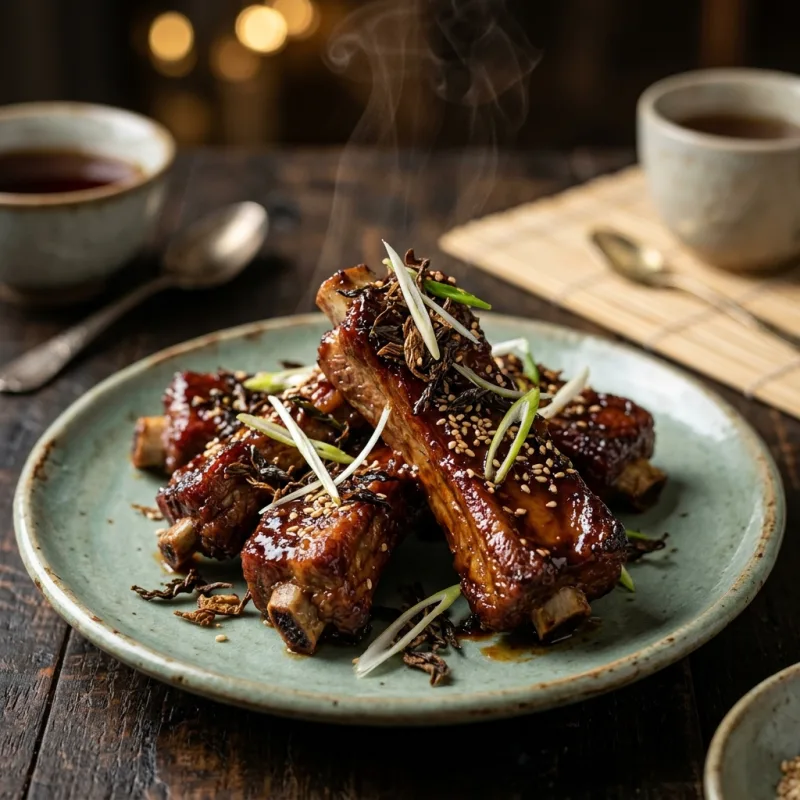
Pu'er Tea Braised Pork Ribs glazed in rich mahogany sauce and garnished with fried tea leaves

Must Try Dish

Pu'er Tea Braised Pork Ribs (普洱茶香排骨) - Succulent tender pork ribs are slowly simmered and caramelized in a savory glaze infused with aged, fermented Pu'er tea, fresh ginger, and rock sugar. The dark tea broth imparts a nuanced earthy aroma and balanced sweetness that cuts effortlessly through the richness of the meat.
Food Experiences Title Icon

Food
Experiences

Discover cooking classes, tastings and local food tours

No food experience found
Maya, the human travel expert at TravelingWiz, offering curated, non-AI expertise

Maya’s Final Checklist for Puer City

Logistics shouldn’t be the focus of your trip—the experience should. I’ve hand-vetted these essential partners to ensure your arrival, stay, and exploration are as smooth as an Athenian breeze.

Where to Stay

From boutique hotels to local apartments—compare thousands of options and find the perfect stay in the best neighborhood.

Air Travel

Getting there should be seamless. Compare the best routes and prices across top airlines to start your journey on the right note.

Local Guides

Connect with experts who know the destination best. Get personalized advice and insider tips to help you plan your perfect trip.

Travel Protection

The “Engineer’s” rule: always have a backup. Secure your trip with a plan that covers every “what if” and unexpected change.

Car Rentals

Explore at your own pace with total freedom. Compare reliable rental options and find the right vehicle for your adventure.

Visa Services

Don’t let paperwork slow you down. Get expert assistance with your application to ensure all your entry documents are in order.

FAQs

Pu’er City is celebrated globally as the historical epicenter of Pu’er fermented tea, the starting hub of the ancient Tea Horse Road, and modern China’s largest specialty coffee growing region.
Pu’er is directly accessible via high-speed train on the China-Laos Railway, linking the city to Kunming in approximately 2.5 hours and Xishuangbanna in under one hour. Pu’er Simao Airport also offers domestic flights to major hubs.
The prized spring harvest takes place between late March and early May, offering travelers the opportunity to witness active tea leaf plucking and traditional roasting across hillside terraces.
Yes, Pu’er produces over half of China’s specialty Arabica coffee beans. Travelers can visit urban tasting labs, specialty cafes, and high-altitude processing farms throughout the surrounding mountains.

Your Insights Matter

TravelingWiz grows through the stories of our community. If you’ve recently explored ,Puer City share your tips and stories to help us perfect our guides for the next traveler.

Related Articles

Check out our related articles and blog posts to learn even more about the destination.

No related articles found

Don’t Travel Alone

Share with your friends and family

Where should we send your offline card?

We hate spam just as much as you do

newsletter_consent *