North Goa is the dynamic northern district of India's smallest state, famous for its coastline, heritage settlements, and bohemian lifestyle. Bordered by the Arabian Sea to the west and the Western Ghats mountain range inland, the district stretches from bustling urban pockets like Mapusa and the historic capital outskirts to coastal villages like Siolim, Assagao, and Anjuna. Its history as the focal point of the Portuguese Estado da Índia for over four centuries manifests in magnificent white-washed chapels, grand manorial villas, and a culinary tradition distinct from the rest of the Indian subcontinent.
Today, North Goa attracts a global community of digital nomads, vacationing families, and cultural explorers. The region offers stark contrasts: while Baga and Calangute pulse with water scooters and commercial beach shacks, a short drive inland reveals serene cashew orchards, quiet mangrove ecosystems, and quiet river cruises along the Chapora River. Its emergence as a center for contemporary Indian gastronomy and slow wellness has transformed former sleepy hamlets into vibrant cultural hubs brimming with art galleries, holistic yoga shalas, and world-class fusion bistros.
Reasons to Visit
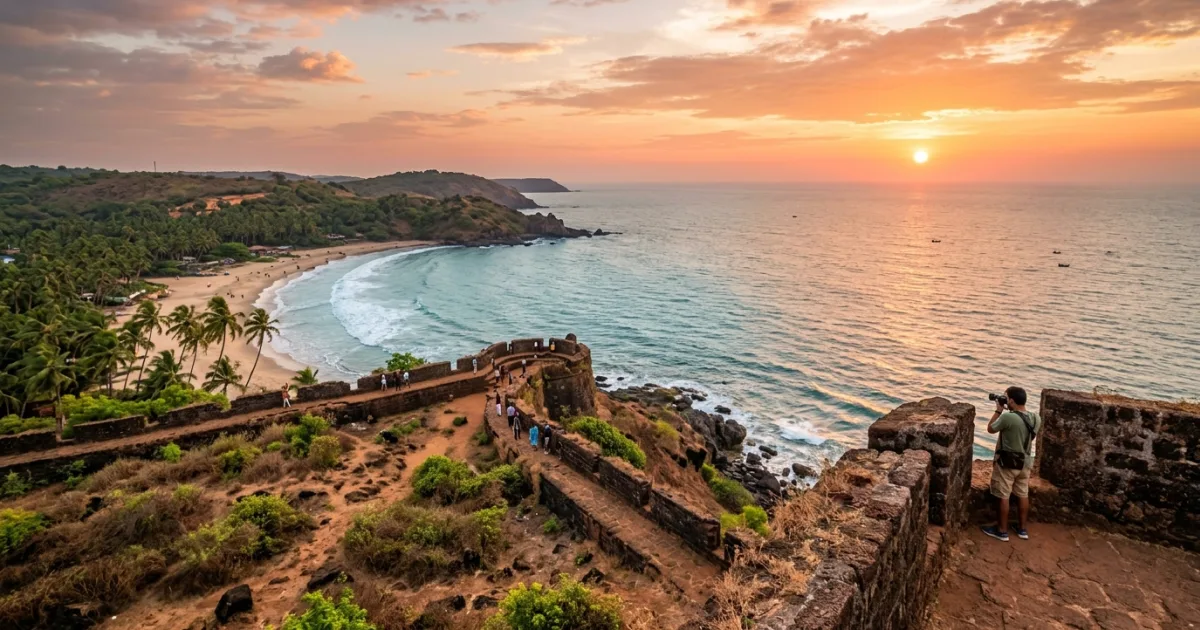
- Historic Fortifications: Explore coastal seventeenth-century defenses including Aguada Fort, Chapora Fort, and Reis Magos Fort offering panoramic sea vistas.
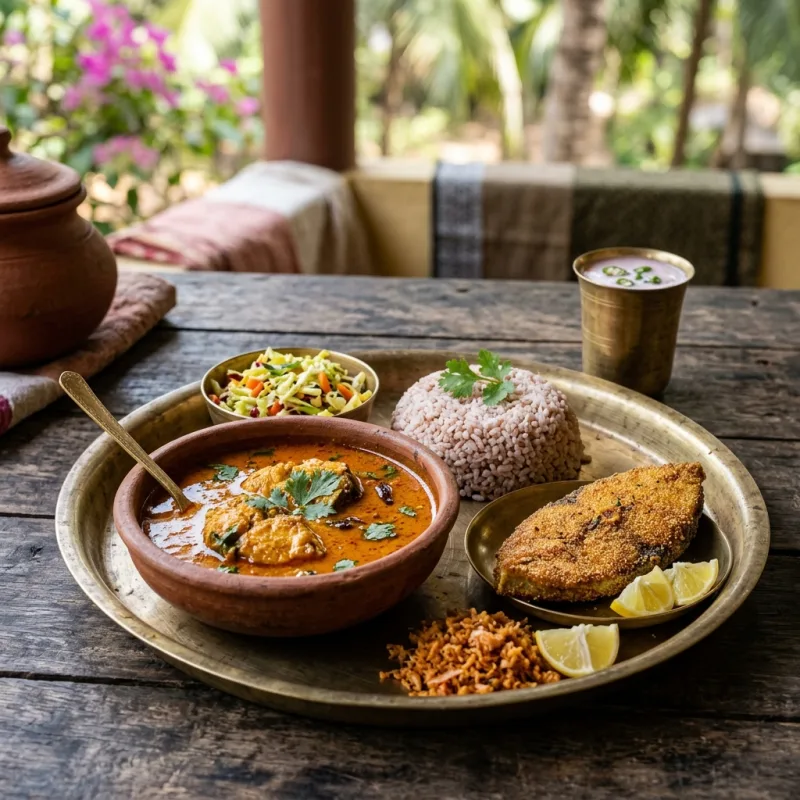
- World-Class Gastronomic Scene: Sample everything from rustic village fish curries to avant-garde modern Indian dining in restored colonial estates.
- Dynamic Coastal Culture: Experience famous weekly flea markets, sunset drum circles at Arambol, and cutting-edge open-air music venues.
- Charming Heritage Architecture: Stroll through picturesque village lanes in Assagao, Saligao, and Aldona lined with vibrant bougainvillea and pastel mansions.
- Holistic Wellness Hubs: Rebalance through beachfront yoga retreats, traditional Ayurvedic healing treatments, and sound therapy sessions in Mandrem.
Things to Avoid
- Unmetered Private Taxis: Do not accept unnegotiated rates from airport or street taxi stands; utilize official prepaid counters or the GoaMiles mobile app.
- Swimming During Monsoon Flags: Avoid swimming when red danger flags are posted on beaches due to treacherous undertows and sharp rip currents.
- Public Nudity and Inappropriate Beachwear: Avoid walking through village centers or sacred religious sites in swimwear; keep beach attire strictly to the shoreline.
- Unlicensed Water Sports Operators: Do not board jet skis, parasailing boats, or banana rides that lack certified lifejackets or government safety clearance badges.
- Littering Coastal Areas: Strict fines apply for discarding glass bottles or plastic debris along protected sand dunes and turtle nesting reserves.
Local Transportation Tips
Navigating North Goa requires careful planning due to the absence of a comprehensive local metro or dense public bus network. The most widespread transport mode is renting a two-wheeler, typically costing between INR 350 and INR 700 per day; an international or domestic driver's license and a helmet are mandatory by state law. Self-drive rental cars are also prevalent for families. For non-drivers, the GoaMiles smartphone application offers regulated taxi services, while local private taxi unions operate from fixed stands where prices must be firmly agreed upon before departure. Coastal Kadamba state buses connect major transit hubs like Panaji, Mapusa, and Calangute at nominal fares, though they run on infrequent timetables.
Travel Etiquette
- Sacred Dress Standards: Cover your shoulders and knees before entering churches, chapels, and Hindu temples; remove footwear where designated.
- Respect Coastal Noise Curfews: State laws mandate noise restrictions outdoors after 10:00 PM; be considerate of residential neighbors in village homestays.
- Photography Permissions: Always seek consent before photographing village elders, fishermen mending nets, or interior altars of functioning places of worship.
- Tip Standards: Tipping around 7% to 10% is customary in standalone restaurants and beach cafes if a service charge is not already added to the bill.
Recommended Age Group
North Goa is remarkably versatile, offering distinctive settings suited for travelers across varied life stages.
- Babies (0-2 years): Neutral. Tropical temperatures, uneven pavements, and intense humidity can pose challenges, though quiet northern beach resorts in Ashvem provide sheltered, family-friendly sanctuary.
- Kids (3-12 years): Recommended. Children enjoy gentle beach waters at Morjim, historic fort ramparts, spice plantation excursions, and dolphin-spotting boat trips along the coastline.
- Teens (13-19 years): Recommended. Teenagers thrive on thrilling watersports, energetic beach markets, coastal kayaking, and dynamic outdoor surf lessons.
- Adults (20-64 years): Recommended. Perfect match for diverse interests, from energetic nightlife, beach clubs, and yoga sanctuaries to heritage architecture and high-end gastronomy.
- Seniors (65+ years): Recommended. Older travelers enjoy slow travel through tranquil heritage village walks, restored Portuguese boutique stays, and accessible seaside dining in quieter northern enclaves.
Accessibility Level: Medium
- Challenging Terrain: Historic forts like Chapora and Fort Aguada feature steep, uneven cobblestone inclines and rugged stone steps that are poorly suited for manual wheelchairs.
- Beach Accessibility: Select major beaches like Miramar and parts of Candolim feature wooden boardwalk access mats installed by local tourism authorities, though beach wheelchairs remain rare.
- Transport Infrastructure: Standard auto-rickshaws and coastal buses lack wheelchair lifts or ramps; travelers with reduced mobility should arrange specialized private air-conditioned van charters with dedicated drivers.
Did You Know?
Chapora Fort in North Goa, originally erected by the Adil Shahi rulers of Bijapur and later reconstructed by the Portuguese in 1717, skyrocketed into modern Indian pop culture after featuring prominently in the seminal 2001 Bollywood film Dil Chahta Hai, earning it the enduring nickname 'Dil Chahta Hai Fort'.
Cool Statistics
- 450+ Years: Duration of continuous Portuguese administrative rule in Goa before its liberation in 1961.
- 105 Kilometers: Total coastline of Goa, with North Goa accounting for over half of the primary tourist-accessible beach areas.
- Over 350: Documented bird species inhabiting North Goa's wetlands, mangrove corridors, and Salim Ali Bird Sanctuary borders.






Buy a compatible power adapter for your trip