India's geographical diversity is staggering, encompassing the frozen summits of the Himalayas, the arid expanses of the Thar Desert, the dense jungles of Madhya Pradesh, and the palm-fringed backwaters of Kerala. This vastness translates into a multitude of distinct regional cultures, each boasting its own language, architectural style, and culinary traditions. The northern plains are steeped in Mughal history, evidenced by monumental forts and mausoleums, while the southern peninsula is defined by towering Dravidian temple complexes and a slower, more tropical pace of life. The country's spiritual heritage is palpable everywhere, from the sacred ghats of Varanasi along the Ganges River to the serene Buddhist monasteries perched in the high-altitude deserts of Ladakh.
Modern India is a study in contrasts, where ancient traditions seamlessly coexist with rapid technological advancement and urbanization. Megacities like Mumbai, Delhi, and Bengaluru are dynamic hubs of commerce, fashion, and contemporary art, offering world-class dining and luxury accommodations. Yet, just a short distance away, rural villages continue agricultural practices that have remained largely unchanged for centuries. Navigating this complexity requires patience and an open mind, but the reward is an incredibly rich travel experience. Whether tracking Bengal tigers in national parks, participating in the vibrant chaos of festivals like Diwali and Holi, or simply enjoying a cup of spiced chai from a roadside vendor, India engages all the senses and leaves a lasting impression on every traveler.
Reasons to Visit
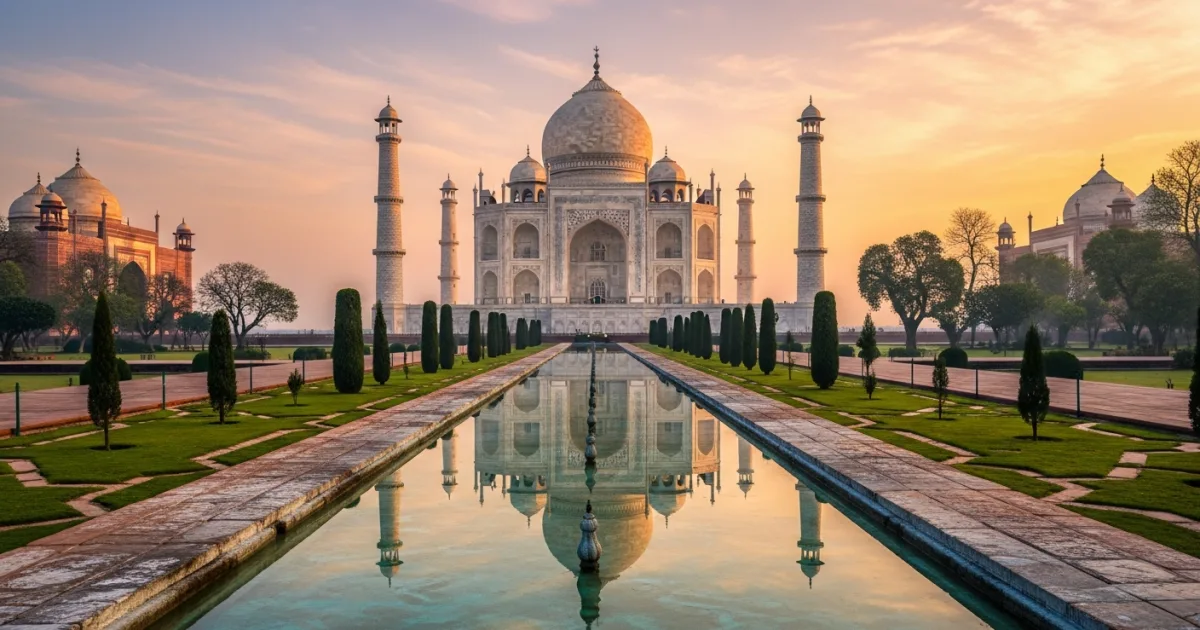
- Architectural Marvels: Home to 42 UNESCO World Heritage sites, including the iconic Taj Mahal, the ancient caves of Ajanta and Ellora, and the grand forts of Rajasthan.
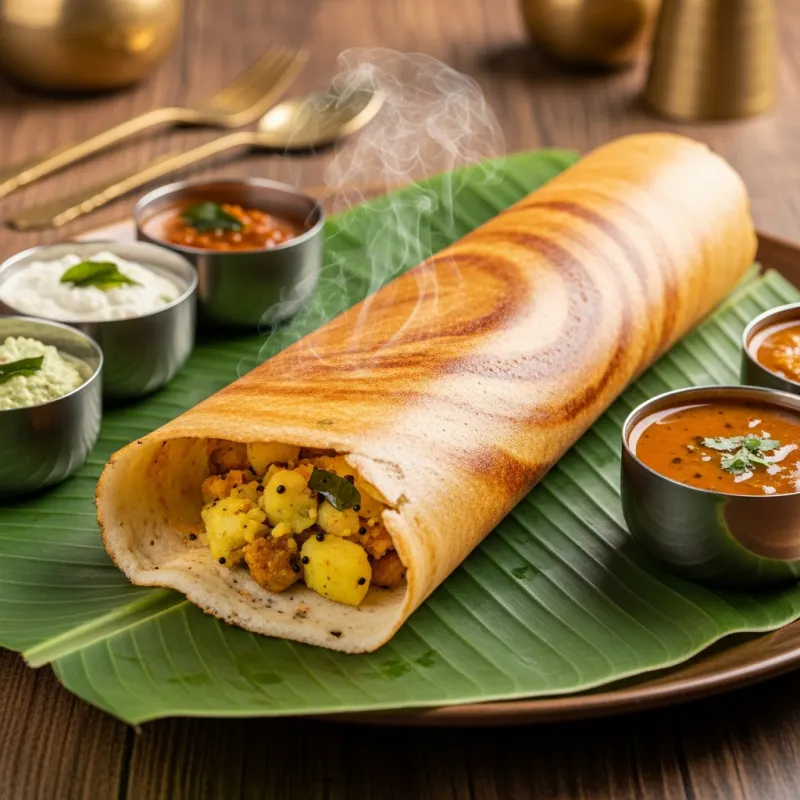
- Culinary Diversity: A paradise for food lovers, offering everything from rich, creamy northern curries to fiery, coconut-based southern dishes and an endless variety of street food.
- Spiritual Awakening: The birthplace of Hinduism, Buddhism, Jainism, and Sikhism, providing profound opportunities for spiritual exploration in ashrams, temples, and sacred cities.
- Wildlife and Nature: Boasts incredible biodiversity, with national parks offering the chance to spot Bengal tigers, Asiatic lions, Indian elephants, and one-horned rhinoceroses.
- Vibrant Festivals: Experience the unparalleled energy and color of festivals like Holi (the festival of colors) and Diwali (the festival of lights), which are celebrated with immense enthusiasm nationwide.
Things to Avoid
- Drinking Tap Water: Always stick to bottled or properly filtered water to avoid waterborne illnesses, and be cautious with ice in drinks.
- Disrespectful Attire: Avoid wearing revealing clothing, especially when visiting religious sites or rural areas; dressing modestly shows respect for local customs.
- Public Displays of Affection: Overt physical contact between couples is generally frowned upon in traditional Indian society.
- Engaging with Touts: Politely but firmly ignore aggressive vendors, unofficial guides, and taxi drivers who approach you at airports, train stations, and major tourist sites.
- Ignoring Traffic Rules: Traffic in Indian cities can be chaotic; exercise extreme caution when crossing streets and do not expect vehicles to yield to pedestrians.
Local Transportation Tips
India's transport infrastructure is vast and varied, catering to all budgets and comfort levels. The Indian Railways network is the lifeblood of the country, offering an authentic and scenic way to travel long distances; booking AC 2-Tier or AC 3-Tier classes is recommended for a comfortable journey. For faster transit between major cities, a robust network of domestic airlines operates frequent and relatively inexpensive flights. Within cities, auto-rickshaws are ubiquitous and convenient for short trips, though it is advisable to agree on a fare beforehand or use ride-hailing apps like Ola and Uber for transparent pricing. Metro systems in major metropolises like Delhi, Mumbai, and Bengaluru provide clean, efficient, and air-conditioned alternatives to navigating congested streets. For exploring rural areas or specific regions like Rajasthan, hiring a private car with a driver is a popular and surprisingly affordable option that offers maximum flexibility.
Travel Etiquette
- Greeting: The traditional greeting is 'Namaste', performed by placing both hands together in a prayer position and giving a slight bow.
- Right Hand Rule: Always use your right hand for eating, passing objects, and shaking hands, as the left hand is traditionally considered unclean.
- Footwear: Remove your shoes before entering someone's home and always before entering temples, mosques, and other places of worship.
- Pointing: Avoid pointing with a single finger; instead, use your chin, whole hand, or thumb to indicate direction.
- Photography: Always ask for permission before photographing local people, especially women in rural areas, and respect signs prohibiting photography inside certain temples and monuments.
Recommended Age Group
India offers a deeply enriching experience, though its intensity requires consideration for different age groups.
- Babies (0-2 years): Neutral. Traveling with infants requires meticulous planning regarding hygiene, safe drinking water, and transportation, though locals are exceptionally welcoming to babies.
- Kids (3-12 years): Recommended. Children will be captivated by the vibrant colors, wildlife safaris, and ancient forts, provided the itinerary is paced well to avoid exhaustion.
- Teens (13-19 years): Recommended. An excellent destination for teenagers to experience profound cultural differences, adventure activities in the Himalayas, and historical education.
- Adults (20-64 years): Recommended. Ideal for adults seeking diverse experiences, from culinary tours and spiritual retreats to challenging treks and architectural exploration.
- Seniors (65+ years): Recommended. Seniors can enjoy luxury train journeys, heritage hotel stays, and cultural tours, though those with mobility issues should plan carefully around uneven terrain and crowded areas.
Accessibility Level: Medium
- Transportation: Major international airports and newer metro systems in cities like Delhi are fully wheelchair accessible, but standard public buses and trains present significant challenges.
- Accommodation: High-end international and luxury heritage hotels generally offer accessible rooms and ramps, whereas budget and mid-range options often lack these facilities.
- Attractions: Some major monuments like the Taj Mahal have improved accessibility with ramps and provided wheelchairs, but many ancient forts, temples, and older city areas involve steep stairs and uneven surfaces.
- Sidewalks: Pedestrian infrastructure in most cities is poor, with sidewalks often being uneven, crowded, or non-existent, making wheelchair navigation difficult.
- Assistance: Hiring a private vehicle with a driver and utilizing specialized tour operators who focus on accessible travel in India is highly recommended for a smooth experience.
Did You Know?
India is home to the world's highest rail bridge, the Chenab Bridge in Jammu and Kashmir, which stands at a staggering 359 meters (1,178 feet) above the riverbed—taller than the Eiffel Tower. Additionally, the country has a floating post office located on Dal Lake in Srinagar, serving the local community and tourists alike from a beautifully carved houseboat.
Cool Statistics
- Population: Over 1.4 billion, making it the most populous country in the world.
- Languages: 22 officially recognized languages and hundreds of dialects spoken across the country.
- Railways: The Indian Railways network spans over 68,000 kilometers, carrying more than 23 million passengers daily.
- Biodiversity: Home to approximately 75% of the world's wild tiger population.
- Post Offices: Boasts the largest postal network in the world, with over 150,000 post offices.






Buy a compatible power adapter for your trip