Delhi is a city that wears its history on its sleeve. As the capital of the world's largest democracy, it bridges two distinct worlds. Old Delhi, once the capital of Islamic India, is a labyrinth of narrow lanes lined with crumbling havelis and formidable mosques. Here, the scent of spices from Khari Baoli mingles with the aroma of frying jalebis, offering a sensory overload that is quintessentially Indian. In stark contrast, New Delhi, created by the British Raj, is composed of spacious, tree-lined avenues and imposing government buildings, reflecting a legacy of colonial grandeur.
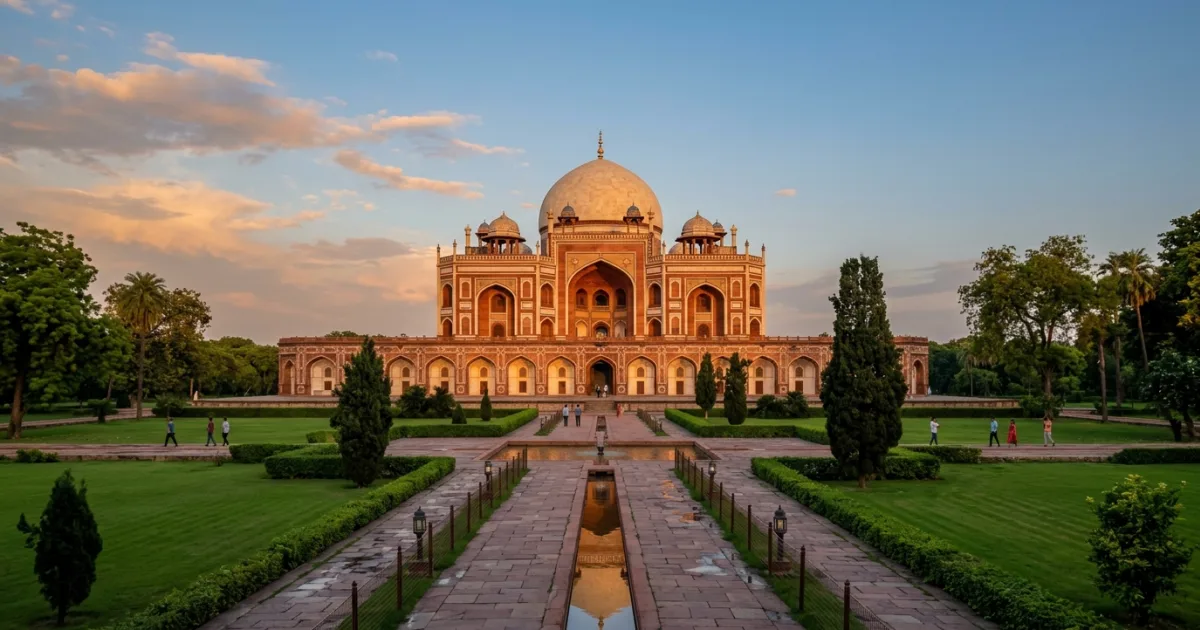
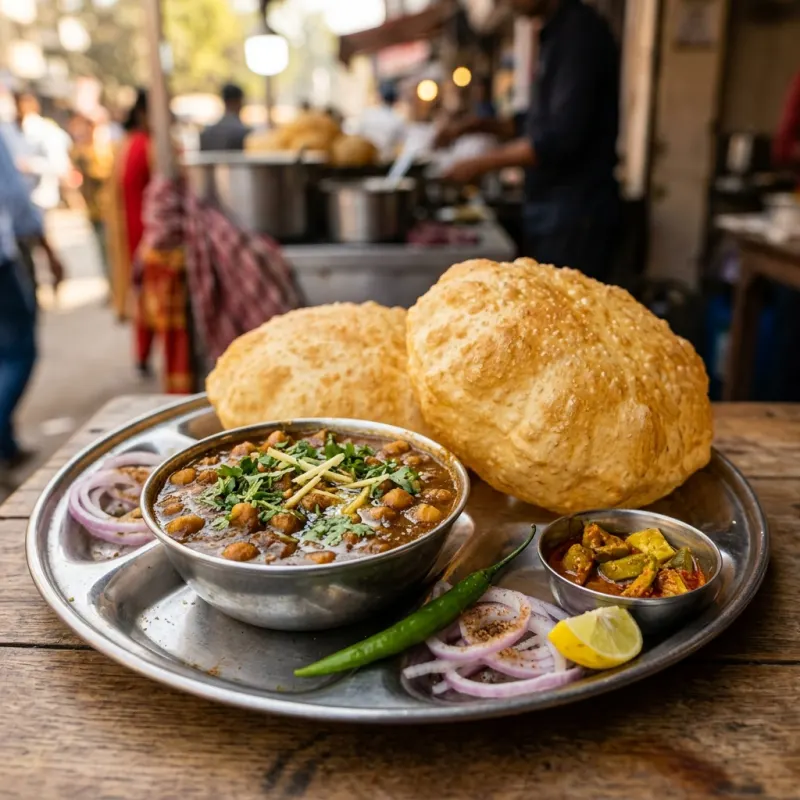
Beyond its historical dichotomy, modern Delhi is a thriving, cosmopolitan metropolis. It boasts world-class museums, cutting-edge art galleries, and a culinary scene that ranges from humble street-side chaat to Michelin-starred dining. The city's spiritual heart beats in its diverse places of worship, including the serene Lotus Temple, the grand Jama Masjid, and the welcoming Bangla Sahib Gurdwara. Despite its chaotic traffic and bustling crowds, Delhi's magnificent monuments, such as the Red Fort and Humayun's Tomb, provide peaceful oases that transport visitors back in time.
Reasons to Visit
- World-class historical monuments, including three UNESCO World Heritage sites: the Red Fort, Qutub Minar, and Humayun's Tomb.
- An incredible street food scene, particularly in the bustling lanes of Chandni Chowk.
- Vibrant and diverse markets offering everything from traditional textiles and spices to modern handicrafts.
- Rich spiritual diversity with stunning temples, mosques, and gurdwaras that welcome visitors of all faiths.
Things to Avoid
- Drinking tap water; always opt for sealed bottled water to avoid waterborne illnesses.
- Traveling by road during peak rush hours, as traffic congestion can be severe.
- Engaging with aggressive touts or unofficial guides at major tourist sites and transport hubs.
- Visiting during the peak summer months (May and June) due to extreme, exhausting heat.
Local Transportation Tips
The Delhi Metro is the most efficient, clean, and air-conditioned way to navigate the city, connecting almost all major tourist sites and neighborhoods. Auto-rickshaws and cycle-rickshaws are great for short distances, especially in the narrow lanes of Old Delhi, but always negotiate the fare beforehand or insist on using the meter. Ride-hailing apps like Uber and Ola are widely available, safe, and offer a comfortable, transparently priced alternative to traditional street taxis.
Travel Etiquette
- Dress modestly, ensuring shoulders and knees are covered, especially when visiting religious sites or traditional neighborhoods.
- Always remove your shoes before entering temples, mosques, gurdwaras, and private homes.
- Use your right hand for eating, passing items, and handing over money, as the left hand is traditionally considered unclean.
- Ask for permission before taking close-up photographs of locals, particularly women and religious figures.
Recommended Age Group
Delhi offers a rich, educational, and vibrant experience, though its intense environment requires some planning depending on the traveler's age.
- Babies (0-2 years): Neutral. The heavy pollution, intense heat, and crowded streets can be challenging, though high-end hotels offer excellent comfort and amenities.
- Kids (3-12 years): Recommended. Children will be fascinated by the colorful sights, large parks around monuments, and interactive spots like the National Science Centre.
- Teens (13-19 years): Recommended. Teens will love the vibrant street culture, incredible food scene, and the deep, tangible history found throughout the city.
- Adults (20-64 years): Recommended. Perfect for history buffs, foodies, and shoppers looking for a deep cultural immersion.
- Seniors (65+ years): Neutral. Uneven pavements, heavy traffic, and intense heat can be physically demanding, though hiring a private car and guide makes the city highly accessible.
Accessibility Level: Medium
- The Delhi Metro is highly accessible, featuring elevators, tactile paving, and designated wheelchair spaces on trains.
- Major monuments like Humayun's Tomb, the Red Fort, and Qutub Minar have made significant improvements in wheelchair accessibility, including ramps and paved pathways.
- General street navigation can be difficult due to uneven sidewalks, heavy traffic, and crowded bazaars.
- Luxury hotels, modern shopping malls, and high-end restaurants offer excellent barrier-free facilities and accessible restrooms.
Did You Know?
Delhi is home to the Khari Baoli market, which has been operating since the 17th century and is recognized today as Asia's largest wholesale spice market.
Cool Statistics
- Population: Over 30 million people in the wider metropolitan area.
- UNESCO Sites: 3 major sites (Red Fort, Qutub Minar, Humayun's Tomb).
- Metro Network: Spans over 390 kilometers with 286 stations, making it one of the largest in the world.






Buy a compatible power adapter for your trip