Disclosure: This site contains affiliate links. We may earn a commission if you make a purchase, at no extra cost to you.

>
>
>
>
New Delhi
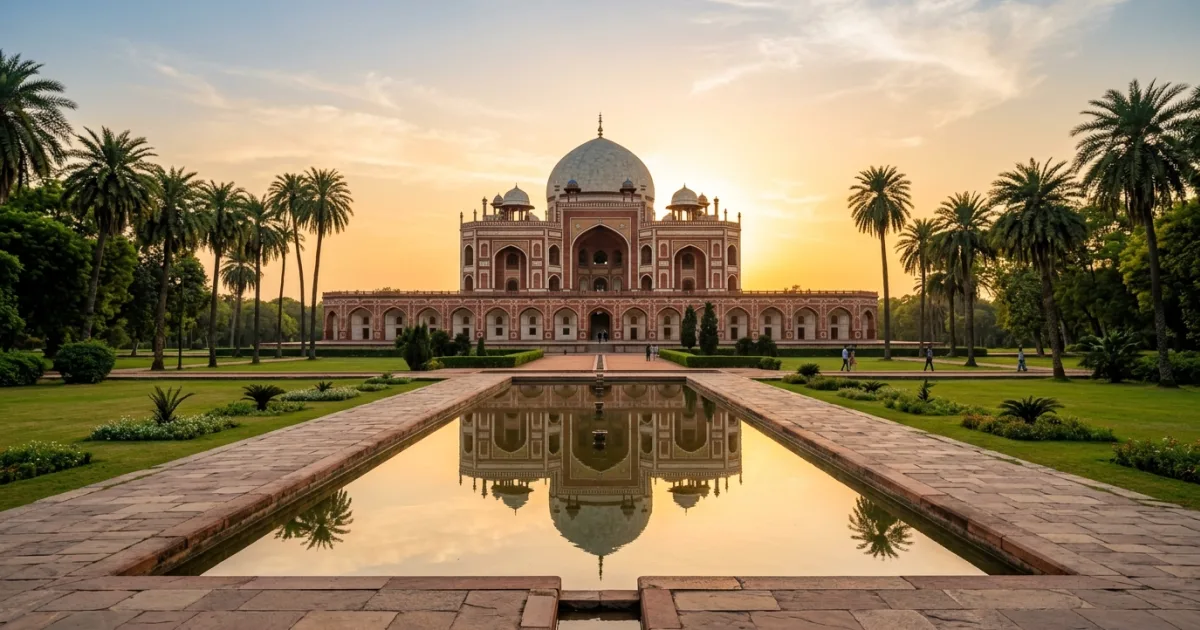
Humayun's Tomb red sandstone facade reflected in the garden water channel during golden hour in New Delhi.

New Delhi Overview & Key Highlights

New Delhi is a layered administrative and cultural center defined by grand imperial vistas, UNESCO-listed monuments, and verdant public parks. The city's monumental core centers on Kartavya Path, extending from the presidential residence of Rashtrapati Bhavan to the war memorial at India Gate. Beyond the ceremonial axis, New Delhi preserves remarkable architectural remnants from successive empires, including the sandstone majesty of Humayun's Tomb and the towering thirteenth-century minaret of Qutub Minar. Dense green pockets such as Lodhi Garden provide tranquil sanctuaries where medieval tombs sit amid manicured lawns. Modern New Delhi is equally celebrated for its vibrant neighborhood markets, flourishing contemporary art galleries, and acclaimed street food culture. From bustling commerce in Connaught Place to bohemian boutiques in Hauz Khas Village, travelers encounter varied local subcultures within short metro rides. Visiting the city requires navigating high energy, seasonal air quality shifts, and dense traffic, yet the rewards include authentic culinary expeditions, deep historical insights, and access to spiritual landmarks spanning Hinduism, Sikhism, Islam, and the Baháʼí Faith.

New Delhi Travel Guide: Logistics & In-Depth Tips

New Delhi constitutes the formal, planned heart of India's capital region. Commissioned following the decision to transfer the capital of British India from Calcutta in 1911, the city was conceived as an imperial showpiece characterized by radial avenues, circular colonnades, and sprawling residential bungalows. Today, this monumental district seamlessly accommodates the executive, legislative, and judicial pillars of the world's largest democracy, including the Parliament House and the Supreme Court of India.

Surrounding the administrative core are centuries of overlapping urban settlements, traditionally known as the Historic Seven Cities of Delhi. Within New Delhi's municipal boundaries and immediate fringes, visitors encounter ancient stepwells like Agrasen ki Baoli, massive fourteenth-century fortified structures, and tranquil sacred complexes like the Baháʼí Lotus Temple and Akshardham. This rich physical timeline gives New Delhi an uncommon depth, where ancient tombs anchor public jogging tracks and former royal hunting lodges blend quietly into diplomatic neighborhoods.

Reasons to Visit

  • Magnificent Architectural Heritage: Marvel at UNESCO World Heritage sites including Humayun's Tomb, Qutub Minar, and nearby Mughal masterpieces.
  • Exceptional Street Food & Dining: Savor legendary culinary creations ranging from roadside spicy chaat to refined royal Mughlai curries.
  • World-Class Metro System: Traverse the entire city effortlessly and economically using one of the world's most modern underground and elevated railway networks.
  • Spiritual Diversity: Witness active devotions across grand Hindu temples, serene Sikh gurdwaras, tranquil Sufi shrines, and modernist architectural marvels.
  • Rich Artisan Markets: Shop for handmade textiles, brassware, and regional handicrafts at Dilli Haat and Janpath.

Things to Avoid

  • Unregulated Airport Taxis: Avoid unregistered taxi drivers offering rides inside the arrivals hall; instead, use the prepaid taxi booth or app-based pickup zones.
  • Ignoring Dress Codes: Do not enter temples or sacred precincts with exposed shoulders, bare legs, or footwear.
  • Walking Alone in Unlit Alleys: Avoid isolated suburban areas or poorly illuminated alleys after dark, especially in outlying districts.
  • Drinking Unfiltered Water: Never drink unsealed municipal water or consume drinks cooled with questionable ice blocks.
  • Aggressive Street Touts: Do not follow individuals claiming government tourist offices have moved or that specific monuments are closed.

Local Transportation Tips

The Delhi Metro serves as the urban backbone of New Delhi, connecting all key districts, monuments, and airport terminals with rapid, air-conditioned trains operating from 06:00 to 23:00. Commuters can purchase contactless smart tokens, use National Common Mobility Cards (NCMC), or purchase 1-day and 3-day Tourist Cards. For short-distance connections, three-wheeled auto-rickshaws are ubiquitous; use mobile apps like Uber or Ola to book fixed fares and avoid street price haggling. App-based air-conditioned taxis are readily available for comfortable inter-city and evening travel.

Travel Etiquette

  • Greeting Respectfully: Greet locals by placing your palms together at chest height and saying 'Namaste'.
  • Footwear Etiquette: Always take off your shoes before entering homes, temples, gurdwaras, and mosques; look for shoe-check counters near the entrance.
  • Right Hand Tradition: Use your right hand for greeting, passing payments, and eating, as the left hand is culturally associated with personal hygiene.
  • Photography Permissions: Request permission before photographing people, particularly women, sadhus (monks), or ceremonies inside religious compounds.

Recommended Age Group

New Delhi offers remarkable educational and cultural opportunities, though intense traffic and sensory stimulation make it best suited for older kids and adults.

  • Babies (0-2 years): Not Recommended. Uneven sidewalks, high ambient noise, crowded thoroughfares, and seasonal air quality issues make navigating with strollers difficult.
  • Kids (3-12 years): Neutral. Children will enjoy spacious attractions like the National Science Centre, Rail Museum, and Lodhi Garden, but high temperatures and crowds require careful pacing.
  • Teens (13-19 years): Recommended. Teenagers will be fascinated by the blend of medieval history, Instagrammable heritage sites, bustling bazaars, and vibrant culinary routes.
  • Adults (20-64 years): Recommended. An outstanding destination for independent explorers, couples, and culture seekers keen on architecture, art, and world-class food.
  • Seniors (65+ years): Neutral. While historic landmarks feature stairs and uneven paths, private car hires and wheelchair-accessible modern metro stations make leisurely sightseeing manageable.

Accessibility Level: Medium

  • Metro Accessibility: All Delhi Metro stations are fully accessible, equipped with tactile pathways, braille elevators, wide fare gates, and dedicated wheelchair bays inside trains.
  • Monument Terrain: Major sites like Humayun's Tomb and Qutub Minar provide smooth main perimeter pathways and ramps, though upper tomb terraces frequently require negotiating steep historic stone steps.
  • Pavement Conditions: Street pavements in central Lutyens Delhi are wide and flat, whereas older markets and residential lanes often feature high curbs, broken flagstones, and vehicle obstructions.

Did You Know?

Humayun's Tomb in New Delhi was the first garden-tomb on the Indian subcontinent and directly inspired the architectural blueprint and symmetry of the iconic Taj Mahal in Agra decades later.

Cool Statistics

  • Greenest Capital: Approximately 20% of New Delhi's total land area is dedicated to urban forest cover and manicured public parks.
  • Third-Largest Metro: The Delhi Metro spans more than 390 kilometers across nearly 290 stations, ranking among the world's most extensive rapid transit networks.
  • Historic Seven Cities: New Delhi stands on a geographic landscape that has served as the capital for at least seven major historical empires over two millennia.


Address:

New Delhi, India

Find Nearby Accommodations

Basic Info

address icon

COUNTRY & Region

India,
Asia

ACCESSIBILITY LEVEL​

Medium
Currency icon

LOCAL CURRENCY​

Indian Rupee (INR)
Price level icon
Low
Safety Level icon

SAFETY LEVEL

Duration icon

Recommended Duration

• 1-7 days
• Full day

Electricity

electricity icon

Electricity

220-240V, 
50Hz
Plug Socket icon

Plug Type

• Type C (Round pin)
• Type D (Three round pins in a triangular pattern)
• Type M (Three round pins, larger)
Plug types
Click To View Plug Types
New Delhi is part of our
Culinary Heritage collection

Activities To Do In New Delhi

Best Time To Visit New Delhi

New Delhi experiences three distinct seasons: a cool, pleasant winter, an intensely hot pre-monsoon summer, and a humid monsoon period. Timing your visit during the milder months substantially improves the outdoor sightseeing experience.

  • October to March (Peak Season): The most comfortable period for exploring open-air gardens, heritage ruins, and street markets, with daytime temperatures ranging between 18°C and 28°C (64°F–82°F). Be aware that December and January can bring dense morning fog and heightened air pollution levels.
  • April to June (Summer Season): Extremely hot conditions with afternoon temperatures regularly exceeding 40°C (104°F). Outdoor activities should be restricted to early mornings and evenings.
  • July to September (Monsoon Season): Characterized by high humidity and heavy downpours that can cause localized street flooding, though surrounding urban gardens and heritage parks turn exceptionally lush.

Average Temperatures Per Month

Remember to check the weather forecast a few days before the trip and before heading to the airport.

Safety Level icon

Safety Level

Exercise situational awareness in crowded transit hubs and markets such as Paharganj, Connaught Place, and Chandni Chowk, where pickpocketing and tout solicitations occur. Women traveling alone should prioritize app-based cabs over street-hailed auto-rickshaws after dark and use the designated women-only first car on every Delhi Metro train. Drink only sealed bottled or reverse-osmosis purified water, avoid uncooked salads from street stalls, and confirm taxi details before boarding at airport terminals.

The rating is based on multi-year peace, crime, and security indices. Before you go, always verify current conditions through official government travel advisories.

Emergency Numbers

Police: 112
Ambulance: 102

No internet needed • Includes local translations • Free for TravelingWiz readers

Spoken Languages

Hindi is the principal spoken language, while English is widely spoken and understood across government offices, hospitality, transit, and retail sectors.

Learn The Language

  • Namaste: Hello / Greetings
  • Dhanyavaad: Thank you
  • Haan: Yes
  • Nahin: No
  • Kitna hua?: How much does this cost?
  • Kripya: Please
  • Madad chahiye: I need help
  • Yeh kahan hai?: Where is this?
Travel Booking Partner - TravelingWiz

Trip Cost & Budgeting for New Delhi, 2026

Everything you need to know about money while traveling
Is New Delhi expensive for tourists in 2026? No, it remains an affordable destination for international travelers. Based on our Human Verified prices, expect to pay around ₹220 for a cappuccino, ₹200 for a domestic beer, and ₹800 for a mid-range restaurant meal. Overall costs stay low compared to major world capitals. Use the data table below to calculate your specific daily budget based on your travel style.
Currency icon

LOCAL CURRENCY​:

Indian Rupee (INR)
Price level icon
Low
Cards are accepted at major hotels and restaurants, but cash is essential for street markets, auto-rickshaws, and small shops.

Per person, per day – pocket cash for small purchases.

Local: 480
Indian Rupee (INR)
≈ 5 USD

Full daily spend estimation (accommodation, food, transportation, attractions).

Travel Style
Indian Rupee (INR)
≈ USD ($)
Budget
2650
28
Mid-range
4800
50
Comfort
10550
110

The Prices, Daily costs, and calculator results are estimates for planning purposes only. Actual costs may vary based on season, booking timing, personal spending habits, and currency fluctuations. TravelingWiz cannot be held responsible for discrepancies between these estimates and your final trip expenses.

  • • Use the Delhi Metro or app-based rides like Uber and Ola instead of negotiating unmetered street auto-rickshaws.
  • • Foreign tourists should carry cash in smaller denominations like ₹100 and ₹200 notes for easy street transactions.
  • • Buy a rechargeable Delhi Metro Smart Card for discounted fares and hassle-free transit across the city.
  • • Eat at clean, busy local eateries or government-run state bhavan canteens for high quality authentic food at budget prices.

Pre-Order Tickets

Avoid disappointment when tickets sell out — and skip the long lines by booking online in advance. You’ll often save up to 20% too.
Save up to 20%

Travel Discounts & Coupons

Save on hotels, attractions, transport, and gear — find verified discounts for smarter travel spending.
Verified Coupons

What To Pack

  • Modest Clothing: Lightweight, breathable cotton or linen trousers and tops that cover shoulders and knees, essential for entering active religious sites.
  • Scarves or Shawls: A versatile scarf for women to cover their heads in gurdwaras, temples, and mosques, or to block dust on auto-rickshaw rides.
  • Slip-on Shoes: Comfortable walking shoes that can be easily removed and put back on outside temples and historic monuments.
  • Air Filtration Masks: High-filtration N95 or FFP2 masks, particularly if traveling between late October and February when particulate pollution spikes.
  • Hand Sanitizer and Wipes: Portable hygiene supplies for market exploration and dining before sink access is available.
  • Universal Adapter: Plug adapters compatible with Type D and Type M three-pin sockets common throughout India.
We couldn't find tips for New Delhi.
If you got any, please share

Recommended Itineraries for Traveling to New Delhi

We couldn't find itineraries for New Delhi.
you can contact us for custom trip plan

Food & Drink Highlights

Local Food Overview

New Delhi's culinary landscape represents an extraordinary confluence of Mughal court banquets, Punjabi heritage, and street food traditions imported from across South Asia. The city is renowned for rich tandoori grills, velvety gravies, and aromatic biryanis, balanced by savory chaats featuring crunchy fried dough, tamarind chutney, spiced yogurt, and fresh mint. Neighborhood markets boast specialized sweet shops serving jalebis and kulfi, while dedicated market hubs like Dilli Haat allow travelers to sample regional cuisines from across India's diverse states within a single pedestrian plaza.
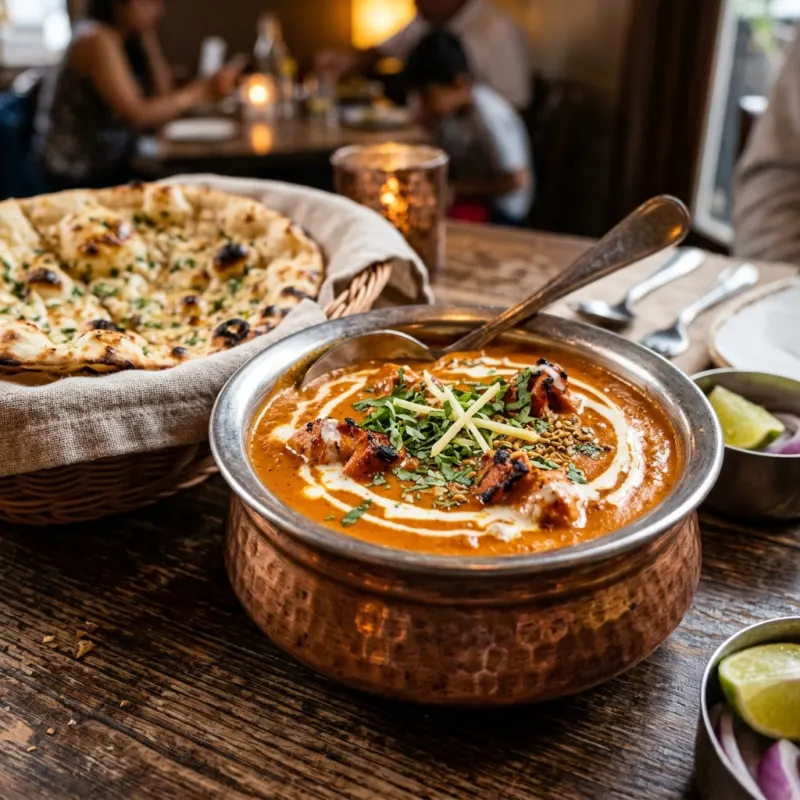
Authentic Delhi Butter Chicken served in a copper handi with tandoori garlic naan.

Must Try Dish

Butter Chicken (Murgh Makhani) - Tandoor-roasted chicken pieces simmered in a silky, spiced tomato, butter, and cream sauce. First conceived in post-partition Delhi, this iconic dish is best savored alongside blistered garlic naan or crisp tandoori roti.
Food Experiences Title Icon

Food
Experiences

Discover cooking classes, tastings and local food tours

No food experience found
Maya, the human travel expert at TravelingWiz, offering curated, non-AI expertise

Maya’s Final Checklist for New Delhi

Logistics shouldn’t be the focus of your trip—the experience should. I’ve hand-vetted these essential partners to ensure your arrival, stay, and exploration are as smooth as an Athenian breeze.

Where to Stay

From boutique hotels to local apartments—compare thousands of options and find the perfect stay in the best neighborhood.

Air Travel

Getting there should be seamless. Compare the best routes and prices across top airlines to start your journey on the right note.

Local Guides

Connect with experts who know the destination best. Get personalized advice and insider tips to help you plan your perfect trip.

Travel Protection

The “Engineer’s” rule: always have a backup. Secure your trip with a plan that covers every “what if” and unexpected change.

Car Rentals

Explore at your own pace with total freedom. Compare reliable rental options and find the right vehicle for your adventure.

Visa Services

Don’t let paperwork slow you down. Get expert assistance with your application to ensure all your entry documents are in order.

FAQs

The Delhi Metro is the cleanest, fastest, and most cost-effective method to navigate the city, bypassing heavy traffic jams. For point-to-point connections from stations, utilize app-based auto-rickshaws or licensed rideshares.
Tap water is not safe for unboiled consumption. Drink only filtered RO (reverse osmosis) water or sealed bottled water from reputable brands, and avoid ice cubes in roadside beverage stands.
Both men and women must dress conservatively with covered shoulders and knees. Head coverings are mandatory at Sikh gurdwaras (like Gurudwara Bangla Sahib) and certain mosques, and shoes must be removed prior to entry.
New Delhi is widely accessible for solo travelers who practice vigilance, plan transit ahead of time, and avoid unlit streets late at night. Solo female travelers often prefer utilizing the women-only coaches on the metro and staying in central, well-regarded neighborhoods like South Delhi.

Your Insights Matter

TravelingWiz grows through the stories of our community. If you’ve recently explored ,New Delhi share your tips and stories to help us perfect our guides for the next traveler.

Related Articles

Check out our related articles and blog posts to learn even more about the destination.

No related articles found

Don’t Travel Alone

Share with your friends and family

Where should we send your offline card?

We hate spam just as much as you do

newsletter_consent *