Kerala is a narrow strip of land situated at the southwestern tip of the Indian subcontinent, bordered by the Arabian Sea to the west and the Western Ghats to the east. This unique geography gifts the state with an incredibly diverse landscape, ranging from sun-kissed beaches and a labyrinth of backwaters to dense tropical forests and misty hill stations. Historically, Kerala was a prominent spice exporter, attracting traders from ancient Babylon, Rome, China, and later European colonial powers, which has left a lasting imprint on its architecture, religion, and culture.
The state is celebrated for its progressive social indicators, boasting the highest literacy rate in India and a strong emphasis on healthcare and education. Culturally, Kerala is a vibrant tapestry of Hindu, Islamic, Christian, and Jewish traditions coexisting harmoniously. Visitors are often captivated by the dramatic performances of Kathakali and Theyyam, the thrilling snake boat races during the harvest festival of Onam, and the deeply restorative practices of Ayurveda, making Kerala a destination that nourishes both the body and the soul.
Reasons to Visit
- The Backwaters: Cruise through the tranquil, palm-fringed network of canals and lagoons in Alleppey or Kumarakom on a traditional houseboat.
- Ayurvedic Wellness: Rejuvenate with authentic, centuries-old Ayurvedic therapies and massages in the land where the practice flourishes.
- Lush Hill Stations: Escape to the cool, misty heights of Munnar or Wayanad, surrounded by endless rolling tea and spice plantations.
- Rich Wildlife: Spot wild elephants, tigers, and diverse bird species in protected reserves like Periyar National Park and Eravikulam National Park.
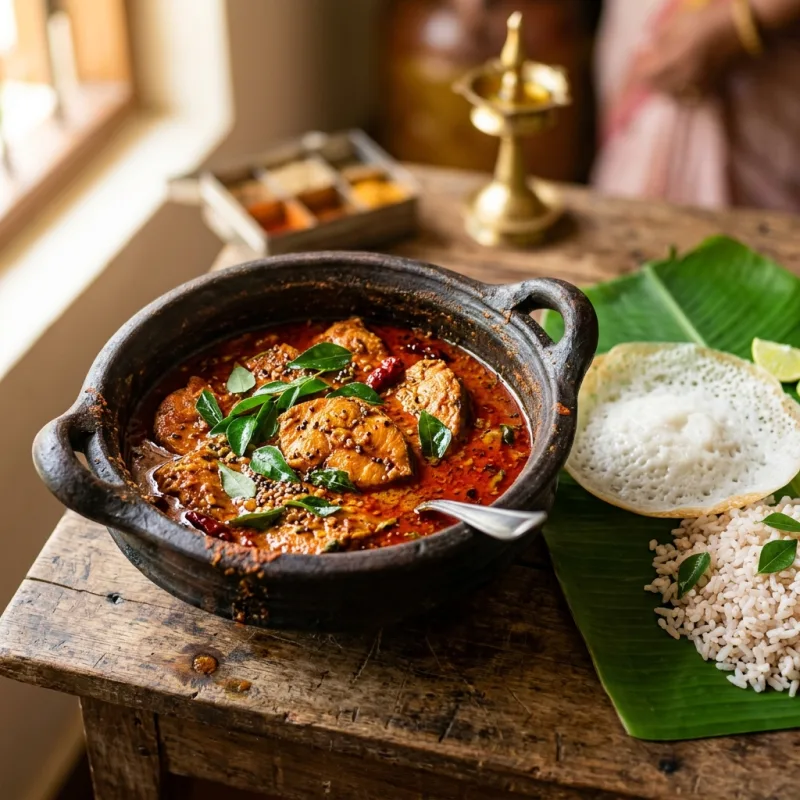
- Culinary Delights: Indulge in a unique coastal cuisine featuring fresh seafood, coconut-infused curries, and the traditional vegetarian Sadya feast.
Things to Avoid
- Drinking Tap Water: Always stick to sealed bottled water or water that has been thoroughly boiled and filtered.
- Disrespecting Temple Rules: Avoid entering temples without checking the specific dress codes and rules regarding photography and non-Hindu entry.
- Public Displays of Affection: Kerala is culturally conservative; overt public displays of affection should be avoided.
- Unlicensed Tour Operators: Avoid booking houseboats or Ayurvedic treatments through touts on the street; use recognized and reviewed operators.
- Ignoring Beach Warnings: Do not swim in the ocean during the monsoon season or when red warning flags are displayed, as undercurrents can be dangerously strong.
Local Transportation Tips
Getting around Kerala is an adventure in itself. For intercity travel, the Indian Railways network is efficient, scenic, and highly affordable, connecting major hubs like Trivandrum, Kochi, and Kozhikode. State-run KSRTC buses are ubiquitous and budget-friendly, though they can be crowded. For shorter distances within cities, auto-rickshaws are the most convenient option; always insist on using the meter or agree on a fare before starting the journey. Taxis and ride-hailing apps like Uber and Ola are widely available in major cities. To explore the backwaters, local public ferries offer a remarkably cheap and authentic alternative to private houseboats.
Travel Etiquette
- Dress Modestly: Wear clothing that covers your shoulders and knees, especially in rural areas and places of worship.
- Footwear: Always remove your shoes before entering a local home or a temple.
- Eating Customs: When eating traditional meals like Sadya, use your right hand only, as the left hand is considered unclean.
- Greetings: A traditional greeting is placing your palms together in front of your chest and saying 'Namaskaram'.
- Photography: Always ask for permission before photographing local people, especially women, and respect 'no photography' signs at religious sites.
Recommended Age Group
Kerala is a highly versatile destination that caters beautifully to travelers of all ages, offering a mix of relaxation, nature, and culture.
- Babies (0-2 years): Recommended. The relaxed pace of houseboat cruises and beach resorts is suitable for infants, though parents should be mindful of the heat and mosquito protection.
- Kids (3-12 years): Recommended. Children will be fascinated by the wildlife safaris, elephant encounters, and the novelty of sleeping on a boat.
- Teens (13-19 years): Recommended. Teens can enjoy active pursuits like trekking in the Western Ghats, bamboo rafting, and exploring historic forts.
- Adults (20-64 years): Recommended. Perfect for adults seeking cultural immersion, culinary exploration, romantic getaways, or wellness retreats.
- Seniors (65+ years): Recommended. The slow pace of travel, availability of comfortable transport, and world-class Ayurvedic wellness centers make it an excellent choice for older travelers.
Accessibility Level: Medium
- Accommodation: Many high-end resorts and modern hotels in Kochi and Trivandrum offer wheelchair-accessible rooms and ramps.
- Houseboats: A select few houseboat operators in Alleppey have modified their vessels to be wheelchair accessible, but this must be arranged well in advance.
- Attractions: Accessibility at historical sites and temples can be challenging due to uneven terrain, stairs, and strict entry rules.
- Transport: Public transport is generally not wheelchair friendly. Hiring a private taxi with a spacious trunk for a wheelchair is the most reliable way to get around.
- Pavements: Sidewalks in cities can be uneven, crowded, or non-existent, requiring extra caution for those with mobility issues.
Did You Know?
Did you know that Kerala is home to the world's oldest active synagogue outside of the Middle East? The Paradesi Synagogue in Kochi was built in 1568 by Spanish and Dutch Sephardic Jews. Additionally, Kerala was the first place in the world to democratically elect a communist government in 1957.
Cool Statistics
- Literacy Rate: Kerala boasts a literacy rate of over 96%, the highest of any state in India.
- Coastline: The state features a stunning coastline stretching approximately 580 kilometers along the Arabian Sea.
- Backwaters: The Kerala backwaters consist of an interconnected network of 5 large lakes, 38 rivers, and over 1,500 kilometers of artificial and natural canals.
- Life Expectancy: Kerala has the highest life expectancy in India, averaging around 75 years.






Buy a compatible power adapter for your trip