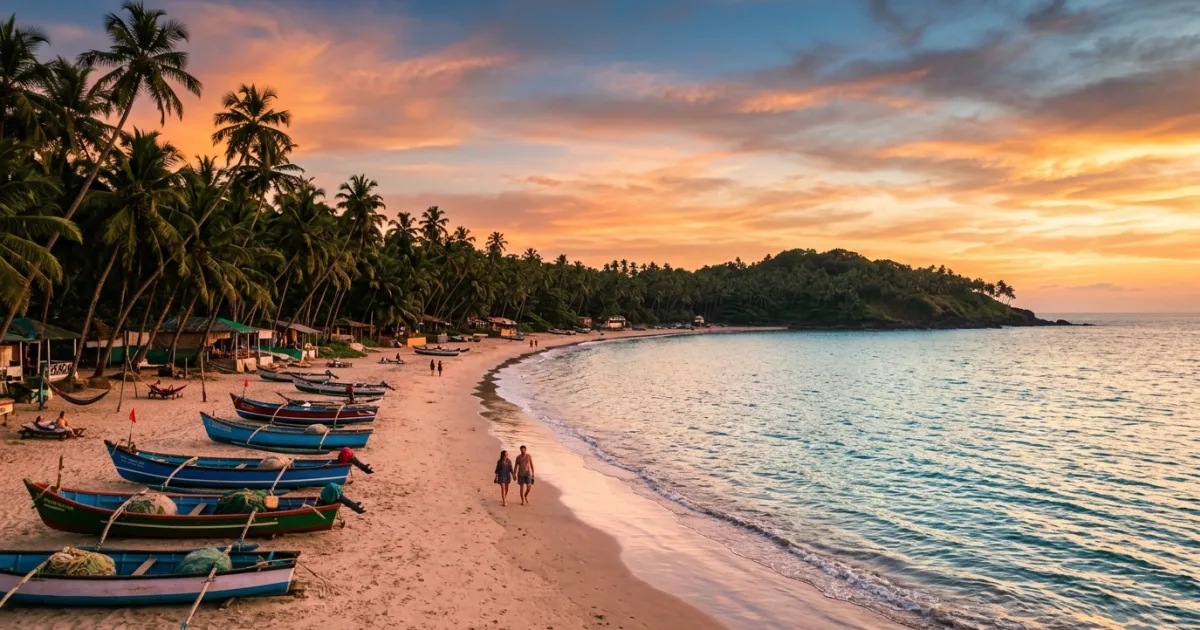
South Goa occupies the southern half of India's sunshine state, bordered by the Arabian Sea to the west and the emerald ramparts of the Western Ghats to the east. Historically shaped by centuries of Portuguese administration alongside indigenous Konkani customs, the district showcases an evocative cultural blend evident in its architecture, cuisine, and relaxed lifestyle known locally as susegad. Unlike the high-octane commercial strips of the north, South Goa preserves expansive rice paddies, quiet coconut groves, and sleepier coastal settlements where local fishermen still launch traditional outrigger wooden boats at sunrise.
The region's geographical heart centers around the commercial city of Margao, home to bustling spice markets and centuries-old colonial mansions such as those found in Chandor and Loutolim. Moving toward the coast, long stretches of golden sand extend from Majorda and Colva down to the dramatic cliff-backed coves of Cabo de Rama, Agonda, and Palolem. Whether you seek restorative yoga retreats, colonial history tours, or leisurely lunches in seaside shacks tasting prawn balchão and fenny, South Goa offers a refined, tranquil window into coastal India.
Reasons to Visit
- Unspoiled Beaches: Relax on wide, peaceful sands such as Palolem, Agonda, Butterfly Beach, and Cola Beach without dense crowds.
- Colonial Architecture: Tour impeccably preserved Indo-Portuguese manor homes, including the 450-year-old Menezes Braganza House and Figueiredo Mansion.
- Wellness & Yoga: Join world-class yoga schools, Ayurvedic retreats, and meditation workshops set in tranquil coastal hideaways.
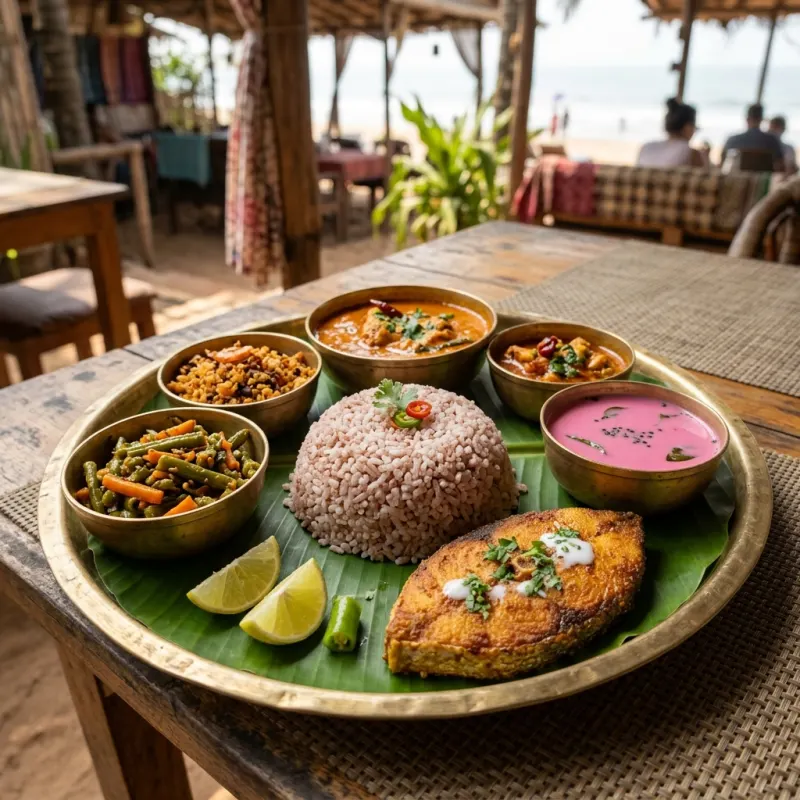
- Authentic Cuisine: Savor fresh seafood curries, pork sorpotel, and fiery xacuti at genuine local family-run taverns.
- Nature & Waterfalls: Hike to secluded inland waterfalls, spot dolphins along the coast, and explore the dense canopies of Cotigao Wildlife Sanctuary.
Things to Avoid
- Avoid swimming outside marked areas: Undercurrents and sudden shelf drops can be dangerous along remote beaches; always obey lifeguard warning flags.
- Avoid relying solely on credit cards: Village shacks, beach huts, and local tuk-tuks rarely accept international cards, so maintain a buffer of local currency.
- Avoid wearing beachwear inside religious buildings: Modest dress covering shoulders and knees is strictly expected in historic churches and Hindu temples.
- Avoid unlicensed water sports operators: Ensure that watercraft and dolphin-sighting boats provide certified life vests before boarding.
Local Transportation Tips
Renting a scooter or motorcycle (typically 400 to 600 INR per day) is the most flexible way to navigate South Goa's rural roads and hidden beach coves. Taxis do not operate with meters and are regulated by local unions; negotiate the fare clearly before departing or book via the government-backed GoaMiles smartphone app. State-operated Kadamba buses connect major hubs like Margao, Vasco, and Canacona regularly for budget travel, while auto-rickshaws provide convenient short-hop transport within town centers.
Travel Etiquette
- Embrace Susegad: South Goa lives by an unhurried, peaceful tempo; patience and warm greetings are valued far more than rushed interactions.
- Respect Temple & Church Customs: Remove footwear before entering temple complexes, switch mobile phones to silent, and refrain from photography where prohibited.
- Bargain Gently: Moderate bargaining is accepted in flea markets and taxi stands, but maintain a polite, respectful tone.
- Protect Coastal Ecology: Refrain from leaving plastic waste on the beaches and avoid disturbing nesting olive ridley sea turtles in protected zones like Agonda.
Recommended Age Group
South Goa appeals across multiple generations due to its peaceful beaches, rich cultural heritage, and manageable travel tempo.
- Babies (0-2 years): Neutral. Beach walking and shaded resorts are accessible, but heat, humidity, and uneven village pavements require careful planning.
- Kids (3-12 years): Recommended. Calm shallow waters at Palolem Beach, spice farm tours with elephant sightings, and dolphin cruises make it delightful for children.
- Teens (13-19 years): Recommended. Kayaking, stand-up paddleboarding, surfing lessons, and exploring ancient cliff fortresses provide engaging adventures.
- Adults (20-64 years): Recommended. Outstanding seafood dining, wellness retreats, serene beach shacks, and rich architectural tours cater perfectly to mature adults and couples.
- Seniors (65+ years): Recommended. Calm coastal resorts, flat sandy walking stretches, gentle pace of life, and private transport options make it very welcoming.
Accessibility Level: Medium
- Terrain Challenges: Beach access points frequently involve sandy slopes, rustic wooden walkways, or uneven stone steps that can prove difficult for wheelchair users.
- Resort Facilities: Modern 5-star properties in areas like Cavelossim and Varca provide zero-step entry, roll-in showers, and smooth ramp access.
- Transport Limitations: Public buses and local auto-rickshaws lack wheelchair lifts; hiring a pre-arranged private air-conditioned van with driver is recommended for mobility-impaired visitors.
Did You Know?
The imposing Cabo de Rama Fort in South Goa is linked to ancient Hindu epics, believed to be the refuge where Lord Rama and his wife Sita took shelter during their 14-year exile before later falling under Portuguese military control.
Cool Statistics
- 100+ Kilometers: Length of coastline bordered by the Arabian Sea across Goa, with its most tranquil, wide beaches located in the south.
- 16th Century: The era during which Indo-Portuguese mansions and churches in South Goa were first erected, blending European baroque and Konkan architectural elements.
- Cotigao Sanctuary: Over 85 square kilometers of protected deciduous forest in South Goa harboring leopards, flying squirrels, and rare bird species.






Buy a compatible power adapter for your trip