Nashik is located in the northern reaches of Maharashtra on the banks of the sacred Godavari River. Holding a sacred legacy dating back millennia, mythological lore associates the city's Panchavati grove with the exile of Lord Rama, Lakshmana, and Sita. Every twelve years, the city hosts the monumental Simhastha Kumbh Mela, drawing millions of pilgrims to purify themselves in the holy waters of Ramkund. The ancient core of the city is characterized by labyrinthine markets, brass utensil bazaars, and intricately carved black-stone temples.
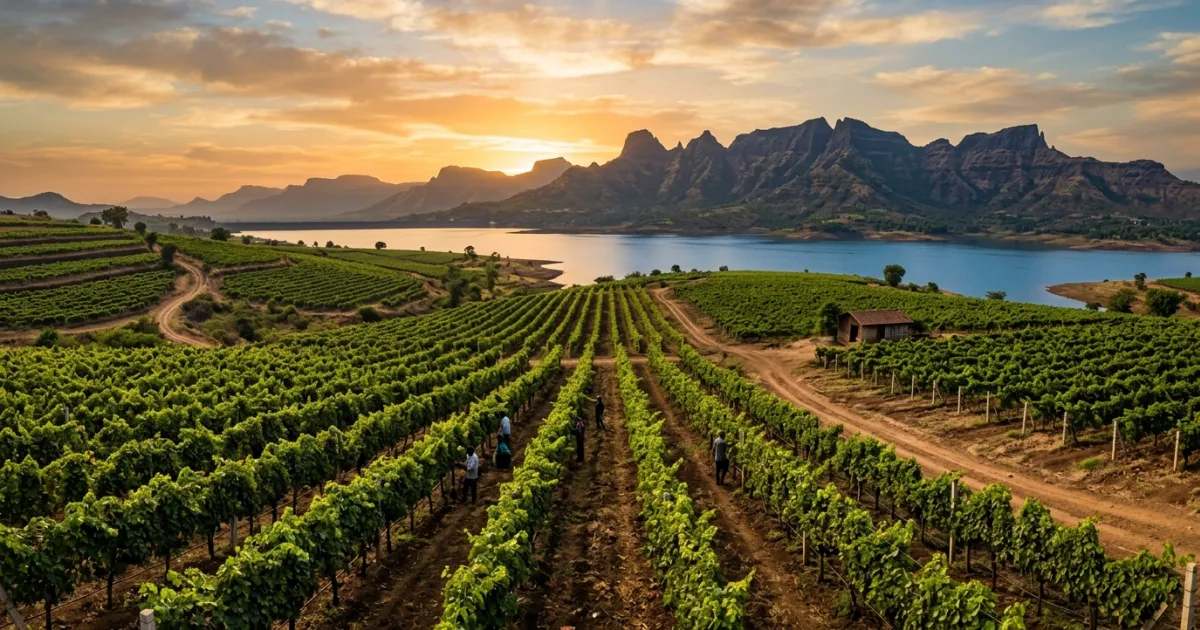
In sharp contrast to its timeless spiritual fabric, the surrounding Deccan plateau and microclimates have established Nashik as the undisputed epicenter of India’s viticulture industry. The gentle, sun-kissed slopes of the Western Ghats nurture thriving estates that produce award-winning wines, attracting domestic and international wine enthusiasts. Modern tasting cellars, boutique eco-resorts, and serene lakeside dining create a sophisticated weekend retreat, effortlessly marrying sacred heritage with agrarian relaxation.
Reasons to Visit
- Sample world-class Indian wines straight from the barrel at pioneering estates including Sula, York, and Soma Vineyards.
- Witness centuries of living Hindu devotion and evening aarti ceremonies along the historic riverbanks of Ramkund.
- Climb the stone stairs to the Pandavleni Caves, a complex of 24 rock-cut Buddhist grottos dating to the 1st century BCE.
- Embark on day trips to Trimbakeshwar Shiva Temple, housing one of India's twelve venerated Jyotirlingas.
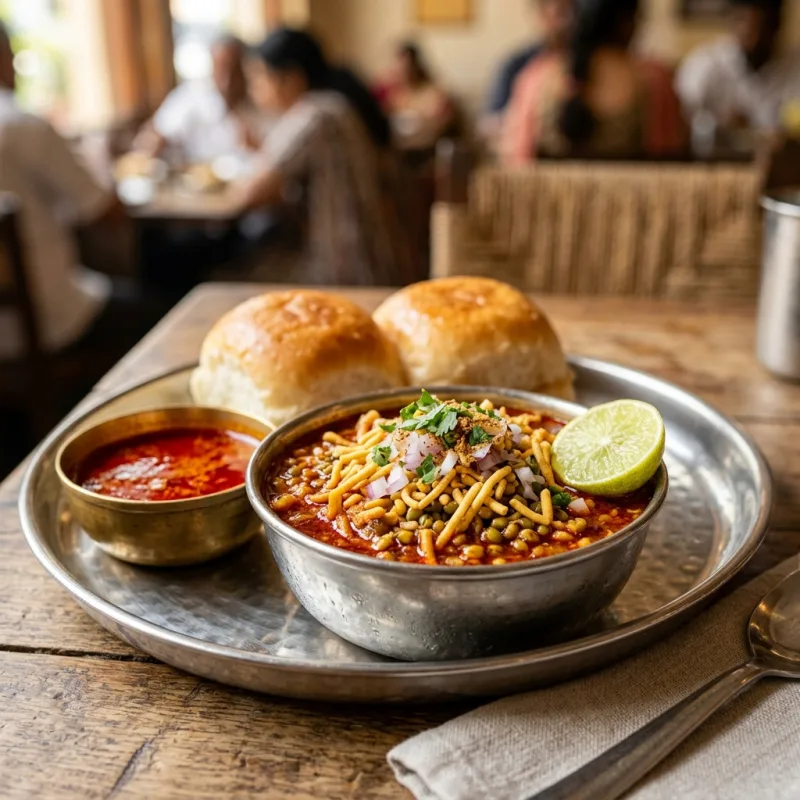
- Indulge in authentic regional Maharashtrian street gastronomy, headlined by fiery signature misal pav.
Things to Avoid
- Avoid wearing footwear, leather belts, or revealing clothing inside orthodox temple premises and inner sanctums.
- Do not accept unsolicited ritual ceremonies or gemstone recommendations from aggressive touts lingering around the river ghats.
- Avoid traveling during peak summer afternoons without ample hydration and heat protection.
- Do not rely entirely on credit cards when exploring traditional markets and street eateries outside major hotels.
Local Transportation Tips
Nashik is easily navigated using auto-rickshaws, app-based ride services, and municipal buses. Auto-rickshaws operate throughout the city and are suitable for short trips between Old Nashik and modern residential districts, though meters are rarely engaged; agree on prices prior to boarding. App-based platforms such as Uber and Ola function reliably within the city perimeter. For touring outlying wineries, Trimbakeshwar, or the Pandavleni Caves, booking a pre-arranged private chauffeur cab for a half or full day provides maximum convenience and comfort.
Travel Etiquette
- Remove your shoes and leave them with designated shoe caretakers before stepping onto temple steps or holy shrines.
- Always request permission before photographing worshippers, ascetics (sadhus), or private bathing rituals at Ramkund.
- Dress respectfully with covered shoulders and knees when visiting historic quarters and residential neighborhoods.
- Use your right hand when giving or receiving money, prasad (temple offerings), or items from vendors.
Recommended Age Group
Nashik accommodates a diverse array of visitors, balancing serene pilgrimage stops with leisurely countryside pursuits.
- Babies (0-2 years): Not Recommended. Navigating congested temple alleys, uneven river ghat stones, and steep stone cave staircases is challenging with strollers.
- Kids (3-12 years): Neutral. Open vineyard grounds and lake reservoirs offer outdoor play, but heavy spiritual sights and spicy regional dining require selective planning.
- Teens (13-19 years): Neutral. Rock-cut cave treks and riverfront cultural walks are visually compelling, though overall nightlife and modern youth-focused entertainment are limited.
- Adults (20-64 years): Recommended. Perfect balance of viticultural cellar tours, culinary discoveries, historical exploration, and scenic foothill road journeys.
- Seniors (65+ years): Recommended. Profound spiritual significance, revered pilgrimage temples, and leisurely vineyard resorts provide a comfortable, rewarding itinerary when aided by private transport.
Accessibility Level: Medium
- Most historic Hindu temples and rock-cut Buddhist caves feature steep, uneven stone steps without ramp access or elevator installations.
- Modern vineyard resorts, high-end hotels, and premier winery tasting rooms offer flat paved entries, accessible restrooms, and ground-floor dining.
- Municipal streets and ghat walkways are uneven, making independent manual or powered wheelchair navigation difficult without companion support.
Did You Know?
Nashik produces more than half of India’s total wine output and over 80% of its wine grapes, earning its official designation as the 'Wine Capital of India'.
Cool Statistics
- Home to over 30 functioning boutique and commercial wineries across the Nashik valley district.
- Contains the Pandavleni Caves, spanning over 2,000 years of Buddhist architectural history.
- Site of the Kumbh Mela, an ancient religious congregation that draws up to 30 million pilgrims during peak celestial alignments.






Buy a compatible power adapter for your trip