Ratnagiri is a historic maritime district headquarters situated in the southern part of Maharashtra's Konkan division. Bordered by the Arabian Sea to the west and rising into the forested foothills of the Western Ghats to the east, the region features striking geographical diversity with rolling laterite plateaus, deep river estuaries, and secluded crescent bays. Once an essential trade anchorage for Arab, Portuguese, and Maratha seafaring vessels, the town was systematically fortified under Chhatrapati Shivaji Maharaj in the seventeenth century, leaving an enduring imprint on its coastal topography.
Today, Ratnagiri is a thriving center for fishing, horticulture, and regional tourism, offering visitors a slower, culturally rooted alternative to northern Konkan tourist magnets. Travelers can explore the imposing battlements of Ratnadurg Fort, walk through the quiet residential teak halls of Thibaw Palace, or take scenic drives along the cliffside road connecting Aare and Ware beaches. Whether you are tasting fresh seafood in family-run eateries or visiting rural mango orchards in spring, Ratnagiri provides a quintessential taste of coastal Maharashtra life.
Reasons to Visit
- Historic Fortifications: Explore sea-facing fortresses such as Ratnadurg Fort and Jaigad Fort, offering panoramic vantage points over the Arabian Sea.
- World-Renowned Mangoes: Sample authentic, GI-tagged Alphonso (Hapus) mangoes directly from local orchards during the spring harvest.
- Stunning Coastal Drives: Experience the dramatic cliff-hugging seaside highway between Ganpatipule and Ratnagiri, featuring the twin bays of Aare and Ware.
- Uncommercialized Beaches: Relax on quiet stretches of shoreline like Bhatye Beach and Mandvi Beach, largely free from heavy commercial tourist developments.
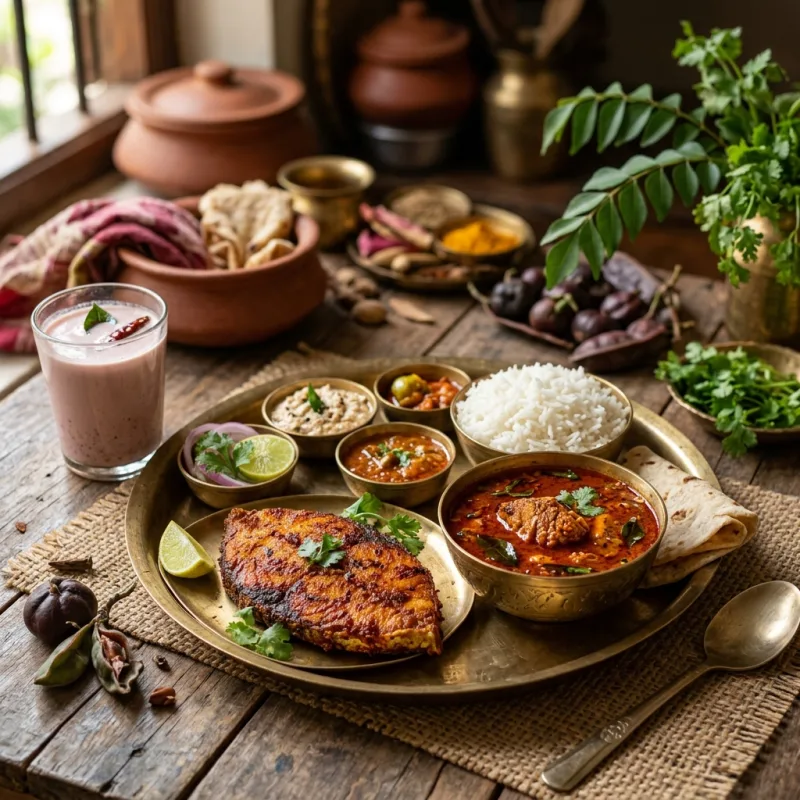
- Exceptional Malvani Gastronomy: Feast on traditional coastal preparations of kingfish, crab, and prawns paired with cooling Solkadhi.
Things to Avoid
- Avoid swimming in the sea during the monsoon months (June through September) due to violent waves and dangerous undertows.
- Do not buy uncertified 'Alphonso' mangoes from unauthorized highway touts; purchase from verified orchard outlets or government cooperatives.
- Avoid wearing footwear inside Hindu temples and coastal shrines like Bhagawati Temple atop Ratnadurg Fort.
- Do not rely entirely on credit cards or international ATMs outside the main city center; carry cash for village excursions.
Local Transportation Tips
Auto-rickshaws are the primary and most accessible mode of transport for getting around Ratnagiri town, operating on standard meter or negotiated fixed fares for longer sightseeing trips. For exploring outlying beaches, forts, and villages, hiring a private taxi or renting a two-wheeler from the town center provides the greatest flexibility. Maharashtra State Road Transport Corporation (MSRTC) buses connect Ratnagiri's central bus stand to nearby towns like Ganpatipule, Pawas, and Chiplun at budget-friendly rates.
Travel Etiquette
- Dress conservatively when exploring historic temples, villages, and local residential quarters away from the beach.
- Always ask for permission before taking photographs of local fishermen at work or people inside private orchards.
- Remove shoes before entering homes, sacred temple courtyards, and designated heritage monuments.
- Respect local conservation initiatives by not leaving plastic waste on beaches or along fortress ramparts.
Recommended Age Group
Ratnagiri accommodates diverse travelers, though its rocky historic forts and relaxed pace cater best to specific age profiles.
- Babies (0-2 years): Neutral. The coastal humidity and uneven stone stairs at major fort sites can present logistical hurdles for strollers.
- Kids (3-12 years): Recommended. Children enjoy the gentle sands of Bhatye beach, wide fortress pathways, and watching fishing trawlers at the port.
- Teens (13-19 years): Recommended. Excellent destination for teenagers who enjoy coastal road trips, photography, beach walks, and exploring historic battlements.
- Adults (20-64 years): Recommended. Perfect for couples, groups of friends, and cultural explorers interested in coastal drives, heritage landmarks, and regional seafood.
- Seniors (65+ years): Neutral. While coastal relaxation and palace visits are comfortable, navigating the steep staircases and uneven masonry of coastal forts requires caution.
Accessibility Level: Medium
- Thibaw Palace features ramp access on ground floor areas, though upper stories require ascending vintage wooden staircases.
- Bhatye Beach offers flat, paved promenade areas near the main entrance that are easily reachable for travelers with mobility aids.
- Ratnadurg and Jaigad Forts consist of irregular stone steps and rugged laterite paths, making full rampart exploration challenging for wheelchair users.
- Private air-conditioned taxis can be arranged to provide door-to-door transit between major sights without requiring extensive walking.
Did You Know?
King Thibaw, the last monarch of the Konbaung Dynasty of Burma (Myanmar), spent over thirty years under British house arrest in Ratnagiri until his death in 1916. The British colonial administration constructed the ornate Thibaw Palace specifically to house the royal family, blending colonial architecture with Burmese-style woodwork and roofing elements.
Cool Statistics
- Home to Ratnadurg Fort, a massive U-shaped bastion spanning over 130 acres and jutting directly into the Arabian Sea.
- Produces a substantial share of India's world-famous GI-tagged Alphonso mangoes across thousands of hectares of coastal laterite orchards.
- Features the Aare Ware coastal road, recognized among the top scenic cliffside coastal highway stretches in western India.






Buy a compatible power adapter for your trip